When it comes to working out, the clothes you wear can have a bigger impact than most people realize.
Comfort, mobility, and performance are all influenced by the apparel you choose, and investing in the right pieces can completely transform your exercise experience.
Imagine trying to sprint, squat, or stretch in clothing that is too tight, doesn’t breathe, or constantly rides up—it’s distracting, uncomfortable, and can even affect the effectiveness of your workout.
The right workout gear, on the other hand, allows you to move freely, stay focused, and push your body to its limits without worrying about discomfort.
Workout clothes aren’t just about comfort—they also affect performance.
High-quality fabrics that wick away sweat and regulate temperature help your body stay cool during intense sessions, reducing fatigue and allowing you to train longer.
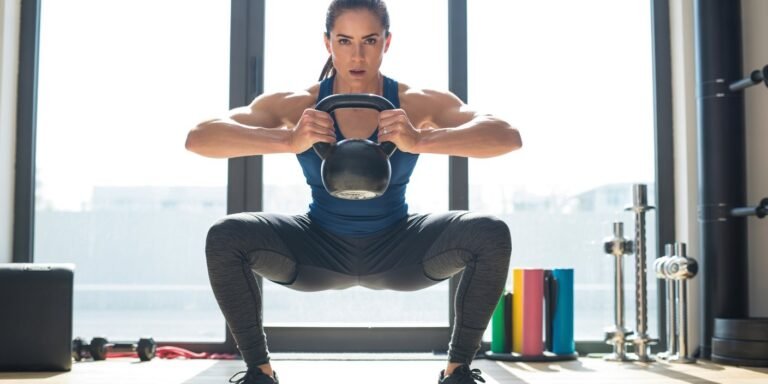
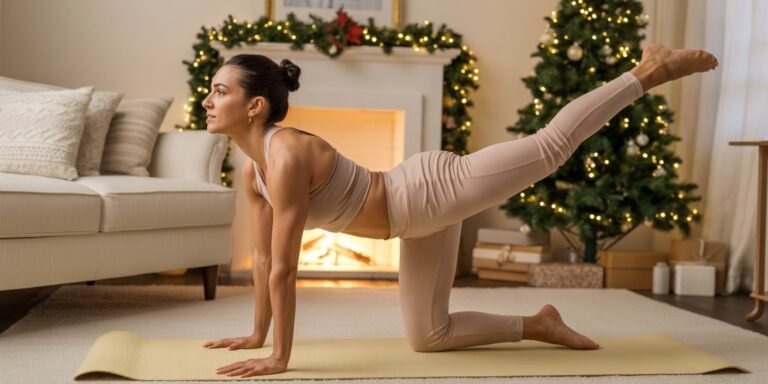
Properly fitted leggings or shorts provide support and flexibility for exercises like lunges and squats, while sports bras and supportive tops protect your muscles and joints during high-impact movements.
Footwear, socks, and even accessories like headbands or compression sleeves all contribute to your overall performance and safety.
Another factor that often goes overlooked is confidence. Wearing workout clothes that make you feel good can be a huge motivational boost.
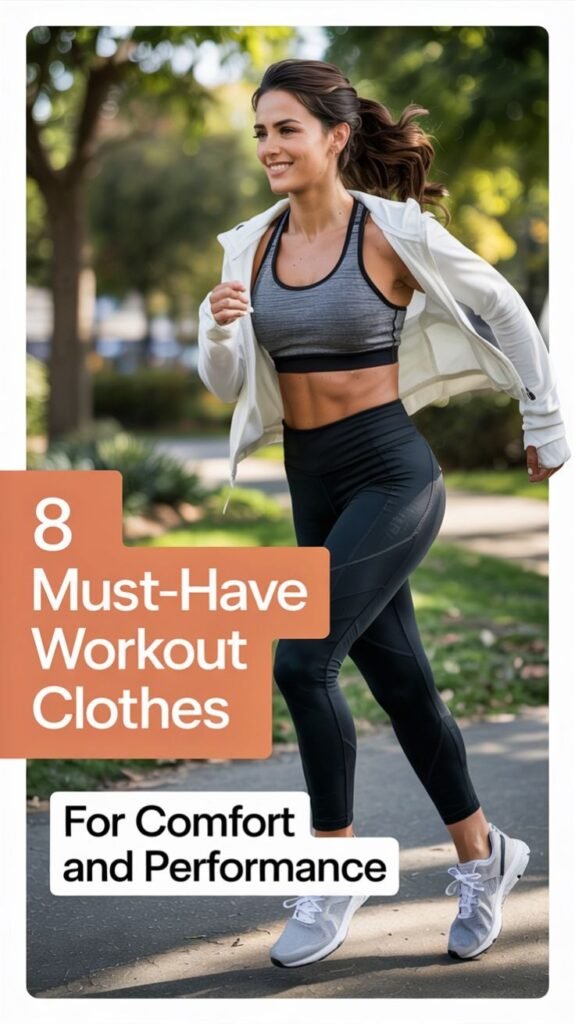
When you feel comfortable, supported, and stylish, it’s easier to show up consistently and stay committed to your fitness routine.
From beginners starting their journey to seasoned athletes pushing for new personal bests, the right clothing can elevate your experience and help you get the most out of every session.
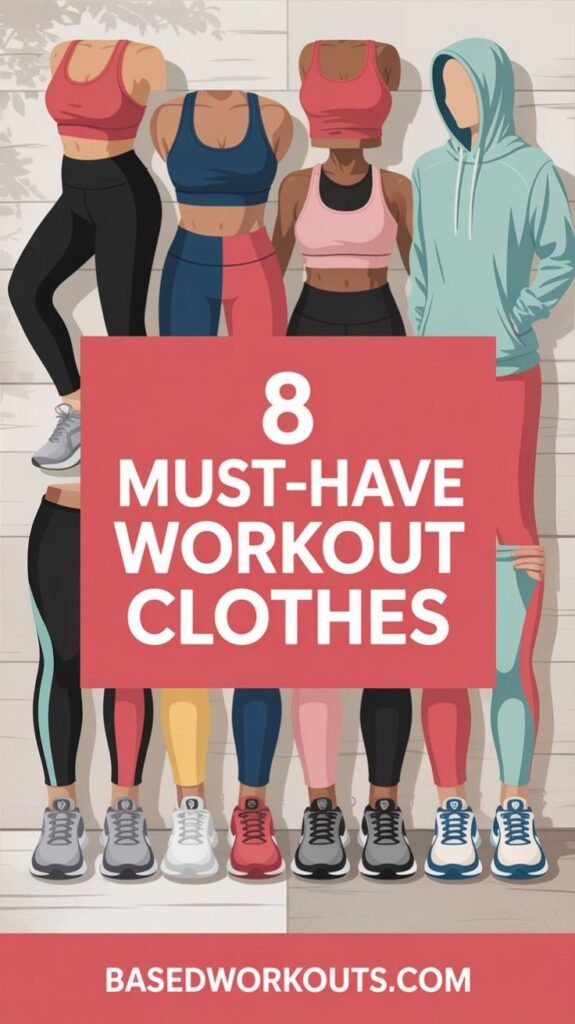
In this guide, we’ll break down the 8 must-have workout clothes that every fitness enthusiast should have in their wardrobe.
We’ll cover the essentials for comfort, support, and performance, including everything from moisture-wicking leggings and supportive sports bras to versatile tops and breathable footwear.
Each item is chosen to help you train smarter, move more freely, and enjoy your workouts whether you’re at the gym, in a fitness class, or doing at-home sessions.
By the end of this post, you’ll understand not only which pieces are essential but also how to choose fabrics, fits, and designs that align with your fitness goals.
Whether your focus is strength training, running, yoga, or high-intensity interval training, these essentials will ensure that your workout wardrobe works as hard as you do.
With the right clothing, every move you make becomes more effective, comfortable, and empowering.
This post may include affiliate links. If you make a purchase through them, we may earn a small commission — at no extra cost to you. Every piece of workout clothing we recommend is carefully chosen for comfort, durability, and performance — so you can move freely, stay motivated, and look great while crushing your fitness goals.
Amazon Gear: Must-Have Workout Clothes for Comfort & Peak Performance I Recommend
Want to Feel Confident and Comfortable in Every Workout?
The right workout clothes make all the difference — improving comfort, flexibility, and confidence whether you’re training at home or in the gym.
Here are my top Amazon picks for performance-ready fitness wear:
| Product | Why You’ll Love It | Shop Now |
|---|---|---|
| Moisture-Wicking Workout Tops (Men/Women) | Keeps you cool, dry, and comfortable during intense training sessions. | Check Price on Amazon |
| High-Waisted Compression Leggings / Shorts | Smooth, supportive fit that sculpts and stays in place during movement. | View on Amazon |
| Breathable Sports Bra (Medium to High Support) | Offers great support and comfort for cardio, strength, or yoga. | Shop Now |
| Quick-Dry Training Shorts (Men/Women) | Lightweight, flexible, and ideal for weight training or running. | Buy on Amazon |
| Moisture-Control Athletic Socks (Multi-Pack) | Cushioned, breathable socks that prevent blisters and absorb sweat. | See Details |
| Performance Zip Hoodie or Pullover | Great for warm-ups, cool-downs, or layering on chilly days. | Shop Now |
| Lightweight Training Shoes | Provides grip, flexibility, and stability for all types of workouts. | View on Amazon |
| Gym Headband / Sweatband Set | Keeps sweat away from your face so you can focus on performance. | Check Price on Amazon |
These workout clothing essentials combine comfort, durability, and performance — helping you stay motivated, move freely, and train harder with confidence.
1. Durable Footwear for Stability and Comfort
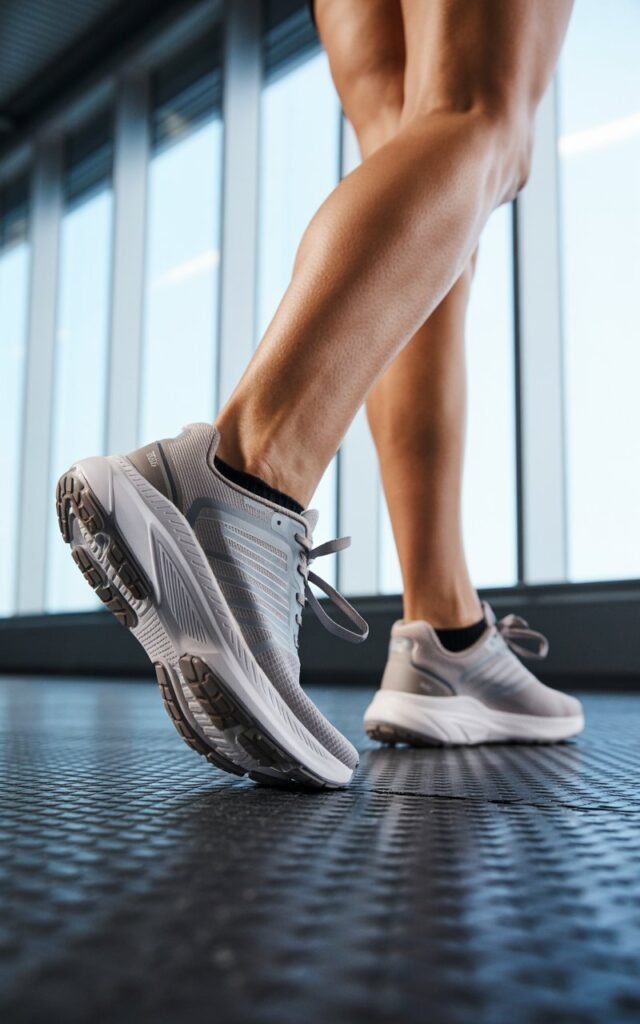
The foundation of every great workout starts from the ground up — with your shoes.
Investing in durable, supportive footwear isn’t just about style; it’s about performance, safety, and longevity.
When your shoes provide the right balance of stability and comfort, you move more efficiently and reduce your risk of injury.
Proper workout shoes help stabilize your feet during exercises like squats, lunges, or sprints, giving you a solid base to generate power.
They also cushion impact during jumps, runs, or HIIT movements, protecting your joints — especially your knees, hips, and ankles — from long-term strain.
Whether you’re training at home, lifting weights at the gym, or running outdoors, your footwear should adapt to your activity.
For example, cross-training shoes are perfect for versatile routines, offering grip and lateral support for quick direction changes.
Running shoes are designed for forward motion, with excellent cushioning and shock absorption to handle repetitive impact.
If you’re into weightlifting, a flat, firm sole helps you stay balanced and grounded while pushing heavy loads.
It’s also important to consider breathability and fit. Look for shoes made from lightweight, mesh materials that promote airflow and prevent overheating.
A snug yet flexible fit ensures your feet don’t slide inside the shoe, reducing friction and the chance of blisters.
And don’t forget durability — shoes with reinforced soles and quality stitching can withstand intense sessions without wearing down quickly.
Ultimately, good footwear is an investment in your body’s long-term performance.
Choosing the right pair means you can train harder, recover faster, and stay consistent without pain or setbacks — making your workouts not just more comfortable but far more effective.
2. Stylish Athleisure for Everyday Wear

Athleisure isn’t just a fashion trend — it’s a lifestyle choice that blends comfort, performance, and style into one effortless look.
For those who love to stay active but also want to look put-together throughout the day, athleisure wear offers the perfect balance.
It allows you to move seamlessly from your morning workout to errands, coffee dates, or even casual work settings without needing a full outfit change.
The key to mastering stylish athleisure lies in choosing versatile, well-fitted pieces that flatter your body while maintaining functionality.
Think high-waisted leggings that sculpt your figure and provide gentle compression, or breathable joggers with a tapered ankle design that keeps your silhouette sleek.
Pair these with moisture-wicking tops, cropped hoodies, or oversized sweatshirts for that relaxed yet chic aesthetic.
Color coordination also plays a big role in elevating your athleisure game.
Neutral tones like black, beige, and gray exude a polished look, while pastel shades or muted earth tones add a soft, feminine vibe.
Don’t shy away from textured fabrics — ribbed materials, subtle prints, or matte finishes can make your outfit look more intentional and less like standard gym wear.
Accessories can take your athleisure outfit from casual to effortlessly stylish. Add a sleek pair of white sneakers, a crossbody bag, or a baseball cap for a street-style edge.
For cooler days, throw on a lightweight bomber jacket or denim layer to complete the ensemble.
The beauty of athleisure is that it gives you freedom and confidence — you look great while feeling comfortable and capable.
Whether you’re heading to the gym, the grocery store, or brunch with friends, stylish athleisure lets you embody an active, health-conscious lifestyle without sacrificing fashion.
3. Moisture-Wicking Leggings for Intense Workouts
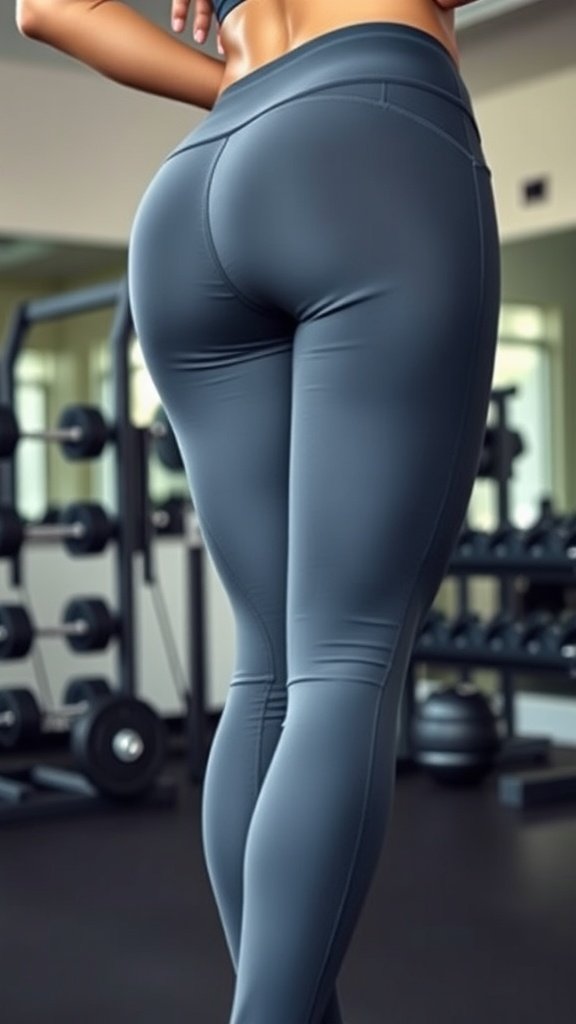
When it comes to workouts that push your limits — whether it’s HIIT, strength training, or hot yoga — moisture-wicking leggings are an absolute game-changer.
Unlike regular cotton leggings that trap heat and sweat, these are designed with advanced performance fabrics that keep you cool, dry, and comfortable, no matter how hard you train.
The secret lies in their technical fabric composition, usually a blend of polyester, nylon, and spandex.
These materials pull moisture away from your skin and allow it to evaporate quickly, preventing that sticky, overheated feeling during exercise.
Plus, the added stretch ensures maximum flexibility and freedom of movement, so you can lunge, squat, or sprint without restriction.
When choosing moisture-wicking leggings, look for ones with a high waistband — not only does it provide core support, but it also stays in place throughout dynamic movements.
Flatlock seams are another must-have feature, as they minimize friction and prevent chafing during long sessions.
For extra confidence and durability, opt for leggings that include compression zones, which help improve circulation and muscle recovery while offering a sleek, sculpted look.
Color and design can also boost motivation. Many athletes find that dark, matte finishes are more slimming and versatile, while vibrant patterns or contour lines accentuate curves and make your workout feel a bit more exciting.
A hidden pocket for your phone or keys is a nice bonus, especially if you’re training outdoors or at the gym.
The best part? Moisture-wicking leggings aren’t just for workouts — they transition effortlessly into casual wear.
Pair them with a loose crop top, longline sports bra, or light hoodie, and you’ve got an outfit that’s equal parts athletic and stylish.
These leggings aren’t just clothing — they’re a performance investment. They help regulate temperature, enhance endurance, and make even the toughest workouts feel more manageable.
Once you’ve experienced a high-quality pair, you’ll never want to go back to ordinary cotton ones.
4. Supportive Sports Bras for Every Activity
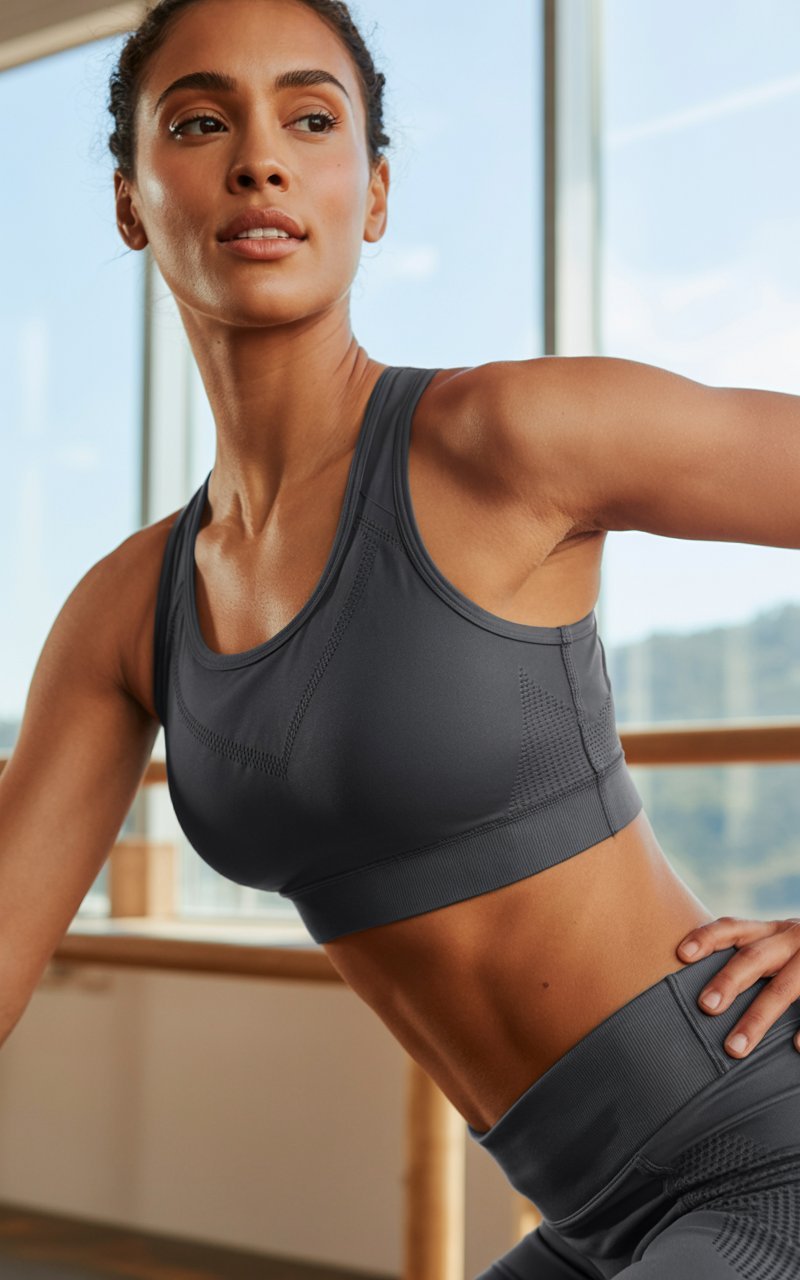
A truly effective workout wardrobe starts with one essential foundation piece — a supportive sports bra.
Whether you’re lifting weights, running, or flowing through a yoga session, the right sports bra doesn’t just offer comfort; it directly impacts performance, posture, and confidence.
Many women overlook this piece of workout gear, but it’s one of the most important investments you can make for both your comfort and long-term breast health.
Unlike regular bras, sports bras are engineered to minimize bounce, reduce strain on the chest and shoulders, and maintain proper alignment through movement.
This isn’t just about aesthetics — it’s about preventing tissue damage, discomfort, and fatigue during workouts.
The ideal sports bra will distribute impact evenly across your torso while still allowing you to breathe and move freely.
When choosing a supportive sports bra, the key is matching the level of support to your activity type:
- Low-impact bras are best for activities like yoga, Pilates, or stretching. They’re usually made with soft, breathable fabrics and lighter compression.
- Medium-impact bras are great for cycling, strength training, or dance — they strike a balance between support and flexibility.
- High-impact bras are essential for running, HIIT, or plyometric workouts. These provide structured support, often with encapsulated cups or reinforced straps to handle more movement.
Look for details that make a difference in both comfort and function — wide, padded straps to reduce shoulder pressure, a broad underband for better lift, and breathable mesh panels that wick away sweat.
Adjustable clasps or racerback designs can also make a big difference in fit and mobility.
Another often-overlooked factor is fabric technology. Moisture-wicking, quick-drying materials prevent chafing and odor buildup, while elastic blends maintain shape even after dozens of washes.
Avoid cotton for high-intensity sessions, as it traps moisture and loses elasticity over time.
For women with fuller busts, encapsulation-style sports bras — where each cup is separately supported — are ideal for preventing movement without flattening your shape.
On the other hand, compression-style bras offer a sleek, body-hugging fit that’s perfect for smaller busts and moderate activities.
Ultimately, your sports bra should make you feel secure, strong, and free to move. If you find yourself adjusting it mid-workout or feeling strain around your shoulders, it’s a sign to upgrade.
Treat it like any other key piece of workout equipment — it’s there to support your strength, not limit it.
5. Layering Techniques for Changing Weather
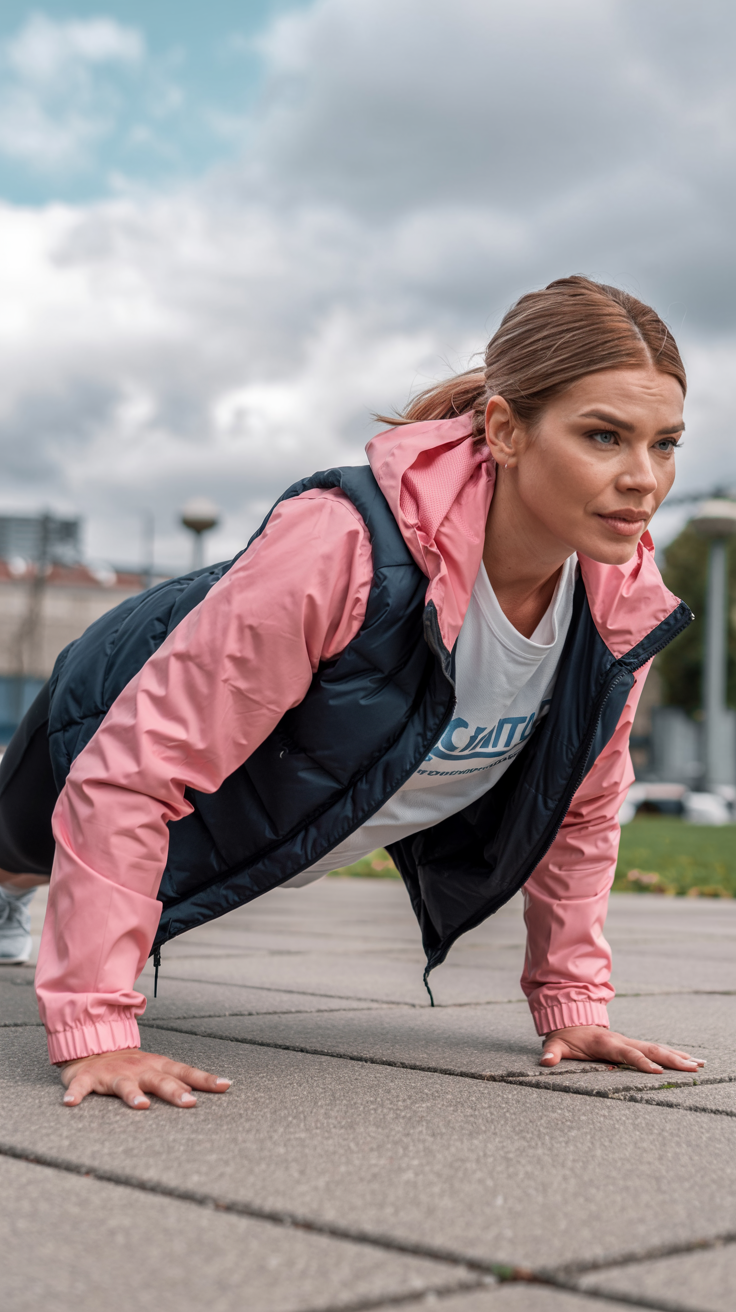
If you train outdoors or love staying active no matter the season, mastering the art of layering is non-negotiable.
The right layering technique keeps your body temperature steady, your muscles warm, and your comfort intact — whether you’re on an early-morning run, mid-hike, or cooling down after a tough workout.
Many people make the mistake of throwing on random sweatshirts or jackets, but effective layering is a science of fabric, function, and fit.
Start with your base layer — this is the piece that sits closest to your skin and manages moisture. Choose a lightweight, moisture-wicking fabric such as polyester, merino wool, or nylon blends.
The goal is to draw sweat away from your skin so you stay dry, not damp and cold. Avoid cotton completely; it absorbs sweat and will chill your body quickly once the temperature drops.
Next comes your mid-layer, which traps body heat without adding bulk. This is your insulation — think of fleece pullovers, lightweight down vests, or thermal hoodies.
Look for stretchable options that move with your body, especially if you’re running or strength training outside.
The mid-layer should keep you warm but still breathable enough to let excess heat escape.
Your outer layer is your defense against wind, rain, and unpredictable weather. A wind-resistant shell or waterproof jacket makes all the difference when the temperature suddenly shifts or clouds roll in.
For transitional weather, a lightweight windbreaker or softshell jacket can offer protection without overheating you.
If you live in colder climates, keep an insulated weatherproof coat handy for those harsh winter days.
A pro tip that many athletes use: dress as though it’s 10–15 degrees warmer than it actually is. Your body temperature will rise once you start moving, so layering strategically prevents overheating mid-workout.
And if you’re not sure, go with removable layers — zip-up styles, adjustable hoods, and thumb-hole sleeves make it easy to adapt as your body warms up.
You can also layer textures and fits for style and function. Pair slim-fit leggings with a longer, looser mid-layer top and a cropped jacket for a balanced silhouette.
This not only looks great but helps airflow and freedom of movement.
Proper layering doesn’t just make outdoor workouts more comfortable — it can also protect your muscles from strain, reduce fatigue, and help you recover faster by keeping your body temperature consistent.
The right setup turns a chilly morning or windy evening into a powerful, focused training session.
6. Eco-Friendly Options for Sustainable Fitness
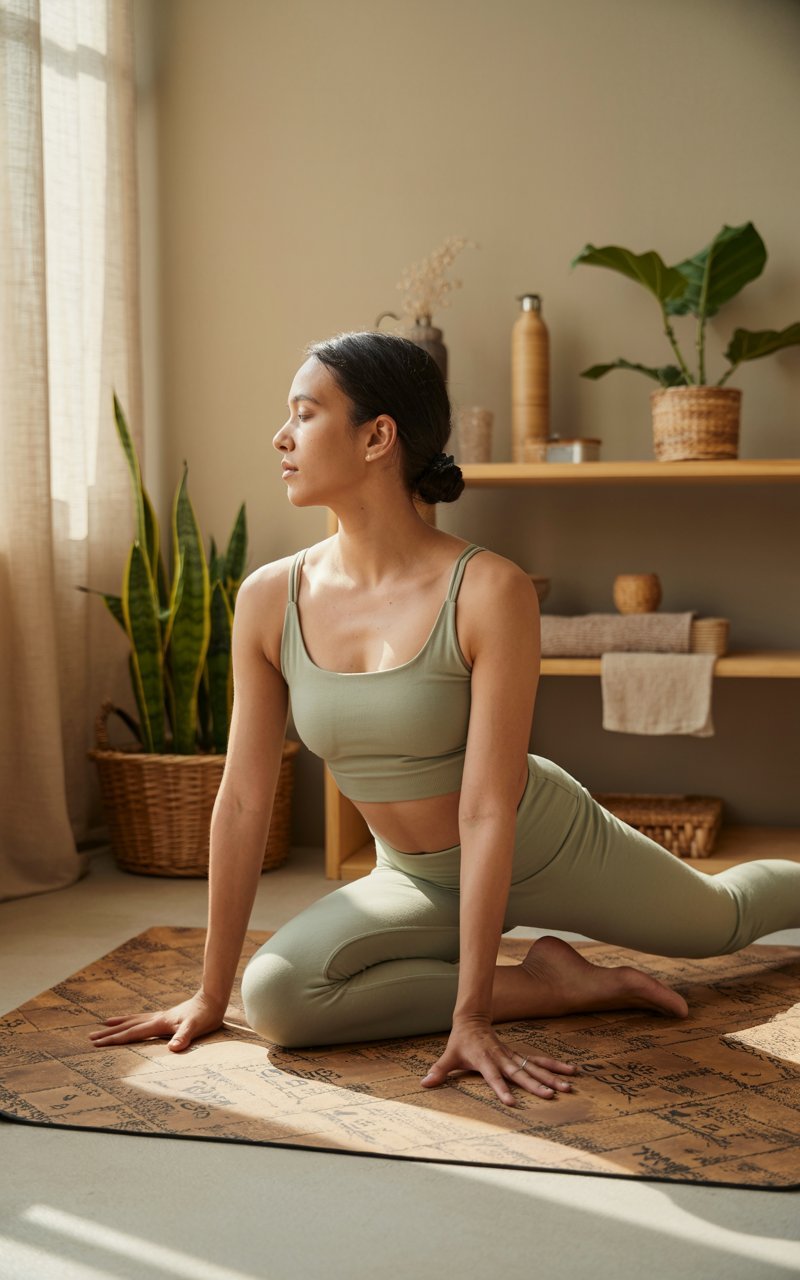
In a world where sustainability is becoming more than a trend, incorporating eco-friendly choices into your fitness lifestyle is one of the most empowering steps you can take.
It’s not just about protecting the planet — it’s about aligning your health goals with mindful living.
Every workout choice, from the clothes you wear to the equipment you use, can have an impact on the environment.
The good news? Sustainable fitness doesn’t mean sacrificing performance or style — it means being intentional about what you buy, how you use it, and how long it lasts.
Let’s start with your workout gear. Fast fashion often dominates the activewear industry, but many brands now offer eco-conscious alternatives made from recycled polyester, bamboo, and organic cotton.
These materials are not only breathable and durable but also help reduce plastic waste and water pollution.
When possible, choose brands that are transparent about their manufacturing ethics — look for certifications like GOTS (Global Organic Textile Standard) or OEKO-TEX, which ensure non-toxic dyes and sustainable production.
Next, think about your fitness accessories and equipment. Swap out synthetic yoga mats for those made from natural rubber or cork, which provide excellent grip and biodegrade naturally.
Resistance bands made from natural latex instead of plastic-based rubber are another eco-friendly option.
Even small swaps — like stainless steel water bottles instead of disposable plastic — add up to big environmental savings over time.
Another overlooked area is energy use. You can reduce your carbon footprint by exercising outdoors more often instead of always relying on the gym.
Outdoor workouts not only conserve electricity but also give you a mental and physical boost from natural sunlight and fresh air.
If you prefer the gym, choose facilities that use renewable energy or promote sustainable practices like recycling and energy-efficient lighting.
Your cleaning routine can also make a difference. Instead of harsh chemical sprays to wipe down your gear, try DIY natural disinfectant sprays made from vinegar, lemon, and essential oils. These alternatives are safer for your skin and the planet.
And finally, practice sustainable shopping habits — buy less, but better. High-quality, long-lasting activewear and equipment reduce waste and save you money over time.
Repair or repurpose old items whenever possible — turn worn leggings into headbands, or reuse old mats as padding for home workouts.
Choosing an eco-friendly approach to fitness is more than just a statement — it’s a lifestyle of respect for your body and the world you live in.
You’re not only training for strength and health; you’re also contributing to a cleaner, more responsible planet.
The key is progress, not perfection — every small sustainable decision counts toward a bigger, greener impact.
7. Breathable Fabrics for Optimal Performance
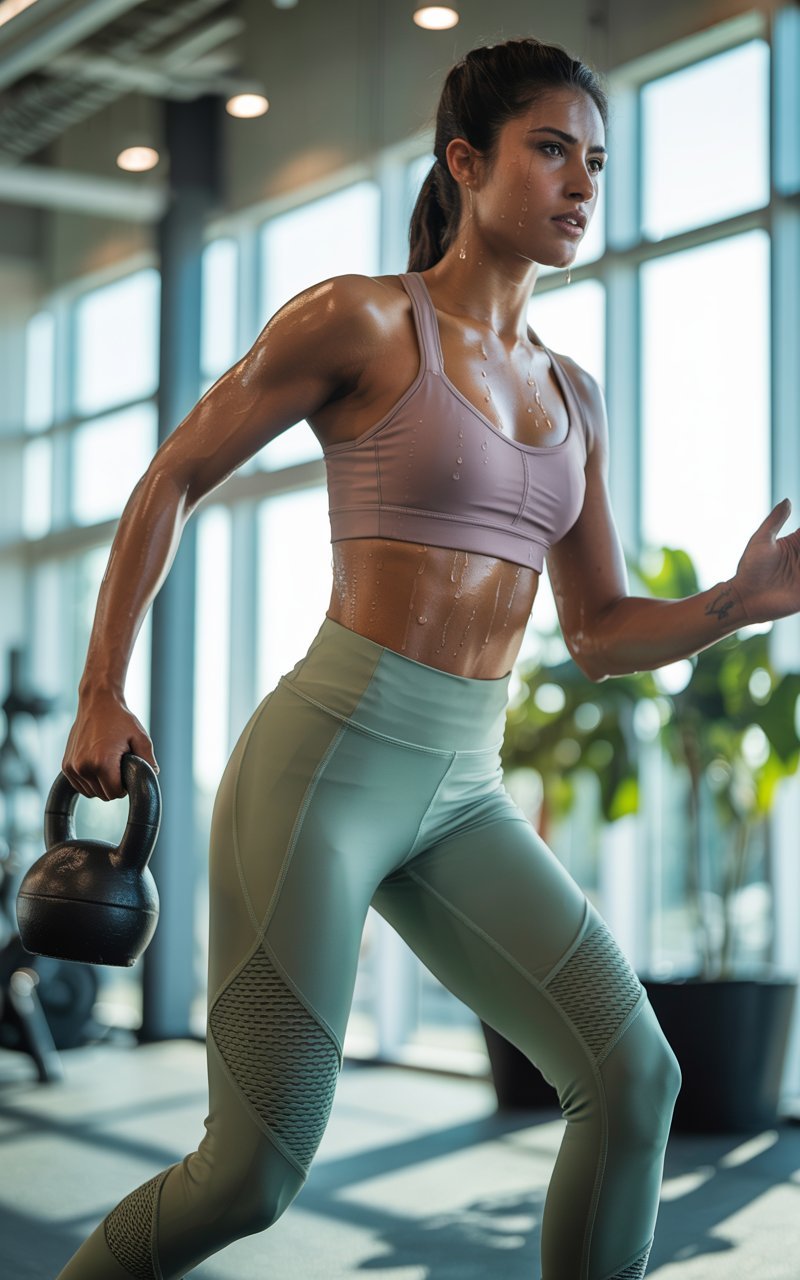
When it comes to performance wear, nothing makes or breaks your workout quite like the fabric you’re wearing.
Breathable fabrics aren’t just about comfort — they’re about enhancing endurance, regulating temperature, and preventing distractions that can throw off your focus mid-set.
The truth is, your clothes should work with your body, not against it. Whether you’re lifting, running, or doing yoga, the right fabric can drastically improve how you move, sweat, and recover.
Let’s start with what “breathable” really means. A breathable fabric allows air to circulate freely while wicking moisture away from your skin.
It helps sweat evaporate faster, keeping your body cool and dry — crucial for maintaining consistent energy levels during intense workouts.
Without proper ventilation, sweat gets trapped, which not only feels uncomfortable but can also lead to skin irritation, rashes, and odor buildup.
Some of the best breathable materials for workout wear include polyester blends, nylon, spandex, and bamboo fabrics. These materials are engineered for both flexibility and moisture control.
Polyester, for example, is lightweight and quick-drying, making it a favorite for runners and HIIT enthusiasts.
Nylon adds stretch and smoothness, while spandex ensures your outfit moves with you instead of restricting your range of motion.
Bamboo, on the other hand, is a natural option that’s both soft and antibacterial — perfect for sensitive skin or low-impact workouts like yoga or Pilates.
A good workout outfit should also balance ventilation and compression. Compression fabrics enhance circulation and muscle support but can trap heat if not designed properly.
Look for pieces with mesh panels, cutouts, or vented zones around high-sweat areas like the underarms, back, and knees. These design elements help heat escape while maintaining a sculpted, athletic fit.
Pay attention to weave density and layering as well. Lightweight, fine-knit fabrics are ideal for cardio or summer workouts, while slightly thicker weaves help in cooler conditions without suffocating your skin.
If you’re training outdoors, consider clothes with UV protection and moisture control technology, so you can perform longer under the sun without discomfort.
Finally, remember that fabric care affects breathability over time. Overwashing with heavy detergents or fabric softeners can clog the fibers, reducing airflow and moisture-wicking capability.
Stick to mild detergents, avoid heat drying, and air dry your performance wear to preserve its structure and stretch.
Investing in breathable fabrics isn’t just about luxury — it’s about performance optimization.
When your body feels dry, cool, and unrestricted, your mind can focus entirely on the workout.
You move better, recover faster, and stay motivated longer — and that’s exactly what smart training is all about.
8. Functional Accessories to Enhance Your Workout
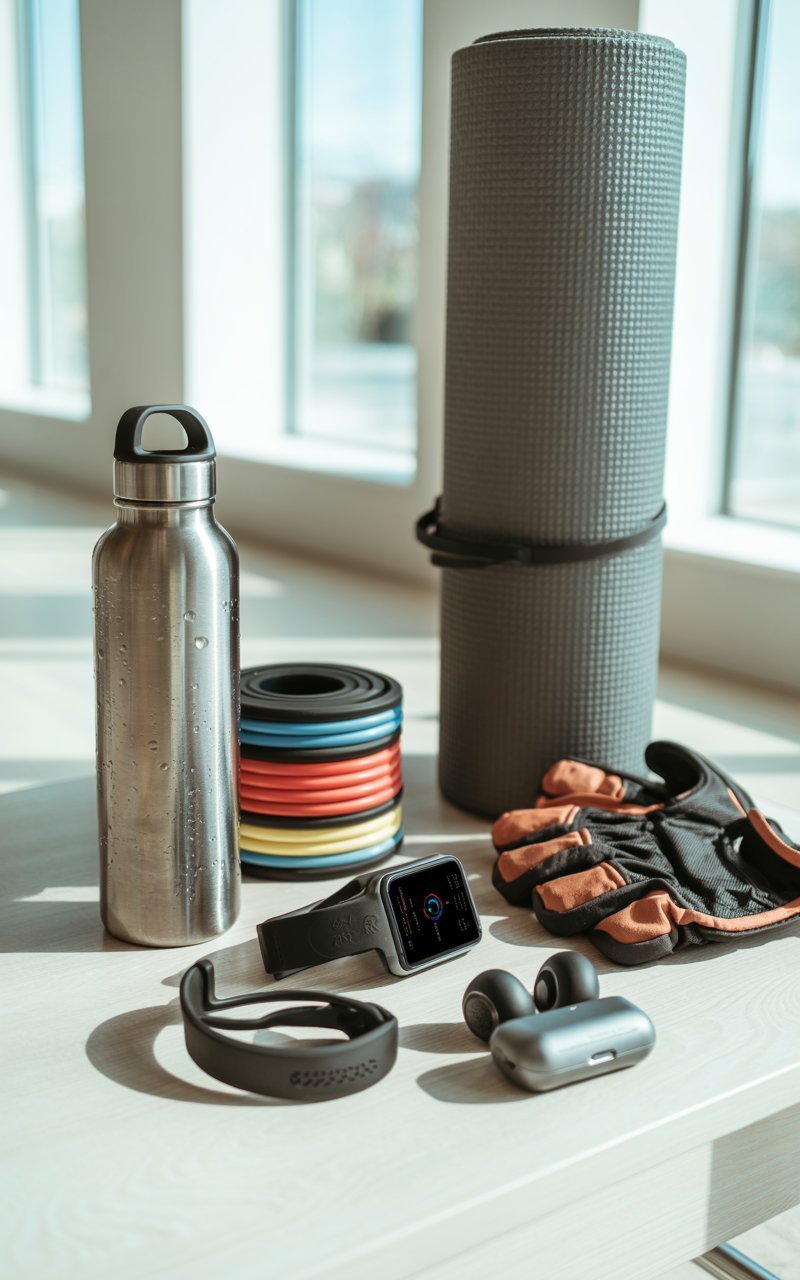
When it comes to building a truly effective fitness routine, it’s not just about the workouts or the gear — it’s also about the small, functional accessories that make every move more efficient and every session more rewarding.
These are the tools that bridge the gap between effort and results. Whether you’re training at home or in the gym, the right accessories can improve your form, protect your body, and help you stay consistent over time.
Let’s start with the basics — resistance bands. They’re lightweight, affordable, and incredibly versatile. Resistance bands can replace or supplement dumbbells, allowing you to target muscles more precisely while engaging your stabilizers.
From glute activation to upper-body strength, these bands help build lean, toned muscle while reducing strain on joints. Plus, they’re easy to store and perfect for small spaces, travel workouts, or quick warm-ups.
Next, consider investing in a quality yoga mat. Even if you’re not into yoga, a non-slip, cushioned mat provides a stable foundation for everything from core workouts to mobility training.
Look for mats made of eco-friendly materials like cork or natural rubber — they’re durable, comfortable, and sustainable.
For strength training enthusiasts, lifting gloves or grip pads are game changers. They prevent calluses, improve grip on weights, and reduce slippage when your hands get sweaty.
This not only makes your workouts safer but also helps you lift heavier with better confidence.
If you’re serious about tracking your progress, a fitness watch or heart rate monitor is worth the investment. These devices help you understand your effort levels, recovery rate, and overall performance.
You can monitor calories burned, heart rate zones, and even sleep quality — data that helps you train smarter, not just harder.
Hydration is another area people often underestimate. A stainless steel or BPA-free reusable water bottle keeps your drink cool, reduces plastic waste, and reminds you to stay hydrated throughout your session.
For longer outdoor workouts, hydration belts or backpacks make it easier to sip without breaking stride.
Other accessories like foam rollers, massage balls, and stretching straps play a big role in recovery.
Incorporating these tools after your workouts helps relieve muscle tightness, increase flexibility, and prevent soreness — essential for consistency and injury prevention.
Finally, don’t overlook practical additions like a durable gym bag with separate compartments for shoes, clothes, and gear, or wireless earbuds that let you move freely with motivating playlists or guided workouts.
Small conveniences like these might seem minor, but they make your routine smoother and more enjoyable — and that’s often what keeps people showing up.
At the end of the day, functional accessories aren’t just add-ons — they’re part of your fitness system. Each one contributes to your comfort, performance, and progress in its own way.
When chosen thoughtfully, they help you move better, recover faster, and stay focused on your goals.
Why Workout Clothes Are Necessary
Many people underestimate the importance of proper workout clothes, thinking any old T-shirt and shorts will do.
However, wearing the right gear can significantly improve performance, comfort, and safety during exercise.
Whether you’re training at home, in the gym, or outdoors, the right workout clothes are more than just a fashion statement—they’re a functional tool that helps you get the most out of your workouts.
1. Comfort and Freedom of Movement
Workout clothes are designed to allow full range of motion, helping you perform exercises correctly without restriction.
Clothes that are too tight or too loose can hinder movement, cause chafing, or make it difficult to maintain proper form.
- Tip: Look for breathable fabrics with stretch, like spandex or performance blends, that move with your body.
2. Moisture-Wicking and Temperature Control
During exercise, your body sweats to regulate temperature. Workout clothes made from moisture-wicking fabrics pull sweat away from your skin,
keeping you dry and preventing irritation. Proper clothing also helps regulate temperature, keeping you warm during cooler workouts and cool when it’s hot.
3. Prevents Skin Irritation and Injuries
Wearing the wrong clothing can lead to chafing, rashes, or even blisters, especially during high-intensity or long-duration workouts.
Compression gear can support muscles and improve blood flow, reducing fatigue and the risk of strains or soreness.
4. Enhances Performance
Believe it or not, what you wear can affect your workout performance.
Compression shirts and leggings can improve posture, enhance muscle activation, and support recovery.
Lightweight, breathable clothing allows you to move faster and focus on your exercises instead of adjusting uncomfortable clothes.
5. Safety and Visibility
For outdoor workouts, especially early morning or evening runs, workout clothes with reflective elements keep you visible to vehicles and other pedestrians.
Bright colors or reflective strips can prevent accidents and enhance safety.
6. Boosts Motivation and Confidence
When you feel good in your workout gear, you’re more likely to stick to your routine.
Proper clothing boosts confidence, makes exercising enjoyable, and encourages you to train harder.
A fresh, functional outfit can even psychologically prepare you for a focused workout session.
7. Adaptable for Different Workouts
Different exercises demand different gear. For example:
- Running: Breathable, moisture-wicking clothes and proper shoes
- Yoga/Pilates: Stretchy, flexible fabrics for unrestricted movement
- Strength Training: Comfortable, supportive clothing for lifting heavy weights
- HIIT/High-Intensity Workouts: Lightweight, breathable gear that manages sweat and heat

FAQs
1. Can I work out in regular clothes instead of workout gear?
Technically, yes, but regular clothes may restrict movement, cause chafing, and trap sweat, making workouts uncomfortable and less effective.
Proper workout clothes improve comfort, mobility, and performance.
2. What makes workout clothes different from regular clothes?
Workout clothes are typically made from breathable, moisture-wicking, and stretchable fabrics that move with your body, regulate temperature, and reduce irritation during exercise.
Some pieces also provide compression for muscle support.
3. Do workout clothes actually improve performance?
Yes. Compression gear can enhance blood flow, support muscles, and reduce fatigue.
Clothing that allows full range of motion ensures better form, which improves strength, endurance, and overall effectiveness of exercises.
4. Are expensive workout clothes necessary?
Not always. The key is to look for quality, functional fabrics rather than brand names.
Affordable options with moisture-wicking, stretchy, and breathable material work just as well for effective workouts.
5. Why is moisture-wicking important?
Moisture-wicking fabrics pull sweat away from your skin, keeping you dry and preventing chafing, irritation, and discomfort. This is especially important during high-intensity or long workouts.
6. Can workout clothes prevent injuries?
Yes. Compression leggings or shirts can support muscles and joints, reducing strain and fatigue. Proper shoes and gear also help prevent slips, blisters, and joint injuries.
7. Do I need different clothes for different types of workouts?
Ideally, yes. Flexibility, support, and breathability are important depending on the workout type:
- Yoga/Pilates: Stretchy, flexible fabrics
- Running: Lightweight, breathable, and reflective gear
- Strength Training: Supportive, non-restrictive clothing
- HIIT/High-Intensity Workouts: Sweat-wicking and cooling fabrics
8. Can wearing the right workout clothes motivate me to exercise?
Absolutely.
Feeling comfortable, confident, and ready in the right gear can boost motivation, improve focus, and make workouts more enjoyable, increasing consistency over time.
Final Thought
Workout clothes are far more than a style choice—they’re an essential tool for anyone serious about fitness.
Wearing the right gear impacts your comfort, performance, and even safety during exercise.
Ill-fitting or non-breathable clothing can restrict movement, cause chafing, and distract you from your workouts, while high-quality,
purpose-built apparel allows you to move freely, maintain proper form, and focus fully on your training goals.
Beyond comfort and functionality, proper workout clothes can improve performance and recovery.
Compression gear, for example, supports muscles, enhances circulation, and can reduce fatigue during high-intensity or long-duration exercises.
Breathable, moisture-wicking fabrics help regulate body temperature, keep you dry, and prevent irritation, allowing you to push harder without discomfort.
This is especially important during strength training, HIIT workouts, running, or outdoor exercises in extreme weather conditions.
Another benefit of workout clothes is psychological. Feeling confident and prepared in your gear can significantly boost motivation and consistency.
When you look and feel ready for your workout, you’re more likely to stick to your routine, push through challenging sets, and stay committed over the long term.
Proper clothing creates a sense of purpose and professionalism in your workouts, which can translate into better results.
Workout clothes also enhance safety, particularly for outdoor or high-intensity exercises.
Reflective strips or bright colors make you more visible during early morning or evening runs, while supportive shoes prevent slips, blisters, and joint strain.
Stretchable and supportive fabrics reduce the risk of injury by allowing your body to move naturally and absorb impact more effectively.
Bottom Line: Investing in proper workout clothes is investing in your fitness journey. They help you train smarter, move better, reduce injury risk, and stay motivated, all while making exercise more enjoyable.
Whether you’re working out at home, in a gym, or outdoors, the right apparel can make a noticeable difference in your results and consistency.
Don’t underestimate the impact of high-quality, functional clothing—it’s a small but powerful step toward achieving your fitness goals and building a healthier, stronger, and more confident you.