When winter arrives, it brings with it cozy sweaters, chilly nights, and an irresistible urge to curl up with warm, comforting food.
Unfortunately, that comfort often comes in the form of heavy, carb-loaded meals that can easily sabotage your weight loss progress.
The cold weather tends to make us crave calorie-dense foods and move less, but the good news is — you don’t have to choose between staying warm and staying fit.
With the right approach, winter can actually be a great time to focus on your nutrition goals. That’s where high-protein, low-calorie meals come in.
Protein is a true game-changer during the colder months — it keeps you full longer, stabilizes your blood sugar levels, and supports muscle maintenance even when your activity level dips.
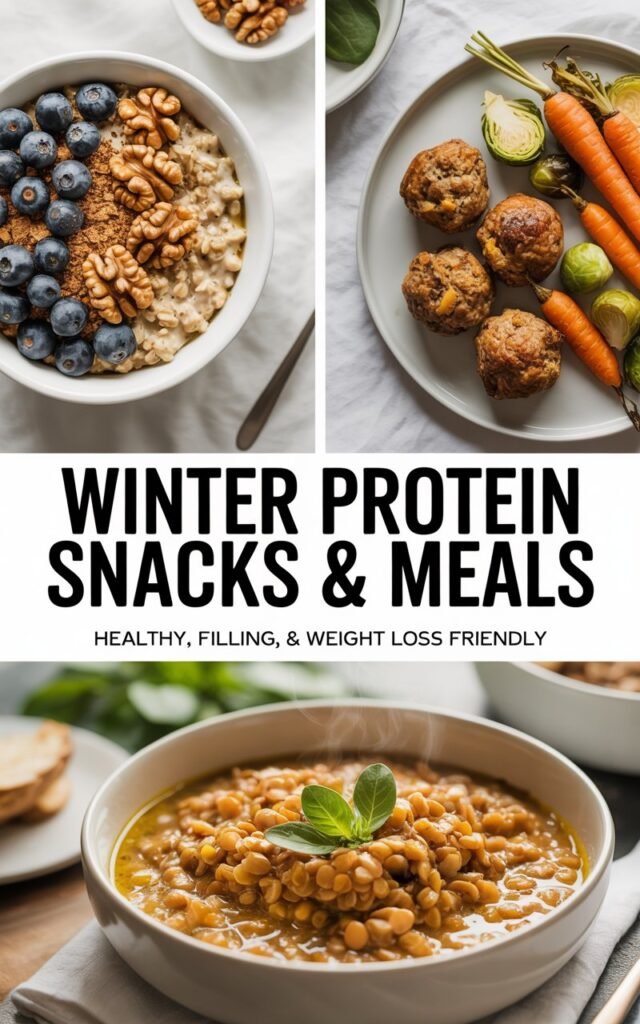
It also helps your body burn more calories during digestion, giving your metabolism a natural boost when you need it most.
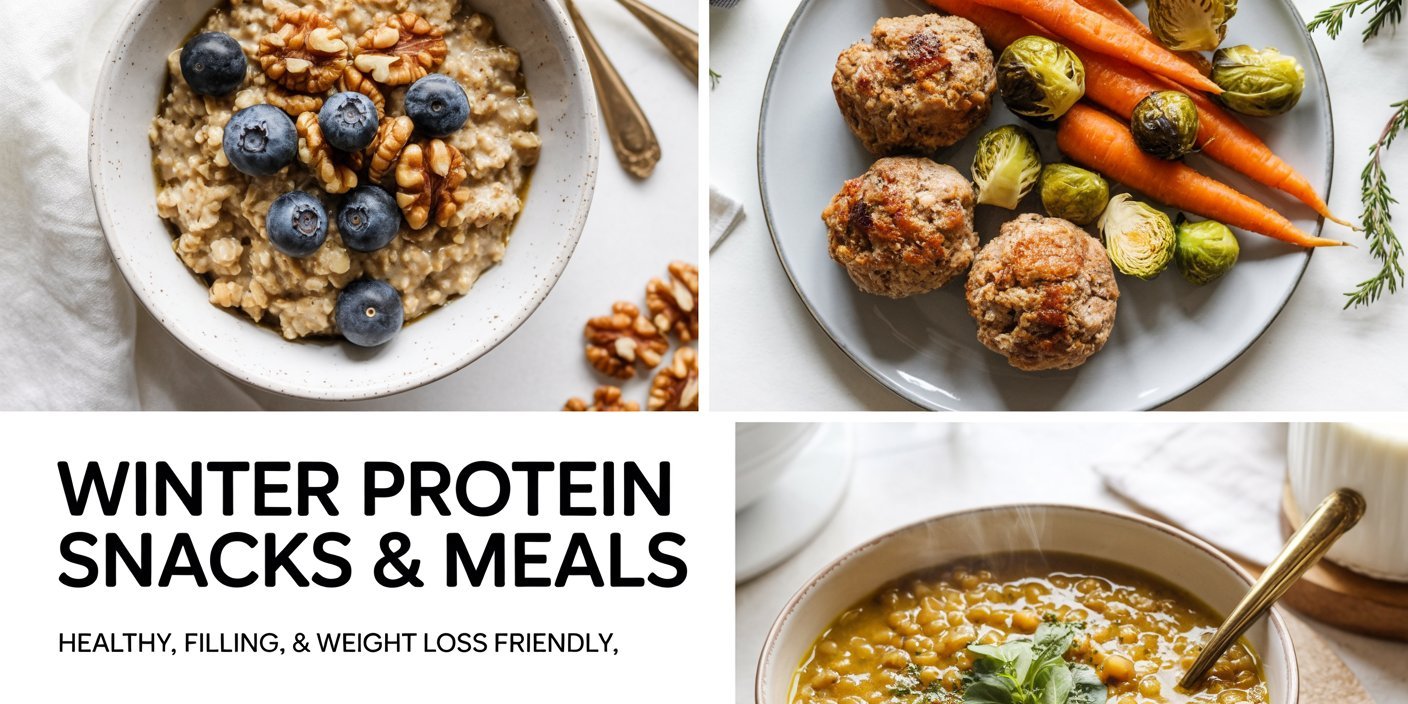
In this comprehensive guide, we’ll explore the best winter protein snacks and meals designed specifically to promote weight loss while keeping you energized and satisfied.
You’ll discover easy, nourishing recipes that are perfect for breakfast, lunch, dinner, and everything in between — from hearty soups and stews to portable protein bites that make healthy eating simple, no matter how busy your day gets.
We’ll also break down:
- Warming breakfast ideas like protein pancakes, Greek yogurt bowls, and egg scrambles.
- Comforting lunches and dinners such as chicken and lentil soups, baked salmon, and tofu stir-fries.
- On-the-go snacks like roasted chickpeas, jerky, and protein bars that curb cravings the healthy way.
- Meal prep tips and portion tricks to help you stay consistent throughout the season.
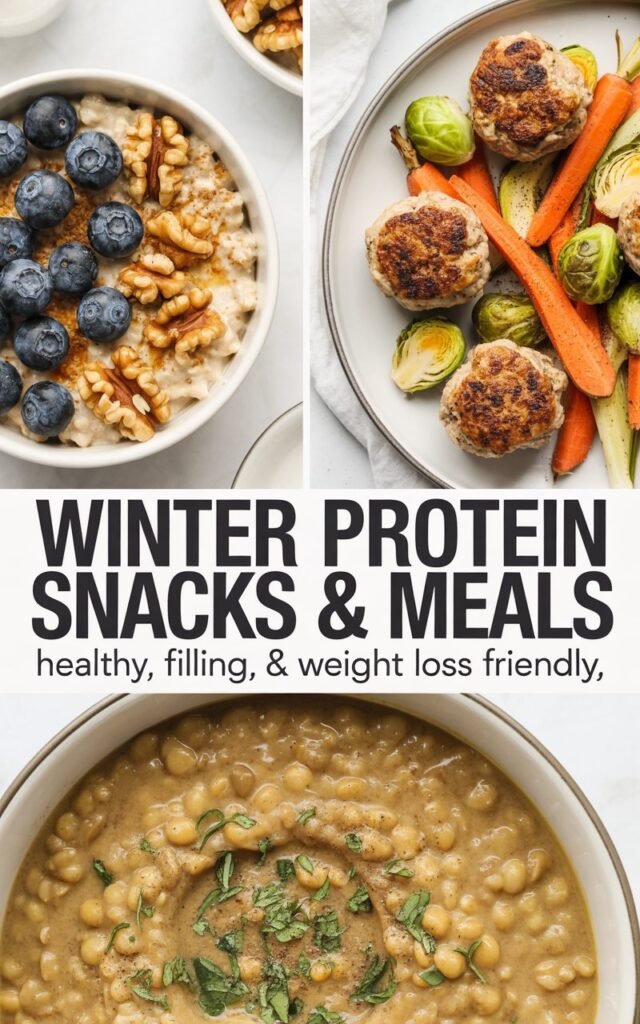
Whether you follow a vegan, vegetarian, or omnivore diet, these high-protein, low-calorie ideas can fit perfectly into your lifestyle.
By choosing smart, nutrient-rich meals, you’ll not only support your weight loss goals but also strengthen your immune system, improve recovery, and feel your best through the cold months.
So, grab your favorite cozy blanket and get ready to learn how to keep your winter meals satisfying, balanced, and protein-packed — without the extra calories or guilt.
This post may contain affiliate links. If you click and make a purchase, we may earn a small commission — at no extra cost to you. Every protein snack, meal, and supplement we recommend is carefully chosen to help you stay full, burn fat, and reach your weight loss goals faster — all while enjoying delicious, cozy winter-friendly options.
Amazon Protein Snacks & Meals for Winter Weight Loss I Recommend
Want to Stay Warm, Full, and Fit This Winter?
These Amazon favorites make it easy to enjoy high-protein, low-calorie snacks and meals that boost metabolism and help with weight loss. Check them out below and stock up for the season!
| Product | Why You’ll Love It | Shop Now |
|---|---|---|
| Protein Soup Mix | Warm, comforting, and packed with protein — perfect for cold winter days. | Check Price on Amazon |
| Protein Oatmeal Cups | Quick, filling, and ideal for breakfast or post-workout meals. | View on Amazon |
| High-Protein Snack Bars | Easy grab-and-go snacks to keep your metabolism active through the day. | Shop Now |
| Peanut Butter Powder | Add to shakes, oats, or recipes for delicious low-calorie protein flavor. | Buy on Amazon |
| Blender | Blend warm shakes and smoothies effortlessly for high-protein comfort drinks. | See Details |
| Meal Prep Containers | Prepare and store protein-rich winter meals to stay consistent with your goals. | Check Price on Amazon |
These are the same high-protein foods and tools I recommend for losing weight and staying energized all winter long. Grab them today and make your healthy eating easier!
1. Why You’ll Love Protein Snacks for Weight Loss
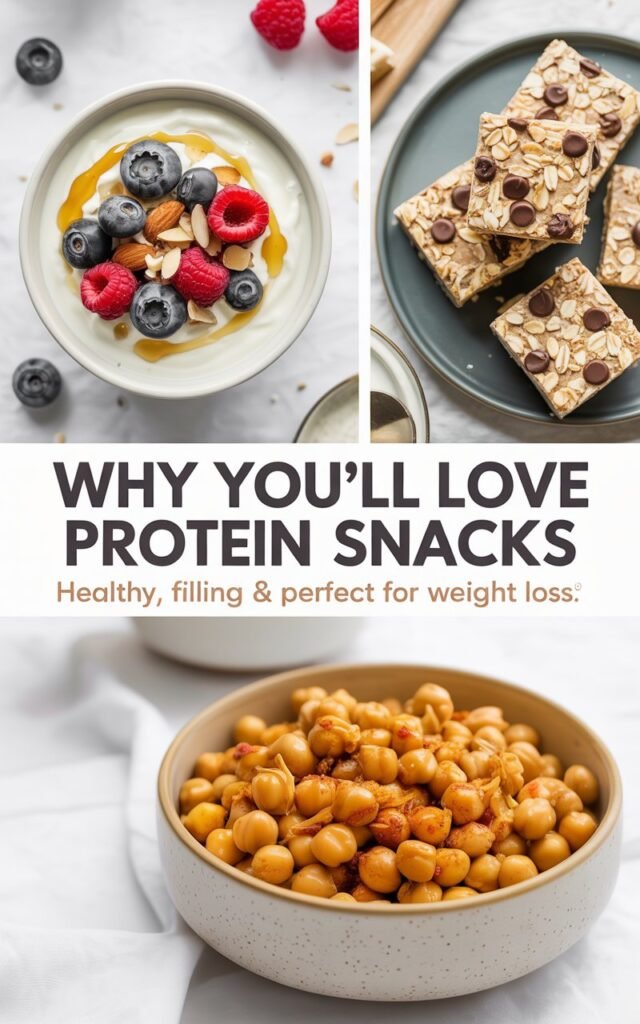
Protein snacks aren’t just another trend — they’re a game-changer for anyone trying to lose weight, especially during the winter months.
When the cold weather hits, our bodies naturally crave comfort foods, carbs, and heavier meals.
That’s where protein snacks come in. They satisfy your hunger, stabilize blood sugar, and keep your energy steady so you don’t end up bingeing on less nutritious options.
For me, incorporating protein snacks into my day completely changed the way I approach winter eating. Instead of reaching for cookies, chips, or overly processed treats, I have something nourishing ready that fills me up and actually helps my body burn fat.
The combination of protein, healthy fats, and sometimes a touch of fiber tricks your body into feeling satisfied for longer periods, which makes weight loss easier and less stressful.
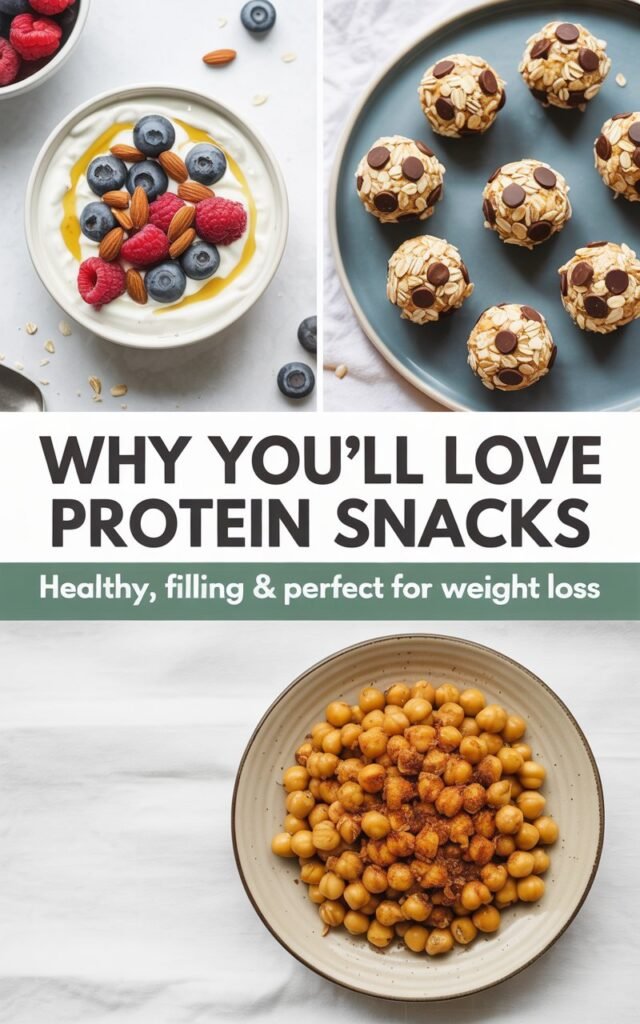
These snacks aren’t just for people who are already healthy either. They work for anyone — those recovering from illness, dealing with fatigue, or managing blood sugar issues — because they’re gentle on the system and keep your metabolism active without overwhelming your body.
Plus, they’re incredibly versatile. You can have something warm and cozy like a protein-packed soup, a filling yogurt parfait, or a savory nut and cheese combo.
The best part? You don’t have to compromise taste for nutrition. Protein snacks can be delicious, flavorful, and easy to make at home — and they keep you on track without
feeling like you’re missing out. In short, protein snacks are the secret weapon for staying full, energized, and on top of your weight-loss goals all winter long.
2. Why Protein Matters in Winter
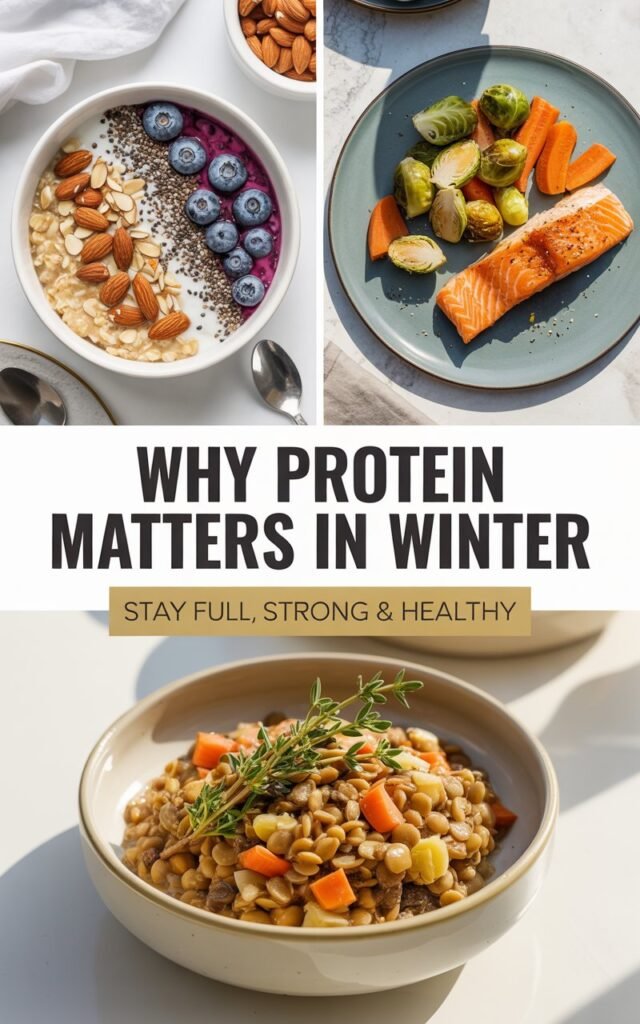
When temperatures drop, your body works harder to stay warm, maintain energy, and fight off seasonal fatigue.
That’s where protein plays a vital role.
It’s not just for muscle growth — protein supports immunity, metabolism, and recovery, making it especially important during the colder months.
Supports Muscle Maintenance and Strength
Winter often leads to lower physical activity levels. With fewer outdoor workouts or reduced movement, there’s a risk of losing lean muscle mass.
Protein helps counteract this by preserving muscle tissue and promoting repair after any exercise, even light at-home routines.
Maintaining muscle also helps keep your metabolism active — meaning your body continues to burn calories efficiently even at rest.
Boosts Immunity During Cold Season
A strong immune system is crucial in winter when colds and flu are more common. Protein provides the amino acids your body needs to produce antibodies and immune cells.
Without enough protein, your body’s defense system weakens, making you more prone to infections and slower recovery times.
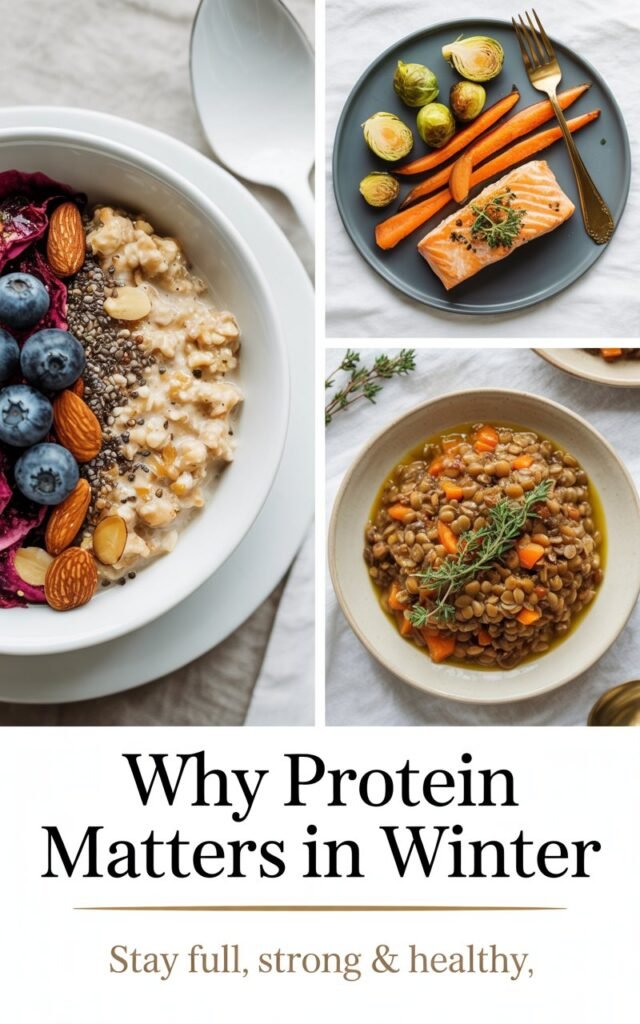
Keeps You Feeling Full and Energized
Cold weather can trigger cravings for comfort foods — often high in carbs and sugars.
Including enough protein in your meals helps balance hunger hormones, keeping you full for longer and preventing overeating.
It also provides steady energy throughout the day, so you don’t experience mid-afternoon slumps or constant snacking urges.
Aids in Recovery and Repair
Winter workouts can be tougher on the joints and muscles due to stiffness and cooler air. Protein helps repair microtears in muscle fibers, speeds up recovery, and reduces soreness.
Whether you’re lifting weights, doing yoga indoors, or shoveling snow outside, your body relies on protein to rebuild and recover efficiently.
Supports Hair, Skin, and Nail Health
Cold weather can dry out your skin and hair.
Protein, especially from sources like eggs, fish, and legumes, provides the building blocks (keratin and collagen) that keep your skin firm, your hair strong, and your nails healthy.
Pairing protein with good hydration and healthy fats can make a noticeable difference in how your skin and hair handle winter dryness.
3. Best Winter Protein Snacks
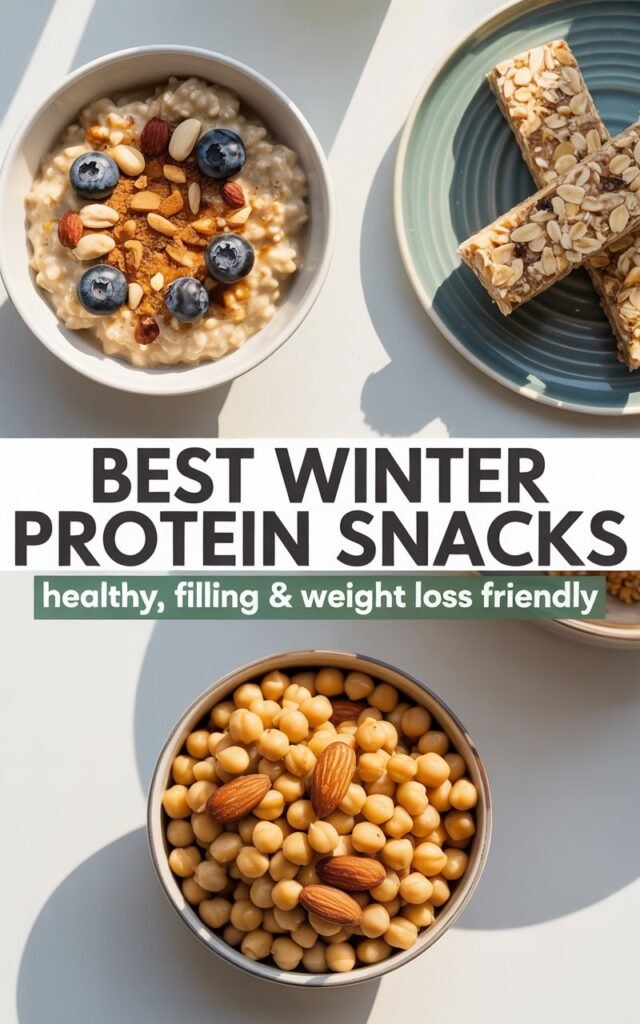
Cold days often bring stronger cravings and a desire for warm, satisfying foods.
Choosing high-protein winter snacks can help keep your energy stable, curb hunger, and support muscle recovery — all while giving you that cozy comfort your body craves.
Whether you’re working from home, hitting the gym, or relaxing by the heater, these smart protein-rich options will keep you nourished and satisfied all season long.
1. Greek Yogurt with Nuts and Honey
Thick, creamy Greek yogurt is packed with protein and probiotics that support gut health and immunity.
Add a drizzle of honey for natural sweetness and a handful of nuts like almonds or walnuts for crunch and healthy fats.
It’s a perfect balance of protein, carbs, and fats that keeps you full for hours.
2. Hard-Boiled Eggs
Simple, portable, and nutrient-dense, hard-boiled eggs are a classic winter protein snack.
They’re rich in high-quality protein, vitamins D and B12, and healthy fats — all essential for maintaining energy and mood when sunlight is limited.
Sprinkle with a pinch of salt or chili flakes for extra flavor.
3. Roasted Chickpeas
Crispy roasted chickpeas are an excellent plant-based protein snack that’s high in fiber and satisfying crunch.
Season them with spices like paprika, garlic powder, or cayenne for a warm, savory twist that beats packaged chips any day.
4. Cottage Cheese with Berries or Cinnamon
Cottage cheese is a slow-digesting protein powerhouse, ideal for keeping hunger at bay.
Pair it with antioxidant-rich berries for a refreshing option, or sprinkle some cinnamon for a cozy, winter-inspired flavor.
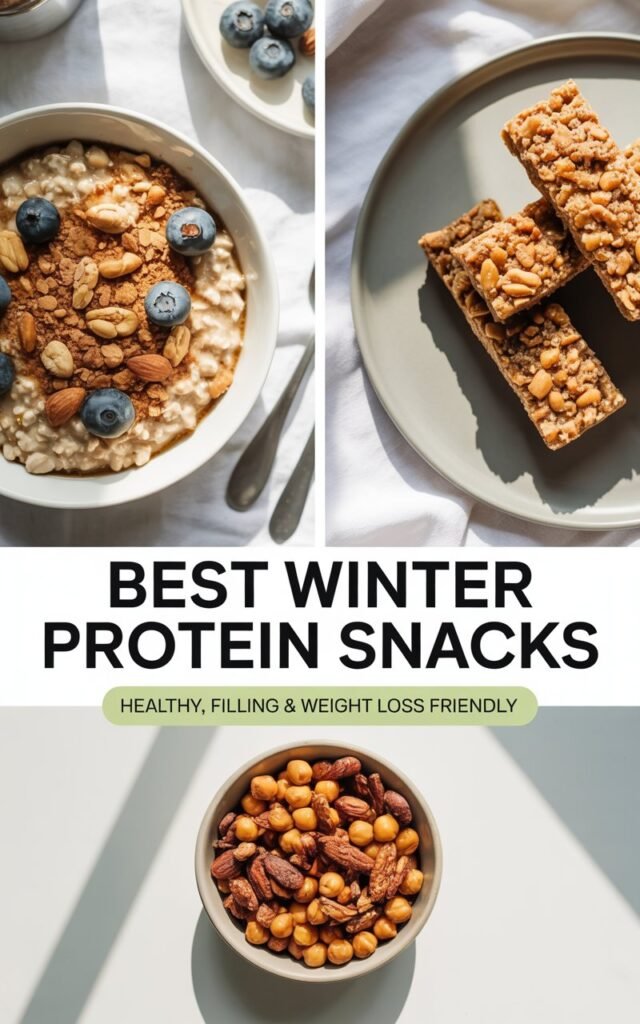
5. Turkey or Chicken Jerky
Low-fat and high-protein, jerky is a convenient way to get a protein boost on the go.
Choose low-sodium, minimally processed versions to keep it healthy.
The savory, chewy texture makes it a satisfying winter snack, especially when you’re craving something hearty.
6. Edamame with Sea Salt
Steamed edamame is rich in plant-based protein, fiber, and antioxidants.
It’s a warm, filling snack that can be seasoned with sea salt or soy sauce for extra flavor.
Plus, it’s easy to prepare in minutes for a quick post-workout or mid-afternoon bite.
7. Protein Smoothie with Warm Milk
If you prefer something cozy, blend your favorite protein powder with warm almond milk or dairy milk, banana, and a dash of cinnamon.
It’s like a comforting hot chocolate — but with a protein punch to support recovery and satiety.
8. Tuna or Salmon Packets
Packed with lean protein and omega-3 fatty acids, tuna or salmon packets are great for maintaining muscle and supporting heart health during winter.
Enjoy them with whole-grain crackers or wrap them in lettuce for a light, nutritious snack.
9. Almond Butter on Whole-Grain Toast
A warm slice of whole-grain toast topped with almond or peanut butter provides protein, fiber, and healthy fats.
It’s a perfect winter comfort snack that fuels your body and satisfies sweet or salty cravings.
10. Protein Bars or Bites
When you’re short on time, protein bars or energy bites made with oats, nuts, and protein powder can be lifesavers.
Opt for bars low in sugar and high in natural ingredients for steady energy throughout cold days.
4. High-Protein Snacks for Weight Loss
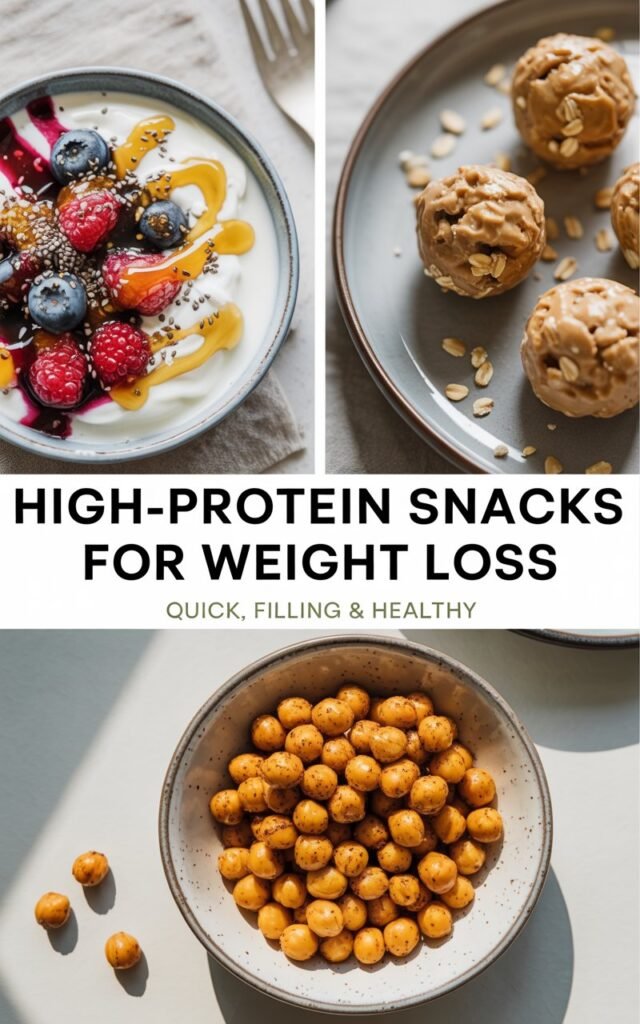
If your goal is to shed a few pounds during the colder months, high-protein snacks can make all the difference.
Protein not only boosts metabolism but also helps control hunger and cravings — two key factors for sustainable weight loss.
Choosing smart, nutrient-dense snacks between meals keeps your energy up and prevents overeating later in the day.
Below are some of the best high-protein snack ideas to keep you full, satisfied, and on track toward your goals.
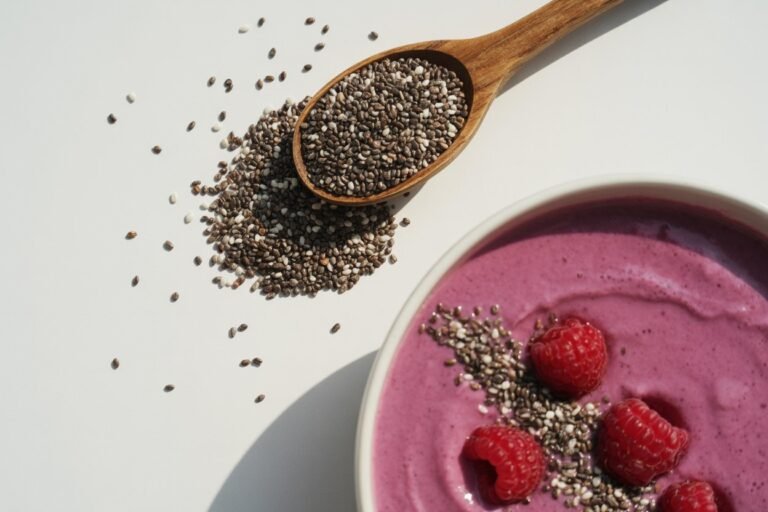
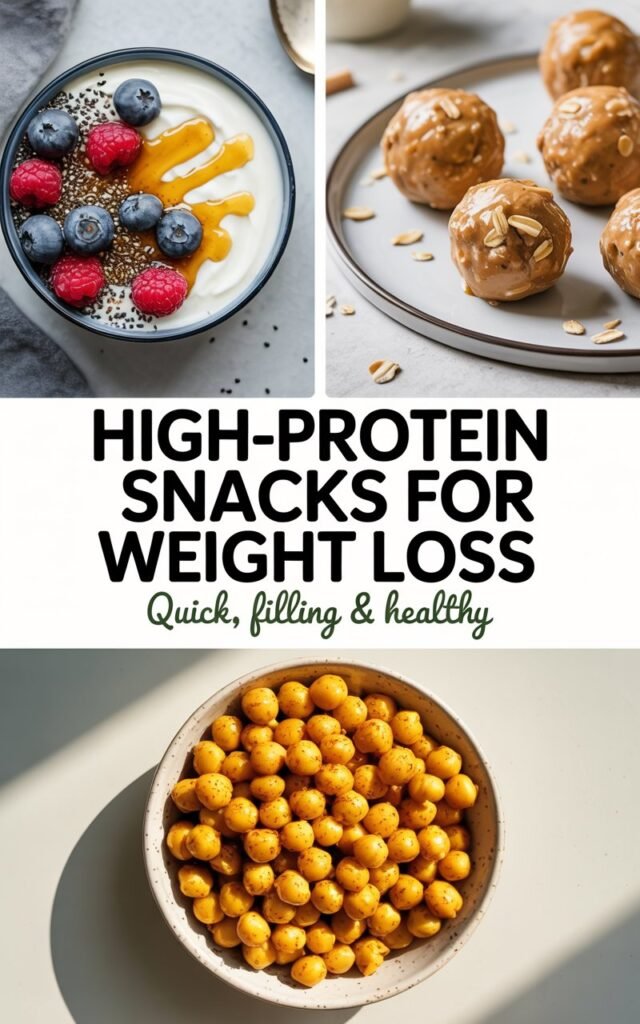
1. Greek Yogurt with Chia Seeds
Greek yogurt is one of the most effective snacks for weight loss because it’s rich in protein and probiotics.
Adding chia seeds increases fiber and omega-3s, helping you stay full longer while supporting digestion.
Choose plain, unsweetened yogurt and top with a few berries for natural sweetness.
2. Cottage Cheese with Pineapple or Cucumber
Cottage cheese is low in calories but high in protein and calcium, making it ideal for weight management.
Mix with pineapple for a sweet, refreshing flavor, or pair with sliced cucumber and black pepper for a savory twist.
3. Boiled Eggs with a Dash of Spice
Eggs are a complete protein source and very satiating.
A couple of boiled eggs can curb hunger for hours, reducing the urge to snack on unhealthy foods.
Sprinkle with paprika or chili powder for flavor without adding calories.
4. Tuna with Whole-Grain Crackers
Tuna is lean, filling, and packed with protein and omega-3 fatty acids.
Combine a small serving with whole-grain crackers for added fiber and slow-digesting carbs that keep your energy steady and hunger in check.
5. Edamame with Sea Salt or Chili Flakes
This plant-based option is high in protein and fiber while being low in calories.
Edamame provides that satisfying “snack feel” without sabotaging your calorie goals.
A touch of chili flakes can also help boost metabolism naturally.
6. Apple Slices with Peanut Butter
Apples are rich in fiber, and peanut butter adds a creamy source of protein and healthy fats.
Together, they create a balanced snack that satisfies sweet cravings while keeping you full and energized.
Just be mindful of portion size — a tablespoon or two of peanut butter is plenty.
7. Roasted Chickpeas or Lentils
Roasted chickpeas and lentils make excellent crunchy alternatives to chips.
They’re high in plant protein, fiber, and complex carbs that support steady blood sugar levels.
Try seasoning them with garlic powder, cumin, or smoked paprika for an extra kick.
8. Protein Smoothie or Shake
A protein shake can replace calorie-dense snacks and help you meet your daily protein target.
Blend a scoop of protein powder with unsweetened almond milk, frozen berries, and spinach for a nutrient-packed, low-calorie drink that tastes like a treat.
9. Turkey or Chicken Roll-Ups
Wrap lean turkey or chicken slices around cucumber, bell pepper, or cheese sticks for a quick, satisfying bite.
These roll-ups are low-carb, portable, and perfect for curbing cravings without adding unnecessary calories.
10. Almonds or Mixed Nuts
A small handful of almonds, walnuts, or pistachios provides protein, fiber, and healthy fats.
Nuts promote satiety, helping you eat less throughout the day — just stick to one ounce per serving to keep calories in check.
5. High-Protein, Low-Calorie Foods
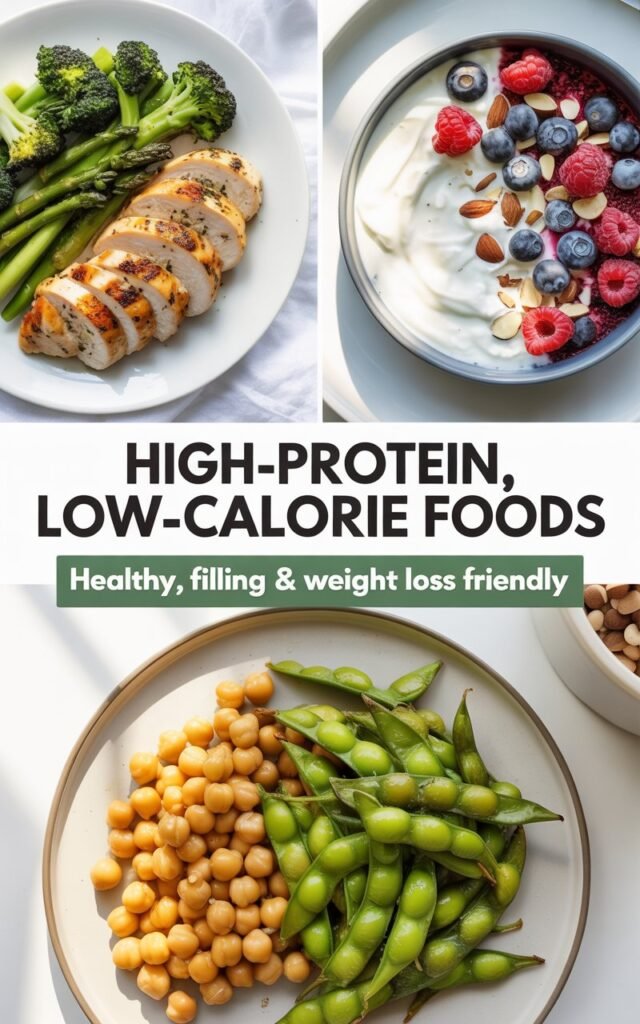
When you’re trying to lose fat or build lean muscle, high-protein, low-calorie foods are essential.
They help you stay full without overeating, support muscle repair, and keep your metabolism active.
The key is finding foods that deliver maximum nutrition and satisfaction without piling on unnecessary calories — especially during colder months when cravings tend to rise.
Here’s a breakdown of the best high-protein, low-calorie foods to include in your winter meal plan.
1. Egg Whites
Egg whites are a lean, pure source of protein with virtually no fat.
They’re ideal for breakfast omelets or post-workout meals when you want a protein boost without the calories from yolks.
Each egg white has about 3–4 grams of protein and only 15–20 calories.
2. Chicken Breast
A classic favorite for a reason — chicken breast is low in fat, high in lean protein, and incredibly versatile.
Grill, bake, or shred it for salads, wraps, or soups.
A 3-ounce serving contains about 26 grams of protein and roughly 120 calories.
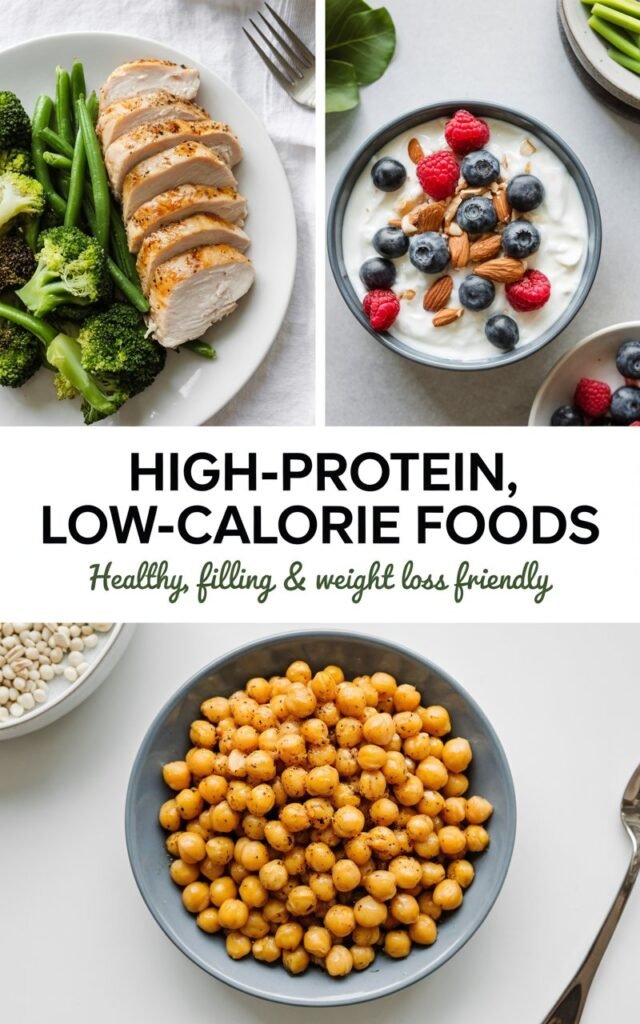
3. Greek Yogurt (Nonfat or Low-Fat)
Greek yogurt is an excellent low-calorie snack that’s rich in protein and probiotics.
Choose plain, nonfat versions to avoid added sugars.
It’s great on its own, with fruit, or blended into smoothies for a creamy texture and protein boost.
4. Cottage Cheese
Cottage cheese provides slow-digesting casein protein, keeping you full longer and supporting muscle recovery overnight.
A half-cup serving has around 14 grams of protein for just 80–100 calories.
5. Tuna (Water-Packed)
Tuna is a lean, high-protein food that’s naturally low in calories and carbs.
It’s perfect for quick lunches or protein snacks.
One 3-ounce serving has about 20 grams of protein for under 100 calories.
6. Lentils
Lentils are a plant-based powerhouse packed with protein, fiber, and essential nutrients.
A cup of cooked lentils provides around 18 grams of protein and keeps you full thanks to its high fiber content.
Plus, it’s great for soups, stews, and salads.
7. White Fish (Cod, Tilapia, Haddock)
These light fish varieties are low in calories and packed with lean protein. They’re also rich in essential minerals like selenium and phosphorus.
A 4-ounce serving typically provides 20–25 grams of protein with less than 120 calories.
8. Edamame
Edamame offers a complete plant-based protein source that’s satisfying and nutrient-rich.
One cup of cooked edamame provides about 17 grams of protein for roughly 190 calories — perfect for snacking or adding to salads and stir-fries.
9. Tofu or Tempeh
Both tofu and tempeh are excellent vegetarian protein options that are naturally low in calories and high in amino acids.
They absorb flavors easily, making them ideal for winter stir-fries, curries, or soups.
10. Shrimp
Shrimp is one of the lowest-calorie sources of protein — just 84 calories per 3-ounce serving, yet nearly 18 grams of protein.
It’s also rich in iodine and B12, nutrients that help support metabolism and thyroid health.
11. Protein Powder
A scoop of high-quality protein powder can help meet your daily protein goals without extra calories.
It’s especially useful for quick shakes, oatmeal, or smoothie bowls when you’re short on time.
Choose whey, pea, or plant-based blends with minimal sugar.
Pro Tip: Combine these foods with high-fiber vegetables like spinach, broccoli, and cauliflower to create satisfying, low-calorie meals that keep you full longer.
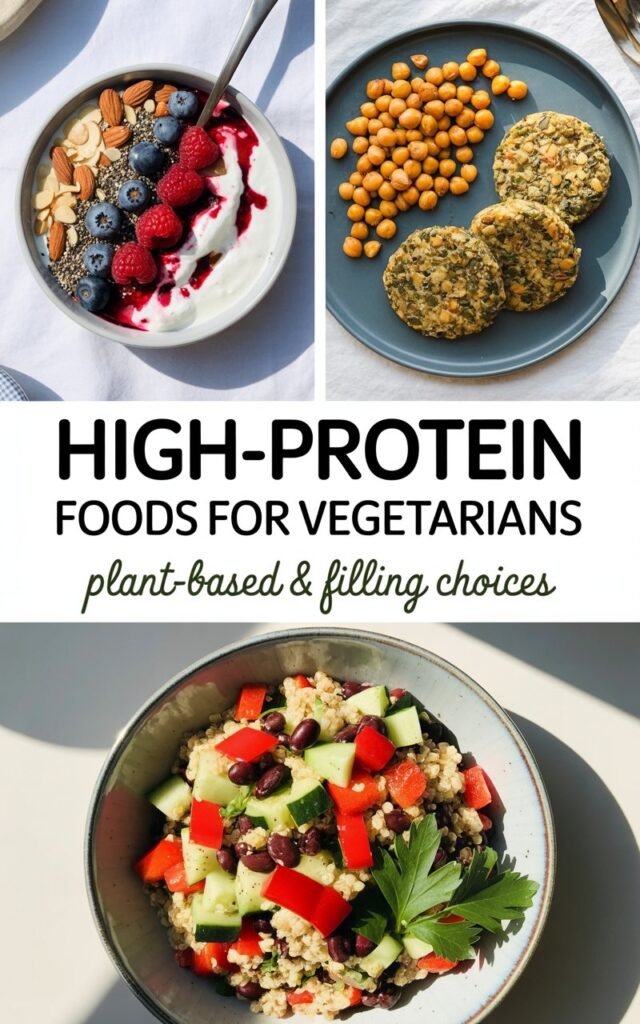
6. High-Protein Foods for Vegetarians
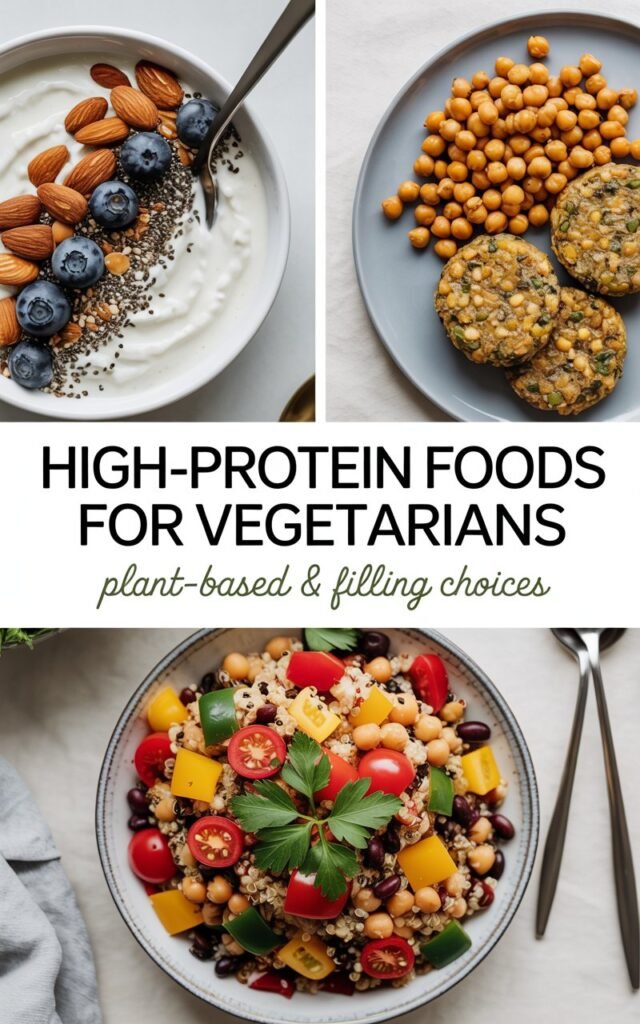
Contrary to popular belief, you don’t need meat to meet your protein goals.
With the right plant-based choices, vegetarians can easily get enough protein to build muscle, stay full longer, and support a healthy metabolism.
Whether your goal is weight loss, muscle gain, or simply maintaining energy through the winter months, these high-protein vegetarian foods will help you stay nourished and satisfied.
1. Lentils
Lentils are one of the most nutrient-dense vegetarian protein sources.
A single cup of cooked lentils offers about 18 grams of protein, along with plenty of fiber to keep you full.
They’re perfect for soups, stews, curries, or even cold salads.
2. Chickpeas (Garbanzo Beans)
Chickpeas pack around 15 grams of protein per cooked cup and can be used in countless ways — roasted for a crunchy snack, mashed into hummus, or added to salads and grain bowls.
They’re also high in fiber, which supports digestion and satiety.
3. Greek Yogurt
Vegetarians who consume dairy can benefit from Greek yogurt as a protein-rich snack or breakfast option. One cup of nonfat
Greek yogurt contains up to 20 grams of protein, along with probiotics that boost gut and immune health.
4. Cottage Cheese
Cottage cheese is an excellent vegetarian-friendly protein source made from milk. Half a cup provides about 14 grams of protein with minimal fat and calories.
It pairs well with fruit, cinnamon, or even as a topping for whole-grain toast.
5. Tofu
Made from soybeans, tofu is a complete protein containing all nine essential amino acids.
A 4-ounce serving provides roughly 10 grams of protein and adapts well to various cooking styles — grilled, baked, sautéed, or added to soups and stir-fries.
6. Tempeh
Tempeh is another soy-based food but less processed than tofu.
It offers around 16 grams of protein per 3-ounce serving and has a firm, nutty texture that holds up well in sandwiches, wraps, and salads.
7. Edamame
Edamame (young soybeans) are a convenient, protein-packed snack or side dish.
One cup of cooked edamame delivers about 17 grams of protein along with fiber, iron, and calcium — perfect for refueling after a workout.
8. Quinoa
Unlike most grains, quinoa is a complete protein, meaning it provides all essential amino acids.
One cup of cooked quinoa gives about 8 grams of protein and plenty of complex carbs for long-lasting energy.
It’s great in salads, bowls, or as a base for vegetable stir-fries.
9. Nuts and Seeds
Almonds, chia seeds, pumpkin seeds, hemp seeds, and sunflower seeds are excellent vegetarian protein sources.
They’re also rich in healthy fats, vitamins, and minerals. Sprinkle them on oatmeal, yogurt, or salads for an easy protein boost.
10. Seitan
Known as “wheat meat,” seitan is a high-protein vegetarian staple made from gluten.
A 3-ounce serving contains around 21 grams of protein — similar to chicken! It has a meaty texture and absorbs flavors well in stir-fries and savory dishes.
11. Protein-Rich Dairy Alternatives
If you’re vegan or lactose-intolerant, fortified plant-based milks like soy milk, pea milk, and high-protein almond milk can provide 7–10 grams of protein per cup.
Pair them with oatmeal or smoothies for an extra protein kick.
Pro Tip: Combine different plant proteins — such as beans with rice or lentils with whole grains — to create a complete amino acid profile and maximize your nutritional intake.
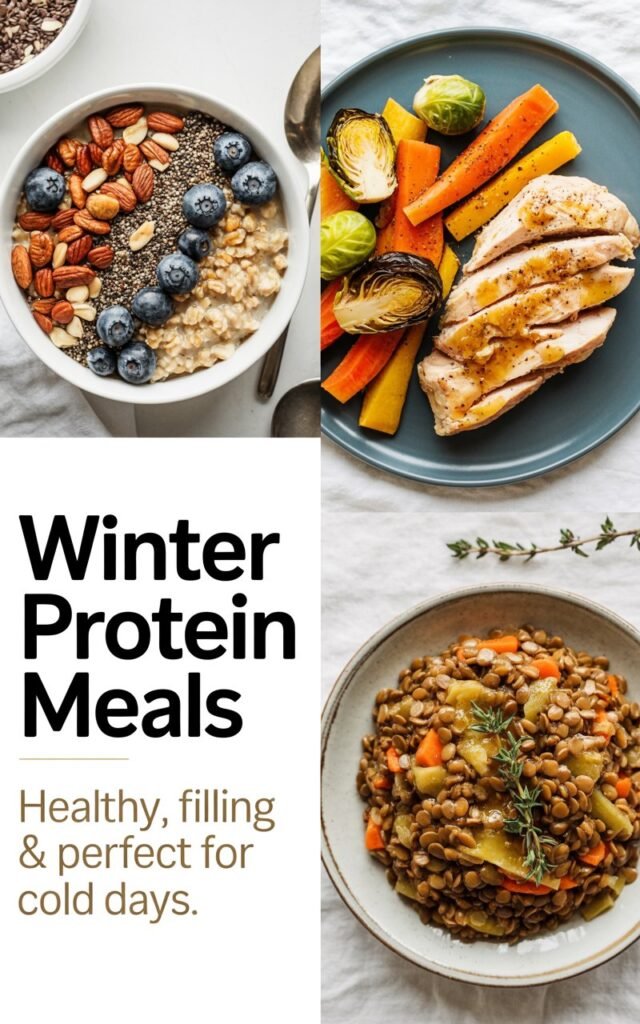
7. Winter Protein Meals
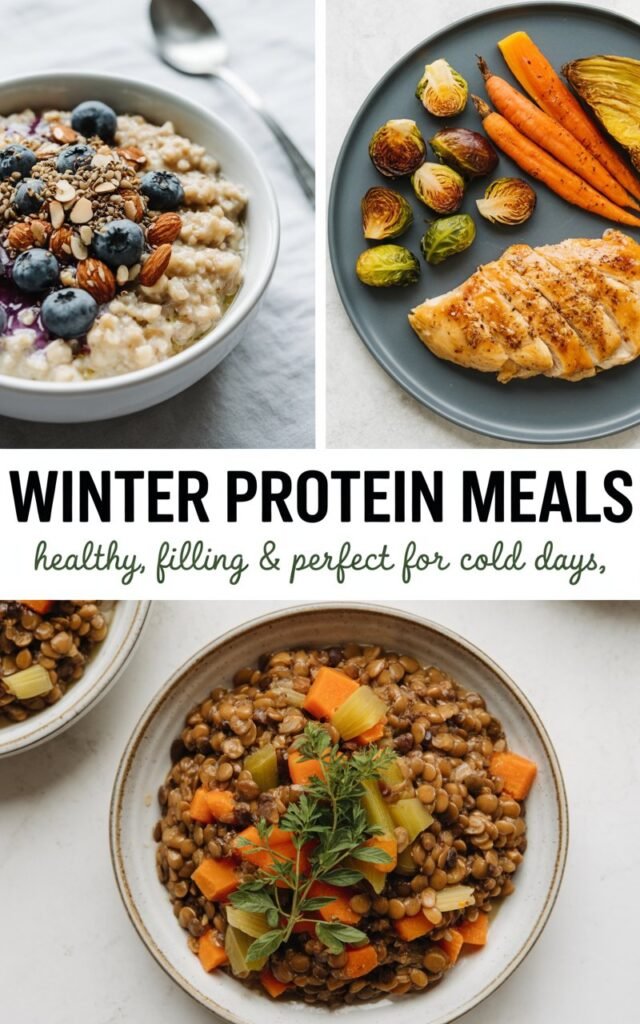
When the cold weather hits, your body naturally craves warm, hearty, and comforting meals. But comfort food doesn’t have to mean unhealthy!
With a few smart ingredient swaps, you can enjoy protein-packed winter meals that keep you full, boost your metabolism, and support muscle repair all season long.
The key is to focus on lean proteins, fiber-rich sides, and balanced flavors that deliver both nourishment and satisfaction.
Here are some delicious, high-protein winter meal ideas perfect for weight management, strength building, and overall wellness.
1. Chicken and Vegetable Soup
Nothing beats a steaming bowl of chicken and vegetable soup on a cold day.
Lean chicken breast provides high-quality protein, while mixed veggies like carrots, celery, and spinach add fiber, vitamins, and antioxidants.
For an extra boost, use bone broth — it’s rich in collagen and amino acids that support joint health.
2. Lentil and Spinach Stew
This vegetarian-friendly meal is hearty, filling, and loaded with protein and fiber.
Lentils provide plant-based protein, while spinach adds iron and antioxidants.
Simmer with tomatoes, garlic, and herbs for a warming dish that satisfies without the extra calories.
3. Grilled Salmon with Quinoa and Roasted Vegetables
Salmon is one of the best winter proteins — it’s rich in omega-3 fatty acids that support heart and skin health during dry, cold months.
Pair it with fluffy quinoa and oven-roasted vegetables like sweet potatoes and broccoli for a balanced, nutrient-dense meal.
4. Turkey Chili with Beans
A cozy pot of chili made with lean ground turkey, black beans, and kidney beans provides a powerful dose of protein and fiber.
Add tomatoes, bell peppers, and spices like cumin and paprika for extra warmth and flavor.
It’s an ideal make-ahead meal that tastes even better the next day.
5. Tofu Stir-Fry with Brown Rice
For a vegetarian or vegan option, tofu stir-fry is a great choice.
Toss firm tofu cubes with colorful vegetables — like bell peppers, broccoli, and snow peas — in a light soy or teriyaki sauce.
Serve with brown rice for a complete protein and fiber-filled dinner.
6. Egg and Veggie Scramble
Eggs are a quick, high-protein option for any time of day.
Mix whole eggs with egg whites and add your favorite winter vegetables like kale, mushrooms, and onions.
Serve with a slice of whole-grain toast for a satisfying and balanced meal.
7. Shrimp and Broccoli Stir-Fry
This light but protein-rich dish comes together in minutes.
Shrimp offers lean protein with minimal calories, while broccoli provides fiber and immune-boosting vitamin C.
Stir-fry with garlic, ginger, and a drizzle of sesame oil for extra flavor.
8. Cottage Cheese and Quinoa Bowl
For a simple yet filling meal, combine cottage cheese with cooked quinoa, cherry tomatoes, and avocado slices.
This combo delivers a blend of slow-digesting proteins, healthy fats, and complex carbs — perfect for lunch or post-workout recovery.
9. Baked Cod with Roasted Sweet Potatoes
Cod is a mild, low-calorie fish rich in protein and essential minerals.
Pair it with roasted sweet potatoes and green beans for a nutritious, comforting winter dinner that supports muscle recovery and energy balance.
10. Chickpea and Vegetable Curry
Warm, flavorful, and packed with protein — this chickpea curry is a plant-based powerhouse.
Chickpeas, coconut milk, and vegetables combine to create a creamy, satisfying dish that keeps you full while supporting a healthy metabolism.
Pro Tip: Focus on combining protein with fiber-rich sides like quinoa, brown rice, or roasted veggies for sustained energy and fullness throughout the day.
8. High-Protein Winter Breakfasts
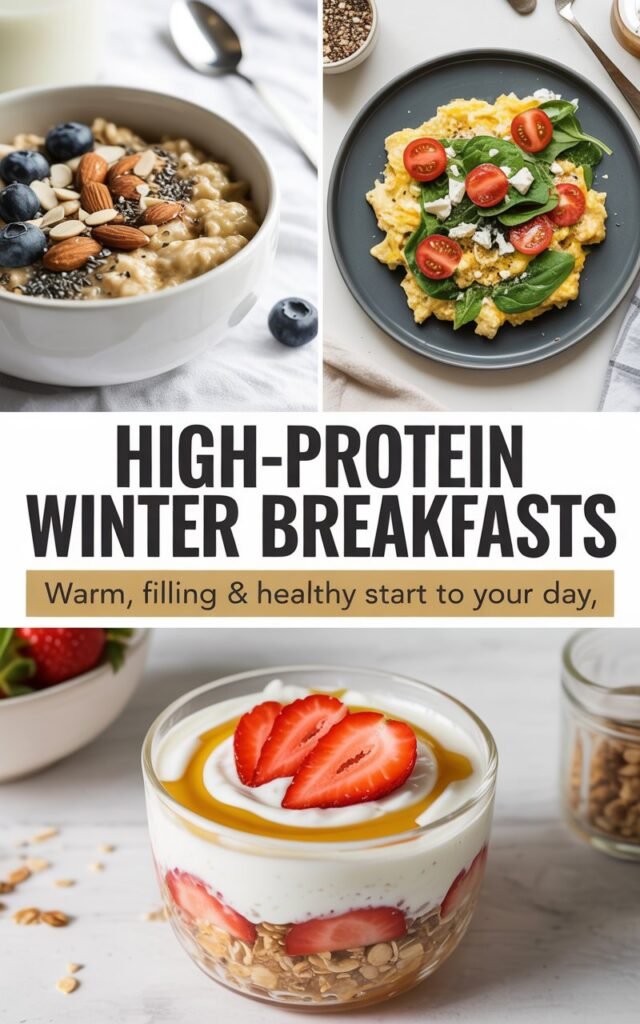
Breakfast sets the tone for your entire day — especially during winter when shorter days and cold mornings can leave you feeling sluggish.
A high-protein winter breakfast not only keeps you warm and energized but also stabilizes blood sugar levels, curbs cravings, and boosts your metabolism right from the start.
The goal is to combine lean protein with complex carbs and healthy fats for lasting fullness and focus throughout the day.
Here are some delicious, satisfying, and easy-to-make high-protein breakfast ideas perfect for chilly mornings.
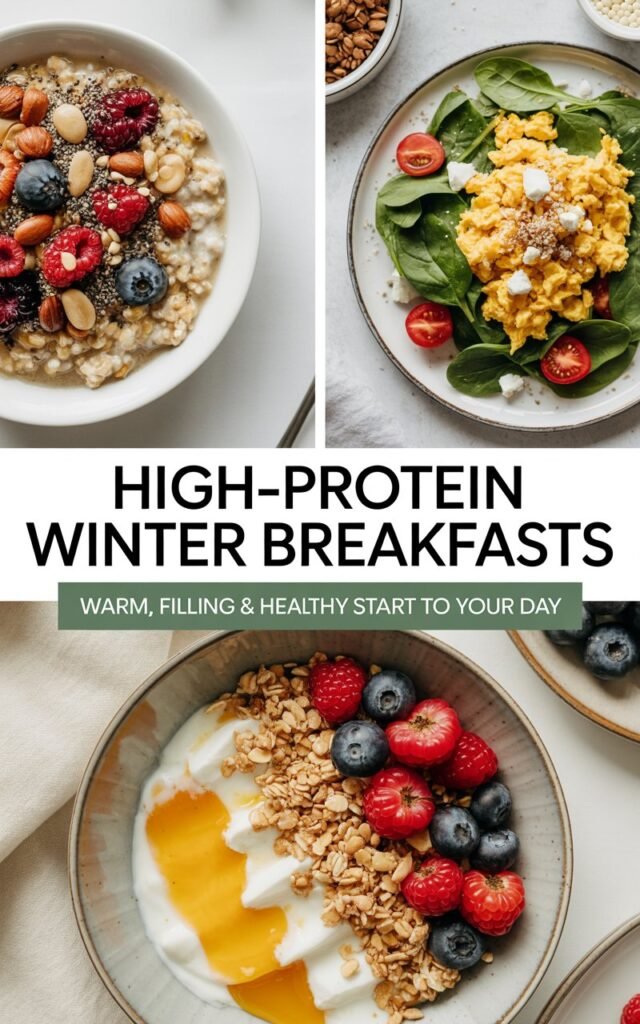
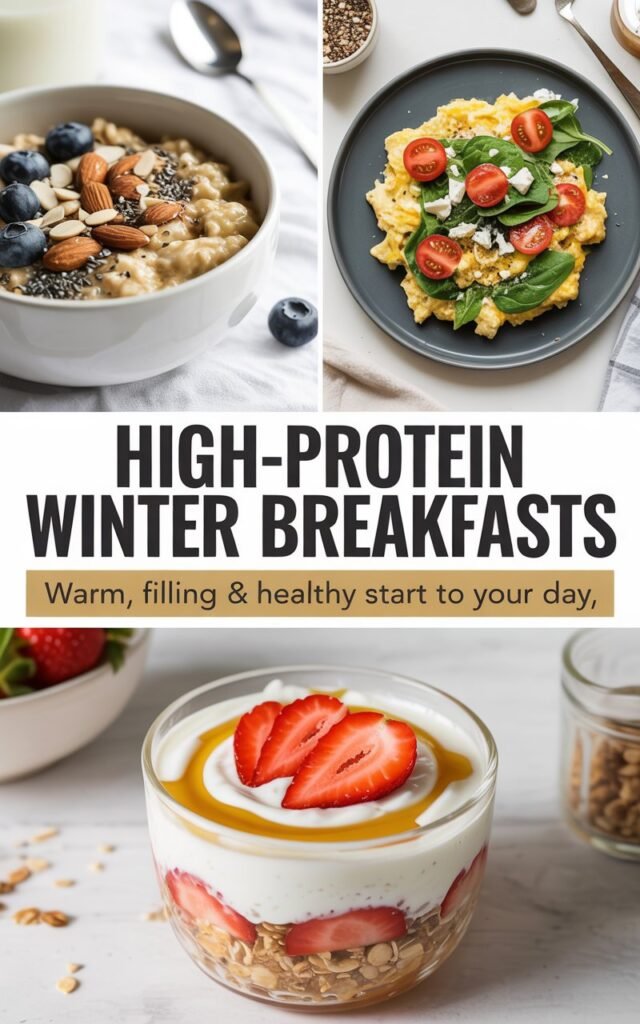
1. Greek Yogurt Parfait with Oats and Berries
Layer nonfat Greek yogurt with rolled oats, mixed berries, and a drizzle of honey for a protein-packed, antioxidant-rich breakfast.
Greek yogurt provides 15–20 grams of protein per cup, while oats add fiber to keep you full longer. For extra crunch, sprinkle chia seeds or crushed almonds on top.
2. Veggie Omelet with Egg Whites and Spinach
Eggs are one of the best natural sources of high-quality protein.
Whip up a fluffy omelet using a mix of whole eggs and egg whites, and fill it with spinach, mushrooms, and bell peppers.
This nutrient-rich meal supports muscle recovery and keeps you full for hours.
3. Warm Protein Oatmeal
Turn classic oatmeal into a muscle-friendly meal by stirring in a scoop of your favorite protein powder while it cooks.
Top with sliced bananas, cinnamon, and a spoonful of almond butter for a warm, cozy, and balanced breakfast that fuels your body and mind.
4. Cottage Cheese Bowl with Fruit and Seeds
Cottage cheese is a slow-digesting protein that helps sustain energy levels throughout the morning.
Combine it with chopped apples or berries, flaxseeds, and a pinch of cinnamon for a sweet, satisfying, and high-protein breakfast option that’s also great for digestion.
5. Protein Pancakes
Make your mornings feel indulgent with pancakes that are both fluffy and healthy.
Use a mix of oats, egg whites, and protein powder to create your batter.
Serve with Greek yogurt and fresh fruit instead of syrup for extra protein and natural sweetness.
6. Tofu Scramble
A fantastic vegan alternative to eggs, tofu scramble provides a generous dose of protein and essential nutrients.
Sauté crumbled firm tofu with onions, turmeric, spinach, and tomatoes for a savory, hearty breakfast that keeps you energized without any cholesterol.
7. Smoked Salmon and Avocado Toast
For a luxurious yet simple breakfast, top whole-grain toast with smashed avocado and smoked salmon.
This combo delivers protein, healthy fats, and omega-3s to support heart and brain health — perfect for a busy winter morning.
8. Quinoa Breakfast Bowl
Swap traditional grains for quinoa to boost your breakfast protein intake.
Mix cooked quinoa with almond milk, cinnamon, and berries for a warm, slightly nutty dish that provides all nine essential amino acids — a great way to start the day strong.
9. Protein Smoothie with Warm Milk
Blend your favorite protein powder with warm almond or oat milk, a banana, and peanut butter for a cozy, nutrient-rich breakfast drink.
It’s an excellent option for those cold mornings when you want something quick, warm, and filling.
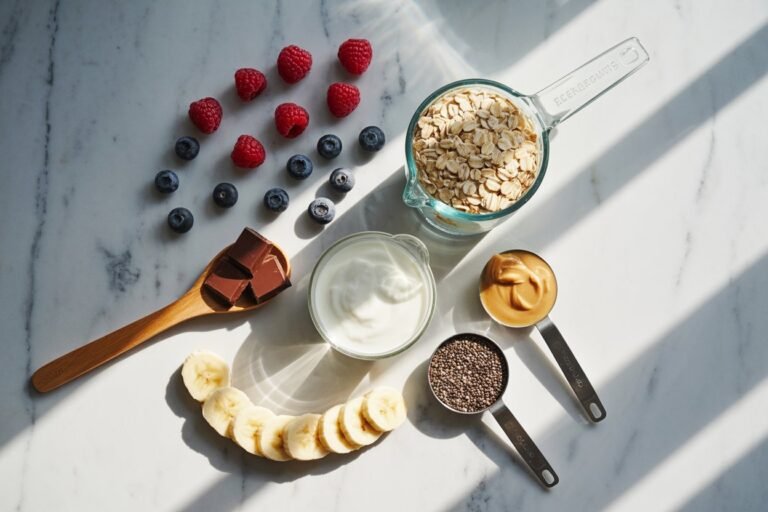
10. Overnight Oats with Protein Powder
If you prefer a ready-to-eat option, combine rolled oats, Greek yogurt, milk, and a scoop of protein powder in a jar. Let it sit overnight in the fridge.
In the morning, top with nuts, seeds, or cinnamon — a no-cook, high-protein meal perfect for busy winter mornings.
Pro Tip: Add warming spices like cinnamon, nutmeg, or ginger to your breakfasts.
They not only enhance flavor but also improve digestion and help boost circulation during cold weather.
9. Recommended Protein Products
- Whey protein powder (Amazon picks)
- Plant-based protein powder
- Protein bars & ready-to-drink shakes
Frequently Asked Questions (FAQ)
1. How much protein should I eat during winter?
Protein needs vary depending on your activity level and body weight, but a good general guideline is 0.8 to 1.2 grams of protein per kilogram of body weight daily.
If you work out regularly or want to lose fat while maintaining muscle, aim for the higher end of that range.
2. What are the best sources of protein for vegetarians in winter?
Vegetarians can meet their protein needs through foods like lentils, chickpeas, quinoa, Greek yogurt, cottage cheese, tofu, tempeh, nuts, and seeds.
Combining these sources ensures you get all the essential amino acids your body needs.
3. Can high-protein snacks help with winter weight gain?
Yes! High-protein snacks help control hunger, reduce cravings, and boost metabolism, making them great for preventing unwanted winter weight gain.
Protein also helps preserve lean muscle, which burns more calories even at rest.
4. Is it okay to eat protein before bed in winter?
Absolutely. Eating a small protein-rich snack like Greek yogurt, cottage cheese, or a protein shake before bed can support muscle repair overnight and help regulate nighttime hunger.
5. Do I need more protein in winter compared to summer?
In many cases, yes. Your body works harder to maintain body temperature and immune function in the cold.
Eating enough protein helps support energy levels, strengthen immunity, and repair tissues — all of which are crucial in winter months.
6. What’s the best high-protein breakfast for cold mornings?
Try warm, comforting meals like oatmeal with protein powder, veggie omelets, or cottage cheese pancakes.
These options are filling, energizing, and keep you satisfied longer through the chilly mornings.
7. Can protein help boost immunity in winter?
Definitely. Protein supplies the amino acids necessary for producing antibodies and immune cells, which are your body’s first line of defense against colds and infections.
8. What are some quick high-protein meals for busy winter days?
Go for chicken or lentil soup, chili with beans, tuna salad wraps, or stir-fried tofu with veggies.
These are easy to prepare, nutritious, and perfect for keeping you warm while fueling your body.
9. How can I add more protein to my diet without eating meat?
Include Greek yogurt, eggs, cottage cheese, beans, lentils, tofu, tempeh, quinoa, nuts, and seeds in your meals.
You can also add protein powder to your smoothies, oatmeal, or baked goods.
10. Are protein powders necessary in winter?
Not necessarily. Whole food sources are best, but protein powders can be a convenient way to meet your daily needs — especially if you’re busy, working out regularly, or following a vegetarian diet.
Conclusion
Winter is the perfect time to focus on nourishing your body with the right balance of protein-rich foods.
Whether your goal is to stay fit, build lean muscle, or simply keep your energy high during the colder months, protein plays a key role in supporting your overall wellness.
Including enough protein in your daily meals helps maintain muscle mass, strengthen your immune system, and prevent overeating when those comfort food cravings hit.
From hearty soups and stews to warm high-protein breakfasts and snacks, there are plenty of delicious ways to fuel your body all season long.
Don’t forget — small, consistent choices make the biggest difference.
Aim to include a source of protein in every meal, stay hydrated, and keep your diet balanced with plenty of fruits, vegetables, and healthy fats.
By doing so, you’ll stay strong, energized, and healthy — no matter how cold it gets outside.
Final tip: Listen to your body’s needs. Winter can slow things down, but with the right nutrition — especially adequate protein — you’ll keep your metabolism active, your immunity strong, and your mood balanced throughout the season.
FAQs
1. What counts as a high-protein, low-calorie food?
High-protein, low-calorie foods are items that provide significant protein while staying relatively low in calories.
Examples include lean meats like chicken and turkey, seafood, eggs, Greek yogurt, cottage cheese, tofu, lentils, and edamame.
2. How much protein should I aim for daily?
Protein needs vary depending on your body weight, activity level, and goals. A general guideline is around 0.8–1 gram of protein per pound of body weight if you’re active or trying to lose fat, but adjust based on your lifestyle and energy needs.
3. Can plant-based foods provide enough protein?
Absolutely. Foods like tofu, tempeh, lentils, beans, quinoa, and edamame are all excellent sources of protein.
Combining them with other plant-based items can help meet daily requirements effectively.
4. Are high-protein, low-calorie foods suitable for everyone?
Yes. These foods work for healthy individuals, people managing weight, and even those recovering from illness or dealing with fatigue.
They are generally gentle on the system while supporting energy, satiety, and overall nutrition.
5. Can I eat these foods for every meal?
You can, but variety is key. Mixing different protein sources, adding vegetables, and including healthy fats keeps your meals balanced, more enjoyable, and sustainable over time.
6. Do I need to avoid carbs completely while eating high-protein foods?
No. Carbs are important for energy, especially from whole-food sources like vegetables, fruits, and whole grains.
The goal is balance — combine protein, fiber-rich carbs, and healthy fats for the best results.
7. How do I make these foods taste good without adding extra calories?
Use herbs, spices, lemon juice, vinegar, or low-calorie sauces to add flavor. Roasting, grilling, or steaming proteins and veggies can enhance natural flavors without adding unnecessary calories.