When it comes to fitness, one of the biggest mistakes people make is jumping into a workout program without first asking: What do I actually want to achieve?
The truth is, the “best” workout doesn’t exist in a one-size-fits-all format.
A program that works wonders for someone trying to lose 30 pounds may not be the right choice for someone aiming to build serious muscle or train for a marathon.
Your goals determine your plan—and once you know your destination, it becomes much easier to map out the path.
The good news? No matter where you’re starting from, there’s a workout program designed to help you succeed.
If your goal is weight loss, you’ll want a plan that combines fat-burning cardio with strength training to boost your metabolism.
If you’re trying to build muscle and strength, progressive overload and resistance training should be at the core of your routine.
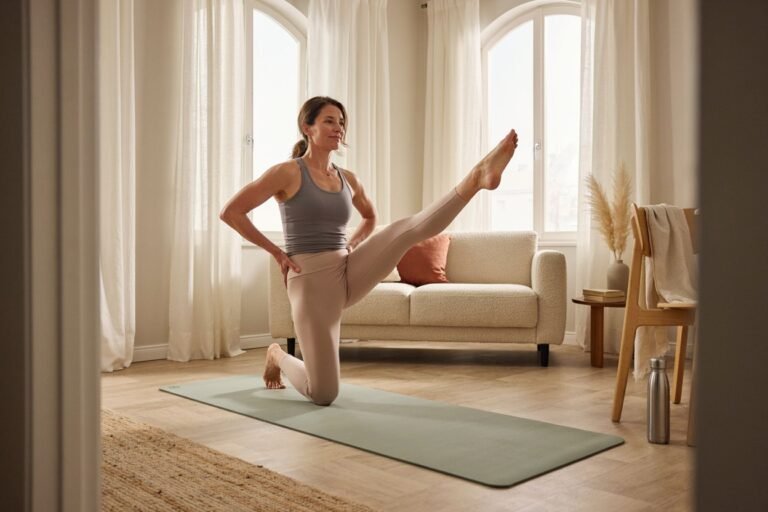
Maybe you want to improve flexibility, mobility, and balance—in that case, yoga, Pilates, or functional fitness might be your best bet.
And if you’re looking for all-around health and energy, a hybrid program that blends cardio, strength, and recovery work could be the perfect fit.
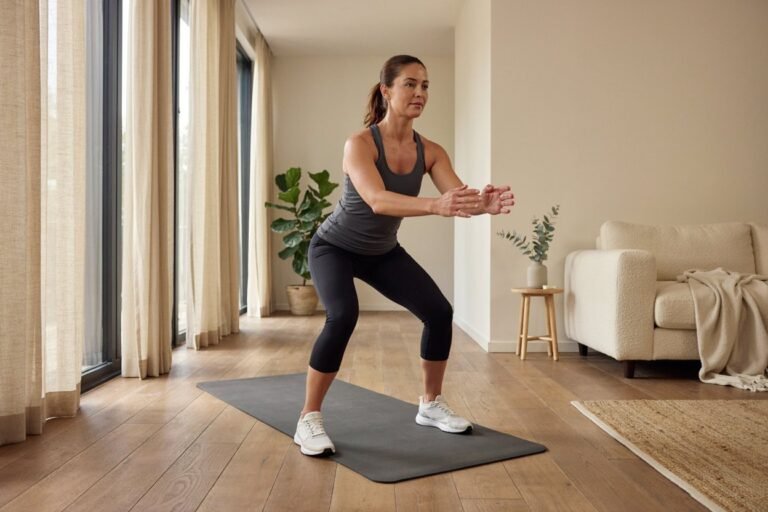
What makes this exciting is that you don’t need fancy equipment or hours in the gym to see results.
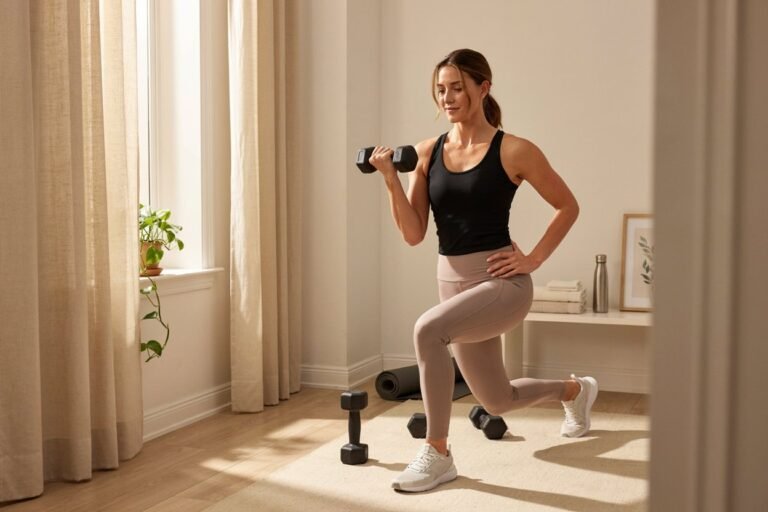
Many of the most effective programs can be done at home, in under 30 minutes a day, using just your bodyweight or a few simple tools like dumbbells or resistance bands.
The key is finding a routine you can stick with consistently, because long-term commitment—not quick fixes—is what creates lasting transformation.
In this guide, we’ll break down the best workout programs for every fitness goal—from fat loss and muscle building to endurance, flexibility, and overall wellness.
You’ll discover how each type of training works, who it’s best for, and how to adapt it to your lifestyle.
By the end, you’ll have the clarity you need to stop guessing and finally follow a program that matches your unique goals.
Whether you’re a beginner looking to start your journey or someone experienced wanting to level up, this guide will help you find the right workout program that actually works for you.
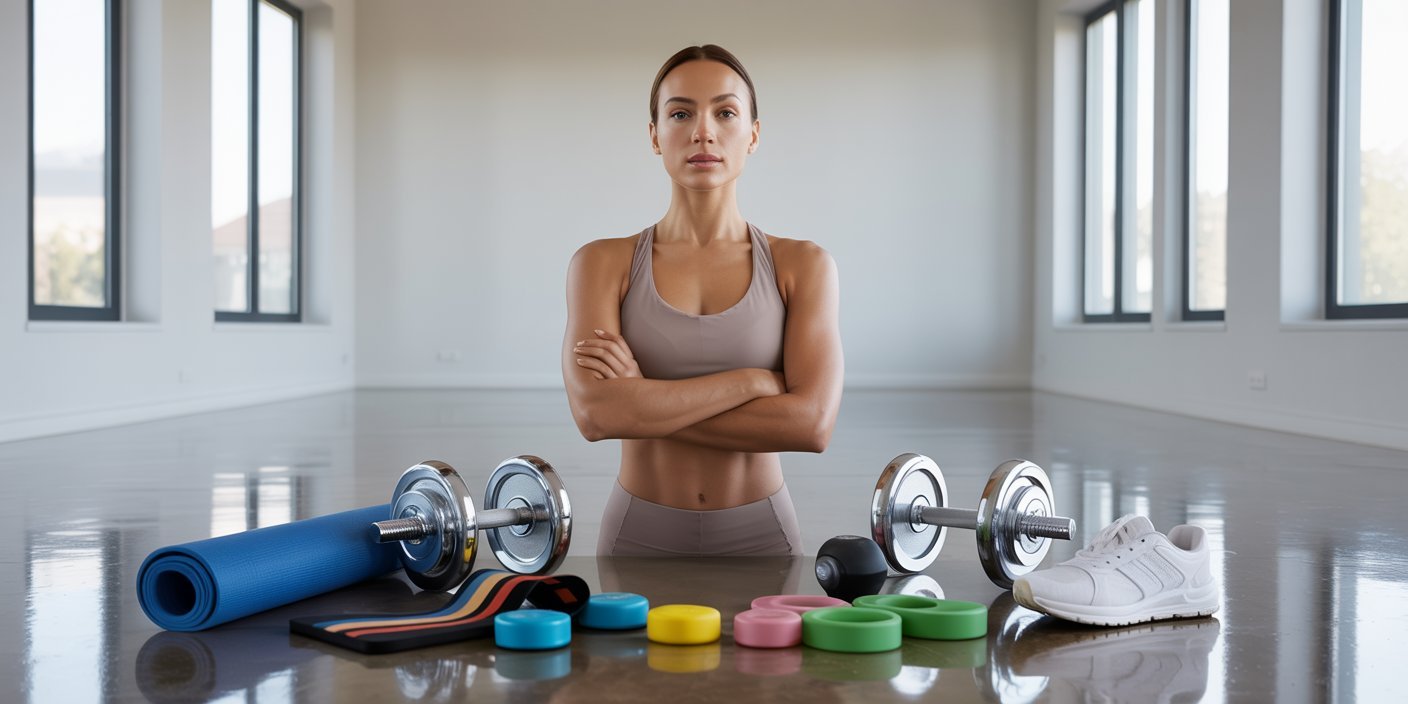
Amazon Gear: Must-Have Equipment for Every Fitness Goal I Recommend
Want to Build Muscle, Burn Fat, or Get Toned?
No matter your goal — strength, endurance, or weight loss — having the right gear makes all the difference.
Here are my top Amazon picks to power your workout program and help you achieve real results:
| Product | Why You’ll Love It | Shop Now |
|---|---|---|
| Adjustable Dumbbell Set | Perfect for building strength and muscle across all programs. | Check Price on Amazon |
| Resistance Bands Set (Full Body) | Great for mobility, toning, and low-impact workouts. | View on Amazon |
| Kettlebell Set (Vinyl-Coated) | Ideal for functional training and fat-burning workouts. | Shop Now |
| Pull-Up Bar (Doorway Mount) | Strengthens upper body and core with minimal setup. | Buy on Amazon |
| Yoga Mat (Extra Thick & Non-Slip) | Keeps your workouts comfortable and stable. | See Details |
| Adjustable Bench (Foldable) | Perfect for weight training, core, and circuit programs. | Shop Now |
| Jump Rope (Speed & Weighted Options) | Boosts cardio, burns fat, and improves endurance. | View on Amazon |
| Smart Fitness Tracker / Watch | Monitors heart rate, calories, and progress for any program. | Check Price on Amazon |
| Foam Roller (Muscle Recovery Tool) | Enhances recovery and flexibility after workouts. | View on Amazon |
| Meal Prep Containers (Portion-Controlled) | Keeps your nutrition on track no matter your fitness goal. | Shop Now |
These Amazon workout essentials make it easier to stay consistent, challenge yourself, and reach your unique goals — whether you’re training for strength, weight loss, or total-body transformation.
What Is a Workout Program?
A workout program is not just a random mix of exercises — it’s a carefully designed fitness plan created to help you reach your specific goals in the most efficient and sustainable way possible.
Whether you want to lose weight, gain muscle, tone your body, improve endurance, or simply feel healthier, following a structured program gives you the consistency and direction you need to succeed.
Think of it like this: without a plan, you’re just guessing every time you step into a workout.
One day you might do squats, the next you might jog, and the next you may do nothing at all.
While staying active is always a good thing, random training rarely leads to real, measurable results. A workout program changes that by giving you a clear roadmap.
The Key Elements of a Workout Program

A solid workout program is more than a list of exercises — it’s a step-by-step system that covers all aspects of training. Typically, a workout program will outline:
- The type of exercises to perform – strength training, cardio, HIIT, yoga, stretching, or a mix of them.
- How many sets and reps to do for each exercise, tailored to your goals.
- Training frequency – how many days per week you should work out.
- Rest and recovery periods – because progress doesn’t just happen during exercise, it happens when your body recovers.
- Progression strategies – gradually increasing weight, intensity, or duration so you keep challenging your body.
This structure helps you avoid plateaus, stay motivated, and see results faster than if you were just doing exercises at random.
Why a Workout Program Matters

Following a program ensures you:
- Stay consistent – You know exactly what to do each day, so there’s no guesswork.
- Avoid imbalances – Programs are designed to train all major muscle groups, reducing the risk of overtraining one area while neglecting another.
- See measurable progress – Tracking sets, reps, and workouts helps you see improvements week after week.
- Save time – Instead of wasting time wondering what to do, you go into each session with purpose and focus.
- Stay motivated – Having a structured plan makes it easier to stick to your routine and stay committed long-term.
Different Programs for Different Goals

Not every workout program looks the same — it all depends on your fitness goal. For example:
- If your goal is fat loss, your program might focus on strength training combined with calorie-burning cardio sessions.
- If you want to build muscle, your program will emphasize progressive overload — lifting heavier weights over time while targeting specific muscle groups.
- If you’re focused on endurance, the program may include steady-state cardio and interval training to improve stamina.
- If your goal is overall health and flexibility, a program built around yoga, stretching, and light strength work might be perfect.
The beauty of workout programs is that they can be customized to any fitness level — beginner, intermediate, or advanced.
Whether you’re working out at home with no equipment or hitting the gym with full access to weights and machines, there’s a program that can be tailored to your needs.
In Simple Terms
A workout program is your fitness blueprint. It takes the guesswork out of training, helps you stay consistent, and ensures you’re working toward your goals in the smartest way possible.
Instead of wasting effort on random workouts, you follow a structured plan that keeps you on track, holds you accountable, and helps you achieve real, long-lasting results.
Top Workout Programs for Different Goals
1. Strength and Muscle Building: The Bodybuilding Program
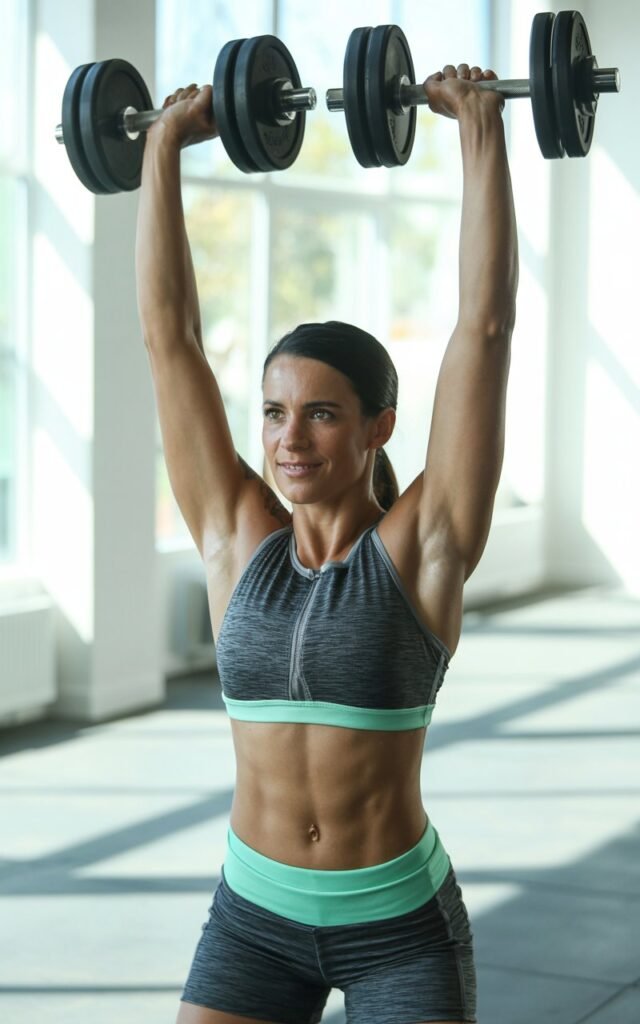
If your goal is to build muscle and increase strength, a bodybuilding program is the way to go.
Bodybuilding focuses on resistance training (weights or machines) with the aim of increasing muscle size and strength through progressive overload (gradually increasing the weight or intensity of exercises).
Key Features:
- Focus: Muscle hypertrophy (growth) through weightlifting
- Workouts: Split routines, where different muscle groups are worked on different days (e.g., chest and back, legs, arms)
- Sets/Reps: Typically, 3-5 sets with 6-12 reps per set for optimal muscle growth
- Rest: Rest periods between sets range from 60-90 seconds
Sample Program:
- Day 1: Chest and Triceps (Bench press, dumbbell flyes, tricep pushdowns)
- Day 2: Back and Biceps (Pull-ups, deadlifts, barbell curls)
- Day 3: Legs (Squats, lunges, leg press)
- Day 4: Shoulders (Overhead press, lateral raises)
- Day 5: Core and Abs (Planks, crunches, leg raises)
- Days 6-7: Rest or light activity
Best For: Those looking to build significant muscle mass, improve body composition, and gain strength.
2. Fat Loss and Conditioning: High-Intensity Interval Training (HIIT)

If your primary goal is fat loss or improving cardiovascular health while staying lean,
High-Intensity Interval Training (HIIT) is an excellent choice. HIIT workouts involve alternating between short bursts of intense activity followed by a brief period of rest or low-intensity movement.
Key Features:
- Focus: Fat burning and conditioning
- Workouts: Short, intense bursts of exercise (e.g., sprints, burpees, jump squats) with brief rest periods in between
- Duration: 15-30 minutes per session, making it time-efficient
- Frequency: 3-4 times a week for optimal fat loss
Sample Program:
- Warm-up: 5 minutes of light cardio
- Round 1: 30 seconds sprint / 30 seconds rest (repeat 10 times)
- Round 2: 30 seconds burpees / 30 seconds rest (repeat 10 times)
- Round 3: 30 seconds jump squats / 30 seconds rest (repeat 10 times)
- Cool down: 5 minutes of stretching
Best For: People who want to lose fat, improve endurance, and get fitter in a time-efficient manner.
3. Endurance and Stamina: Running Program

For those focused on building endurance and stamina, especially for long-distance activities like running, cycling, or swimming, a structured running program can help you achieve personal bests or train for races.
Key Features:
- Focus: Increasing cardiovascular endurance and stamina
- Workouts: Long, steady runs and interval sprints to improve pace and stamina
- Intensity: Gradually increasing the duration or distance of your runs over time
- Frequency: Typically 3-4 running sessions per week with one long-distance run
Sample Program (Beginner 5k):
- Day 1: 20-30 minute steady-paced run
- Day 2: Rest or active recovery (light walking or yoga)
- Day 3: Interval training (1-minute sprints, 2-minute walking intervals for 20-30 minutes)
- Day 4: Rest
- Day 5: Long-distance run (start with 3 miles, increasing each week)
- Day 6: Active recovery or cross-training (e.g., cycling)
- Day 7: Rest
Best For: Aspiring runners or those looking to increase their aerobic endurance for long-distance events.
4. Full-Body Fitness: CrossFit

CrossFit is a highly popular and intense fitness program that combines elements of weightlifting, gymnastics, and cardio in a high-intensity workout. The goal of CrossFit is to build general physical preparedness—strength, endurance, flexibility, and power.
Key Features:
- Focus: Full-body fitness, functional strength, and conditioning
- Workouts: A mix of weightlifting, bodyweight exercises, plyometrics, and endurance training
- Community: CrossFit is known for its strong sense of community, with many people joining gyms or “boxes” for group classes
- WOD (Workout of the Day): Each day features a different workout, challenging various aspects of fitness
Sample Program (Beginner WOD):
- Warm-up: 5 minutes of jump rope or light jogging
- WOD: 21-15-9 reps of push-ups, squats, and sit-ups
- Cool-down: Stretching and foam rolling
Best For: Those looking for a challenging, full-body workout that combines strength, cardio, and functional fitness in a supportive community environment.
5. Flexibility and Mobility: Yoga or Pilates
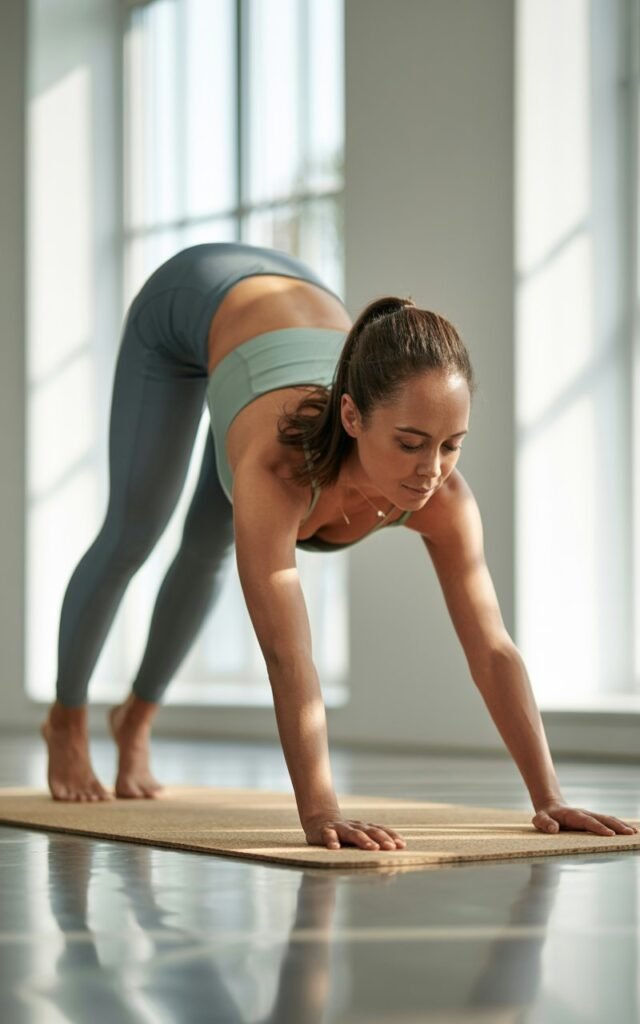
Yoga and Pilates are great options if you’re looking to improve flexibility, mobility, balance, and core strength. Both practices emphasize controlled movements and breathing, but while yoga is more focused on relaxation and mindfulness, Pilates is centered around strengthening the core and improving posture.
Key Features:
- Focus: Flexibility, mobility, and mental well-being
- Workouts: Bodyweight exercises, breathing techniques, and stretches
- Duration: Typically 30-60 minutes per session
- Frequency: 2-4 times per week
Sample Program (Yoga Flow):
- Warm-up: Sun Salutations (5 rounds)
- Flow: Warrior poses, tree pose, downward dog, cobra
- Core work: Boat pose, plank
- Cool-down: Deep breathing, child’s pose, savasana
Best For: Those who want to improve flexibility, reduce stress, and work on their core strength in a low-impact way.
How to Choose the Right Program for You

With so many programs to choose from, it’s essential to align your workout routine with your goals and lifestyle. Here are some tips to help you decide:
- Goal-Oriented: If you want to build muscle, choose a bodybuilding program. If you’re aiming to lose weight and improve conditioning, HIIT may be the way to go.
- Time Commitment: If you have a busy schedule, shorter workouts like HIIT or CrossFit may fit better. Running or bodybuilding programs may require longer sessions.
- Interest: Choose a program that excites you. If you enjoy variety, CrossFit or HIIT could keep you engaged. If you prefer mindfulness and stretching, yoga might be perfect.
Frequently Asked Questions (FAQ)
1. Do I really need a workout program, or can I just exercise randomly?
While exercising randomly is still better than doing nothing, a structured workout program ensures you’re training effectively toward your goals.
Without a plan, you risk overtraining some muscles, neglecting others, and hitting a plateau.
A program gives you structure, balance, and long-term results.
2. How do I know which workout program is right for me?
It depends on your goals.
- If you want to lose weight, look for a program that combines strength training with cardio.
- If your goal is to build muscle, a strength-based program focusing on progressive overload is best.
- For improving endurance, a mix of cardio and interval training works well.
- If you’re aiming for flexibility and stress relief, yoga or Pilates programs are ideal.
Start by identifying your main fitness goal, then choose a program designed around it.
3. How many days per week should I follow a workout program?
Most programs recommend 3 to 5 days per week depending on your fitness level and lifestyle. Beginners may start with 3 days, while advanced trainees may train up to 6 days.
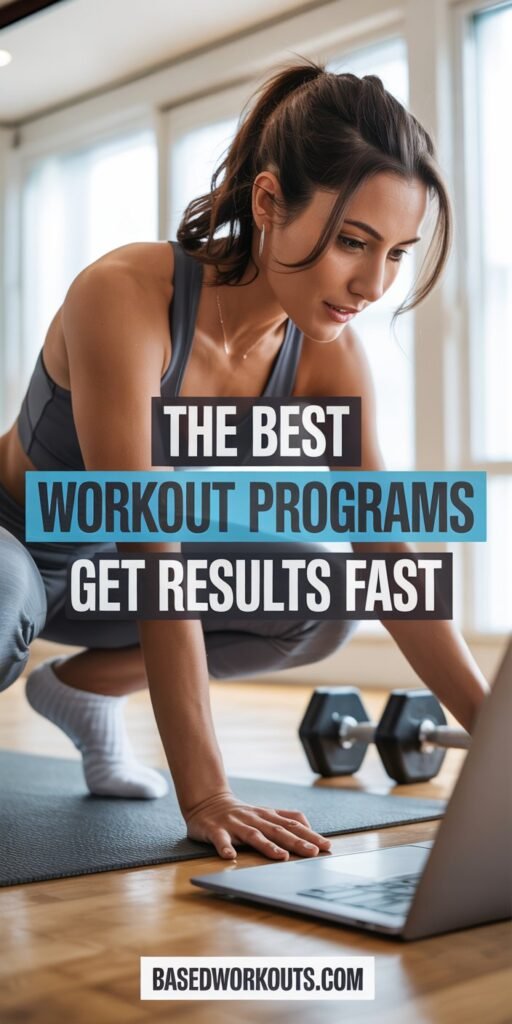
What matters most is consistency and recovery — not just how many times you train.
4. Do I need gym equipment to follow a workout program?
Not always. Many programs are designed for bodyweight exercises you can do at home, such as push-ups, squats, lunges, and planks.
However, adding equipment like dumbbells, resistance bands, or kettlebells can make your workouts more effective. Gym access gives you even more options, but it’s not required to see results.
5. How long does it take to see results from a workout program?
Results vary by person, but most people notice changes within 4 to 6 weeks of consistent training.
Visible progress depends on factors like your starting point, nutrition, sleep, and dedication to the program. Remember: consistency beats intensity when it comes to long-term transformation.
6. Can I mix different workout programs at the same time?
Yes, but with caution. Mixing programs can sometimes lead to overtraining or conflicting goals. For example, combining heavy muscle-building workouts with excessive cardio might slow progress.
The best approach is to follow one structured program at a time, or work with a trainer to safely combine elements that complement each other.
7. What happens if I miss a workout in my program?
Missing a workout occasionally won’t ruin your progress. If you skip a day, you can either move the workout to the next day or continue with the schedule as planned.
The key is not to make skipping a habit — consistency is what delivers results.
8. Do I need a personal trainer to follow a workout program?
Not necessarily. Many well-designed workout programs are available online and can be followed without a trainer.
However, if you’re a beginner, have medical concerns, or want personalized adjustments, working with a trainer can help you stay safe and motivated.
9. Can workout programs help with weight loss without dieting?
Exercise alone helps burn calories, but nutrition plays a huge role in weight loss.
You’ll see better and faster results by combining a workout program with a balanced diet that supports your goals.
As the saying goes: “You can’t out-train a bad diet.”
10. How do I stay motivated to stick to a workout program?
- Set realistic, measurable goals.
- Track your progress with photos, journals, or apps.
- Choose a program you enjoy — if it feels like torture, you won’t stick with it.
- Find a workout buddy or online community for accountability.
- Celebrate small milestones along the way.
Motivation comes and goes, but discipline and habit-building will carry you through.
Conclusion
Whether you’re after strength, fat loss, endurance, or overall wellness, there’s a workout program tailored to your needs.
It’s essential to choose one that aligns with your goals, interests, and fitness level.
The key is consistency, progressive challenge, and a balanced approach to recovery.
Take the time to experiment with different programs, and don’t forget to listen to your body.
The best workout program is the one you enjoy and can stick with for the long haul. Stay active, stay motivated, and keep moving toward your fitness goals!