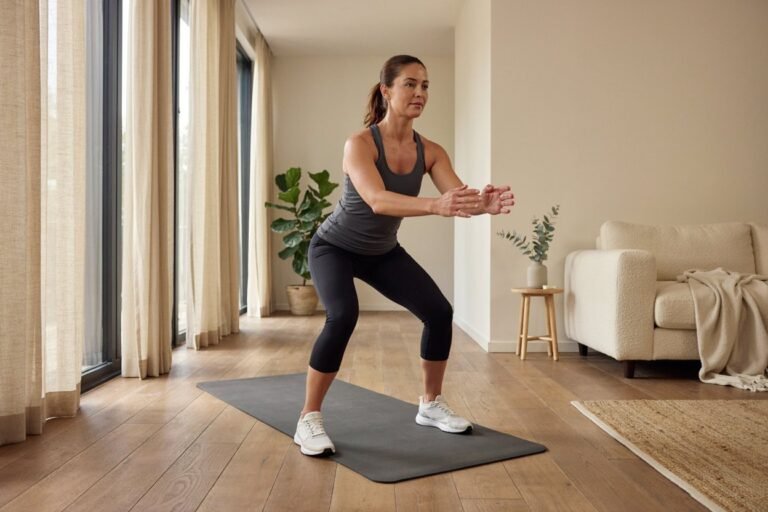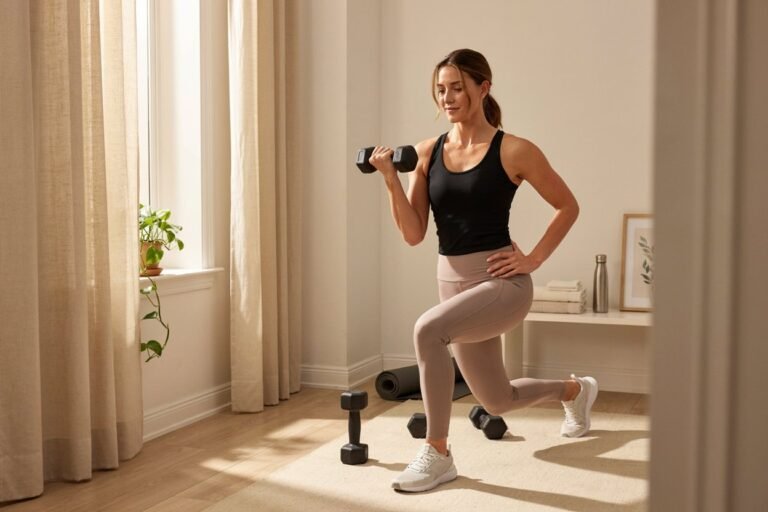
When I first started trying to build muscle, I thought the answer was simple. Lift heavier, train longer, and eat more.
But that approach only took me so far.
I reached a point where I was putting in the work, staying consistent, even increasing my protein, and still not seeing the progress I expected. That is when I realized something important. Muscle growth is not just about effort. It is about strategy.
You can spend hours in the gym and still hit a plateau if you are missing a few key pieces.
Building lean muscle comes down to understanding how your body works and how it responds to training, recovery, and nutrition. Your muscles are not growing while you are lifting. They grow after your workouts when your body repairs and rebuilds.
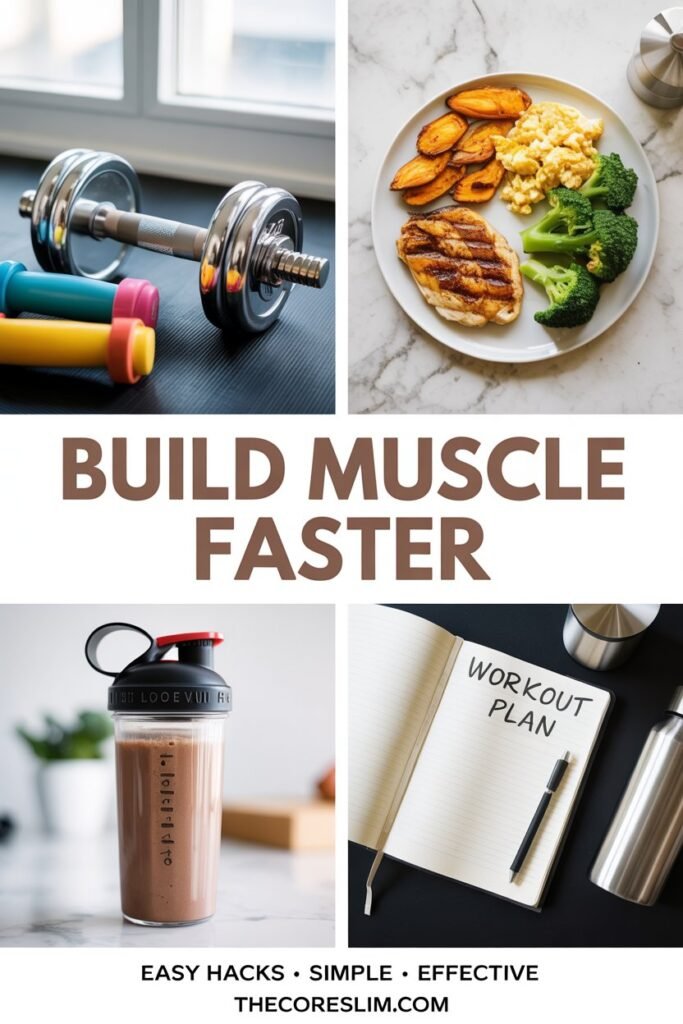
That is why a smarter approach always wins.
When I started focusing on progressive overload, proper recovery, better workout structure, and actually tracking my progress, everything changed. My strength improved, my workouts felt more effective, and I finally started seeing real results.
A lot of people struggle because they:
- Do the same workouts every week
- Skip proper recovery
- Do not fuel their body the right way
- Train without a clear plan
These mistakes may seem small, but over time they can seriously slow your progress.
That is exactly why I put this guide together.
Instead of wasting months guessing, I am going to show you 5 muscle-building hacks that actually make a difference. These are the strategies that help you grow faster, train smarter, and avoid the common mistakes that hold most people back.
Whether you are just starting out, getting back into training, or trying to break through a plateau, this will give you direction.
By the end of this post, you will have a clear and practical plan you can start using right away. No fluff. No confusion. Just results.
| Product | Why You’ll Love It | Shop Now |
|---|---|---|
| Adjustable Dumbbells | Allows progressive overload at home — the #1 key to building muscle faster. | Check Price on Amazon |
| Resistance Band Set (Light to Heavy) | Perfect for warmups, added resistance, drop sets, and hitting muscles from new angles. | View on Amazon |
| Digital Food Scale | Ensures you hit your daily protein and calorie targets for optimal muscle growth. | Shop Now |
| High-Speed Blender | Makes protein shakes, mass smoothies, and post-workout recovery drinks instantly. | Buy on Amazon |
| Creatine Monohydrate Powder | Scientifically proven to increase strength, energy, and muscle-building performance. | See Details |
These essentials help you train harder, recover better, and fuel your body properly — all crucial for building muscle faster and more effectively.
1. Prioritize Progressive Overload

The foundation of faster muscle growth is progressive overload — gradually increasing the resistance or intensity of your workouts over time. Your muscles adapt to stress, and without this progression, growth slows down.
What You’ll Need:
- Dumbbells, barbells, or resistance bands
- Workout log to track weights and reps
- A structured training plan
How to Apply It:
Start with a weight you can lift for your target reps with proper form. Each week, aim to increase either the weight, the number of reps, or the number of sets.
For example, if you bench press 50 lbs for 10 reps comfortably, try 52 lbs next week, or add an extra rep to each set.
Pro Tip:
Keep a training journal. Tracking progress forces accountability and ensures you’re steadily challenging your muscles. Small, consistent increases in load are far more effective than sporadic heavy lifting.
2. Focus on Compound Movements
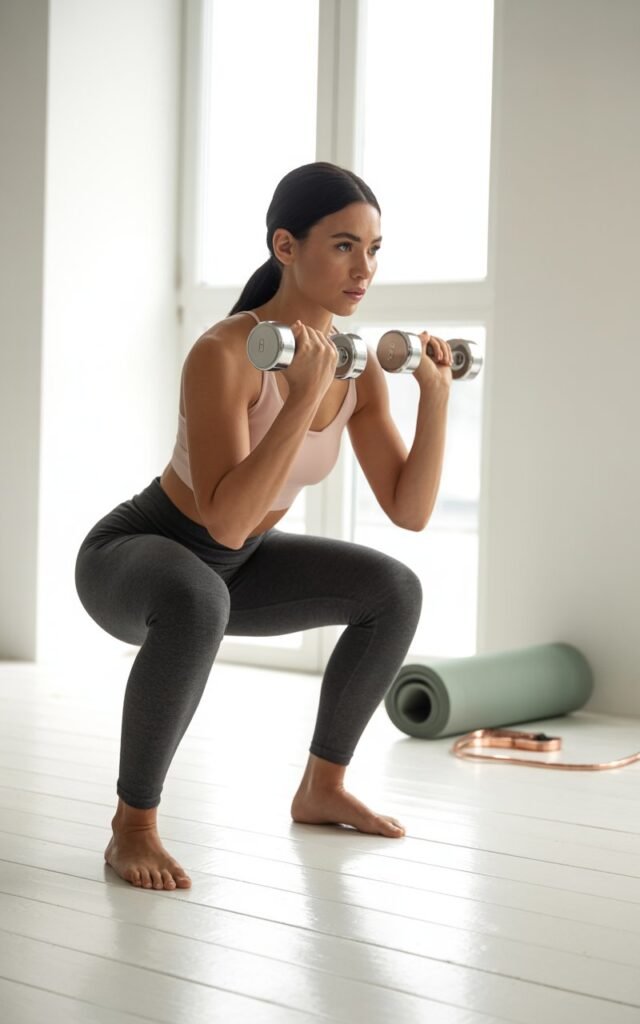
Isolation exercises are useful, but compound exercises like squats, deadlifts, bench presses, and pull-ups recruit multiple muscle groups, allowing you to lift heavier and trigger more growth hormones.
What You’ll Need:
- A barbell or dumbbells
- Pull-up bar or resistance bands
- Bench or sturdy flat surface
How to Apply It:
Include 2–3 compound exercises in every workout. For example:
- Lower body: Squats or deadlifts
- Upper body: Bench press or push-ups
- Back: Pull-ups or bent-over rows
Compound movements not only build muscle faster but also improve overall strength and coordination.
Pro Tip:
Perform compound movements early in your workout when you’re freshest. Focus on form over weight — proper execution activates the right muscles and reduces injury risk.
3. Optimize Protein Intake
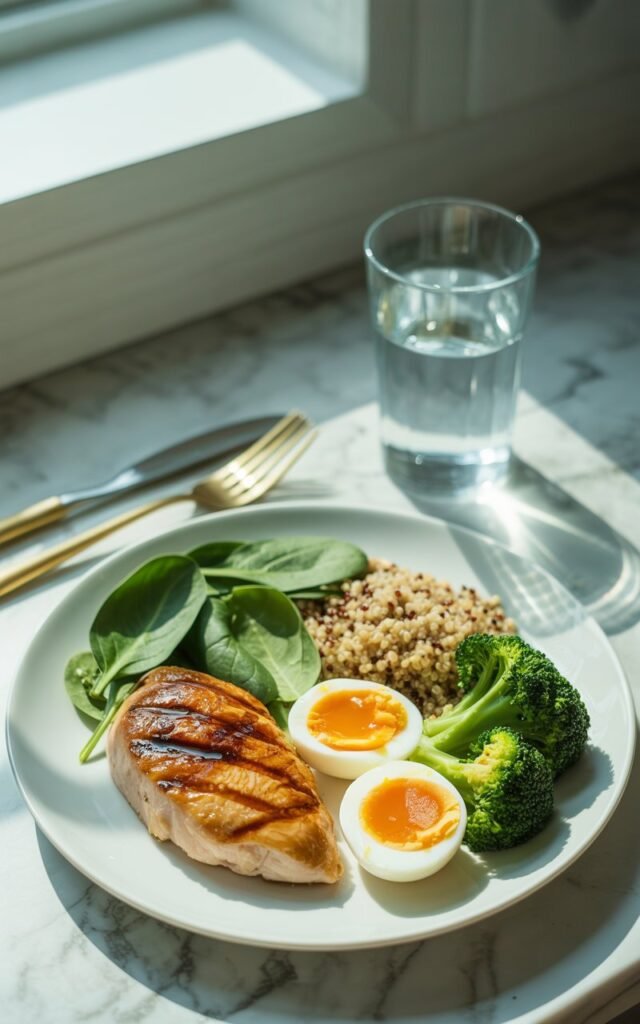
Muscle growth is fueled by protein. Without enough protein, your body struggles to repair muscle fibers, limiting gains. Timing and quality of protein also matter for faster results.
What You’ll Need:
- High-quality protein sources: chicken, fish, eggs, Greek yogurt, whey protein
- Kitchen scale or measuring cups to track intake
How to Apply It:
Aim for 0.7–1 gram of protein per pound of body weight daily, spread across 3–5 meals. Post-workout protein is especially crucial — consume 20–30 grams within 30–60 minutes of training.
Pro Tip:
Pair protein with carbohydrates post-workout. Carbs spike insulin, helping shuttle amino acids into your muscles and boosting recovery. Example: grilled chicken with sweet potato or a whey protein shake with a banana.
4. Incorporate Rest and Recovery

Muscles don’t grow in the gym — they grow while you rest. Overtraining slows progress, increases injury risk, and depletes energy. Prioritizing recovery accelerates growth and ensures long-term gains.
What You’ll Need:
- 7–9 hours of quality sleep per night
- Foam roller or massage ball for muscle recovery
- Active recovery activities: walking, stretching, yoga
How to Apply It:
Schedule at least one rest day per week and listen to your body. If a muscle group feels fatigued, give it 24–48 hours before working it again. Incorporate stretching or foam rolling to improve blood flow and reduce soreness.
Pro Tip:
Sleep is non-negotiable. Growth hormone — key for muscle repair — is released during deep sleep. A consistent sleep schedule dramatically improves recovery and performance.
5. Track Workouts and Progress

What gets measured gets improved. Tracking your sets, reps, weights, and body measurements allows you to identify what works and adjust your plan for faster muscle growth.
What You’ll Need:
- Notebook, app, or spreadsheet
- Tape measure or body fat scale
How to Apply It:
Record exercises, weights, reps, and personal notes each session. Measure chest, arms, waist, and legs every 2–4 weeks to track visible progress. Adjust your workout or nutrition based on results — for example, increasing weight if strength gains plateau.
Pro Tip:
Include notes on how you felt during workouts. Energy, soreness, and mood can help identify overtraining or needed adjustments in recovery or nutrition.
Expert Tips to Build Muscle Faster

From my experience, the small details are what really speed things up. One thing that made a big difference for me was focusing on proper form before trying to lift heavier. Once I slowed down and controlled each rep, I could actually feel the muscles working more.
I also started tracking my workouts, which helped me stay consistent and gradually improve instead of repeating the same routine every week without progress.
Sleep and nutrition are just as important as training. I noticed better strength and recovery when I made sure I was getting enough rest and eating slightly more than I thought I needed.
Most importantly, stay consistent. You will not see results overnight, but if you keep showing up and applying these basics correctly, the progress builds faster than you expect.
FAQs
Q1: How long does it take to see muscle-building results?
From my experience, you will start noticing small changes in strength within the first few weeks.
Visible muscle definition usually takes around 6 to 8 weeks if you stay consistent with your workouts, nutrition, and recovery. The key here is consistency. If you stick to the plan, the results will come.
Q2: Do I really need supplements to build muscle faster?
Not necessarily. I have seen great results just focusing on whole foods and hitting my daily protein intake.
Supplements like protein powder or creatine can make things more convenient, especially on busy days, but they are not required.
Your main focus should always be on a balanced diet and eating enough calories.
Q3: How many days a week should I train to build muscle?
For most people, training 3 to 5 times per week works really well. I personally found that giving each muscle group enough rest made a huge difference in my progress.
Aim for at least 48 hours of recovery before training the same muscle group again.
Q4: Can women follow the same muscle-building strategies?
Yes, 100 percent. The same principles apply. Progressive overload, proper nutrition, and recovery work for everyone.
Building muscle will not make women bulky overnight. Instead, it helps create a stronger, more toned physique over time.
Final Thoughts

Building muscle faster comes down to doing the basics right and staying consistent with them. It is not about doing everything perfectly, but about showing up, training with intention, and making small improvements over time.
What made the biggest difference for me was focusing on a clear plan instead of just working out randomly.
Once I combined progressive overload, better nutrition, proper rest, and consistent tracking, my results became more predictable and a lot more noticeable.
You do not need to overhaul everything at once. Start with one or two of these strategies, stick with them, and build from there.
Over time, those small changes add up to real strength, better muscle definition, and steady progress you can actually see and feel.
Stay patient, stay consistent, and trust the process.