CrossFit has become one of the most dynamic and effective training styles for people looking to build strength, endurance, and overall fitness.
What makes it truly appealing is its versatility — you can perform CrossFit almost anywhere, even without a gym membership.
Designed around functional movements, short bursts of intensity, and constant variety, CrossFit helps you push your limits while developing real-world strength and conditioning.
Many people assume CrossFit requires heavy barbells, complex gym setups, or large training spaces.
In reality, you can experience the same challenge and results right in your living room, backyard, or garage with minimal equipment.
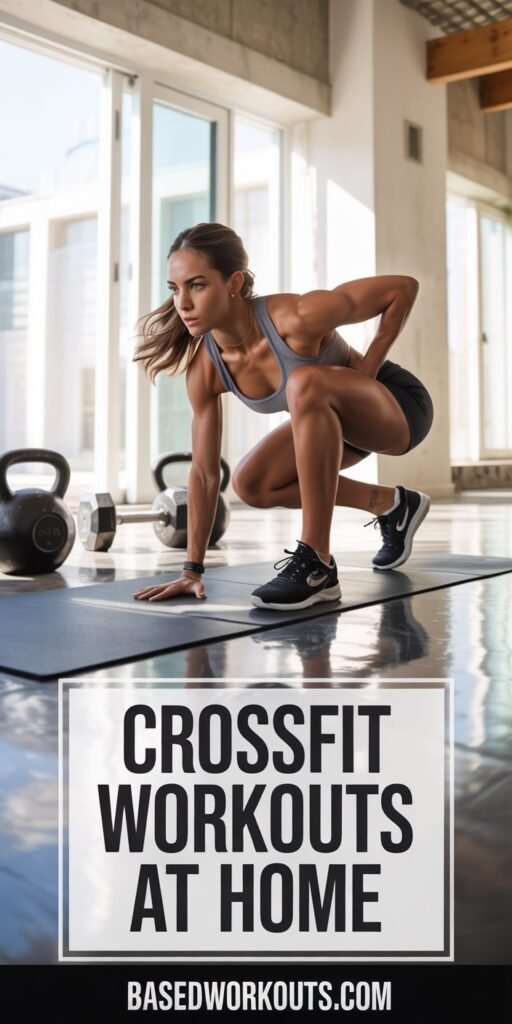
Home-based CrossFit workouts rely on bodyweight movements, simple gear like dumbbells or resistance bands, and creative programming that keeps your body guessing — and progressing.
This guide will show you how to bring the power of CrossFit into your home workouts safely and effectively.
You’ll learn how to structure sessions that boost endurance, improve mobility, and build lean muscle while staying adaptable to your environment.
Whether you’re new to CrossFit or a seasoned athlete seeking flexibility, this guide will help you maintain peak fitness from the comfort of your home.
This website contains affiliate links. If you click on these links and make a purchase, we may earn a small commission at no additional cost to you. We only recommend products and services that we trust and believe will be valuable to our readers.
Amazon Gear for Home CrossFit Workouts I Recommend
Want to Bring the Energy of a CrossFit Box Into Your Home?
From dumbbells to jump boxes, these are the essential tools that transform any small space into your personal CrossFit gym. Check out the top Amazon picks below to start your workouts strong.
| Product | Why You’ll Love It | Shop Now |
|---|---|---|
| Adjustable Dumbbells | Replace a full rack of weights — perfect for strength and conditioning workouts. | Check Price on Amazon |
| Kettlebell Set | Essential for swings, squats, and explosive CrossFit movements. | View on Amazon |
| Jump Box (Plyometric Box) | Build power, agility, and lower-body strength — perfect for box jumps, step-ups, and HIIT sessions. | Shop Now |
| Jump Rope | Boost endurance and coordination — great for warm-ups and cardio intervals. | Buy on Amazon |
| Pull-Up Bar | Strengthen your upper body and core with this easy-to-install home option. | See Details |
These Amazon workout essentials make it easier to stay consistent, challenge yourself, and reach your unique goals — whether you’re training for strength, weight loss, or total-body transformation.
Section 1: Understanding CrossFit Basics
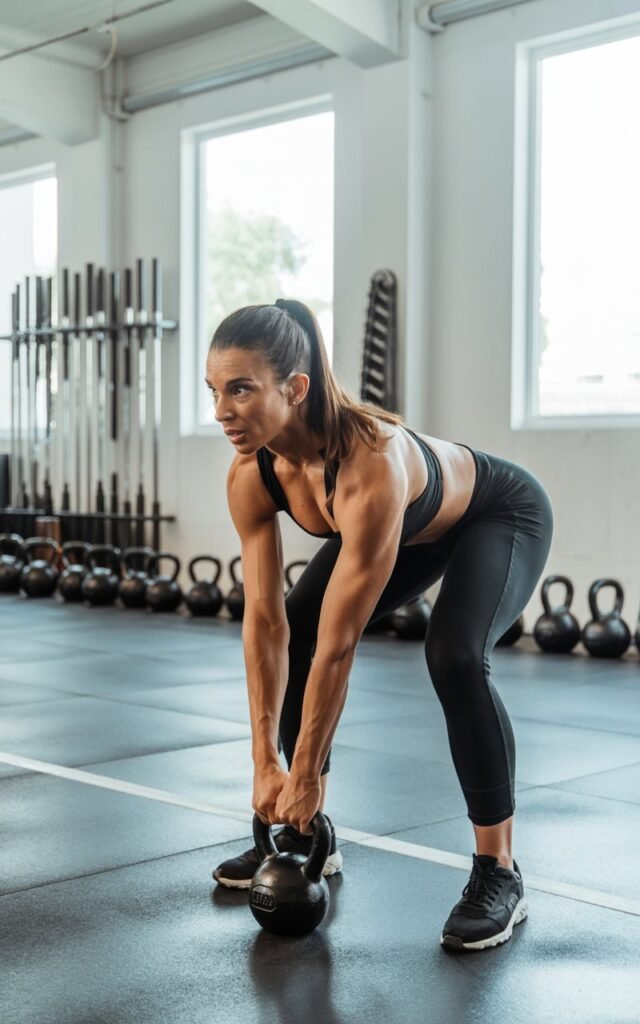
Before diving into your first home CrossFit session, it’s important to understand what makes this training method so effective.
CrossFit combines functional movements — such as squatting, jumping, pushing, and pulling — with high intensity and varied routines.
The goal is to develop overall fitness rather than focus on a single skill or muscle group.
Each workout, known as a WOD (Workout of the Day), challenges multiple physical components including strength, power, endurance, agility, balance, and coordination.
This constantly changing structure prevents plateaus and keeps your body adapting.
How To Apply It:
- Focus on movement quality over speed. CrossFit emphasizes functional patterns, so proper form is crucial for safety and effectiveness.
- Begin with scaled versions of exercises. You can modify intensity and duration until you build strength and endurance.
- Mix different movement types — combine a strength exercise (like push-ups) with a conditioning move (like jumping jacks) and a core element (like sit-ups).
What You’ll Need:
- Open floor space (enough for safe movement)
- A timer or stopwatch
- Comfortable, breathable workout gear
- Optional: Dumbbells, jump rope, or resistance bands
Section 2: How To Structure CrossFit Workouts at Home
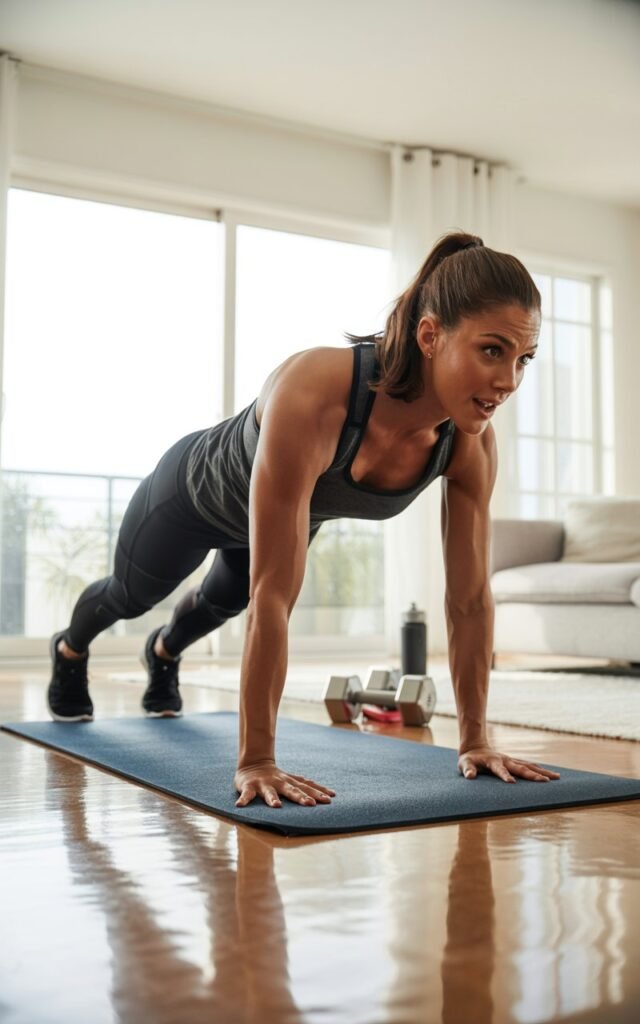
CrossFit is effective because of its variety and balance. Each session should challenge your muscles and cardiovascular system while improving functional movement patterns.
The ideal home CrossFit workout includes a warm-up, main workout (WOD), and cool-down period.
How To Build a CrossFit-Style Routine:
- Warm-Up (5–10 minutes): Begin with light cardio (jog in place or jump rope) followed by dynamic stretches for the hips, shoulders, and core.
- Workout of the Day (WOD): Choose 3–5 exercises targeting different areas. Perform them in circuits, either for time or a specific number of rounds.
- Example:
- 15 squats
- 10 push-ups
- 20 jumping jacks
- 10 sit-ups
- Repeat for 4 rounds with minimal rest
- Example:
- Cool-Down (5–8 minutes): Focus on static stretches and deep breathing to relax muscles and aid recovery.
What You’ll Need:
- Timer or interval training app
- Water bottle for hydration
- Exercise mat for comfort
- Notebook or app to record WODs and progress
Section 3: Essential Equipment for Home CrossFit
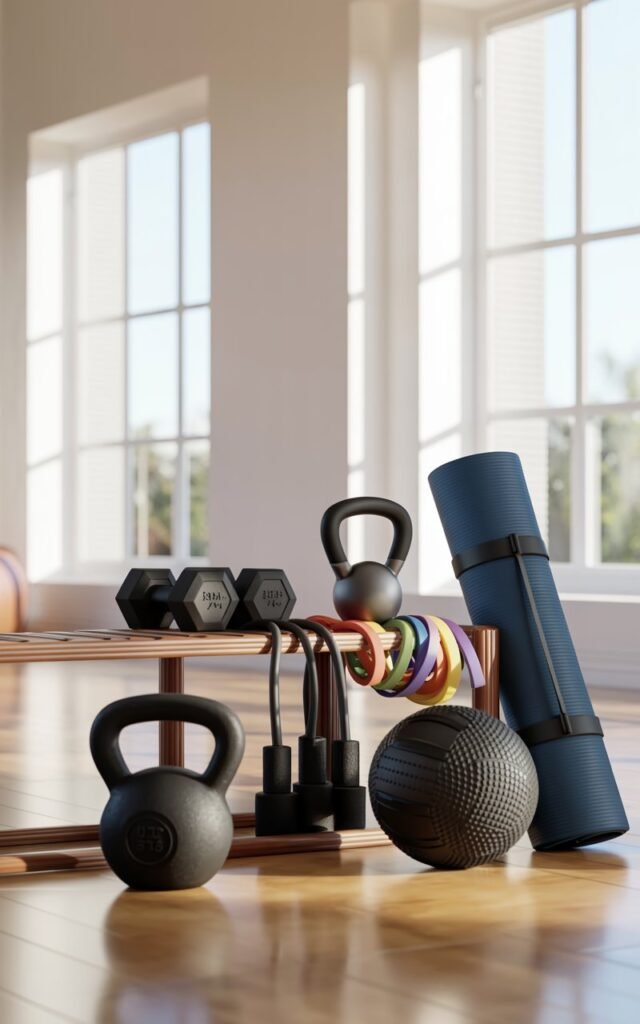
While CrossFit can be performed with little to no equipment, having a few basic items enhances variety and intensity.
These tools help mimic the functional style of gym-based CrossFit while keeping workouts efficient.
Recommended Equipment:
- Dumbbells or Kettlebells: Great for weighted squats, snatches, and overhead presses.
- Jump Rope: Ideal for cardio conditioning and coordination drills.
- Pull-Up Bar: Perfect for upper-body strength and grip training.
- Resistance Bands: Useful for mobility work and strength assistance.
- Yoga Mat: Provides stability and comfort during floor exercises.
How To Choose and Use Equipment:
- Start with light to moderate weights that allow you to maintain form.
- Gradually increase resistance as you improve endurance and control.
- Keep equipment organized and easily accessible to maintain consistency.
What You’ll Need:
- Space for safe equipment use
- Proper footwear for stability
- Resistance bands or dumbbells (adjustable if possible)
- Safe surface or mat for impact absorption
Section 4: Sample CrossFit Workouts for Every Level
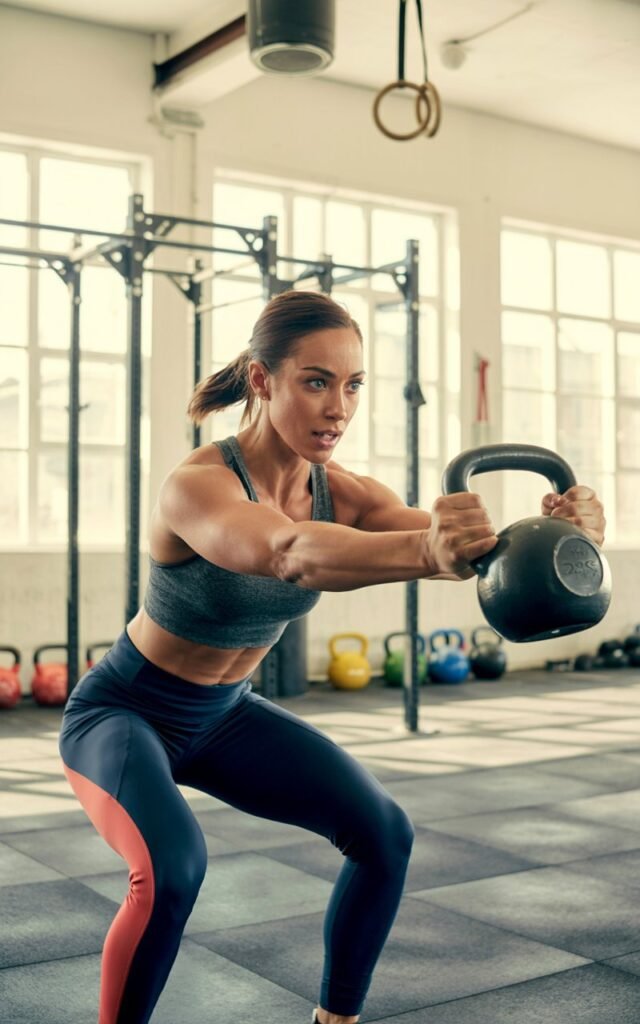
One of the best aspects of CrossFit is its adaptability.
Whether you’re a beginner easing into functional fitness or an experienced athlete looking to maintain your conditioning, you can tailor each workout to your level.
The key is focusing on intensity relative to your ability — not on competing with others.
Beginner-Friendly CrossFit Workout (Bodyweight Only):
- 10 Air Squats
- 8 Push-Ups (knee push-ups if needed)
- 10 Sit-Ups
- 20 Jumping Jacks
- 30 Seconds Rest
Repeat 4 rounds total.
Intermediate Home CrossFit Workout:
- 15 Dumbbell Thrusters
- 12 Burpees
- 10 Lunges (each leg)
- 15 Sit-Ups
- 200-Meter Run or 1-Minute Jog in Place
Repeat 3–5 rounds.
Advanced CrossFit Challenge (For Conditioning and Strength):
- 10 Burpees
- 15 Dumbbell Snatches (alternate arms)
- 20 Jump Squats
- 25 Mountain Climbers
- 30-Second Plank Hold
Repeat 5 rounds, resting only as needed.
How To Get the Most from These Workouts:
- Perform each exercise with controlled form and full range of motion.
- Adjust reps or rest periods to match your endurance.
- Keep track of your times or number of rounds to measure progress over time.
What You’ll Need:
- Stopwatch or workout timer
- Dumbbells or resistance bands (for weighted options)
- Stable surface for push-ups or planks
- Optional: outdoor space for sprints or runs
Section 5: How To Stay Consistent with Home CrossFit Training
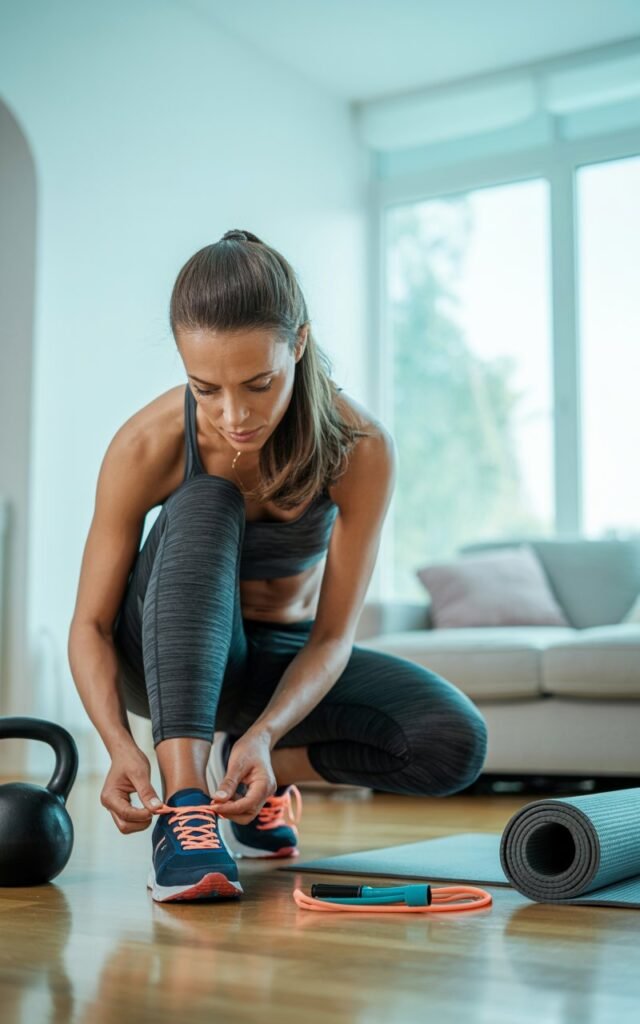
Consistency is the foundation of progress in CrossFit, especially when training at home without the motivation of a gym environment.
The secret lies in creating structure, setting clear goals, and maintaining variety to keep workouts exciting.
How To Build Long-Term Consistency:
- Set a Schedule: Choose 3–5 days per week and commit to training at the same time daily. Treat it like an appointment.
- Plan Your Workouts Ahead: Create a list of WODs for the week so you know exactly what to do each day.
- Track Performance: Record times, reps, or weights used to identify progress.
- Mix It Up: Rotate between strength, endurance, and mobility days to avoid burnout.
- Stay Accountable: Join online CrossFit communities or train with a partner virtually.
What You’ll Need:
- Planner or fitness tracking app
- Access to online CrossFit groups or YouTube channels for inspiration
- Comfortable workout setup with good ventilation
- Clear goals written down for motivation
Section 6: Recovery and Injury Prevention
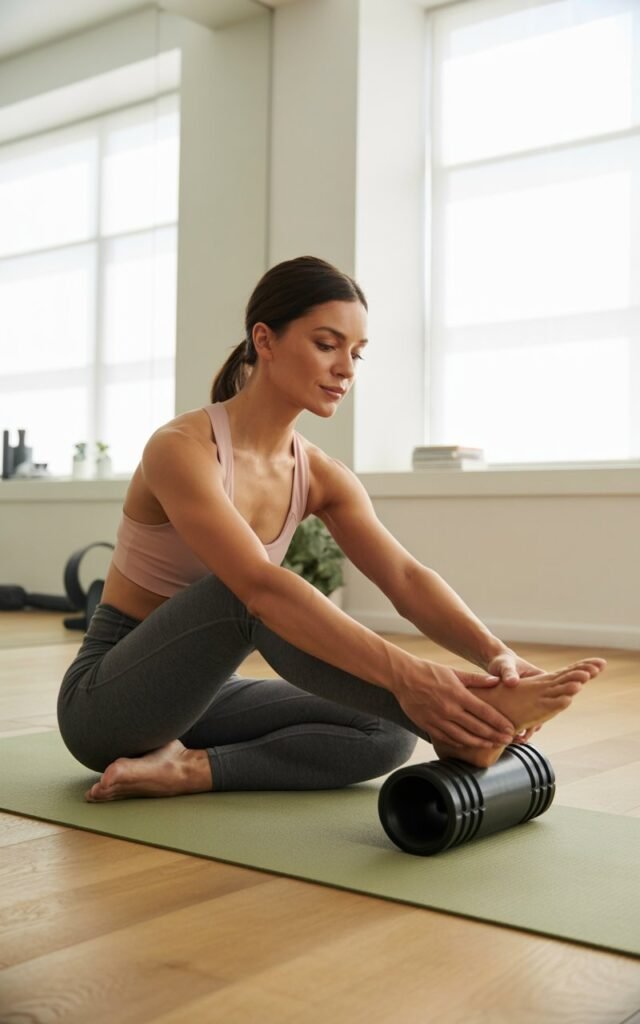
CrossFit is demanding, and recovery is essential to prevent overuse injuries and support continuous improvement.
Proper recovery ensures your muscles rebuild stronger and your joints remain stable and mobile.
How To Recover Effectively:
- Prioritize Rest Days: Schedule 1–2 days per week for active recovery — light walking, yoga, or stretching.
- Stretch Post-Workout: Focus on hips, shoulders, and hamstrings to reduce tightness.
- Hydrate and Refuel: Drink water and eat a balanced meal containing protein and carbohydrates within an hour after training.
- Listen to Your Body: Modify workouts when experiencing fatigue or soreness rather than pushing through pain.
- Sleep Well: Aim for 7–9 hours of quality sleep each night to promote muscle repair.
What You’ll Need:
- Foam roller or massage ball
- Yoga mat or stretch band
- Protein-rich snacks for post-workout recovery
- Quiet rest area and consistent sleep schedule
Section 7: Mindset and Motivation
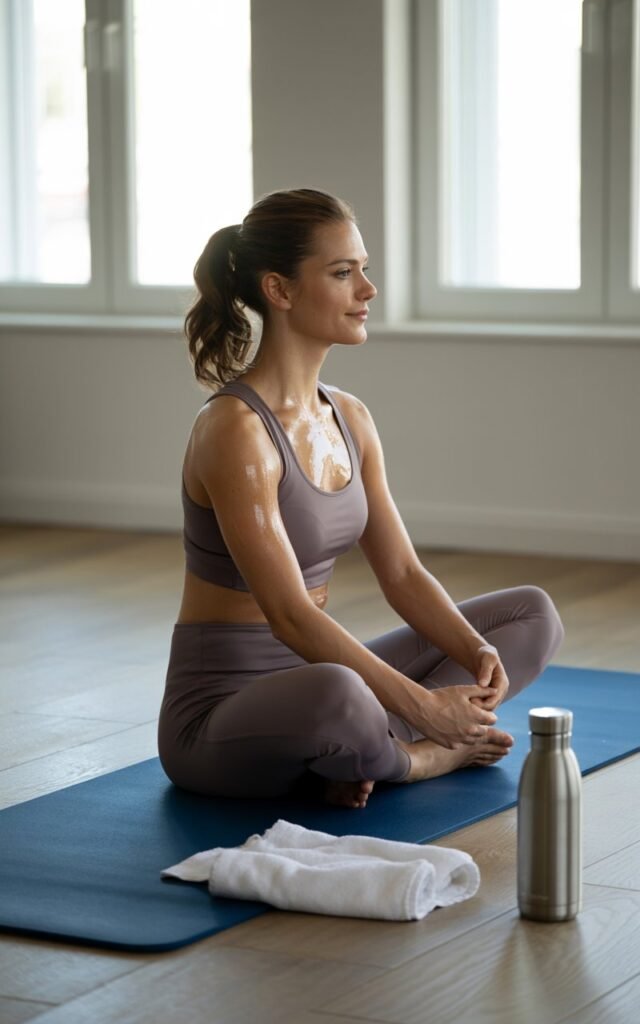
Training at home requires self-discipline and the right mindset. Without the energy of a gym or a coach watching your form, motivation must come from within.
Building a strong mental approach ensures consistency and progress even when motivation fades.
How To Strengthen Your Mindset:
- Set Specific Goals: Decide what success looks like — whether it’s mastering pull-ups, completing five rounds of a WOD, or improving endurance.
- Focus on Progress, Not Perfection: Each workout is a step forward. Small improvements in time, form, or reps add up.
- Create a Ritual: Train at the same time daily to build habit strength.
- Stay Positive: Replace negative self-talk with realistic encouragement.
- Reward Yourself: After reaching milestones, celebrate with something healthy — new workout gear, a rest day, or a nutritious meal.
What You’ll Need:
- Clear short- and long-term goals
- Workout journal or tracking app
- Quiet space free from distractions
- Positive affirmations or motivational playlist
Section 8: Common Mistakes to Avoid
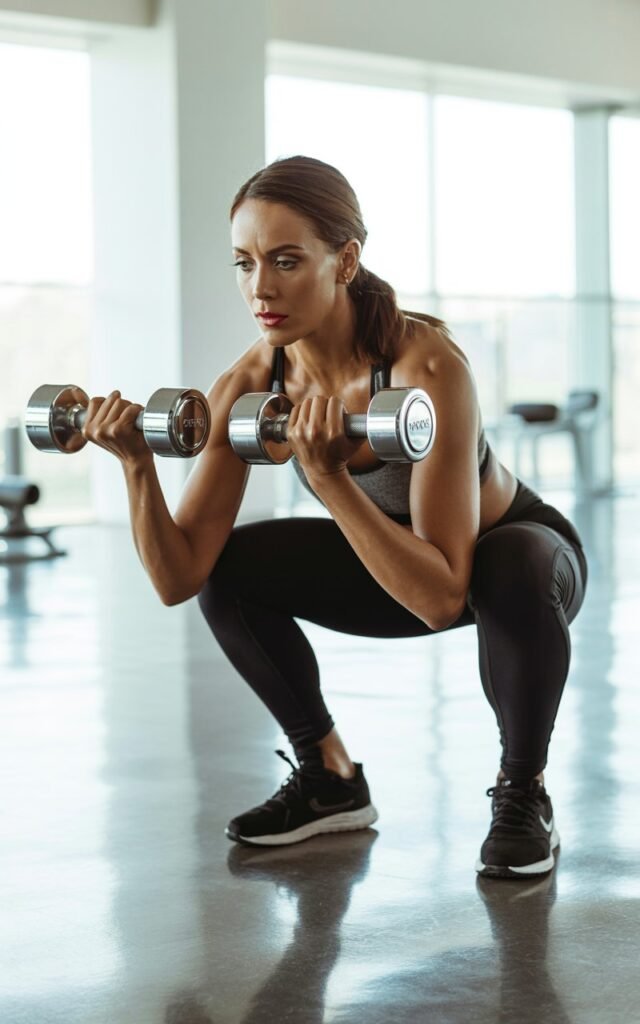
CrossFit is an intense training style, and while it’s effective, improper practice can lead to frustration or injury.
Recognizing and avoiding common mistakes ensures safe, steady progress and long-term enjoyment.
Common Mistakes:
- Skipping Warm-Ups: Cold muscles are more prone to injury.
- Overtraining: Too much intensity without rest leads to fatigue and joint stress.
- Poor Form: Performing exercises too quickly or incorrectly reduces results.
- Ignoring Mobility Work: Neglecting flexibility affects posture and range of motion.
- Lack of Structure: Random workouts make it harder to measure progress.
How To Avoid These Mistakes:
- Always warm up before high-intensity movements.
- Limit intense WODs to 3–5 days weekly.
- Use mirrors or videos to check your form regularly.
- Include stretching or yoga sessions weekly.
- Keep a simple log of exercises, reps, and improvements.
What You’ll Need:
- Timer and workout plan
- Mirror or phone camera for form checks
- Mobility tools like a foam roller
- Journal to track routines and results
Final Thoughts
CrossFit at home is more than a convenient alternative — it’s a powerful, adaptable fitness approach that can help you build strength, endurance, and discipline without expensive memberships or crowded gyms.
By mastering the basics, maintaining consistency, and prioritizing recovery, you can transform your fitness level and stay motivated year-round.
Whether your goal is to lose fat, tone up, or simply feel stronger in everyday life, CrossFit offers the versatility and challenge needed to keep you engaged.
Every rep, every session, and every drop of sweat brings you closer to your fittest, most confident self — right from the comfort of home.
Frequently Asked Questions
1. Can I start CrossFit at home as a beginner?
Yes. Start with basic bodyweight exercises and focus on proper form. Gradually increase intensity as you build strength and endurance.
2. How many days a week should I do CrossFit at home?
Most people benefit from 3–5 days per week, depending on recovery and fitness level. Include at least one rest day weekly.
3. Do I need equipment to do CrossFit at home?
Not necessarily. You can use bodyweight-only workouts or basic equipment like dumbbells, resistance bands, or a jump rope for variety.
4. Is CrossFit safe to do without a coach?
Yes, as long as you focus on form, warm up properly, and progress gradually. Beginners can follow online tutorials or official CrossFit resources for guidance.
5. How long should each workout last?
Most home CrossFit workouts take 20–40 minutes, including warm-up and cool-down, depending on intensity and structure.