



Aesthetic fitness isn’t about chasing numbers on a scale or lifting the heaviest weights in the gym. It’s about achieving a balanced, proportionate, and sculpted body that looks as strong as it feels.
A well-developed aesthetic physique showcases symmetry between the upper and lower body, muscular definition without excess bulk, and a natural posture that radiates confidence.
Unlike traditional bodybuilding or endurance training, fitness aesthetics focuses on harmony — the idea that every muscle contributes to the overall look and performance of your body.
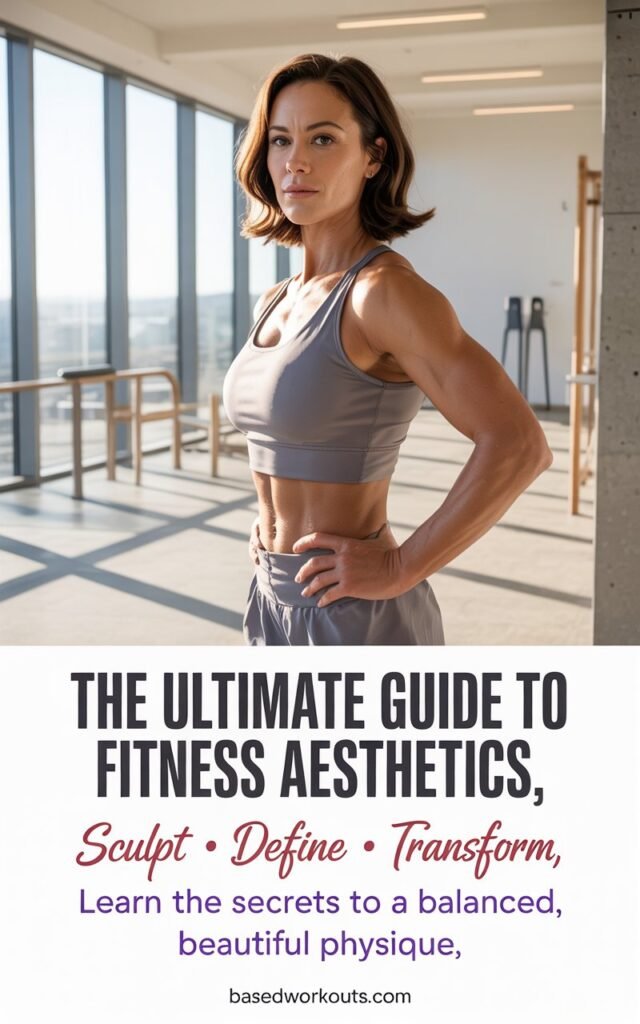
It’s the reason why some physiques appear effortlessly “put together” even without massive muscle size.
Whether you’re a beginner or have been training for years, this guide will teach you how to sculpt your body with precision and purpose.
In this post, you’ll learn how to balance your proportions, choose exercises that enhance symmetry, and fine-tune your nutrition for a lean, defined appearance.
You’ll also discover how small adjustments in your training — from rep ranges to rest periods — can dramatically improve your muscle shape and overall body composition.
Section 1: Understanding the Principles of Aesthetic Training
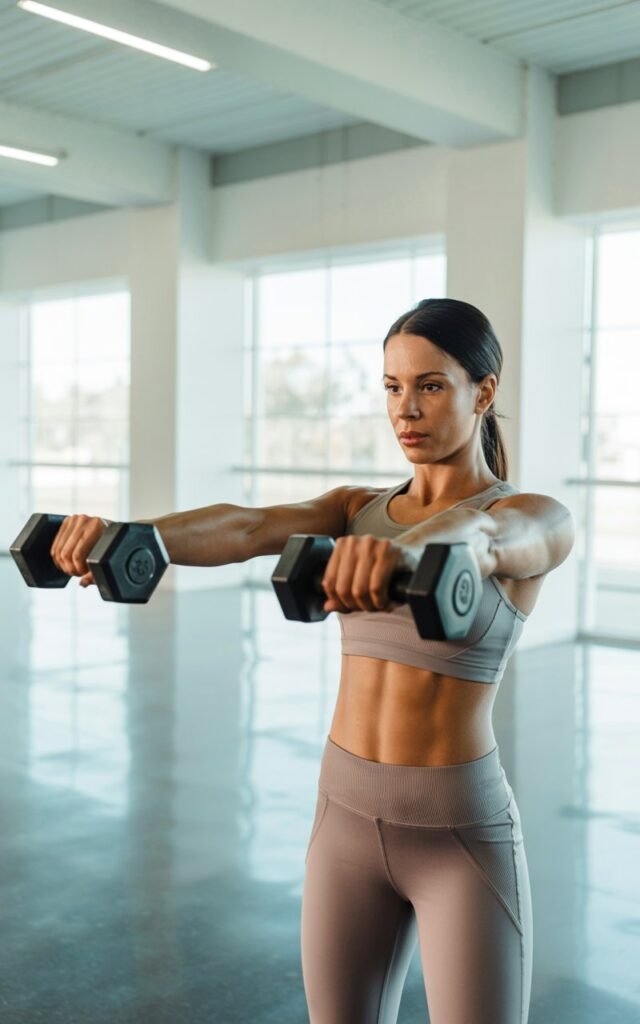
Before you can build an aesthetic physique, you must understand what makes it stand out. The goal is not just to gain muscle but to create visual harmony.
This means training strategically so that every muscle group supports the others in both form and function.
Key principles of aesthetic training include:
- Symmetry: Balancing the size and shape of opposing muscle groups (for example, biceps and triceps, chest and back, quads and hamstrings).
- Proportion: Ensuring that your upper and lower body develop evenly. A wide back, tapered waist, and balanced legs are classic hallmarks of aesthetic fitness.
- Muscle Definition: Reducing body fat while maintaining lean muscle to reveal natural lines and shape.
- Posture and Flow: Building core strength and mobility so your movements look natural, not stiff or overdeveloped.
How To Apply It:
Start by evaluating your current physique. Take a full-body photo from the front, side, and back. Identify areas that appear underdeveloped or overdeveloped.
Create a training plan that emphasizes weak points while maintaining your strengths. For example, if your shoulders lag behind your chest, dedicate an extra day to deltoid work each week.
What You’ll Need:
- A full-length mirror or clear photos for assessment
- A simple notebook or fitness app to track muscle groups trained
- Basic understanding of exercise form and tempo
Section 2: Designing Your Aesthetic Workout Split
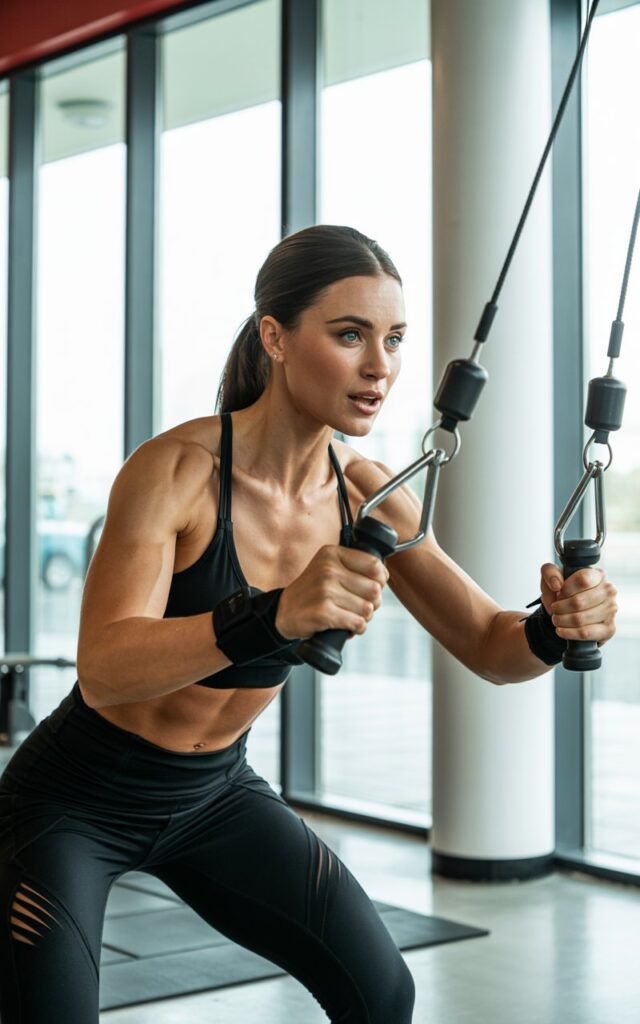
To build an aesthetic body, your training split must target each muscle group with precision.
The most effective routines blend compound and isolation movements while maintaining high attention to form and balance.
Popular Aesthetic Splits Include:
- Push/Pull/Legs Split: Trains the body in functional movement patterns and ensures recovery between sessions.
- Upper/Lower Split: Allows for a balanced focus between strength and symmetry.
- Classic Aesthetic Split (Chest & Back, Shoulders & Arms, Legs): Prioritizes shape, detail, and proportion.
How To Create Your Own Split:
- Choose 3–5 training days per week depending on your experience level.
- Schedule rest or active recovery days between intense sessions.
- Include one day specifically for posture, stretching, or core balance work.
Example 4-Day Split:
- Day 1: Chest + Back
- Day 2: Legs
- Day 3: Shoulders + Arms
- Day 4: Core + Cardio Aesthetics (mobility, ab shaping, light HIIT)
What You’ll Need:
- Dumbbells, resistance bands, or a gym membership
- Comfortable workout gear for mobility
- A water bottle and towel (aesthetic training often involves high-volume sets)
Section 3: The Role of Nutrition in Aesthetic Fitness

A sculpted physique isn’t possible without proper nutrition. While training shapes your muscles, diet determines how visible they are.
Aesthetic nutrition centers on maintaining a lean body composition — enough calories to fuel muscle growth but not so much that excess fat covers your definition.
How To Eat for an Aesthetic Look:
- Focus on a moderate calorie surplus during muscle-building phases, and a slight deficit during cutting phases.
- Prioritize protein (chicken, fish, eggs, Greek yogurt, tofu) to support recovery and definition.
- Choose complex carbohydrates like oats, sweet potatoes, and quinoa for sustained energy.
- Incorporate healthy fats such as olive oil, nuts, and avocados to maintain hormonal balance.
- Stay hydrated — muscles appear fuller and more defined when properly hydrated.
What You’ll Need:
- A calorie-tracking app or journal
- Food scale for accurate portioning
- Consistent meal schedule (3–5 balanced meals per day)
Section 4: Essential Aesthetic Exercises for Symmetry and Definition

To build an aesthetic physique, you must train every major muscle group with exercises that highlight shape, proportion, and balance.
These movements emphasize control, full range of motion, and muscle engagement over heavy weights.
Key Exercises for Aesthetic Development:
- Chest: Incline Dumbbell Press, Cable Flys
- Back: Pull-Ups, Dumbbell Rows, Lat Pulldowns
- Shoulders: Lateral Raises, Arnold Press, Face Pulls
- Arms: Barbell Curls, Triceps Pushdowns, Hammer Curls
- Legs: Bulgarian Split Squats, Romanian Deadlifts, Leg Extensions
- Core: Hanging Leg Raises, Cable Crunches, Planks
These exercises shape your muscles from every angle, ensuring your body looks balanced and defined when viewed from all sides.
How To Train for Aesthetic Muscle Growth:
- Focus on form and muscle contraction, not just moving weight.
- Use a moderate rep range (8–15 reps) with controlled tempo.
- Add isolation movements at the end of your workout to enhance weaker areas.
- Train each muscle group at least twice per week for optimal growth.
What You’ll Need:
- Dumbbells or adjustable weights
- Access to cables or resistance bands
- A training bench
- Mirror for form checks
Section 5: Cardio for Definition and Conditioning

Cardio plays an important role in creating an aesthetic body by reducing excess body fat and improving overall conditioning.
The goal is to reveal your muscle lines and keep your cardiovascular system efficient without compromising muscle tone.
Effective Cardio Methods for Aesthetics:
- Steady-State Cardio: Moderate intensity on a treadmill, stationary bike, or outdoors for 30–45 minutes.
- High-Intensity Interval Training (HIIT): Short, powerful bursts of movement followed by rest (e.g., 20 seconds sprint, 40 seconds walk).
- Active Recovery: Light swimming, cycling, or brisk walking to promote circulation on rest days.
How To Incorporate Cardio:
- Add 2–4 cardio sessions per week depending on your body fat percentage and goals.
- Use HIIT sparingly — 1–2 times weekly — to preserve muscle mass.
- Perform cardio after resistance training or on separate days to maximize fat utilization.
What You’ll Need:
- Comfortable running shoes
- Jump rope or treadmill access
- Stopwatch or timer app
- Water for hydration during longer sessions
Section 6: Recovery, Sleep, and Consistency

Recovery is the foundation of any aesthetic transformation. Your muscles grow and repair during rest, not while you’re training.
Proper recovery prevents fatigue, promotes hormone balance, and keeps your body looking lean and sculpted over time.
How To Recover Effectively:
- Aim for 7–9 hours of sleep each night.
- Stretch after each workout to improve flexibility and blood flow.
- Incorporate rest days or light mobility work between heavy training days.
- Use foam rolling or massage tools to relieve tightness and prevent injury.
What You’ll Need:
- Foam roller or massage ball
- Yoga mat for stretching
- Comfortable pillow and dark sleep environment
- Protein-rich snack before bed (optional for muscle recovery)
Section 7: Mindset and Motivation for Aesthetic Training

Developing an aesthetic physique requires more than physical effort — it requires mental focus and consistency. Motivation and discipline are the unseen forces that turn workouts and nutrition into lasting results.
How To Cultivate the Right Mindset:
- Set measurable, realistic goals: Define specific targets like “increase shoulder width” or “reduce waist by two inches.”
- Track your progress visually: Take photos or measurements every 4–6 weeks to notice subtle improvements.
- Celebrate small victories: Completing all sets with proper form, increasing weights, or improving endurance are wins in themselves.
- Stay patient and consistent: Aesthetic transformations take time — focus on long-term results rather than quick fixes.
- Find support: Online communities, training partners, or personal coaches can help maintain accountability.
What You’ll Need:
- Progress photos or measurement tools
- Journal or fitness app for logging workouts
- Access to online communities or support networks
- Mindset cues or motivational resources (books, podcasts, or videos)
Section 8: Common Mistakes to Avoid
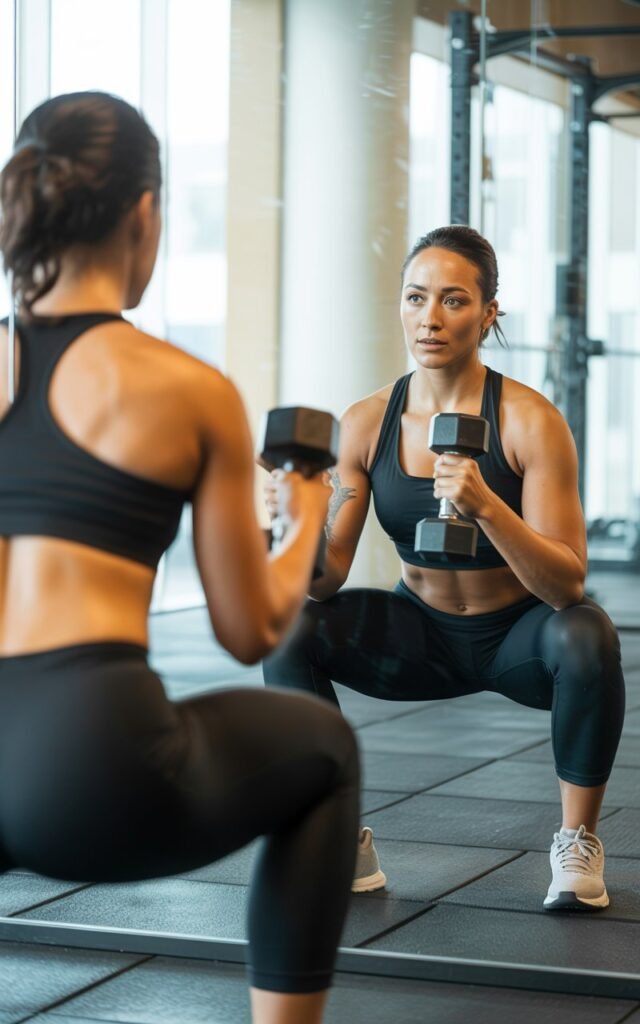
Even with a solid plan, certain pitfalls can slow progress or compromise your aesthetics. Recognizing these mistakes ensures your training is efficient, safe, and effective.
Common Mistakes:
- Neglecting weaker muscle groups: This disrupts symmetry and limits aesthetic appeal.
- Overtraining: Too much volume or intensity can lead to burnout, injury, and stalled progress.
- Ignoring nutrition: Muscles won’t show if excess body fat covers them.
- Poor form: Compromised technique reduces muscle engagement and increases injury risk.
- Inconsistent recovery: Skipping rest days prevents growth and can affect posture and definition.
How To Avoid Them:
- Stick to a balanced workout split targeting all major muscle groups.
- Follow progressive overload, gradually increasing weights without rushing.
- Pair workouts with a lean, protein-rich diet.
- Prioritize quality of movement over quantity.
- Schedule rest and recovery days for muscle repair and growth.
What You’ll Need:
- Proper training plan with balanced exercises
- Fitness journal to monitor progress
- Timer or workout app to manage intensity
- Resistance bands or adjustable weights to modify loads safely
Final Thoughts
Building a symmetrical, sculpted physique is a journey of precision, consistency, and focus.
Aesthetic fitness isn’t just about looking good — it’s about functional strength, posture, and confidence in your body.
By combining strategic resistance training, targeted cardio, proper nutrition, and recovery, you can achieve a lean, balanced, and visually appealing physique.
Consistency, patience, and attention to detail are the keys to success.
With this guide, you now have the tools and knowledge to train effectively, shape every muscle, and enjoy the process of creating a body that is both strong and aesthetically harmonious.
Frequently Asked Questions
1. Can I achieve an aesthetic physique without a gym?
Yes. With bodyweight exercises, resistance bands, or dumbbells, you can train all major muscle groups effectively at home. Consistency and proper form are key.
2. How long does it take to see aesthetic results?
Visible changes often appear after 8–12 weeks of consistent training and nutrition, but building full symmetry and definition may take 6–12 months depending on starting point and goals.
3. Should I focus more on heavy weights or high reps for aesthetics?
A combination works best. Moderate to heavy weights (8–15 reps) build muscle, while higher reps with controlled tempo enhance definition and shape.
4. How important is diet in aesthetic fitness?
Nutrition is critical. Lean protein, complex carbs, healthy fats, and proper hydration are essential to reveal muscle definition and maintain energy for workouts.
5. Can women and men follow the same aesthetic training principles?
Yes. While hormonal differences affect muscle-building speed, the principles of symmetry, proportion, and controlled resistance apply to both.




[…] training improves posture, enhances curves, and supports long-term fitness. As explained in Based Workouts’ guide, symmetry and proportion—not size—define a true aesthetic […]