I’ve always struggled with sticking to strict diets. Between a busy routine and constantly thinking about what to cook for my family, I needed something simple, realistic, and not overly complicated.
Instead of extreme dieting, I focused on homemade meals that were filling, high in protein, and easy to prepare with everyday ingredients.
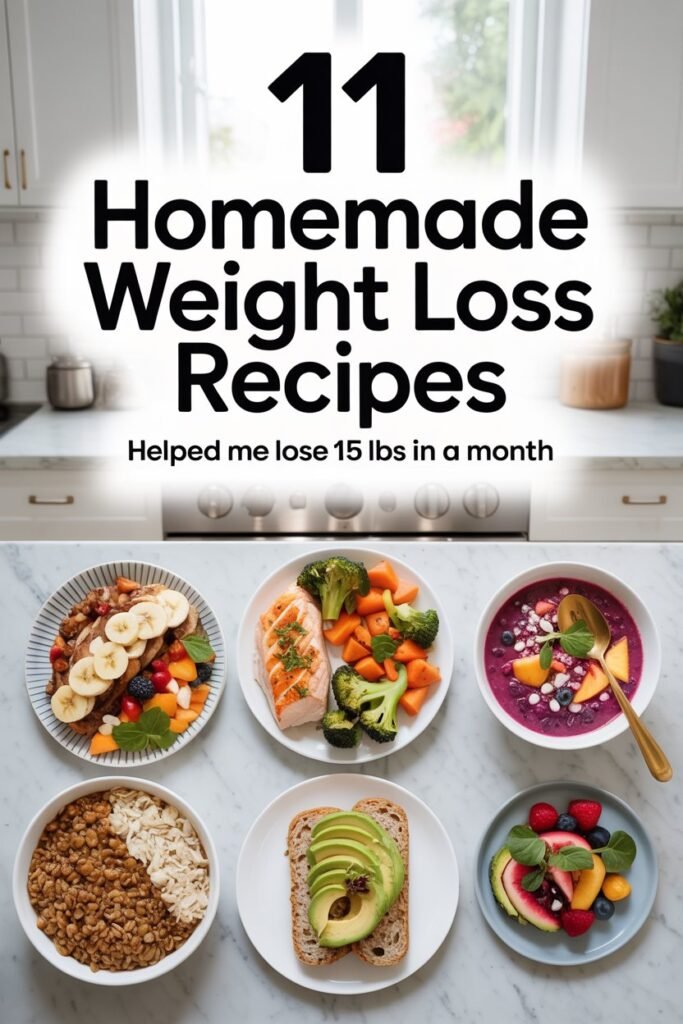
Over time, I noticed changes in my energy levels, my cravings reduced, and I naturally became more consistent with my eating habits.
This post shares 11 homemade food recipes I personally relied on during that phase. These are not magic meals, but they helped me stay on track, control portions better, and build a more balanced way of eating.
Why These Homemade Recipes Worked for Me
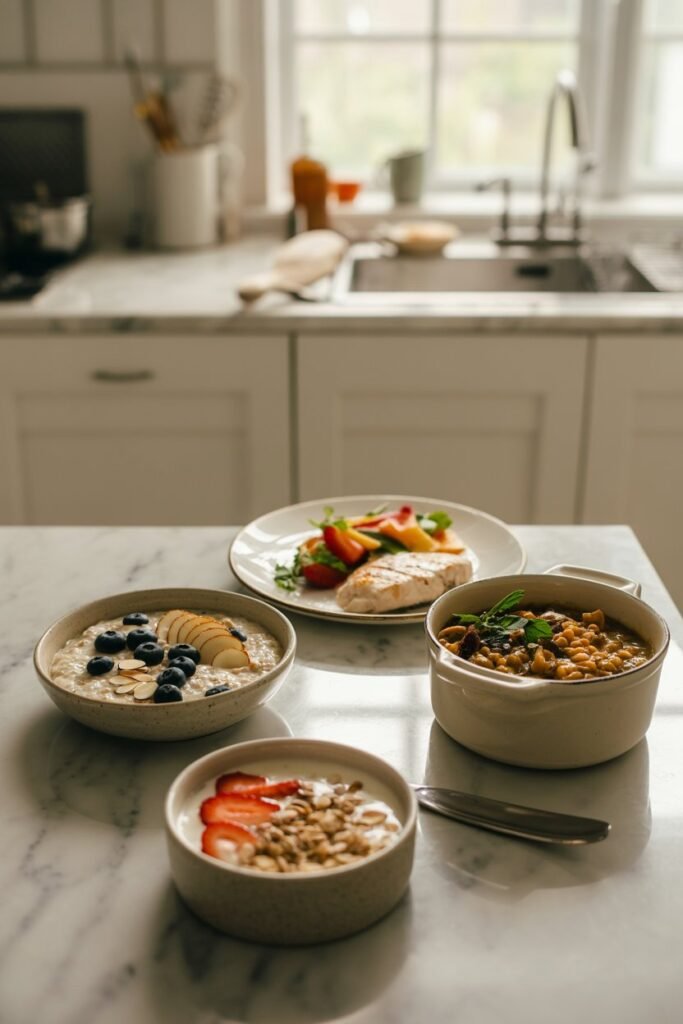
Before jumping into the recipes, here’s what made a difference for me:
- I stopped relying on processed foods most of the time
- I focused on protein-rich meals that kept me full longer
- I kept ingredients simple and budget-friendly
- I cooked in batches to avoid random snacking
- I avoided skipping meals, especially breakfast
This combination made my routine easier to maintain without feeling restricted.
How These Meals Support Weight Loss
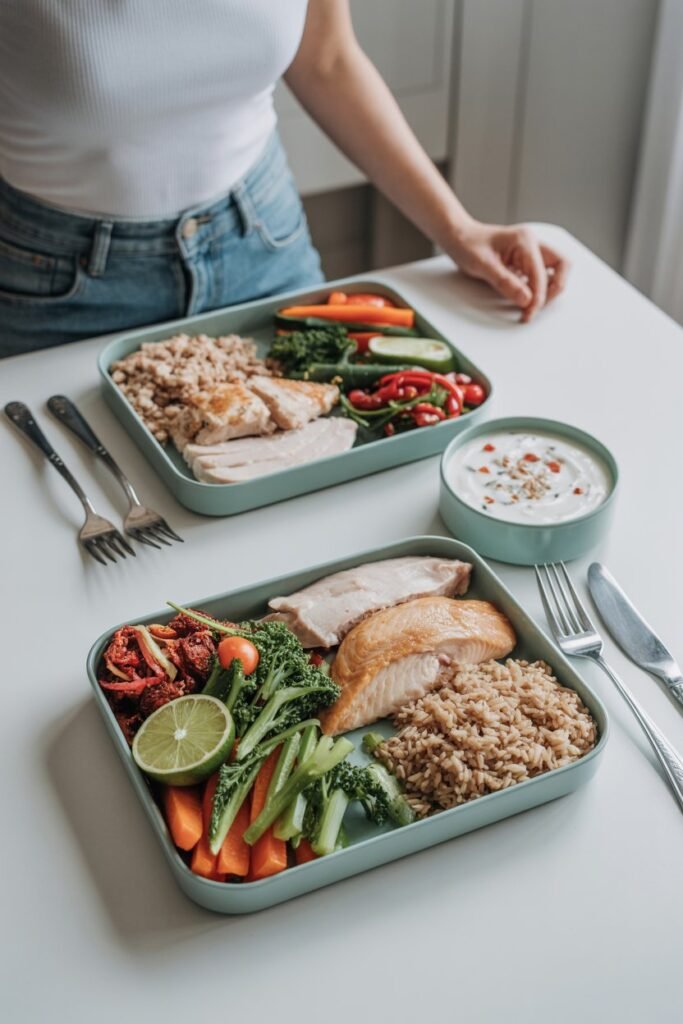
These meals support weight loss by helping you naturally control your eating without strict dieting.
- Keep you full longer (protein + fiber)
- Reduce snacking and overeating
- Replace processed, high-calorie foods
- Improve portion control through home cooking
- Provide steady energy and fewer cravings
- Make healthy eating easier to stick with long-term
In simple terms, they work because they help you eat better consistently—not because they are “magic” foods.
11 Homemade Weight Loss Recipes That Helped Me Eat Better and Stay Consistent
When I started focusing on my eating habits, I didn’t follow any strict diet plan. Instead, I switched to simple homemade meals that were easy to prepare, filling, and realistic for my daily routine.
Over time, these recipes helped me feel more in control of my portions, reduce constant snacking, and stay more consistent with healthier choices without feeling restricted.
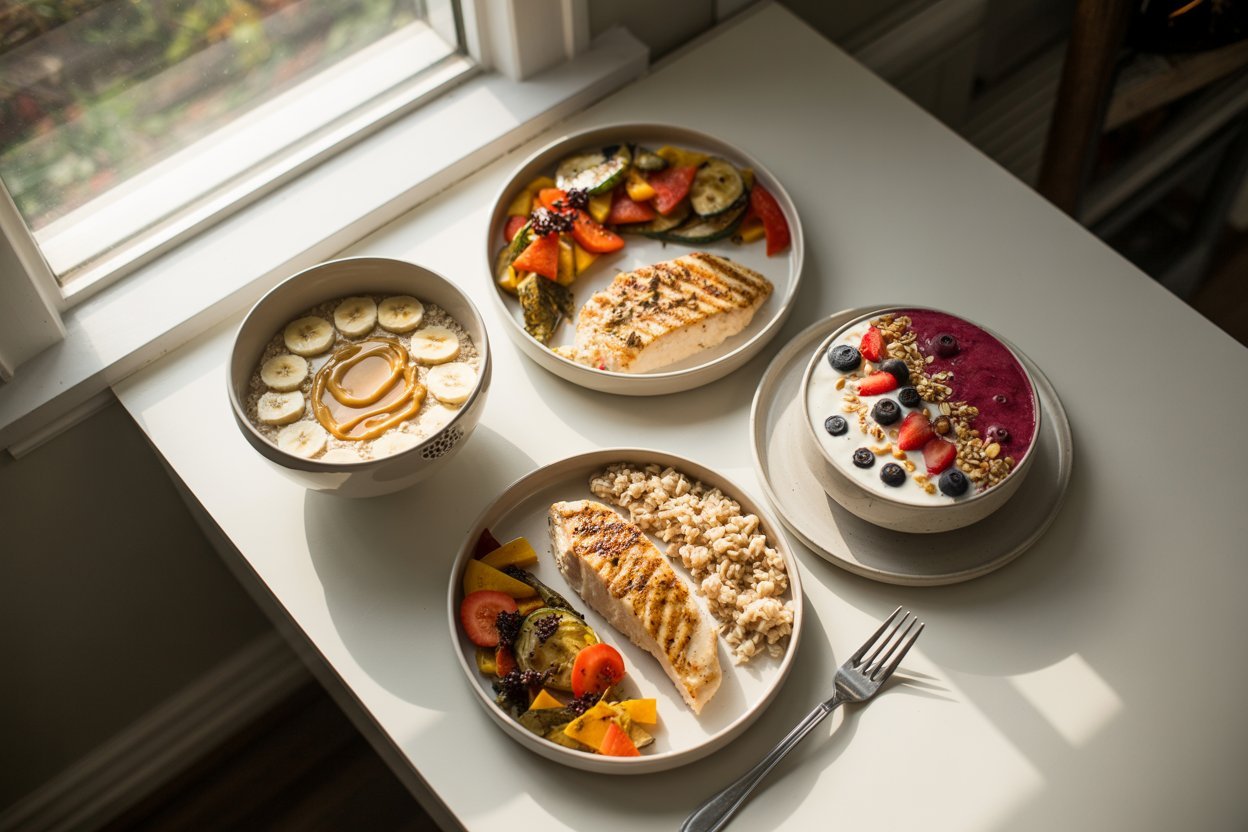
Below are 11 simple homemade recipes that became part of my routine and made healthy eating much easier to maintain.
1. Oatmeal with Peanut Butter and Banana
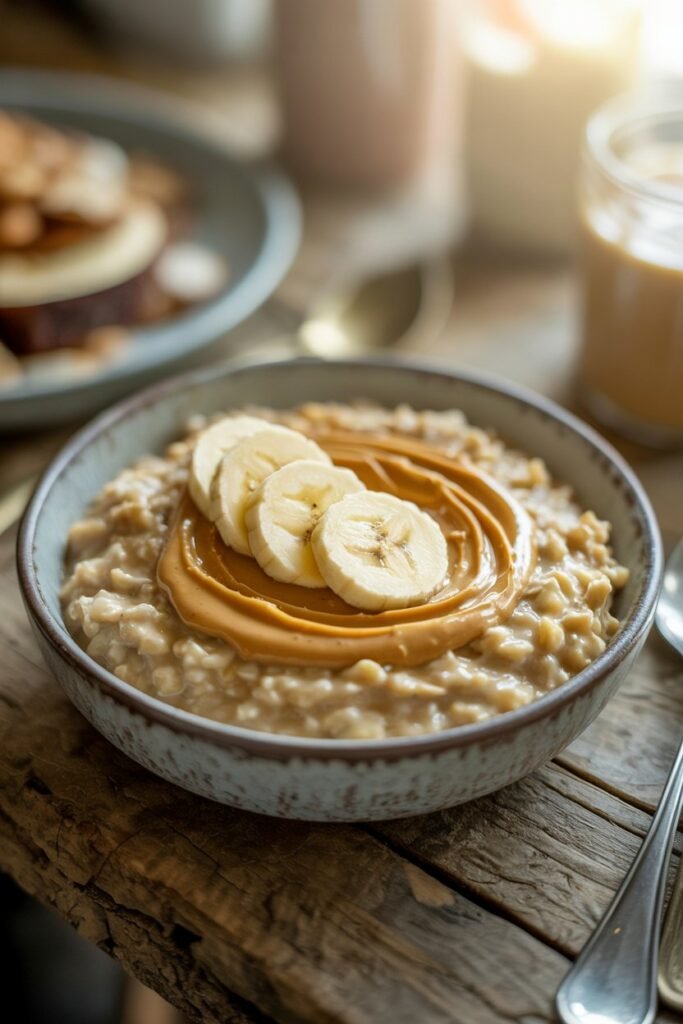
This was one of my most consistent breakfast meals during my weight loss routine because it was simple, affordable, and actually kept me full for hours.
I didn’t feel the need to snack shortly after eating it, which made a big difference in my overall daily calorie control.
What I liked most about this meal is how easy it is to adjust depending on what you have at home. It doesn’t require fancy ingredients, and it takes less than 10 minutes to prepare.
Ingredients You’ll Need
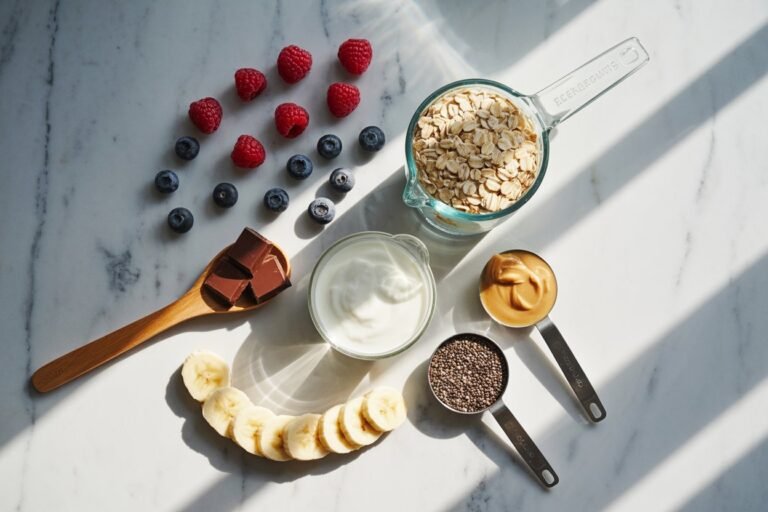
- 1/2 cup rolled oats
- 1 cup water or milk (or a mix of both)
- 1 medium banana
- 1 tablespoon peanut butter (natural if possible)
- Optional: cinnamon or a drizzle of honey
How to Prepare It
- Add oats and liquid (water or milk) into a small pot.
- Cook on medium heat for about 5–7 minutes, stirring occasionally until it thickens.
- Slice the banana and set it aside.
- Once the oats are ready, pour them into a bowl.
- Stir in peanut butter while the oats are still warm so it melts slightly.
- Top with banana slices and add a light sprinkle of cinnamon if you like extra flavor.
Why This Meal Worked for Me
This wasn’t just a “healthy breakfast” — it actually helped me stay consistent.
- Oats gave me slow-releasing energy
- Peanut butter added healthy fats that kept me full longer
- Banana helped satisfy my sweet cravings naturally
- The combination reduced my urge to snack mid-morning
I noticed that on days I ate this breakfast, I was less likely to reach for sugary snacks later in the day.
Simple Tips to Make It Better
- Use natural peanut butter with no added sugar
- Don’t overdo the peanut butter portion (it’s healthy but calorie-dense)
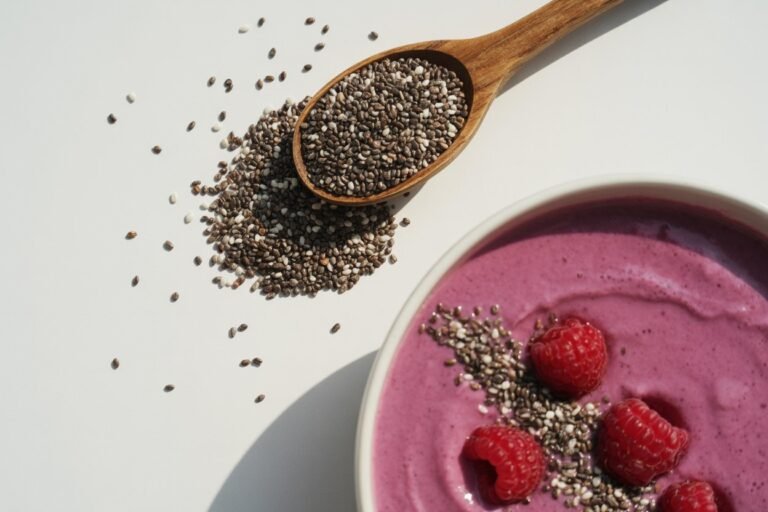
- Add chia seeds or flaxseeds for extra fiber if you want
- For a higher-protein version, mix in a spoon of Greek yogurt or protein powder
Mistakes to Avoid
When I first started making this, I used to add too much peanut butter and honey, thinking it was still “healthy anyway.” But I later realized portion control still matters even with healthy foods.
Another mistake was skipping protein entirely — adding a small protein boost made a big difference in how long I stayed full.
2. Grilled Chicken with Steamed Vegetables
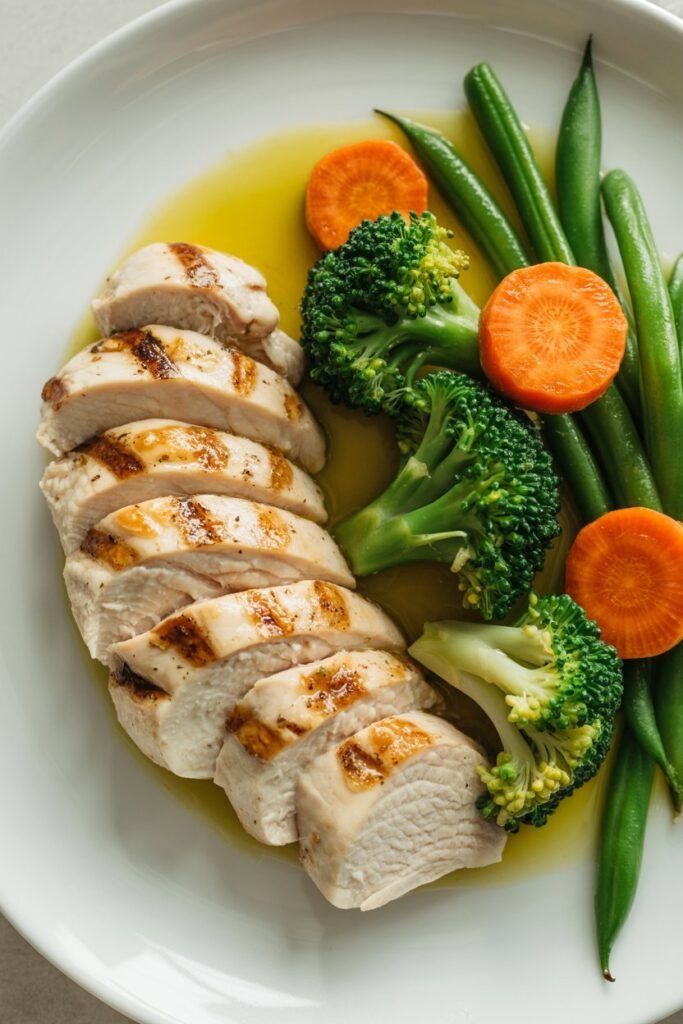
This was one of my most reliable lunch and dinner options during the period I was trying to eat more balanced meals. It’s simple, clean, and surprisingly satisfying when prepared well.
I didn’t need complicated sauces or extra sides—just basic seasoning and fresh ingredients.
What made this meal stand out for me was how “light but filling” it felt. I could eat it and still feel energized afterward instead of sluggish, which helped me stay consistent with my daily routine.
Ingredients You’ll Need
- 1 medium chicken breast (or thighs if preferred)
- 1–2 cups mixed vegetables (broccoli, carrots, green beans, bell peppers)
- 1 tablespoon olive oil
- Salt and black pepper to taste
- Garlic powder or fresh garlic (optional)
- Lemon juice (optional for flavor)
How to Prepare It
- Season the chicken with salt, pepper, garlic, and a small drizzle of olive oil. Let it sit for 10–15 minutes if you have time.
- Heat a grill pan or regular pan on medium heat.
- Cook the chicken for about 5–7 minutes on each side until fully cooked and lightly golden.
- While the chicken cooks, steam your vegetables until they are tender but still slightly crisp (about 5–8 minutes).
- Once done, plate everything together and squeeze a bit of lemon juice over the top for extra flavor.
Why This Meal Worked for Me
This meal became a staple for me because it helped me feel in control of my eating without feeling restricted.
- Chicken provided a solid source of protein that kept me full longer
- Steamed vegetables added volume without too many calories
- It was easy to portion and didn’t lead to overeating
- I didn’t feel heavy or tired after eating it
On busy days, this was one of the meals that kept me from reaching for fast food or skipping meals entirely.
Simple Tips to Make It Better
- Marinate the chicken for a few hours if you want deeper flavor
- Use a mix of colorful vegetables to keep it more satisfying visually and nutritionally
- Add a small portion of brown rice or quinoa if you need more energy for the day
- Try grilling in batches so you can store and reheat for 2–3 days
Mistakes I Made Early On
At first, I used to overcook the chicken, which made it dry and less enjoyable.
I also used to skip seasoning, thinking “plain equals healthy,” but that made the meal boring and harder to stick with.
Another mistake was underestimating portion balance—I would sometimes eat too little and end up hungry later, which led to unnecessary snacking.
3. Vegetable Stir Fry with Eggs
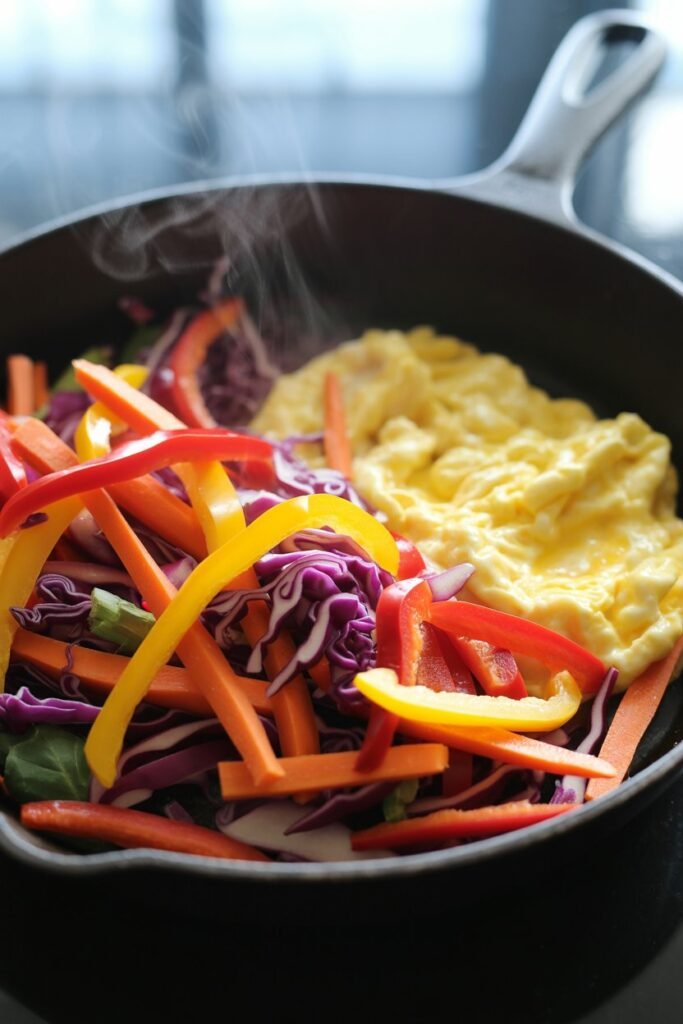
This was one of those meals I leaned on whenever I wanted something quick, warm, and satisfying without spending too much time in the kitchen.
It’s simple, flexible, and works with almost any vegetables you already have at home.
What I liked most about this recipe is how easy it was to adjust depending on my mood or what was available in the fridge.
It also felt like a “clean-out-the-fridge” meal, but still healthy and intentional.
Ingredients You’ll Need
- 2 eggs
- 1–2 cups mixed vegetables (cabbage, carrots, bell peppers, green beans, onions, spinach)
- 1 tablespoon olive oil or vegetable oil
- Salt and black pepper to taste
- Garlic (fresh or powder)
- Optional: soy sauce (light use)
How to Prepare It
- Chop all vegetables into small, even pieces so they cook quickly.
- Heat a pan on medium heat and add a small amount of oil.
- Add garlic and onions first, then sauté for about 1–2 minutes until fragrant.
- Add the harder vegetables (like carrots and green beans) and cook for a few minutes.
- Toss in the softer vegetables (like cabbage or spinach) and stir continuously.
- Push the vegetables to one side of the pan and crack in the eggs.
- Scramble the eggs lightly in the pan, then mix everything together.
- Season with salt, pepper, and a small splash of soy sauce if using.
Why This Meal Worked for Me
This meal helped me stay consistent because it was both light and filling at the same time.
- Eggs provided protein that kept me satisfied
- Vegetables added fiber and volume without excess calories
- It was fast to prepare, especially on busy days
- It reduced my tendency to snack randomly later in the day
It also felt like a comfort meal, which made it easier for me to stick with healthy eating without feeling restricted.
Simple Tips to Make It Better
- Don’t overcook the vegetables—keeping them slightly crunchy makes the meal more satisfying
- Use a variety of colors to make it more filling visually and nutritionally
- Add a small portion of brown rice or noodles if you need extra energy
- Crack an extra egg if you want a higher-protein version
Mistakes I Made Early On
At first, I used to overcook everything until it became soft and watery, which made it less enjoyable. I also used to skip seasoning, thinking it didn’t matter, but flavor actually played a big role in whether I stayed consistent.
Another mistake was adding too much oil, which made the meal heavier than it needed to be.
4. Greek Yogurt with Berries and Honey
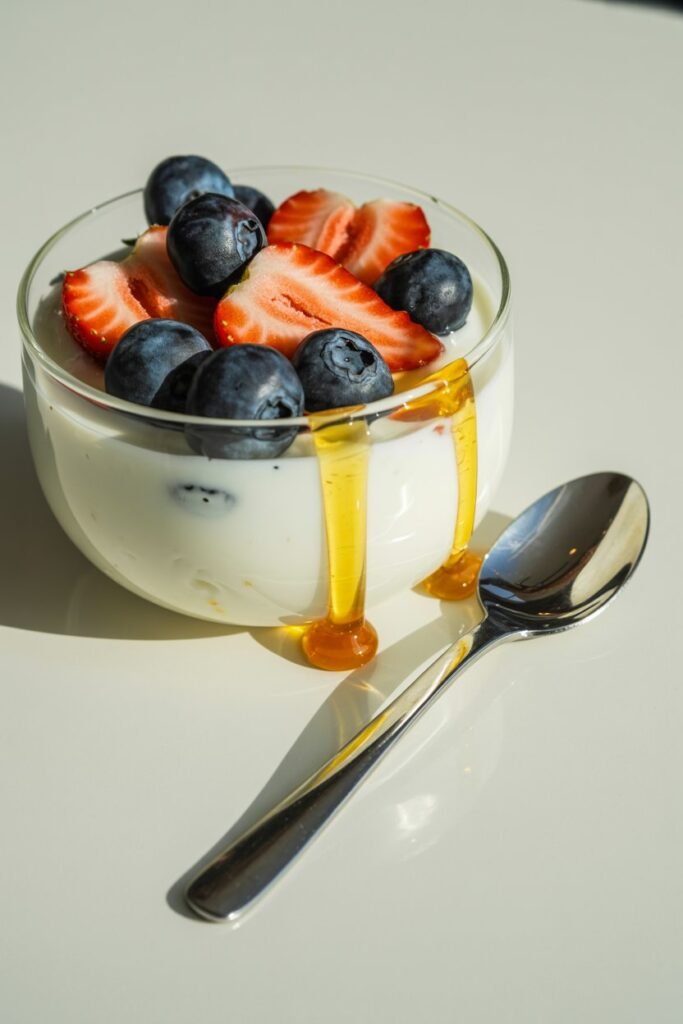
This was one of my easiest “no-cook” options and honestly saved me on days when I didn’t feel like preparing anything heavy.
It worked perfectly as a quick breakfast, snack, or even a light evening option when I wanted something sweet but still relatively balanced.
What I liked most about this is that it felt like a treat, but it still supported my eating goals instead of derailing them.
Ingredients You’ll Need
- 1 cup plain Greek yogurt (unsweetened if possible)
- 1/2 cup mixed berries (strawberries, blueberries, raspberries, or any available)
- 1–2 teaspoons honey (adjust based on taste)
- Optional: chia seeds, nuts, or granola for added texture
How to Prepare It
- Add Greek yogurt into a bowl or container.
- Wash and prepare your berries, then add them on top.
- Drizzle a small amount of honey over the mixture.
- Mix lightly or layer it depending on your preference.
- Add optional toppings like chia seeds or a few nuts if desired.
Why This Meal Worked for Me
This became one of my favorite options because it helped me manage sweet cravings in a smarter way.
- Greek yogurt provided protein that helped keep me full
- Berries added natural sweetness and fiber
- Honey gave just enough flavor without needing processed sugar
- It was quick, convenient, and required no cooking
On days when I usually would have reached for snacks or desserts, this helped me stay on track without feeling deprived.
Simple Tips to Make It Better
- Use plain Greek yogurt instead of flavored versions to avoid added sugar
- Keep honey minimal so it stays balanced and not overly sweet
- Add chia seeds for extra fiber and fullness
- Chill it for a few minutes before eating for a more refreshing taste
Mistakes I Made Early On
At first, I used flavored yogurts thinking they were all healthy, but I later realized many of them contain hidden sugars. I also used to add too much honey, which made it less effective for my goals.
Another mistake was not paying attention to portion size—I would sometimes eat a large bowl thinking it was “just yogurt,” but balance still matters.
5. Homemade Chicken Soup
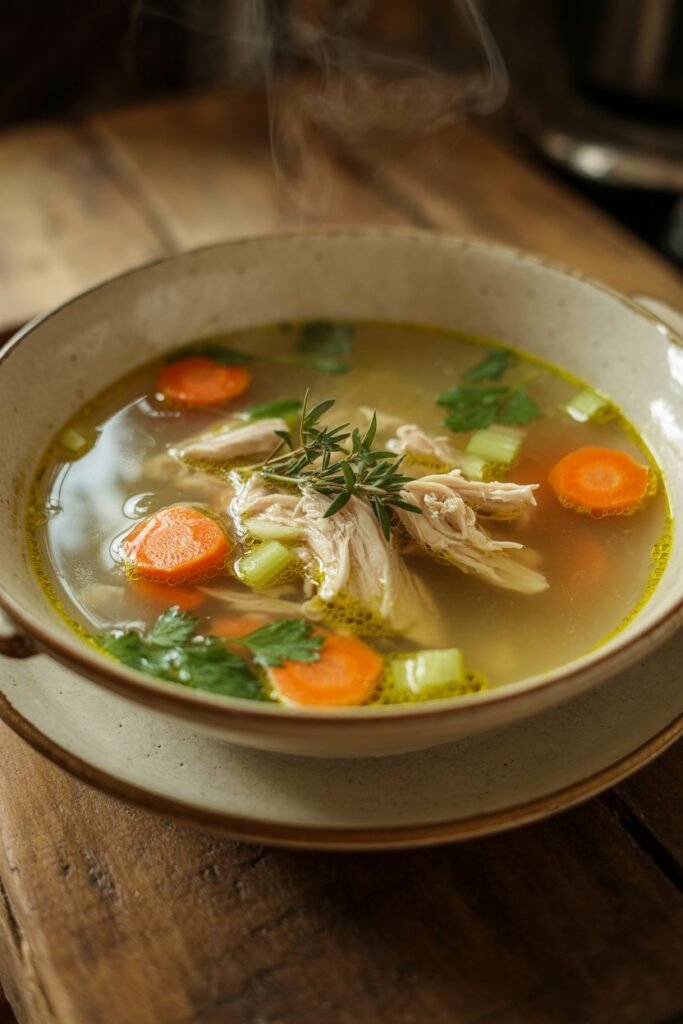
This was one of the most comforting meals I relied on, especially on days when I wanted something warm, light, and easy on the stomach.
It wasn’t just about weight loss for me this meal also helped me stay consistent because it felt soothing and satisfying without being heavy.
What I noticed over time is that when I replaced heavier meals with this kind of homemade soup, I naturally felt less bloated and more in control of my portions.
Ingredients You’ll Need
- 1 medium chicken breast or chicken pieces (with or without bone)
- 1–2 carrots, chopped
- 1 small onion, chopped
- 1–2 garlic cloves (optional)
- 1–2 cups chopped vegetables (cabbage, celery, green beans, or spinach)
- Salt and black pepper to taste
- 1 teaspoon olive oil (optional)
- Water or low-sodium broth
How to Prepare It
- In a pot, add chicken, onions, garlic, and enough water or broth to cover everything.
- Bring to a boil, then reduce heat and let it simmer for about 15–20 minutes until the chicken is cooked.
- Remove the chicken, shred it into smaller pieces, and set aside.
- Add carrots and any harder vegetables into the broth and cook for another 10 minutes.
- Add softer vegetables like cabbage or spinach and cook for a few more minutes.
- Return the shredded chicken to the pot and mix everything together.
- Season with salt and pepper to taste. Add a small drizzle of olive oil if desired.
Why This Meal Worked for Me
This soup became a regular part of my routine because it helped me stay full without feeling heavy or sluggish.
- It was low in calories but still filling due to volume
- The chicken provided protein that helped control hunger
- Vegetables added fiber and nutrients
- It helped me avoid overeating later in the day
I also found it especially helpful on days when I felt like I had eaten too much the day before and wanted something lighter without skipping meals.
Simple Tips to Make It Better
- Make a large batch so you can store it for 2–3 days
- Use bone-in chicken for a richer flavor and more nutrients
- Add herbs like thyme or parsley for better taste without extra calories
- Keep seasoning simple to avoid turning it into a heavy dish
Mistakes I Made Early On
At first, I used to boil the chicken for too long, which made it dry and less flavorful.
I also didn’t season it properly, thinking it needed to be “plain” to be healthy, but that made it harder to enjoy consistently.
Another mistake was not making enough at once—I would cook small portions and end up spending more time in the kitchen than necessary.
6. Boiled Sweet Potatoes with Tuna
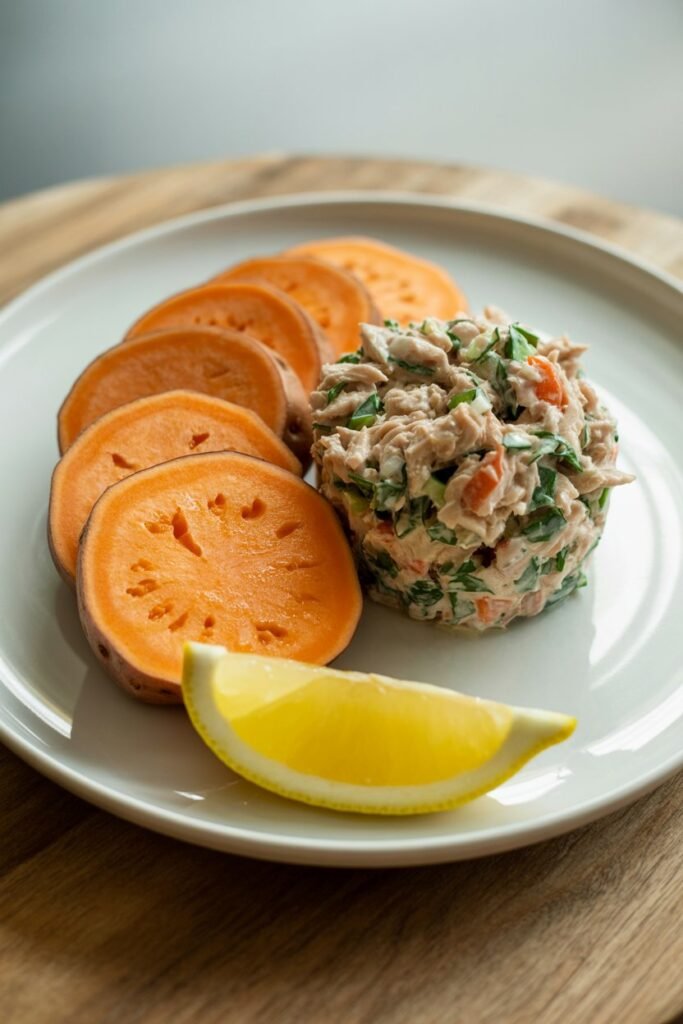
This was one of my most surprisingly filling meals during my weight loss routine. It’s very simple, but it kept me full for a long time and helped me avoid random snacking between meals.
I didn’t expect it to become a staple, but it did because it was quick, affordable, and actually satisfying.
What I liked most about this meal is how balanced it felt without needing many ingredients or complicated cooking.
Ingredients You’ll Need
- 1–2 medium sweet potatoes
- 1 can of tuna (in water or brine is better than oil)
- 1–2 teaspoons olive oil (optional)
- Salt and black pepper to taste
- Optional: onions, lemon juice, or chili flakes for extra flavor
How to Prepare It
- Wash and peel the sweet potatoes (or leave the skin on if preferred).
- Boil them in water for about 10–15 minutes until soft and fully cooked.
- While the sweet potatoes are boiling, drain the tuna and place it in a bowl.
- Season the tuna with a little salt, pepper, and optional lemon juice or chopped onions.
- Once the sweet potatoes are ready, serve them alongside the tuna or mash them slightly and mix together.
- Add a light drizzle of olive oil if needed for taste.
Why This Meal Worked for Me
This meal became a go-to because it was both filling and easy to prepare, especially on busy days.
- Sweet potatoes provided slow-releasing carbs that kept my energy steady
- Tuna added a strong source of protein that helped control hunger
- The combination kept me full for hours without feeling heavy
- It was simple enough to repeat without getting bored quickly
I noticed that when I ate meals like this, I was less likely to reach for snacks or overeat later in the day.
Simple Tips to Make It Better
- Don’t overboil the sweet potatoes—they should be soft but not watery
- Use tuna in water instead of oil to keep it lighter
- Add lemon juice for freshness and better flavor balance
- Mix in a small salad or vegetables if you want more volume
Mistakes I Made Early On
At first, I used to over-season the tuna with heavy sauces, which made the meal less healthy than it needed to be.
I also sometimes overcooked the sweet potatoes, which made them too soft and less satisfying.
Another mistake was eating too large a portion just because it was healthy, but portion control still matters even with good foods.
7. Smoothie Bowl (Banana, Spinach, and Protein Add-ins)
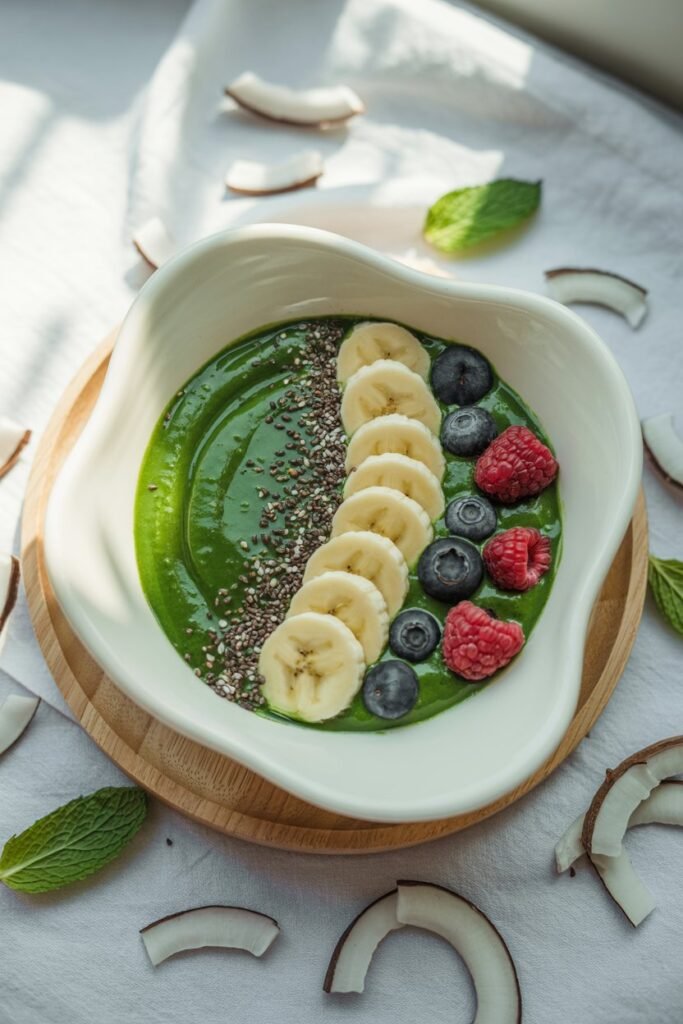
This was one of my favorite “feel-good” meals during my routine because it felt light, refreshing, and still filling enough to keep me satisfied for hours.
I used it mostly for breakfast or as a post-light workout meal when I didn’t want anything heavy.
What I liked most is that it didn’t feel like a typical “diet meal.” It felt more like a creamy, dessert-style bowl while still being made with whole ingredients.
Ingredients You’ll Need
- 1 ripe banana (frozen works even better for texture)
- 1 handful of spinach (fresh or frozen)
- 1/2 cup Greek yogurt or milk of choice
- 1 scoop protein powder (optional but helpful for fullness)
- 1/2 cup ice cubes (optional for thicker texture)
Toppings (optional):
- Chia seeds or flaxseeds
- Sliced banana or berries
- A few nuts or granola (small portion)
How to Prepare It
- Add banana, spinach, Greek yogurt (or milk), and protein powder into a blender.
- Blend until smooth and creamy.
- Add a little ice if you want a thicker, colder texture and blend again.
- Pour into a bowl instead of a cup to make it feel more filling.
- Add toppings like seeds, fruits, or a small amount of granola.
- Serve immediately while fresh.
Why This Meal Worked for Me
This smoothie bowl helped me stay on track because it gave me a balance of nutrition and satisfaction without feeling heavy.
- Banana provided natural sweetness and energy
- Spinach added nutrients without changing the taste much
- Protein helped keep me full for longer periods
- It felt like a treat, which reduced cravings for unhealthy snacks
On days when I usually skipped breakfast or grabbed something processed, this helped me stay more consistent.
Simple Tips to Make It Better
- Freeze the banana beforehand for a thicker, creamier texture
- Don’t overload toppings—keep them light so it stays balanced
- Use unsweetened milk or yogurt to avoid added sugar
- Add protein powder if you struggle with staying full until lunch
Mistakes I Made Early On
At first, I used too many sweet toppings like granola and honey, which made it less balanced. I also didn’t use frozen banana, so the texture was too runny and less satisfying.
Another mistake was treating it like a drink instead of a meal—once I started eating it in a bowl with proper toppings, it felt much more filling.
8. Brown Rice with Grilled Fish
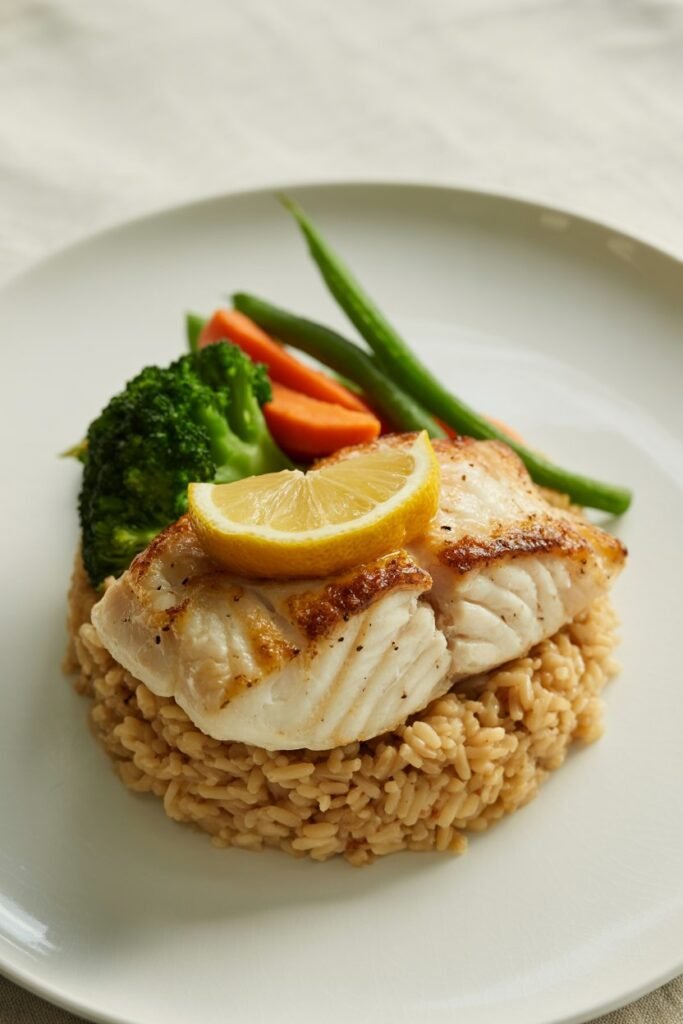
This was one of my more “complete meal” options during my routine, especially for lunch or early dinner. It felt balanced, filling, and still light enough that I didn’t feel sluggish afterward.
It also helped me stay consistent because it felt like a normal everyday meal—not something restrictive or complicated.
What I liked most about this meal is how satisfying it was without needing heavy sauces or extra sides.
Ingredients You’ll Need
- 1/2 to 1 cup brown rice (uncooked)
- 1 medium fish fillet (salmon, tilapia, mackerel, or any preferred fish)
- 1 tablespoon olive oil
- Salt and black pepper to taste
- Garlic powder or fresh garlic (optional)
- Lemon juice (optional but recommended)
- Optional sides: steamed vegetables or salad
How to Prepare It
- Rinse the brown rice and cook it according to package instructions (usually 25–35 minutes until soft).
- Season the fish with salt, pepper, garlic, and a light drizzle of olive oil.
- Heat a pan or grill and cook the fish for about 3–5 minutes per side until fully cooked and slightly golden.
- Squeeze fresh lemon juice over the fish for extra flavor.
- Serve the grilled fish alongside the cooked brown rice.
- Add steamed vegetables or a small salad if you want a fuller plate.
Why This Meal Worked for Me
This became a reliable meal because it kept me full for a long time while still feeling clean and balanced.
- Brown rice provided slow-digesting carbs for steady energy
- Fish gave me high-quality protein and healthy fats
- It helped reduce random snacking between meals
- It felt like a proper “meal plate,” which helped with portion control
I noticed that when I ate meals like this, I stayed more focused and less likely to overeat later in the day.
Simple Tips to Make It Better
- Don’t overcook the fish—keeping it moist makes it more enjoyable
- Add lemon juice or herbs to improve flavor without extra calories
- Cook brown rice in batches to save time during the week
- Pair with vegetables to increase volume without increasing calories too much
Mistakes I Made Early On
At first, I used to over-season the fish or fry it too heavily, which made it less healthy. I also sometimes overcooked brown rice, making it too soft and less enjoyable.
Another mistake was skipping vegetables completely—I later realized adding them made the meal more filling and balanced.
9. Egg and Avocado Toast
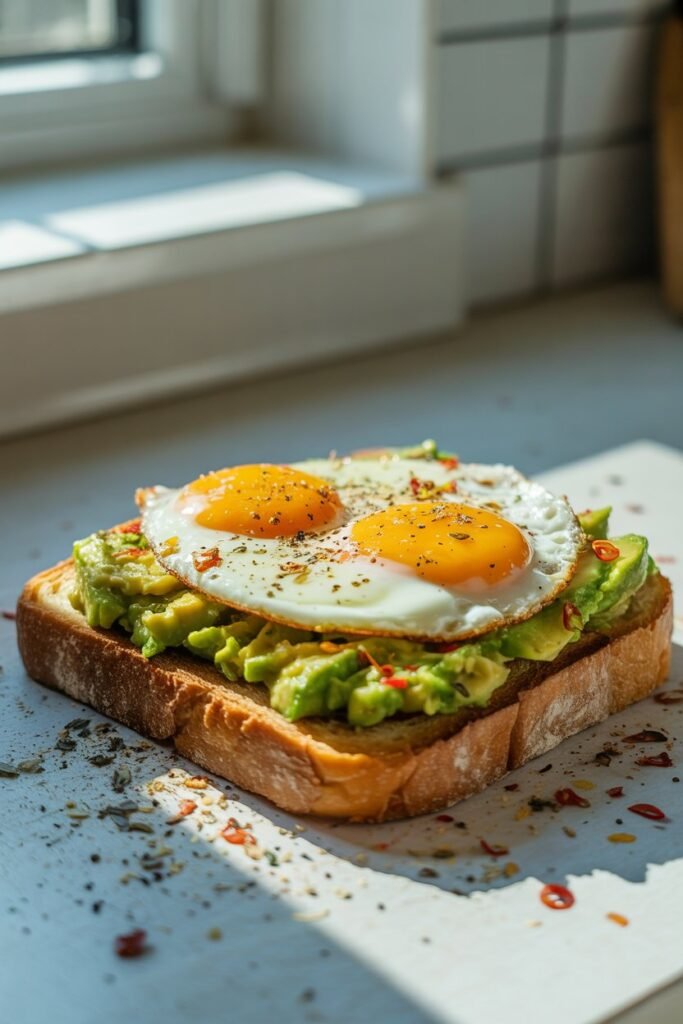
This was one of my quickest meals, especially on busy mornings or days when I didn’t feel like cooking anything complicated.
It’s simple, satisfying, and gives that “comfort breakfast” feeling while still being fairly balanced.
What made this meal stand out for me was how easy it was to prepare in under 10 minutes and still feel like I was eating something proper and filling.
Ingredients You’ll Need
- 1–2 slices whole grain or whole wheat bread
- 1 ripe avocado
- 1–2 eggs
- Salt and black pepper to taste
- Optional: chili flakes, lemon juice, or olive oil
How to Prepare It
- Toast the bread until golden and slightly crispy.
- Mash the avocado in a small bowl and season with salt, pepper, and a squeeze of lemon juice if available.
- Cook the eggs your preferred way (boiled, fried, or scrambled).
- Spread the mashed avocado evenly over the toast.
- Place the cooked eggs on top.
- Add extra seasoning like chili flakes or pepper for more flavor if desired.
Why This Meal Worked for Me
This meal helped me stay consistent because it was fast, filling, and balanced enough to keep cravings under control.
- Eggs provided protein that helped keep me full
- Avocado added healthy fats that made the meal more satisfying
- Whole grain bread gave steady energy without spikes in hunger
- It was quick enough that I didn’t skip breakfast on busy days
I noticed that when I started my day with this kind of meal, I made better food choices later in the day.
Simple Tips to Make It Better
- Use ripe avocado for smoother texture and better taste
- Don’t overdo the portion—half an avocado is usually enough
- Add a boiled egg on top if you want more protein
- Sprinkle seeds like sesame or chia for extra nutrients
Mistakes I Made Early On
At first, I used too much avocado thinking it was “healthy so it doesn’t matter,” but portion size still counts.
I also used white bread sometimes, which didn’t keep me full as long as whole grain bread.
Another mistake was skipping seasoning—just salt and pepper made a big difference in taste and consistency.
10. Lentil Stew
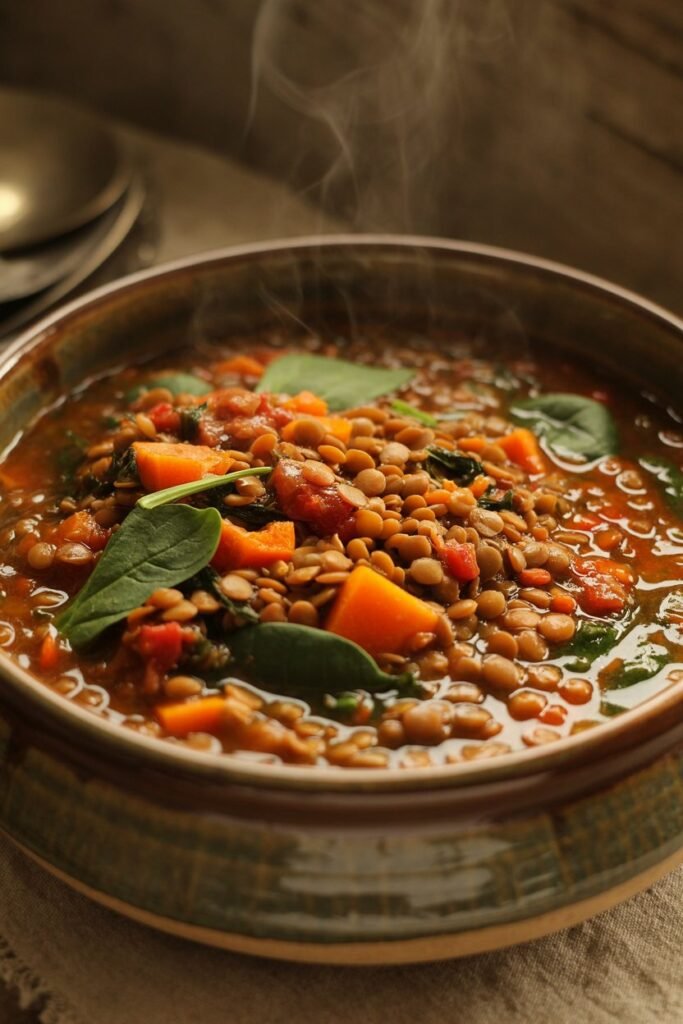
This was one of my most “budget-friendly but filling” meals during my routine.
I started making it when I wanted something hearty that didn’t rely on meat every time, but still kept me full for hours.
What I liked most about this lentil stew is that it felt like comfort food, but it was still light enough to fit into my daily eating plan. It also reheated well, which made it perfect for meal prep.
Ingredients You’ll Need
- 1 cup dried lentils (red or brown lentils both work)
- 1 small onion, chopped
- 1–2 carrots, chopped
- 1–2 garlic cloves, minced
- 1 cup chopped tomatoes (fresh or canned)
- 1 tablespoon olive oil
- Salt and black pepper to taste
- 1/2 teaspoon curry powder or paprika (optional)
- 3–4 cups water or low-sodium broth
- Optional: spinach or leafy greens added at the end
How to Prepare It
- Rinse the lentils thoroughly under running water.
- In a pot, heat olive oil and sauté onions and garlic until soft and fragrant.
- Add carrots and cook for a few minutes to slightly soften them.
- Stir in chopped tomatoes and let it cook down for 2–3 minutes.
- Add the lentils and pour in water or broth.
- Bring to a boil, then reduce heat and simmer for 20–25 minutes until lentils are soft.
- Season with salt, pepper, and optional spices like curry powder or paprika.
- If using spinach or greens, stir them in at the end and let them wilt for a few minutes.
Why This Meal Worked for Me
This became one of my go-to meals because it was both filling and nourishing without being heavy.
- Lentils are high in plant-based protein and fiber
- It kept me full for a long time, reducing snacking
- It was easy to make in large batches for multiple days
- It felt comforting while still supporting my eating goals
I noticed that when I included meals like this, I stayed more consistent because I wasn’t constantly hungry between meals.
Simple Tips to Make It Better
- Cook a bigger batch and store it for 2–3 days
- Add greens like spinach at the end for extra nutrients
- Adjust thickness by adding more or less water depending on preference
- Pair with a small portion of brown rice if you need more energy
Mistakes I Made Early On
At first, I didn’t season it enough, and it tasted very plain. I also sometimes added too much water, making it more like soup instead of a thick stew.
Another mistake was not letting it simmer long enough—lentils need time to soften properly for the best texture.
11. Homemade Chicken Wrap
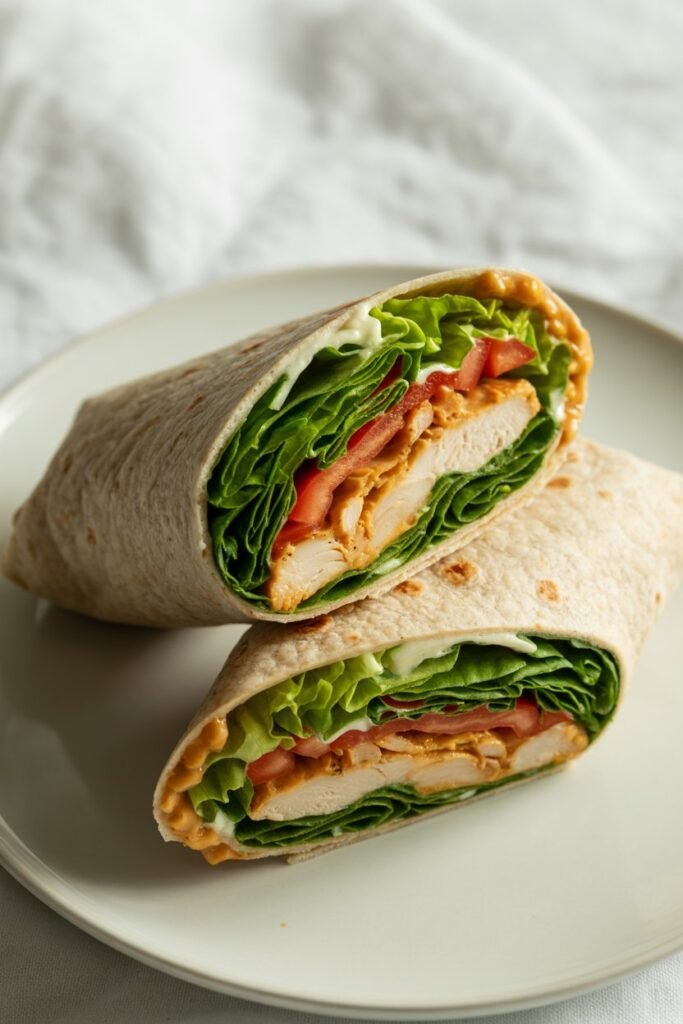
This was one of my most practical meals, especially on days when I needed something quick, portable, and still filling.
I often made it when I didn’t want to sit down for a full meal but also didn’t want to rely on fast food.
What I liked most about this wrap is how easy it was to customize depending on what I had in the fridge. It always felt like a “grab-and-go” option that still supported my eating routine.
Ingredients You’ll Need
- 1 whole wheat or whole grain wrap
- 1 cooked chicken breast (grilled or shredded)
- 1/2 cup lettuce or mixed greens
- 1/4 cup chopped tomatoes
- 1/4 cup cucumber slices or any fresh vegetables
- 1–2 tablespoons Greek yogurt or light mayo (optional)
- Salt and black pepper to taste
- Optional: mustard, lemon juice, or chili flakes
How to Prepare It
- Cook and shred or slice the chicken breast ahead of time.
- Lay the wrap flat on a clean surface.
- Spread a light layer of Greek yogurt or your preferred sauce.
- Add lettuce, tomatoes, cucumber, and other vegetables.
- Place the chicken evenly across the wrap.
- Season lightly with salt, pepper, and optional spices.
- Roll the wrap tightly and slice it in half if desired.
Why This Meal Worked for Me
This became one of my go-to meals because it was convenient and still balanced.
- Chicken provided protein that kept me full
- Vegetables added crunch, fiber, and freshness
- Whole wheat wrap gave steady energy
- It was easy to pack and eat on the go
It helped me avoid skipping meals or reaching for processed fast food when I was busy.
Simple Tips to Make It Better
- Don’t overfill the wrap or it becomes hard to roll
- Use whole grain wraps for better fullness and nutrition
- Prep chicken in bulk to save time during the week
- Add a small amount of sauce to avoid making it soggy
Mistakes I Made Early On
At first, I used too much sauce, which made the wrap messy and less healthy than intended. I also sometimes skipped vegetables, but I later realized they made the meal more satisfying and balanced.
Another mistake was not warming the wrap slightly before rolling—it makes it easier to fold and less likely to break.
Simple Tips That Helped Me Stay Consistent
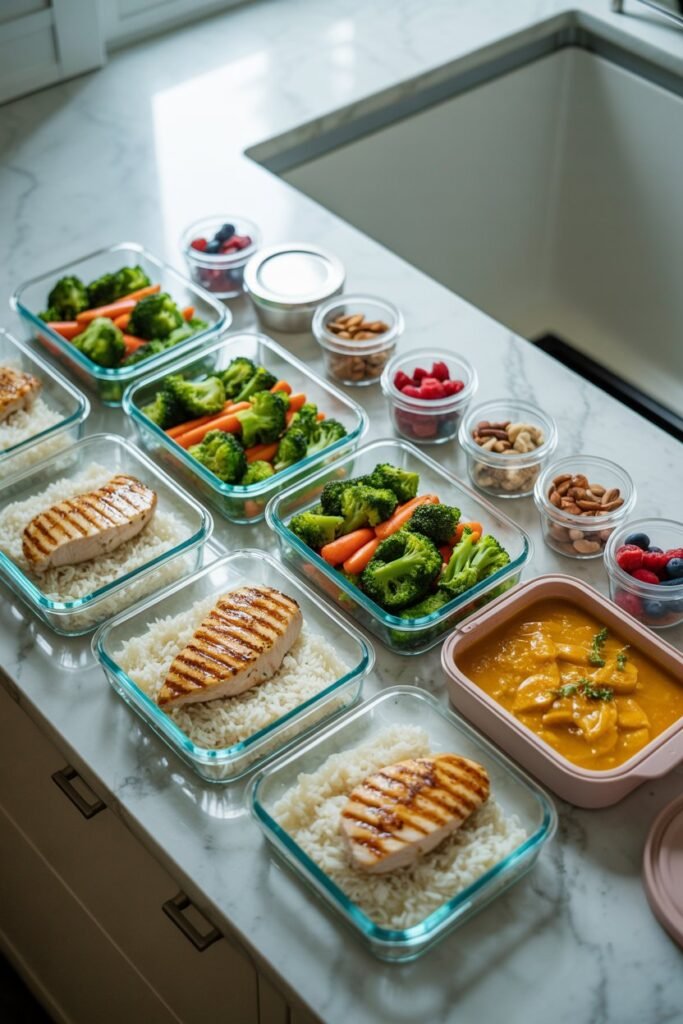
- I didn’t aim for perfection, just consistency
- I prepared meals ahead when possible
- I kept unhealthy snacks out of sight
- I drank more water throughout the day
- I focused on feeling better, not just weight loss
Health Benefits of These Recipes
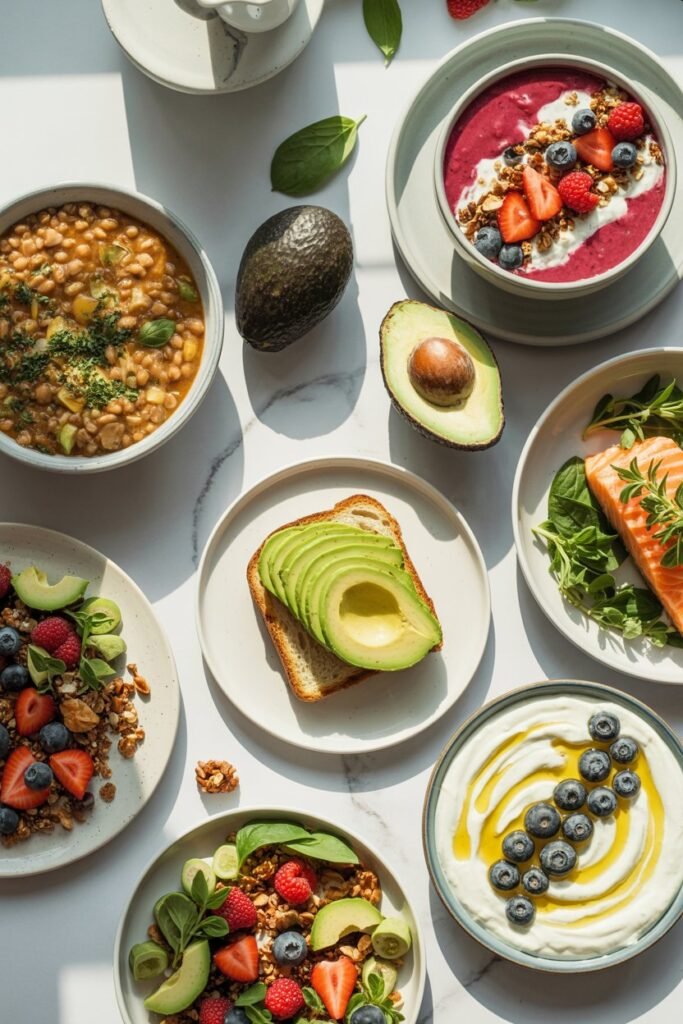
These homemade meals helped me build better eating habits without strict dieting. Over time, I noticed:
- I stayed full for longer and snacked less
- My energy levels were more stable during the day
- I naturally controlled portions without stress
- I reduced processed and fast foods
- My digestion felt lighter and less bloated
- It became easier to stay consistent with eating at home
Overall, it wasn’t about perfection—it was about simple, repeatable meals I could stick to.
FAQ
Can I lose weight with these meals?
Yes, if you stay consistent and manage portions. These meals helped me build a balanced routine, not a crash diet.
Do I need to follow all 11 recipes?
No. You can pick and rotate the ones you enjoy most.
Are these meals beginner-friendly?
Yes. They use simple ingredients and basic cooking methods.
Can I meal prep them?
Most of them can be prepped in batches, especially soups, rice meals, and chicken dishes.
Do I need special ingredients?
No. Everything is basic, affordable, and easy to find.
Final Thoughts
These meals helped me simplify my eating instead of overcomplicating it. Once I stopped stressing about perfect diets and focused on simple homemade food, everything became easier to manage.
If you’re starting out, don’t try to change everything at once. Just pick a few meals, stay consistent, and build from there.