Over the years, I’ve tried so many ways to stay fit.
Between busy workdays, running after the kids, and managing household chores, finding time for the gym outside the home has always been a challenge.
That’s when I realized: why not bring the gym to my home?
The idea of a home gym sounded expensive at first. I imagined racks of expensive machines, endless weights, and space I didn’t have.
But over time, I discovered that building an effective gym at home doesn’t have to break the bank.
With a little creativity, planning, and smart choices, you can create a space that motivates you to work out, keeps your family active, and even doubles as a fun spot for friends or your children to try mini workouts.
Here’s how I did it, and how you can too.
1. Choose the Right Space

The first step is figuring out where your gym will live.
I’ve used a small corner in my living room, an empty basement, and even a spare bedroom at different times.
Each space has pros and cons:
- Basement: Great for heavy equipment and loud exercises, but sometimes dark.
- Bedroom/Spare Room: Convenient and private, but may have limited space for movement.
- Garage: Perfect for larger machines and weights, and easy to ventilate.
When choosing a space, think about natural light, ventilation, and floor protection.
You don’t need a large room — even a 6×6 ft area can work for strength training, yoga, or cardio.
2. Set a Realistic Budget

I started with a budget of around $200–$300, which surprisingly got me most essentials.
My goal was to focus on versatile equipment instead of buying everything at once.
Tips for budgeting:
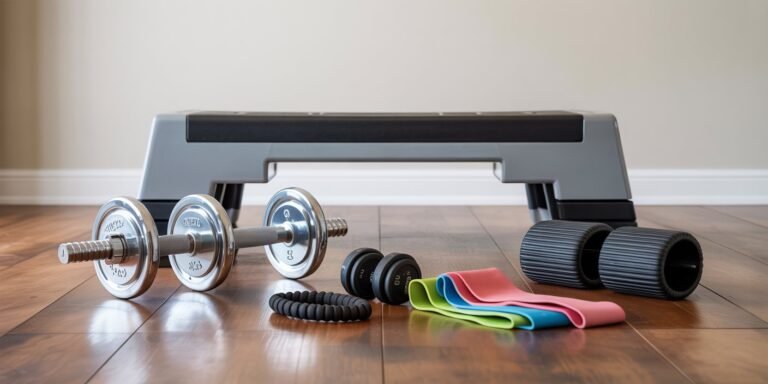
- Prioritize equipment that serves multiple purposes, like resistance bands or adjustable dumbbells.
- Check online marketplaces, second-hand stores, or garage sales for gently used equipment.
- Don’t forget small items like a yoga mat, jump rope, or foam roller — they’re inexpensive but make a huge difference.
By setting a clear budget, I avoided impulse buys and focused on what would truly help me reach my fitness goals.
3. Invest in Multi-Functional Equipment
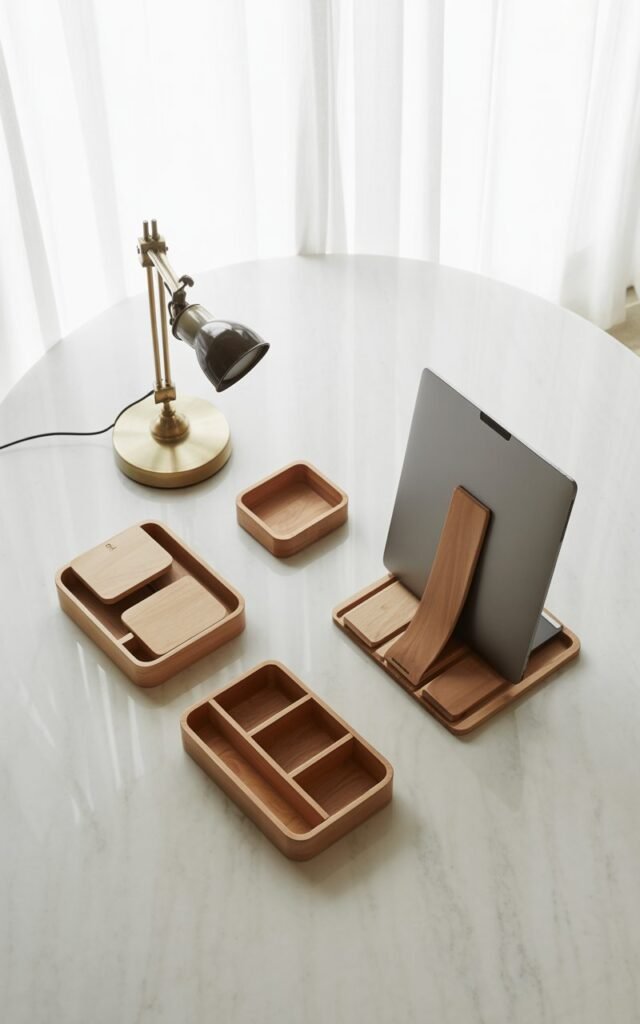
I quickly realized that space-saving and multi-use equipment was key. A few items I found essential include:
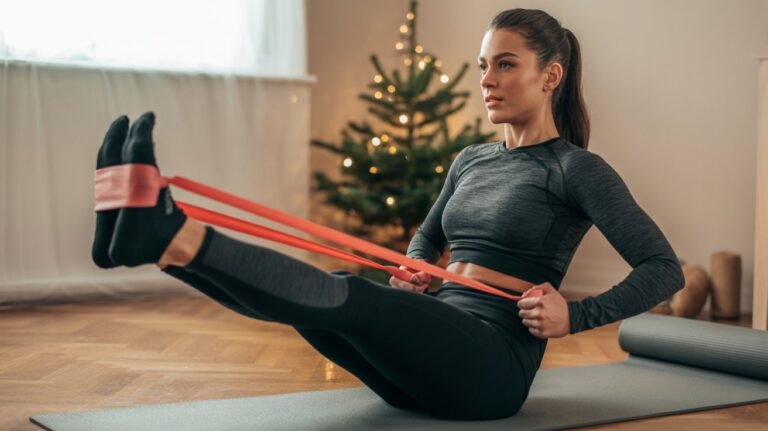
- Resistance bands: Perfect for strength training, stretching, and rehab exercises.
- Adjustable dumbbells: One set replaces multiple single-weight dumbbells.
- Stability ball: Works for core exercises, stretching, and even as a chair for balance practice.
- Pull-up bar: Inexpensive and mounts easily in a doorway.
These items cover strength, cardio, and flexibility without crowding the room or your budget.
4. DIY Options to Save Money
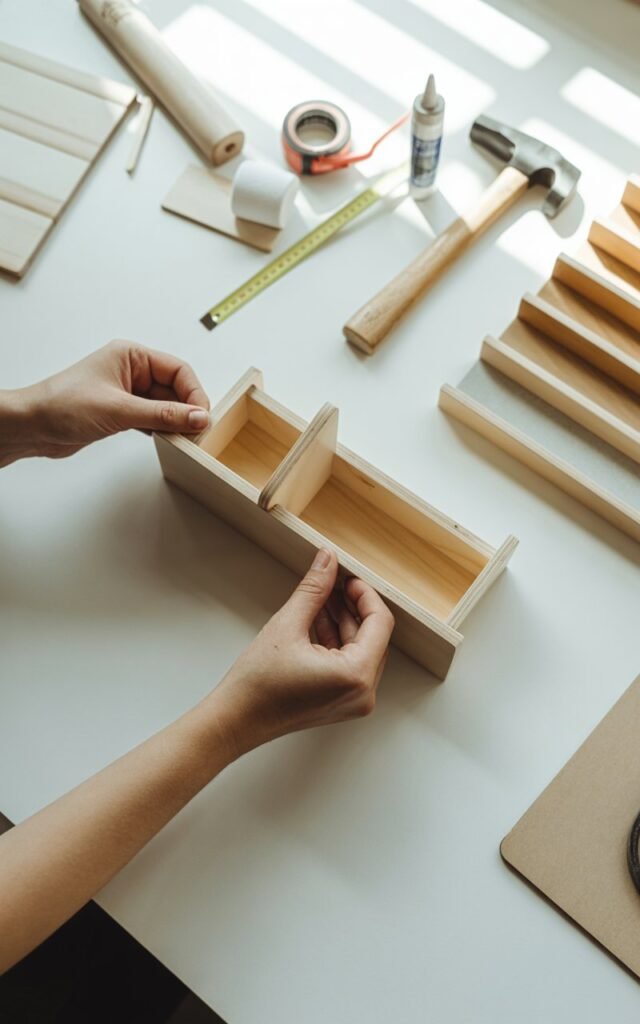
Sometimes, creativity replaces cost.
I’ve made homemade weights using water jugs, used sturdy chairs for step-ups, and even rolled towels for ab exercises.
Kids sometimes join in, turning the space into a mini family workout area.
Other budget-friendly DIY ideas include:
- Stacked books or bricks for weight resistance.
- A broomstick with water bottles for light shoulder workouts.
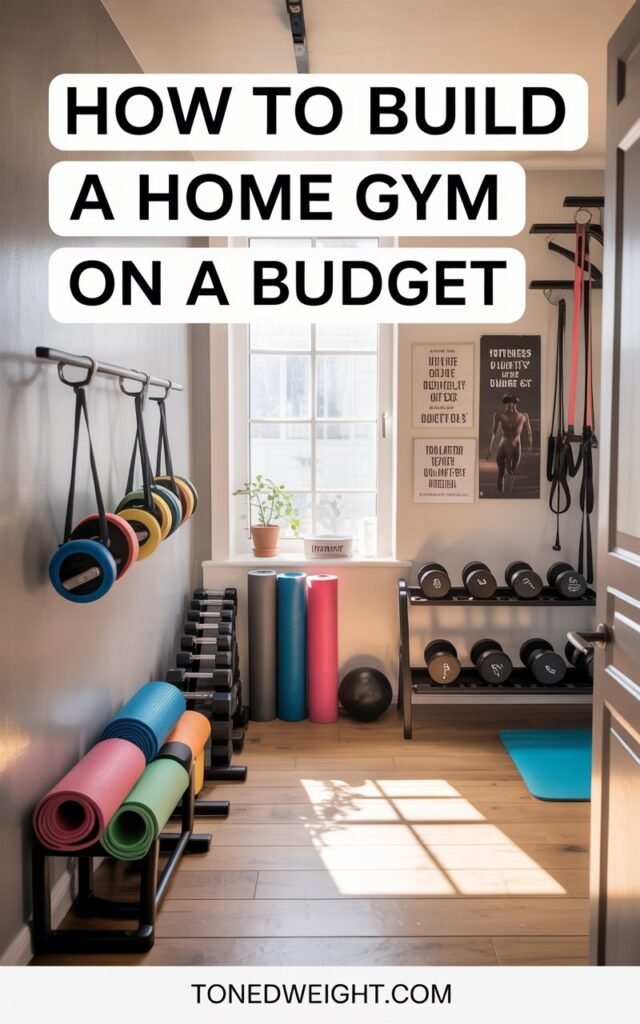
- Wall hooks or shelves to organize bands and mats efficiently.
DIY solutions keep costs low while making your space functional and unique.
5. Flooring Matters

Protecting your floor is important, especially if you’re lifting weights or doing high-impact exercises.
I invested in rubber mats from a local hardware store — they were inexpensive, durable, and easy to clean.
For a home gym, mats:
- Prevent floor damage
- Reduce noise for family members or neighbors
- Provide grip and safety for yoga or bodyweight exercises
Even a small area with interlocking foam mats can make a huge difference in safety and comfort.
6. Lighting and Ambiance
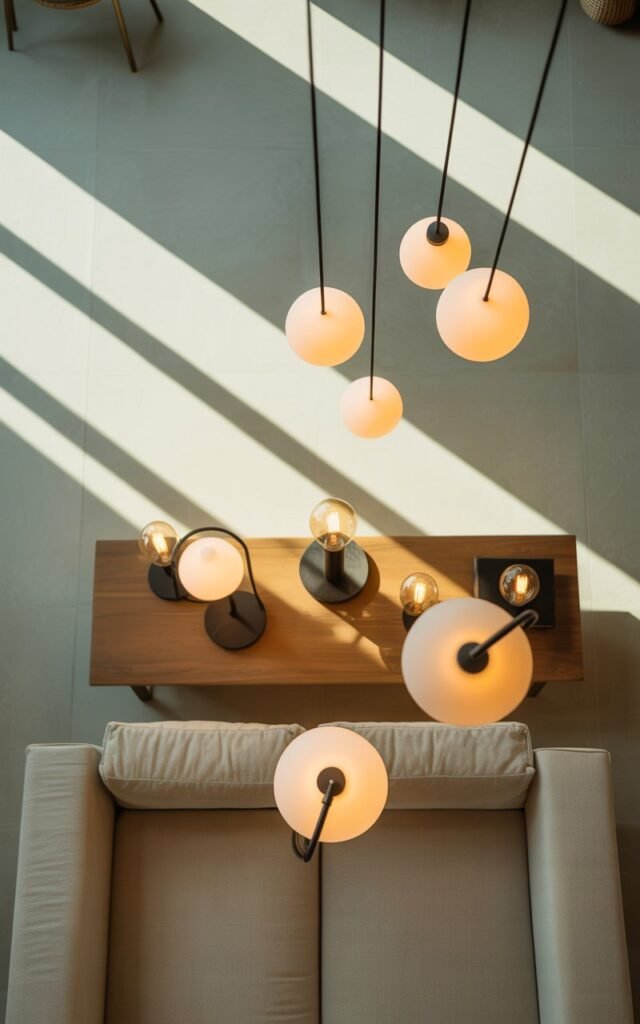
I learned that lighting can affect motivation.
My first home gym was a dark basement, and I rarely felt like working out.
When I added bright LED lights and a small mirror, suddenly the space felt alive and professional.
Tips for lighting:
- Natural light is ideal, but bright, cool white LEDs work well if you don’t have windows.
- Mirrors create a sense of space and allow you to check form.
- Small wall or floor lamps can add warmth for yoga or meditation areas.
The environment makes the gym feel like a welcoming space instead of a storage room.
7. Organize and Keep It Clutter-Free
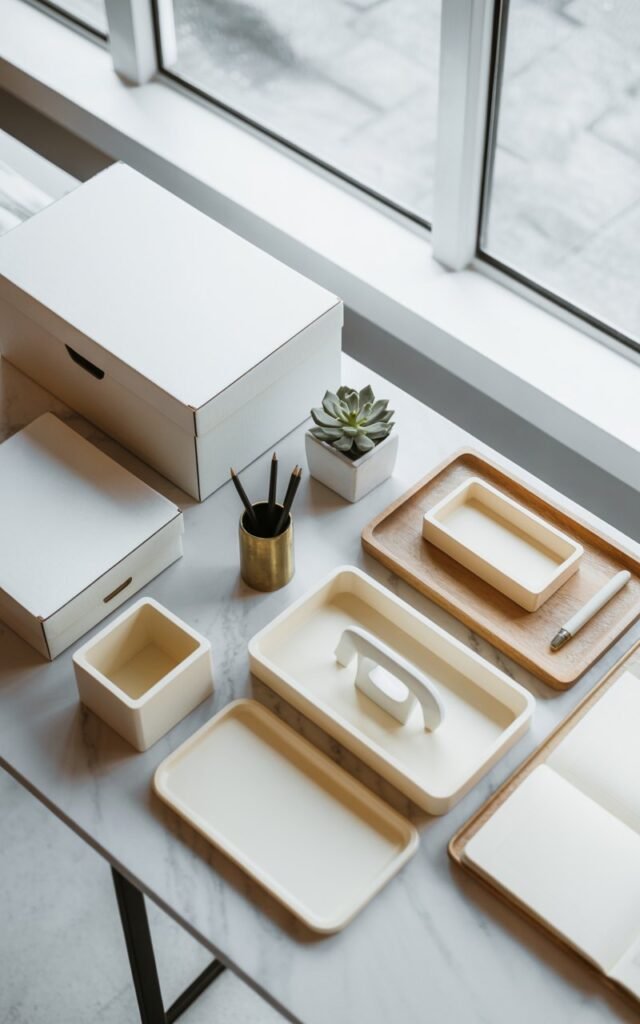
Even on a budget, organization makes your gym feel professional.
I installed shelves and hooks to store bands, mats, and weights, and it made a huge difference.
A clutter-free space:
- Makes workouts easier and faster
- Prevents injuries
- Encourages regular use
I also added labeled baskets for small items like resistance bands, jump ropes, or gloves — it keeps everything visible and ready to use.
8. Build a Routine
Having the gym at home doesn’t automatically mean you’ll use it.
I found that setting a clear routine helped me stay consistent.
I place my mat near the window in the morning for yoga, use dumbbells by the desk for short strength circuits, and keep a timer or app nearby to track workouts.
For families or Airbnb guests, even small signs with suggested routines or simple exercises add value and make the space interactive.
9. Add Motivational Elements

I added a small whiteboard with weekly goals, quotes, and reminders.
It sounds simple, but seeing something motivating while exercising really helped me stay accountable.
Other ideas:
- Posters of exercises or stretches
- A playlist-ready speaker
- A small water station or towel holder
These little touches make the gym feel intentional rather than just a corner of the house.
10. Keep it Flexible
I like having an area that’s flexible. Some days, I use it for bodyweight workouts.
Other days, it’s yoga or stretching with the kids.
For Airbnb hosts, flexibility is key — a corner with bands and mats can serve multiple guest types.
Small, mobile equipment allows the space to be rearranged easily without sacrificing functionality.
11. Track Progress
Even a home gym on a budget benefits from some form of progress tracking. I
use a simple notebook to log exercises and reps, and it motivates me to keep pushing.
For family spaces, encourage kids to track progress too. It turns the gym into a playful learning area as well as a fitness zone.
12. Upgrade Gradually
Finally, the best advice I can give is start small and grow over time.
I didn’t buy a treadmill first.
I started with resistance bands, a yoga mat, and a few dumbbells.
Over months, I added stability balls, pull-up bars, and adjustable weights as my routine expanded.
Gradual upgrades allow you to:
- Stay within budget
- Learn what works best for your workouts
- Make smart choices rather than impulse purchases
Final Thoughts
Building a home gym on a budget is not only possible — it’s rewarding.
With creativity, planning, and small investments, you can create a space that motivates, inspires, and even includes your family or guests.
I’ve found that the perfect home gym doesn’t have to be fancy.
It just needs to be functional, safe, and welcoming.
Whether you’re working out early in the morning, doing a short yoga session in the evening, or hosting a mini fitness challenge with friends or kids, a thoughtfully designed space can make all the difference.
Start small, focus on versatility, and enjoy the process.
In the end, a home gym isn’t just about fitness — it’s about creating a healthy, practical, and fun space that becomes part of everyday life.