Let’s be honest—if you’ve ever tried to eat healthy, you’ve probably experienced the five emotional stages of dieting: excitement, hunger, confusion, anger, and finally, surrendering after catching the scent of someone else’s fries.
It starts with good intentions—you stock up on salad greens, swear off bread, and promise yourself that this time, it’ll stick.
But a few days later, you find yourself staring into the fridge at 11 p.m., asking the universe one desperate question: “Is cheese keto?”
Sound familiar? You’re not alone.
That’s exactly why the low-carb and keto lifestyle has taken the world by storm—it’s a smarter, more enjoyable way to lose weight and boost your energy without feeling deprived.
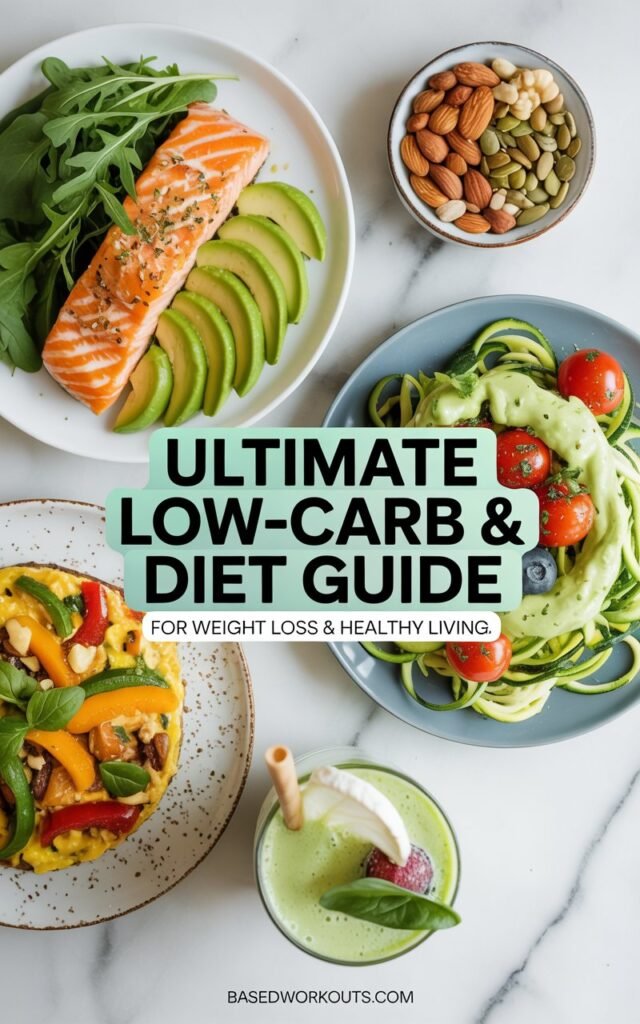
Instead of obsessing over calories or bland meals, you get to eat satisfying, real food that helps your body do what it was designed to do: burn fat for fuel.
Bacon, butter, and avocados suddenly become your allies, not your enemies.
The secret lies in how the body responds when you reduce carbohydrates. By cutting back on sugar and starch, your metabolism flips into a state called ketosis. It’s your body’s way of saying, “Alright, no carbs?
No problem—I’ll just use fat instead.” That’s when the magic happens. Energy levels rise, cravings fade, and weight loss becomes less of a struggle and more of a steady transformation.
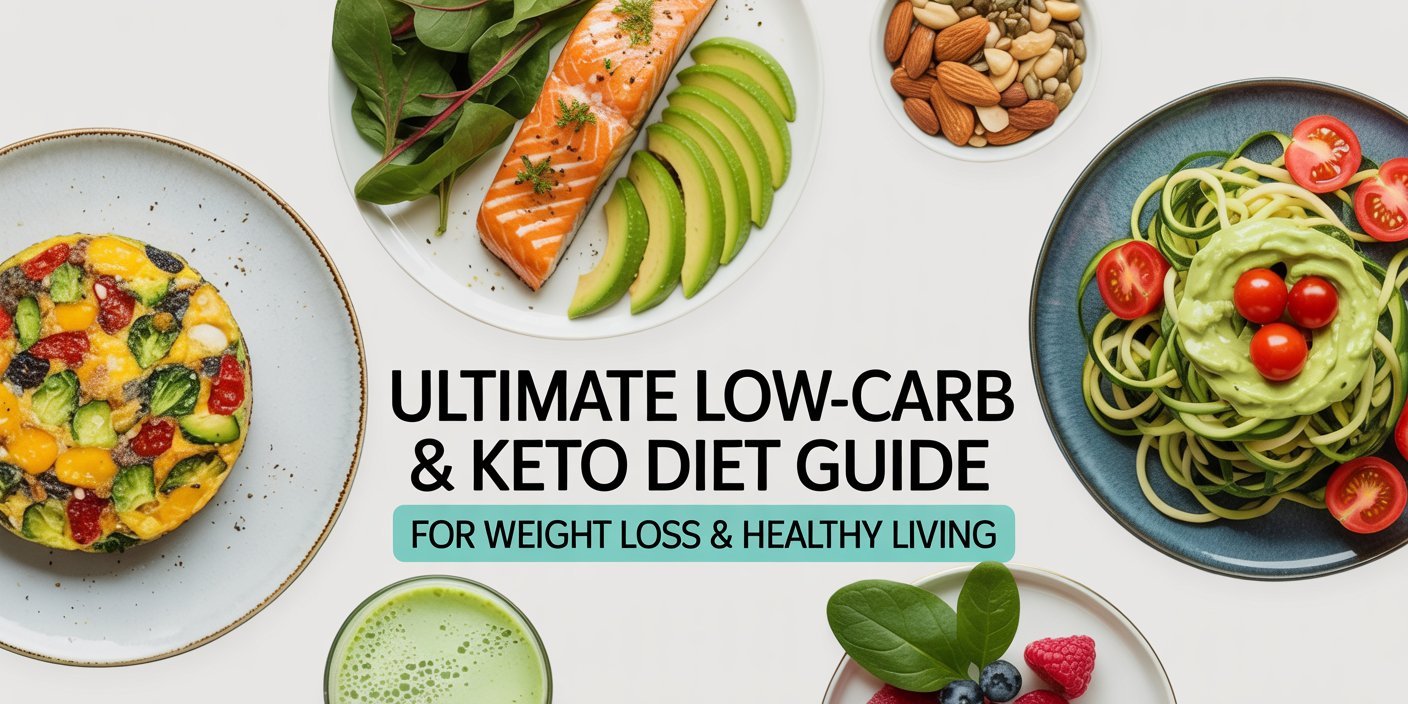
In this Ultimate Low-Carb & Keto Diet Guide, you’ll learn everything you need to know to start and thrive on this lifestyle.
From understanding the science behind low-carb eating to discovering delicious, beginner-friendly recipes and practical meal plans, this guide simplifies the process so you can see real results.
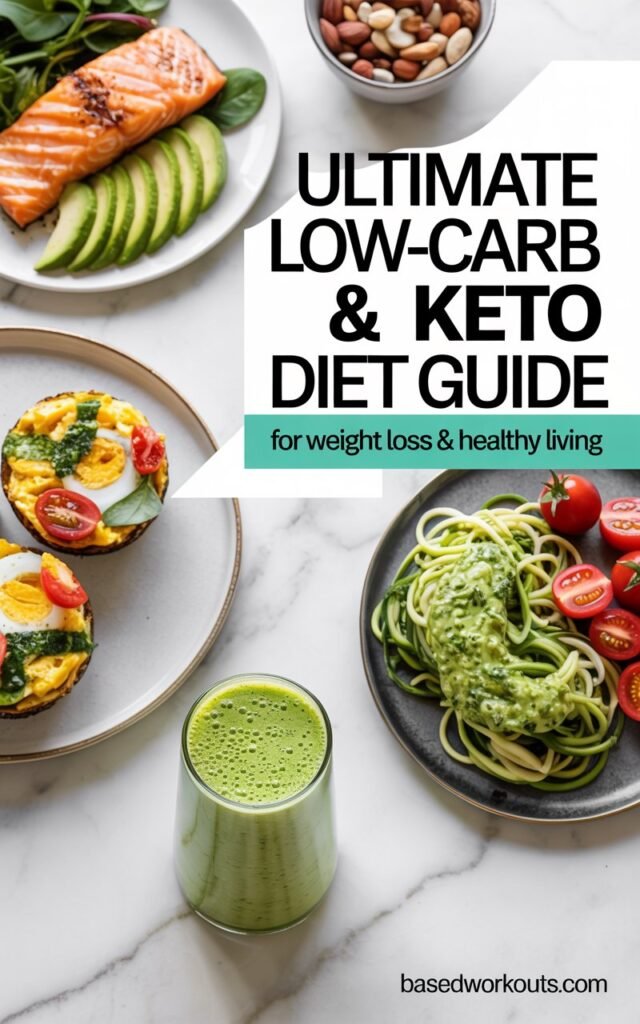
You’ll also find expert tips on how to stay consistent, beat cravings, and avoid the common mistakes that make many people quit too soon.
Whether you’re here to lose weight, feel more energized, or simply build a better relationship with food, this guide will walk you through every step.
And don’t worry—it’s not all science and seriousness.
There will be relatable moments, helpful advice, and maybe even a few laughs about the journey we all take when we try to eat better.
So, grab your favorite drink (make it sugar-free), settle in, and get ready to learn how to make low-carb living simple, enjoyable, and surprisingly delicious.
Because yes, you can lose weight, feel great, and still love your meals—no lettuce-only diets required.
For belly-fat-specific versions of low-carb eating, see 10 Best Diets to Burn Belly Fat and Gain Six Pack Abs.
Quick heads up: This guide may contain affiliate links. If you click and buy, we may earn a small commission — at no extra cost to you. Every product we recommend is low-carb, keto-friendly, and personally vetted to help you lose weight faster, enjoy tastier meals, and make your keto journey easier and more successfulBest
Amazon Gear for Low-Carb & Keto Success I Recommend
Want to Make Your Keto or Low-Carb Journey Easier and More Delicious?
Success on keto starts with the right tools — from air fryers to portion trackers and supplements that boost fat-burning.
Below are my top-rated Amazon finds ($50+) that help you cook smarter, stay consistent, and reach your weight loss goals faster.
| Product | Why You’ll Love It | Shop Now |
|---|---|---|
| Ninja Air Fryer Max XL | Makes crispy low-carb meals with little to no oil — perfect for keto chicken, veggies, or snacks. | Check Price on Amazon |
| High-Speed Blender (Nutribullet Pro or Vitamix) | Ideal for keto smoothies, nut butters, and fat-burning coffee blends. | View on Amazon |
| Digital Food Scale (Smart Tracking) | Ensures accurate carb counting and portion control for every meal. | Shop Now |
| Keto Electrolyte Supplement (Sugar-Free) | Replenishes essential minerals lost on a low-carb diet — helps prevent fatigue and headaches. | Buy on Amazon |
| Cast Iron Skillet Set (Pre-Seasoned) | Perfect for searing meats, frying eggs, or baking keto-friendly recipes. | See Details |
These premium, tried-and-tested products make it easier to stay consistent on keto or low-carb — helping you prep faster, track better, and cook tastier meals while hitting your goals.
1. What Are Low-Carb Foods?
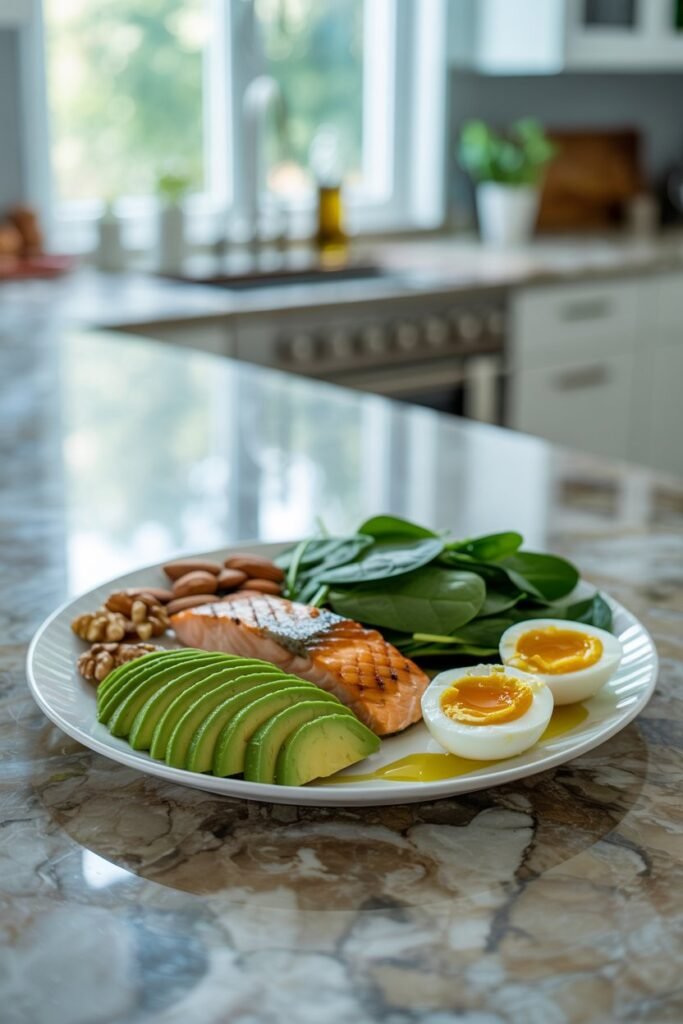
Before you start filling your cart with everything labeled “keto,” let’s get one thing straight—not all low-carb foods are created equal.
The goal of a low-carb or keto diet isn’t just to cut carbs; it’s to choose foods that keep you full, steady your energy, and help your body burn fat efficiently.
Low-carb foods are basically anything that’s naturally low in sugars and starches but rich in nutrients, fiber, and healthy fats.
Think of it as eating smarter, not smaller. When you reduce carbs, your body turns to fat for energy, which means the foods you eat should support that process—not fight against it.
Here’s the simplest way to think about it:
If it grows above ground (like spinach or broccoli), it’s probably low in carbs.
If it’s processed and comes in a shiny box, it’s probably not.
A few great examples include:
- Protein-rich foods like chicken, fish, eggs, and lean beef.
- Low-carb vegetables such as cauliflower, zucchini, bell peppers, and leafy greens.
- Healthy fats from avocados, olive oil, nuts, and seeds.
- Dairy options like cheese, Greek yogurt, and heavy cream in moderation.
The key is balance—choosing real, whole foods that nourish your body and help you stay satisfied longer.
When you eat fewer carbs, your blood sugar stays stable, your energy levels improve, and those mid-afternoon snack attacks start to disappear.
And yes, before you ask—coffee is definitely allowed. Just maybe skip the extra spoonful of sugar.
2. Low-Carb Foods List for Weight Loss
When it comes to losing weight on a low-carb diet, what you eat makes all the difference. You can’t just remove bread and hope for the best—your body still needs fuel, nutrients, and flavor to stay satisfied.
The secret is choosing foods that are naturally low in carbohydrates but high in protein, fiber, and healthy fats.
These are the foods that keep you full, support fat burning, and make you feel good while the scale moves in your favor.
Think of your plate as a power combo: a little protein, a touch of healthy fat, and a good serving of non-starchy veggies. That’s the formula that helps your metabolism thrive and your cravings stay quiet.
Below is a breakdown of the best low-carb foods for weight loss—the kind that make eating healthy feel effortless.

Protein Sources
- Eggs
- Chicken, turkey, and beef
- Salmon and sardines
- Broccoli, cauliflower, and zucchini
- Avocados
- Greek yogurt (unsweetened)
- Nuts and seeds
- Olive oil and coconut oil
Low-Carb Vegetables
- Spinach, kale, and other leafy greens
- Broccoli, cauliflower, and Brussels sprouts
- Zucchini, bell peppers, and asparagus
- Mushrooms, cucumbers, and green beans
Healthy Fats
- Avocados and olives
- Nuts and seeds (almonds, chia seeds, flaxseeds)
- Olive oil, coconut oil, and avocado oil
- Nut butters in moderation
Dairy & Alternatives
- Full-fat Greek yogurt (unsweetened)
- Cheese, cottage cheese, and heavy cream
- Unsweetened almond milk or coconut milk
Low-Carb Snacks & Extras
- Hard-boiled eggs
- Jerky (no added sugar)
- Cheese sticks or nut mixes
- Berries in small portions (like raspberries or strawberries)
Each of these foods supports steady energy, better digestion, and a natural reduction in hunger. They also help your body stay in a fat-burning state—especially when you keep your daily carb intake low and stay consistent with portion control.
The beauty of eating this way is that it never feels like a “diet.” You’re not counting every bite—you’re choosing smarter ones.
With the right mix of these low-carb foods, you’ll stay full longer, avoid blood sugar crashes, and actually enjoy your meals while losing weight naturally.
Real Ketones BHB Exogenous Ketones Drink Mix Packets Keto Electrolytes Powder Packets No Sugar with 4 Main Fasting Electrolytes Plus Hydrating Patented Keto BHB – 30 Count Variety Pack
3. No-Carbs Diet Plan for 2 Weeks
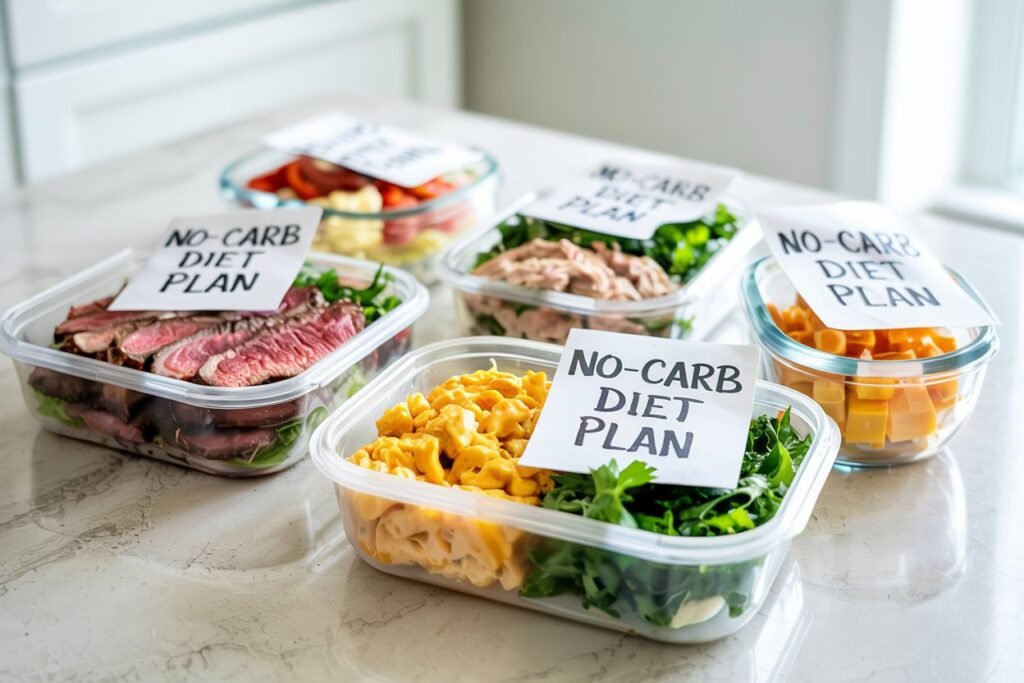
When I tried a no-carbs diet for two weeks, the biggest change I noticed was how quickly my body responded.
Removing carbs like bread, rice, pasta, and sugary snacks helped reduce bloating almost immediately.
The first few days felt a bit challenging as my energy adjusted, but by the end of the first week, my appetite was more controlled and my cravings dropped.
How I Followed It
I kept the plan simple to stay consistent. Most of my meals were protein, healthy fats, and low-carb vegetables.
• Breakfast: Eggs, avocado, or Greek yogurt with nuts
• Lunch: Chicken, fish, or turkey with vegetables like spinach or broccoli
• Dinner: Another protein-focused meal with veggies
• Snacks: Nuts, boiled eggs, or cheese in small portions
• Drinks: Water, black coffee, or herbal tea
What I Noticed
By the end of two weeks, I felt lighter, less bloated, and more in control of my eating.
This plan is not something I would follow long-term, but it works well as a short reset when you want quick results or need to break old habits.
4. 7-Day Low-Carb Meal Plan
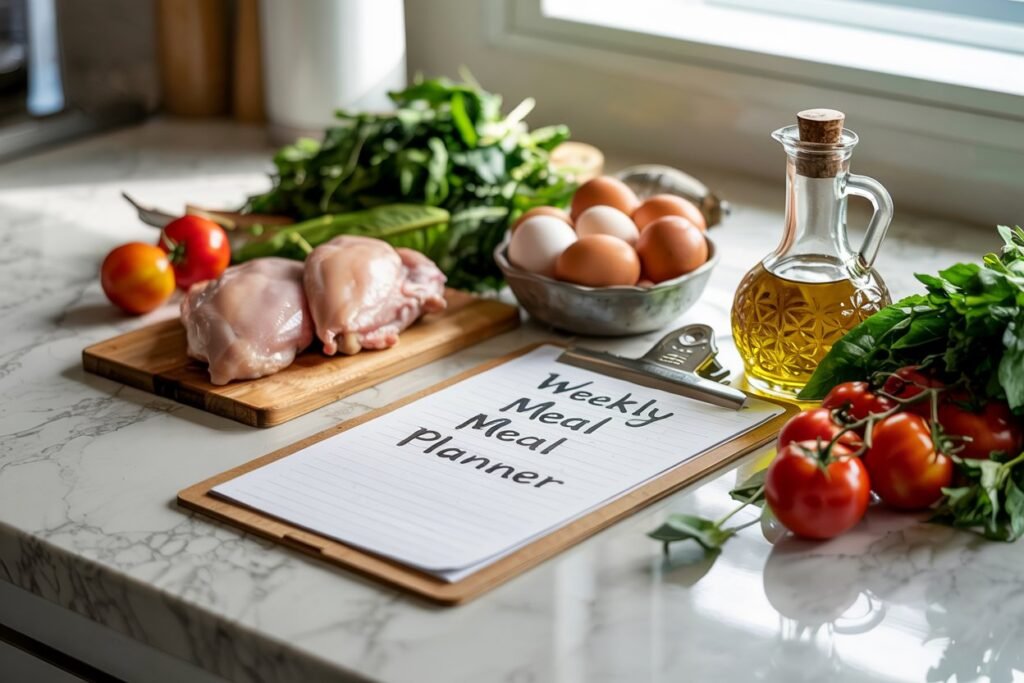
When I first switched to a low-carb routine, having a simple 7-day meal plan made everything easier.
It kept me organized and stopped me from reaching for quick, high-carb snacks. This plan is straightforward, flexible, and doesn’t require complicated recipes.
How I Structure My Week
Each day includes protein, healthy fats, and plenty of vegetables. I keep the meals simple so I don’t get overwhelmed or feel restricted.
Sample 7-Day Plan
Day 1:
Breakfast: Scrambled eggs with spinach
Lunch: Grilled chicken and mixed greens
Dinner: Baked salmon with broccoli
Day 2:
Breakfast: Greek yogurt with nuts
Lunch: Turkey lettuce wraps
Dinner: Beef stir-fry with vegetables
Day 3:
Breakfast: Avocado and boiled eggs
Lunch: Tuna salad
Dinner: Grilled chicken with zucchini
Day 4:
Breakfast: Omelet with mushrooms
Lunch: Shrimp and veggie bowl
Dinner: Baked turkey breast with cauliflower
Day 5:
Breakfast: Cottage cheese with berries
Lunch: Chicken salad
Dinner: Grilled fish with asparagus
Day 6:
Breakfast: Smoothie (unsweetened almond milk, spinach, protein powder)
Lunch: Beef patties with a side salad
Dinner: Baked chicken thighs and green beans
Day 7:
Breakfast: Eggs and avocado
Lunch: Salmon salad
Dinner: Turkey meatballs with roasted vegetables
Why This Works
The meals keep you full without the carb crash, and the variety helps you stay consistent throughout the week. It’s flexible enough to swap meals around and still stay on track.
5. Keto Diet for Beginners
Starting the keto diet can feel like stepping into a whole new food universe — one where butter is celebrated, bread is banished, and your morning coffee suddenly comes with coconut oil.
But don’t let the buzzwords or carb math scare you off. The ketogenic diet is actually simpler (and tastier) than it looks once you understand the basics.
At its core, the keto diet is all about shifting your body from burning sugar (glucose) to burning fat for energy.
This metabolic state is called ketosis, and it happens when you drastically cut down on carbs — typically to about 20–50 grams per day — and replace them with healthy fats and moderate protein.
Once you’re in ketosis, your body becomes a fat-burning machine, using ketones for fuel instead of relying on carbs.
For beginners, the hardest part is often the first week — adjusting to fewer carbs, battling cravings, and possibly facing the infamous “keto flu.” It’s your body’s way of saying, “Hey, where’d the bread go?” But hang in there.
Staying hydrated, getting enough electrolytes, and eating balanced meals will help ease the transition.
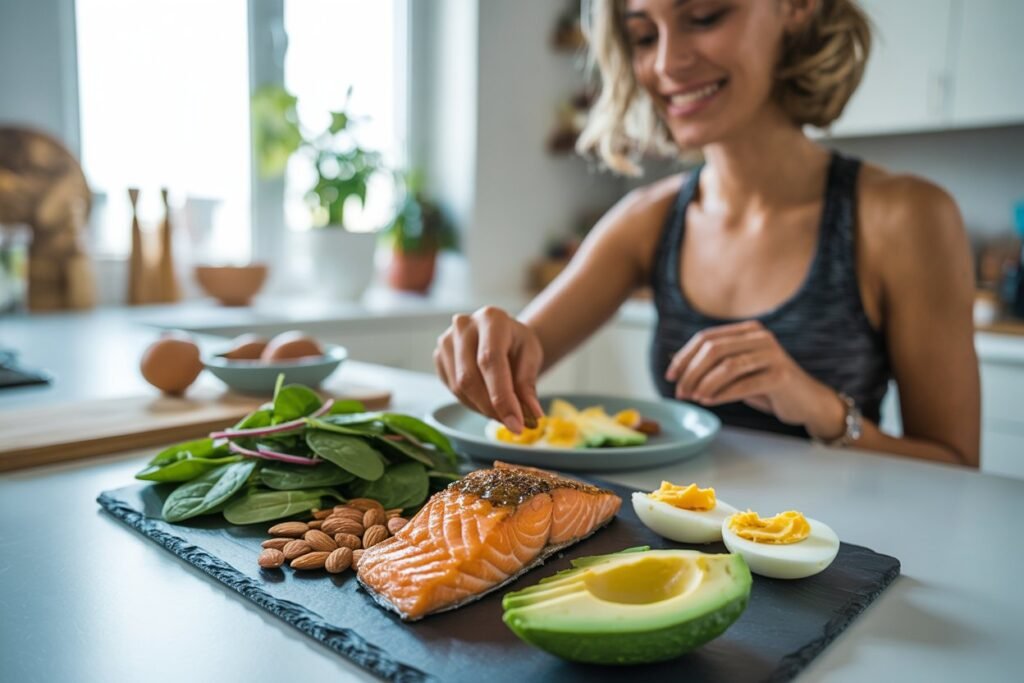
A beginner-friendly keto plate might include scrambled eggs with avocado, grilled chicken with olive oil, or salmon with roasted veggies.
You’ll quickly learn that keto isn’t about starving yourself — it’s about eating smarter, not less.
The best advice? Keep it simple at first. Focus on real, whole foods. Avoid sugar and processed carbs.
And don’t stress over perfection — your goal is progress, not panic. Within a couple of weeks, you’ll likely notice better focus, fewer sugar crashes, and steady weight loss that actually lasts.
So, if you’re new to keto, consider this your friendly nudge to get started.
Stock up your fridge, prep a few easy recipes, and remember: it’s not about cutting everything out — it’s about finding the right balance that keeps you healthy, happy, and full of energy.
6. How to Start a Keto Diet at Home for Free
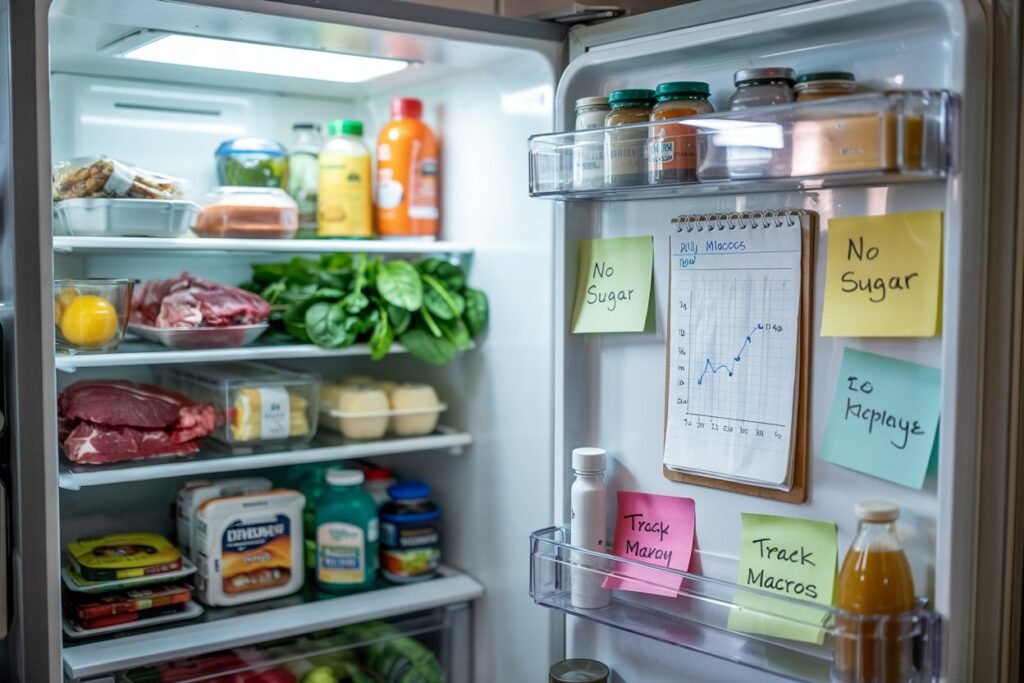
When I first tried the keto diet, what surprised me most was how easy it was to start without spending any extra money.
I didn’t need special products, fancy supplements, or expensive foods.
Everything began with learning how to adjust my daily meals using what I already had at home.
The Simple Way I Started
I focused on reducing carbs and increasing healthy fats. That alone helped my body shift into a fat-burning mode. I didn’t follow strict recipes in the beginning; I just swapped out the high-carb foods I normally ate.
Here’s how I approached it:
• I removed bread, rice, pasta, flour snacks, and sugary foods.
• I added more eggs, chicken, fish, avocado, spinach, broccoli, and cheese.
• I cooked with olive oil or butter instead of using carb-heavy sauces.
• I kept my meals very simple so I wouldn’t feel overwhelmed.
A Basic Keto Day at Home
Breakfast: Eggs with avocado
Lunch: Chicken and a big serving of low-carb vegetables
Dinner: Salmon or beef cooked in butter or olive oil
Snacks: Nuts, cheese, or boiled eggs
Why This Works Without Cost
Most keto-friendly foods are basic items you probably already have at home. The diet becomes expensive only when people buy specialty products.
Starting with simple whole foods keeps everything budget-friendly and easier to maintain.
7. Keto Diet 1-Week Meal Plan
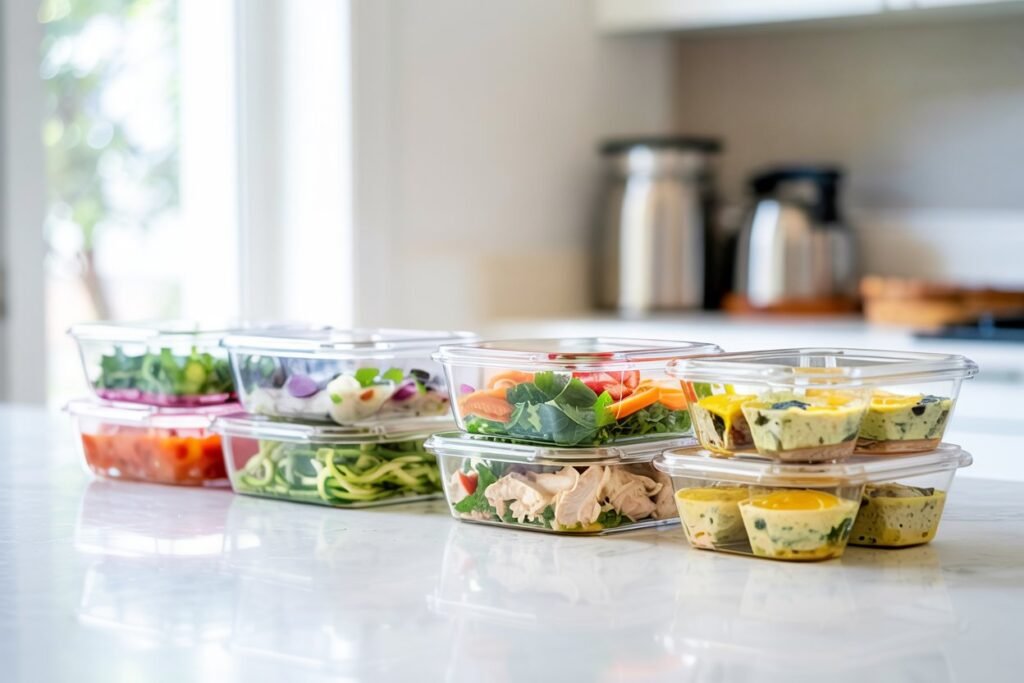
Starting the ketogenic diet can feel a bit like learning a new language — suddenly you’re talking about macros, ketones, and fat bombs.
But don’t worry, once you get into the rhythm, it becomes second nature.
To make things easier, here’s a simple 7-day keto meal plan designed to help your body ease into ketosis while keeping your taste buds happy.
Each day includes high-fat, low-carb, moderate-protein meals that balance energy and flavor. You won’t feel deprived — just nourished and satisfied.
Day 1:
Breakfast – Scrambled eggs with spinach and avocado slices
Lunch – Grilled chicken salad with olive oil dressing
Dinner – Baked salmon with steamed broccoli and butter
Day 2:
Breakfast – Greek yogurt with chia seeds and a few raspberries
Lunch – Tuna salad wrapped in lettuce leaves
Dinner – Beef stir-fry with zucchini noodles and sesame oil
Day 3:
Breakfast – Cheese omelet with mushrooms
Lunch – Shrimp and avocado salad
Dinner – Grilled pork chops with cauliflower mash
Day 4:
Breakfast – Bulletproof coffee and a handful of almonds
Lunch – Chicken Caesar salad (no croutons)
Dinner – Zucchini lasagna with ricotta and marinara sauce
Day 5:
Breakfast – Keto pancakes made with almond flour
Lunch – Egg salad with cucumber slices
Dinner – Pan-seared salmon with garlic butter asparagus
Day 6:
Breakfast – Fried eggs with bacon and spinach
Lunch – Turkey and cheese roll-ups with avocado
Dinner – Creamy chicken thighs with sautéed mushrooms
Day 7:
Breakfast – Coconut chia pudding topped with crushed nuts
Lunch – Grilled steak with mixed greens and feta cheese
Dinner – Cauliflower crust pizza with mozzarella and olives
This 1-week plan offers structure while giving you room to experiment. Feel free to swap proteins or veggies depending on your preferences.
The goal isn’t perfection — it’s consistency. Stick with it for seven days, drink plenty of water, and you’ll likely start noticing more energy, fewer carb cravings, and maybe even a looser waistband by the end of the week.
8. Easy Keto Meal Plan
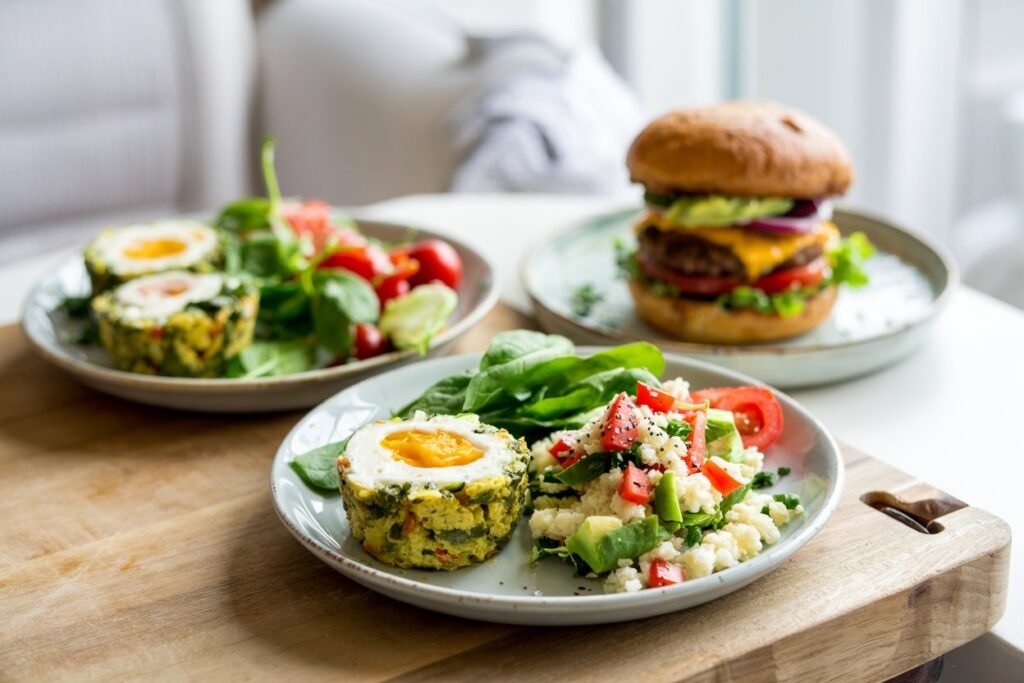
One thing that helped me stay consistent on keto was creating a meal plan that didn’t feel complicated.
I learned quickly that the easier the meals were, the more likely I was to stick to the diet.
This simple plan is something I used during busy weeks because it required very little prep and didn’t include expensive ingredients.
How I Keep It Simple
I focus on three things: moderate protein, plenty of healthy fats, and very low carbs.
Most meals take under 15 minutes to put together, which keeps the routine stress-free.
Sample Easy Keto Meal Plan
Breakfast:
Eggs cooked in butter with avocado on the side
Lunch:
Grilled chicken or tuna salad with olive oil dressing
Dinner:
Beef, salmon, or chicken thighs with a low-carb vegetable like zucchini, spinach, or cauliflower
Snacks:
Cheese slices, nuts, olives, or a boiled egg
Why This Plan Works
It avoids complicated recipes and focuses on foods that naturally fit keto.
The meals are satisfying, budget-friendly, and easy to rotate without getting bored.
This kind of simplicity made the diet feel more sustainable for me.
9. Lazy Keto Meals
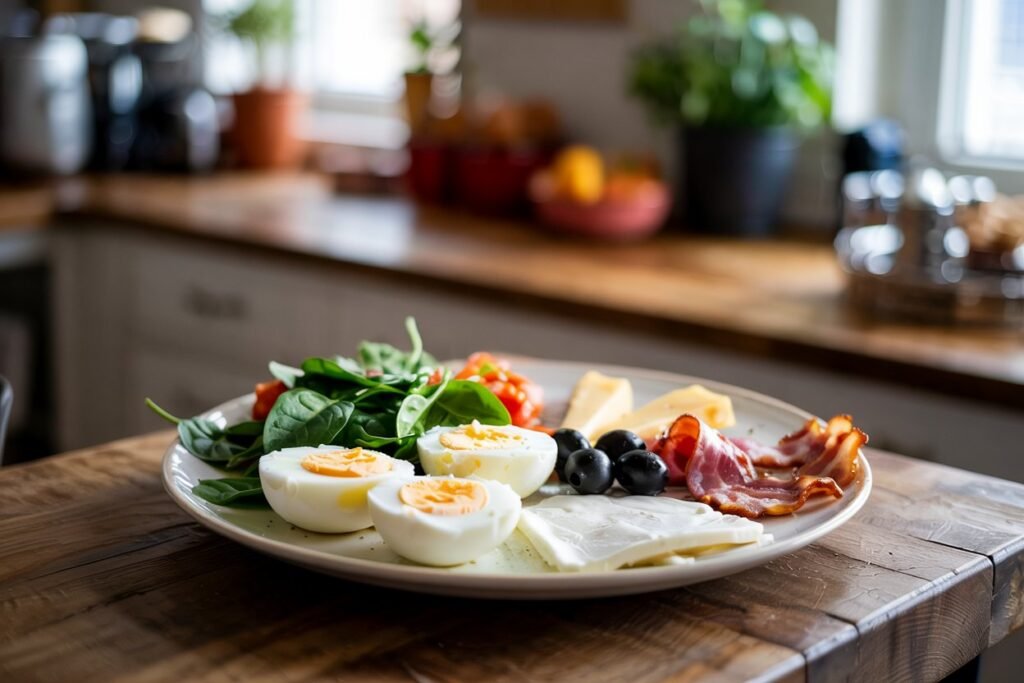
When I first started keto, I didn’t always have the time or energy to cook full meals.
Lazy keto became my go-to approach during busy days because it kept me on track without requiring complicated recipes or long prep times.
The goal is simple: keep carbs low and focus on easy meals you can throw together in minutes.
What Lazy Keto Looks Like for Me
I rely on basic foods I always have at home. No tracking macros, no strict recipes—just quick, low-carb meals that fit the keto lifestyle.
Examples of Lazy Keto Meals I Use:
Breakfast:
Hard-boiled eggs with cheese
or
Greek yogurt (unsweetened) with a handful of nuts
Lunch:
Rotisserie chicken with a side of spinach or cucumbers
or
Tuna mixed with mayo and served over lettuce
Dinner:
Grilled or pan-fried chicken thighs
or
Ground beef cooked with seasoning and paired with steamed veggies
Snacks:
Almonds, olives, cheese sticks, or boiled eggs
Why It Works
Lazy keto helped me stay consistent even on my busiest days.
I didn’t feel pressured to cook anything fancy, and the meals kept me full without going off track.
It’s a simple way to follow keto without stress.
10. Keto Recipes for Dinner

After a long day, dinner should feel like a reward, not another challenge in your diet journey.
The best part about the keto lifestyle is that you can enjoy comforting, satisfying dinners without guilt or carb overload.
Think creamy sauces, tender meats, melted cheese, and fresh vegetables—all the good stuff that makes you forget you’re even on a diet.
When most people picture “healthy dinners,” they imagine bland chicken and steamed broccoli on repeat. But with keto, it’s the opposite.
You get rich flavors, satisfying textures, and meals that actually keep you full until morning.
The trick lies in using ingredients that are naturally low in carbs but high in taste and nutrients.
Here are some easy and delicious keto dinner ideas to keep your weeknight meals exciting and your goals on track:
1. Garlic Butter Salmon with Asparagus
Pan-seared salmon cooked in a buttery garlic sauce, paired with roasted asparagus. It’s rich in omega-3s, loaded with flavor, and ready in under 20 minutes.
2. Creamy Chicken Alfredo (No Pasta Needed)
Tender chicken tossed in a homemade Alfredo sauce made with heavy cream, parmesan, and garlic. Swap noodles for zucchini or shirataki noodles for a satisfying low-carb twist.
3. Cheesy Cauliflower Casserole
This is comfort food, keto-style. Cauliflower replaces potatoes, baked with cream cheese, cheddar, and a touch of bacon. It’s the kind of side dish that steals the spotlight.
4. Keto Beef Stir-Fry
Thinly sliced beef sautéed with colorful vegetables like bell peppers and broccoli in a soy-ginger sauce. It’s quick, nutrient-packed, and tastes better than takeout.
5. Zucchini Lasagna
Layers of thinly sliced zucchini, rich meat sauce, and melted mozzarella—no noodles, no problem. It’s warm, hearty, and family-approved.
6. Shrimp and Broccoli Skillet
A simple one-pan meal with shrimp, garlic, and broccoli tossed in butter and olive oil. Perfect for nights when you want something fast but still crave big flavor.
7. Bacon-Wrapped Chicken Thighs
Juicy chicken thighs wrapped in crispy bacon, seasoned with herbs, and baked to perfection. Add a side salad or roasted veggies for a complete meal.
These recipes prove that keto dinners can be indulgent and nutritious at the same time. You’re not sacrificing taste—you’re simply cooking smarter.
Each dish is low in carbs, rich in flavor, and designed to keep your body in fat-burning mode long after the dishes are done.
And the best part? You’ll actually look forward to dinner again.
11. Keto Meals Meaning & Nutrient Breakdown
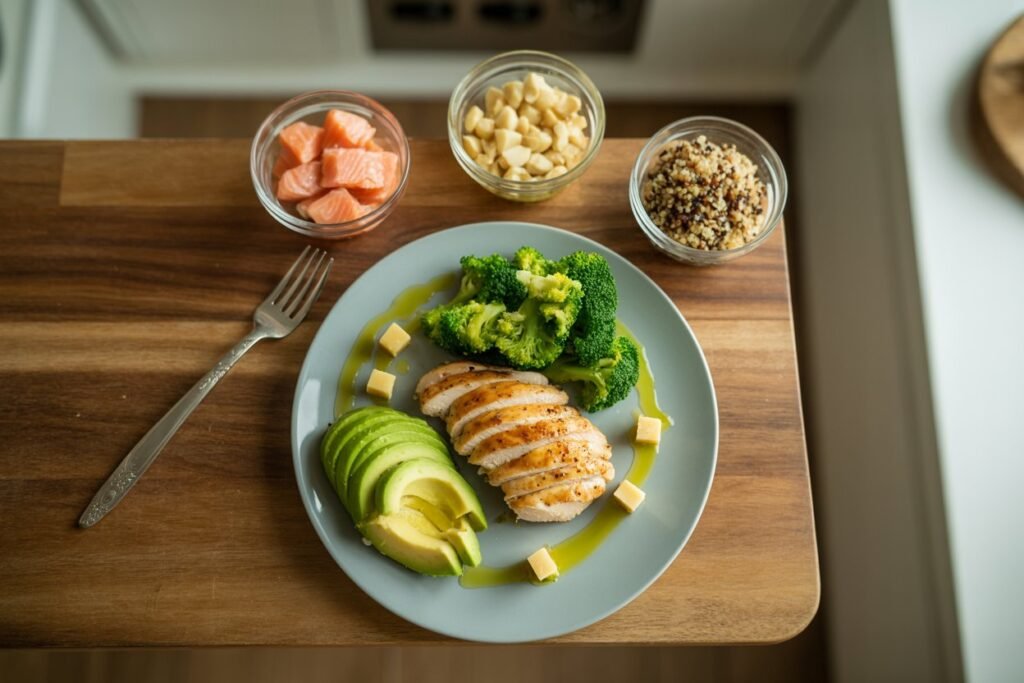
If you’ve ever wondered what truly makes a meal “keto,” you’re not alone. Many people hear about the keto diet, start tossing butter into their coffee, and hope for the best.
But the secret behind a real keto meal isn’t just cutting carbs—it’s about balancing the right nutrients to keep your body in fat-burning mode without sacrificing energy or taste.
In simple terms, a keto meal is one that’s high in healthy fats, moderate in protein, and very low in carbohydrates.
This balance encourages your body to enter a metabolic state called ketosis, where it starts using fat (both from your food and stored fat) as its primary source of energy instead of carbs.
Think of it like switching your body’s fuel from gasoline to electricity—more efficient, longer-lasting, and cleaner burning.
Here’s how a typical keto nutrient breakdown looks:
- Fat: 70–75% of total calories
- Protein: 20–25% of total calories
- Carbohydrates: 5–10% of total calories
These numbers can vary slightly depending on your goals, but the idea remains the same—keep carbs low enough to trigger ketosis while still giving your body enough protein and fat to function at its best.
When your meals follow this ratio, several amazing things start to happen:
- Your blood sugar levels stabilize, reducing energy crashes and cravings.
- Your body begins to burn stored fat more efficiently.
- You feel satisfied longer, thanks to the satiating effects of fat and protein.
- Your mental clarity improves, as your brain thrives on ketones (a cleaner energy source than glucose).
A well-balanced keto meal might look like grilled salmon with avocado and a side of sautéed spinach, or scrambled eggs cooked in olive oil with a sprinkle of cheese.
It’s not about restriction—it’s about making smart swaps that work with your body instead of against it.
Once you understand this balance, building keto-friendly meals becomes simple.
You start thinking less about what you can’t eat and more about what delicious combinations will help you stay in ketosis and keep your energy levels high.
The result? A diet that feels less like a short-term fix and more like a lifestyle you can actually enjoy—because who doesn’t love eating good food while burning fat?
Burn Fat. Crush Cravings. Love Every Sip.
Stay on track with rich, creamy Keto Shakes that make healthy eating effortless (and delicious).
Get Yours Today
If you prefer a gentler, whole-food approach, compare this with our Vegan Recipe, Food & Diet Guide
12. Keto Diet Benefits

When I first tried the keto diet, I didn’t expect it to come with so many benefits beyond weight loss.
Once my body adjusted to eating fewer carbs and using fat for fuel, I noticed changes that made the diet much easier to stick to.
The Benefits I Experienced
More Stable Energy
One of the biggest surprises was how steady my energy became. I wasn’t dealing with the usual afternoon crashes or hunger spikes that often come from eating high-carb meals.
Reduced Cravings
After a few days, I noticed a major drop in sugar cravings. Eating higher amounts of healthy fats kept me full longer, which made it easier to avoid snacking.
Faster Fat Loss
Keto helped me lose inches around my waist faster than other diets I’d tried. Once my body switched to burning fat for fuel, I started seeing changes in my midsection and overall shape.
Clearer Thinking
It also improved my mental clarity. I felt more focused and productive throughout the day, especially in the mornings.
Less Bloating
Cutting down carbs helped reduce water retention. My stomach felt flatter, and I didn’t feel as heavy after meals.
Why These Benefits Matter
These changes made the diet feel more sustainable. Instead of fighting hunger or feeling restricted, I was comfortable, satisfied, and more in control of my progress.
13. Keto Diet Pros and Cons (Mayo Clinic Insight)

When I first started learning about the keto diet, I wanted to understand both the good and the bad before committing to it.
One of the most helpful sources I came across was the Mayo Clinic’s breakdown of how keto works. Their insights helped me set real expectations instead of jumping in blindly.
Pros of the Keto Diet
Helps With Fat Loss
The Mayo Clinic notes that reducing carbs puts your body into ketosis, which can help you burn stored fat more efficiently. That lined up with my experience — especially around my midsection.
Reduces Hunger and Cravings
Eating more healthy fats kept me full for longer periods. I wasn’t constantly thinking about food or fighting sugar cravings the way I used to on regular low-calorie diets.
May Improve Blood Sugar Control
Low-carb eating can help stabilize blood sugar levels. While I’m not diabetic, I definitely noticed fewer energy crashes and more stable moods throughout the day.
Can Increase Mental Focus
Some research shows that ketones provide a steadier source of fuel for the brain. I experienced this myself — clearer mornings and fewer slow, foggy afternoons.
Cons of the Keto Diet
The Keto Flu
The Mayo Clinic mentions that during the first few days, some people feel tired, foggy, or irritable as the body adapts. I definitely went through this phase, but it passed once I was fully in ketosis.
Restrictive and Hard to Follow Long-Term
Keto isn’t the easiest diet socially. Eating out, traveling, or grabbing quick meals can be tricky. I had to plan ahead more than usual.
Possible Nutrient Gaps
Since keto removes many fruits, grains, and legumes, it’s easy to miss out on certain vitamins and minerals if you’re not careful.
I had to be more intentional about vegetables, electrolytes, and hydration.
Not Suitable for Everyone
Mayo Clinic also points out that people with certain medical conditions should avoid keto unless supervised by a doctor. It’s important to pay attention to how your body responds.
My Takeaway
Understanding these pros and cons helped me approach keto with a balanced mindset.
Instead of expecting instant results, I focused on adjusting slowly, paying attention to how I felt, and making choices that fit my lifestyle.
That made the experience more realistic and far easier to sustain.
14. Low-Carb Diet Results After 1 Month

If you’ve ever started a new diet, you know the first few weeks can feel like a mix of excitement, confusion, and pure determination—especially when your favorite foods suddenly vanish from the menu.
But here’s the good news: with a low-carb diet, you don’t have to wait forever to see progress.
In just one month, your body can go through noticeable and rewarding changes that make all the effort worth it.
During the first week, most people experience what’s known as the “whoosh effect.” As you cut back on carbs, your body sheds stored glycogen—a form of energy that holds water.
Since every gram of glycogen binds to several grams of water, you might notice a quick drop on the scale early on.
It’s not all fat loss yet, but it’s a motivating start. Clothes feel looser, energy improves, and you begin to see why so many people swear by low-carb living.
By week two and three, your body starts adjusting to its new fuel source: fat.
This is when fat loss truly begins. Your appetite naturally decreases, cravings fade, and your energy levels start to stabilize throughout the day.
Many people report clearer thinking, better focus, and improved mood—almost like someone hit the reset button on their metabolism.
By the end of one month, results become even more visible. Depending on your starting point, you could lose anywhere from 6 to 12 pounds,
often with a noticeable difference in waist size and overall body composition. More importantly, you’ll likely feel lighter, less bloated, and more in control of your eating habits.
Of course, individual results vary. Factors like activity level, age, and overall calorie intake play a role, but the pattern remains consistent: a low-carb diet helps your body burn fat more efficiently while reducing hunger and stabilizing blood sugar.
The best part? These first 30 days are just the beginning.
Once your body adapts to this new way of eating, fat loss often continues at a steady, healthy pace.
Many people also find it easier to maintain their results long-term because they’re no longer fighting constant cravings or energy crashes.
So if you’re one month in and wondering whether all those bunless burgers and cauliflower swaps were worth it—the mirror, the scale, and your energy levels will likely give you a confident “yes.”
15. Keto Weight Loss Calculators
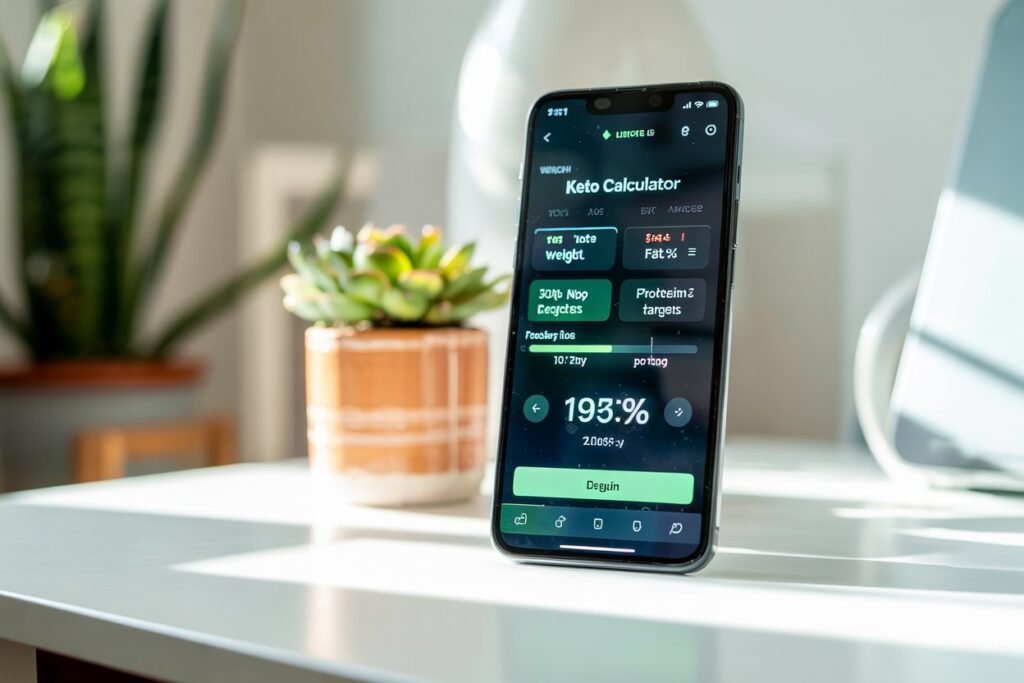
If you’ve ever wondered, “How fast will I lose weight on keto?”—you’re not alone.
It’s one of the most common questions people ask when they start cutting carbs. The truth is, keto results aren’t one-size-fits-all.
Everyone’s body responds differently depending on age, activity level, metabolism, and how strictly you follow your plan. That’s where keto weight loss calculators come in handy.
A keto weight loss calculator helps you figure out the perfect balance of macronutrients—fats, proteins, and carbohydrates—for your unique body and goals.
Instead of guessing how much to eat, you’ll have a personalized guide to follow. It’s like having your own digital nutrition coach.
Here’s how it works:
You enter a few basic details such as your age, height, current weight, activity level, and your goal weight.
The calculator then estimates how many calories you should eat each day and breaks down how those calories should come from fat, protein, and carbs.
For example, your daily nutrient ratio might look something like this:
- 70–75% fats to keep your body in ketosis and support energy
- 20–25% protein to preserve muscle and control hunger
- 5–10% carbs to maintain fat-burning mode
Using a keto calculator takes the guesswork out of meal planning. You’ll know exactly how much to eat, which makes it easier to stay consistent and avoid plateaus.
Some calculators even allow you to adjust your goals—whether you’re aiming for steady fat loss, muscle gain, or maintenance once you’ve reached your target weight.
The key to getting accurate results is consistency. Track your meals for at least the first few weeks to understand your eating patterns and make small adjustments as needed.
Over time, you’ll learn to recognize the right portions and combinations of foods that keep you in ketosis and feeling great.
Think of your keto weight loss calculator as a roadmap. It doesn’t drive the car for you, but it keeps you from getting lost.
Pair it with mindful eating, regular movement, and a little patience, and you’ll be amazed at how quickly progress starts to show.
16. Ketogenic Diet for Weight Loss

If you’ve ever wondered how people lose weight while still eating butter, cheese, and avocado toast (well, minus the toast), welcome to the world of the ketogenic diet — where fat is your new best friend.
The keto diet flips traditional nutrition advice upside down by cutting carbs way down and turning your body into a fat-burning machine.
Here’s how it works: when you drastically reduce your carb intake, your body enters a metabolic state called ketosis.
In this state, it starts using fat — both from your diet and stored body fat — as its main source of fuel.
The result? Steady energy levels, fewer cravings, and often, noticeable weight loss within weeks.
What makes keto so appealing for weight loss isn’t just the science — it’s the simplicity. You’re not constantly counting calories or battling hunger.
Instead, you’re enjoying satisfying meals loaded with healthy fats, moderate protein, and just enough carbs to keep your brain sharp.
Of course, it’s not all bacon and bliss. The first few days might be rough — you might face the infamous “keto flu” — but hang in there.
Once your body adjusts, you’ll likely feel lighter, more focused, and surprisingly full after meals.
The ketogenic diet isn’t a magic fix, but it can be a game-changer for those ready to commit.
Combine it with smart portion control, hydration, and a bit of movement, and you’ll see why keto continues to dominate the weight-loss conversation.
17. Ketogenic Foods & Recipes
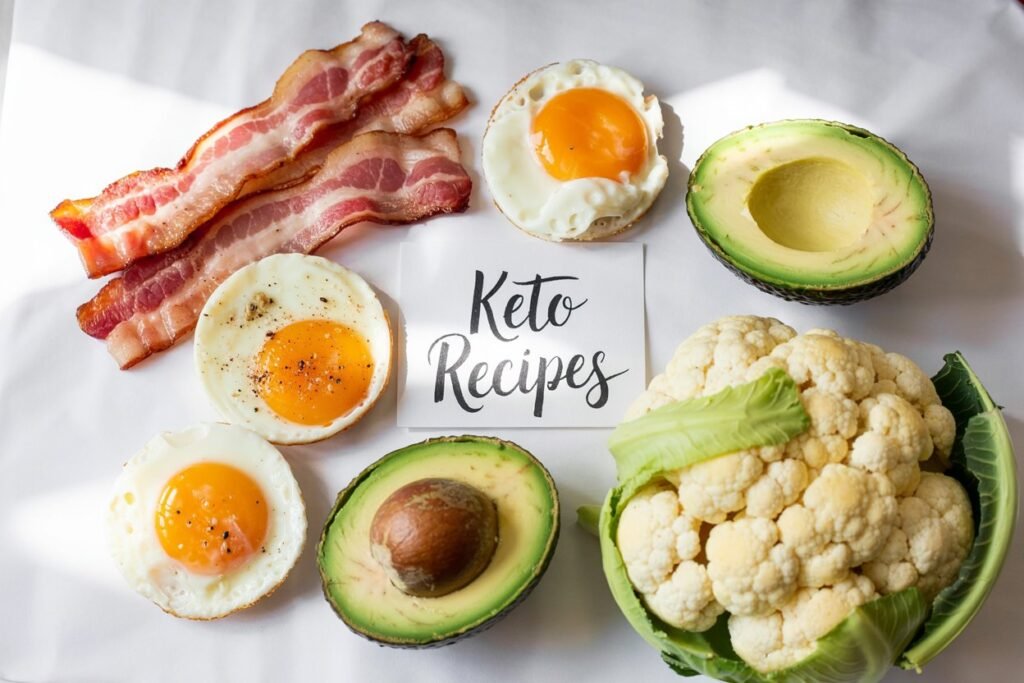
Think of the ketogenic diet as a culinary adventure where carbs take a back seat, and fats get the spotlight they’ve always deserved.
Instead of counting every calorie or surviving on bland salads, keto lets you enjoy rich, satisfying foods — the kind that make you wonder if you’re really on a “diet” at all.
The foundation of keto-friendly eating revolves around high-fat, moderate-protein, and low-carb foods.
Your kitchen staples should include items like avocados, eggs, cheese, olive oil, nuts, fatty fish, and leafy greens.
These foods not only help you stay full but also keep your body in ketosis, where it burns fat for energy instead of relying on carbs.
When it comes to cooking, keto recipes are anything but boring.
You can whip up creamy garlic butter salmon, zucchini noodles tossed in pesto, or crispy cauliflower pizza crusts that satisfy those carb cravings without breaking your progress.
Even desserts get a keto twist — think chocolate mousse made with avocado or almond flour brownies that taste far too good to be “diet food.”
The beauty of ketogenic recipes is flexibility. You can customize meals based on your taste, mix flavors from around the world, and still stay within your carb limits.
The trick is to use real, whole ingredients and get creative in the kitchen — because the best keto plan is one that’s delicious enough to stick with.
Whether you’re meal-prepping for the week or experimenting with new dishes on a Sunday afternoon, remember: keto isn’t about restriction — it’s about smart swaps and flavor-packed freedom.
18. Low-Carb and Keto for Families

When I first tried low-carb and keto eating, one of my biggest concerns was how it would work for the whole family.
I didn’t want to prepare completely separate meals, but I also wanted to stick to my plan without feeling restricted.
Over time, I discovered ways to make it simple, flexible, and family-friendly.
Making It Work at Home
I realized the key was to focus on versatile ingredients that everyone could enjoy.
For example, grilled chicken, baked fish, eggs, and vegetables can be adapted to both keto-friendly and regular meals.
By keeping sides and seasonings flexible, it was easy to serve one plate for me and slightly different versions for my family if needed.
Tips I Used
- Batch Cooking: Preparing large portions of proteins and low-carb veggies allowed me to mix and match meals for the whole week.
- Simple Swaps: Instead of pasta or rice, I used zucchini noodles, cauliflower rice, or lettuce wraps. The family barely noticed the difference, but it kept me on track.
- Flexible Portions: I didn’t force the kids or other family members to eat low-carb, but I made sure my plate aligned with my goals.
Why It Worked
Keeping the meals simple, tasty, and adaptable made the diet sustainable. I didn’t feel like I was missing out, and it also introduced my family to healthier options without being strict or overwhelming.
19. Low-Carb Vegetarian & Vegan Recipes
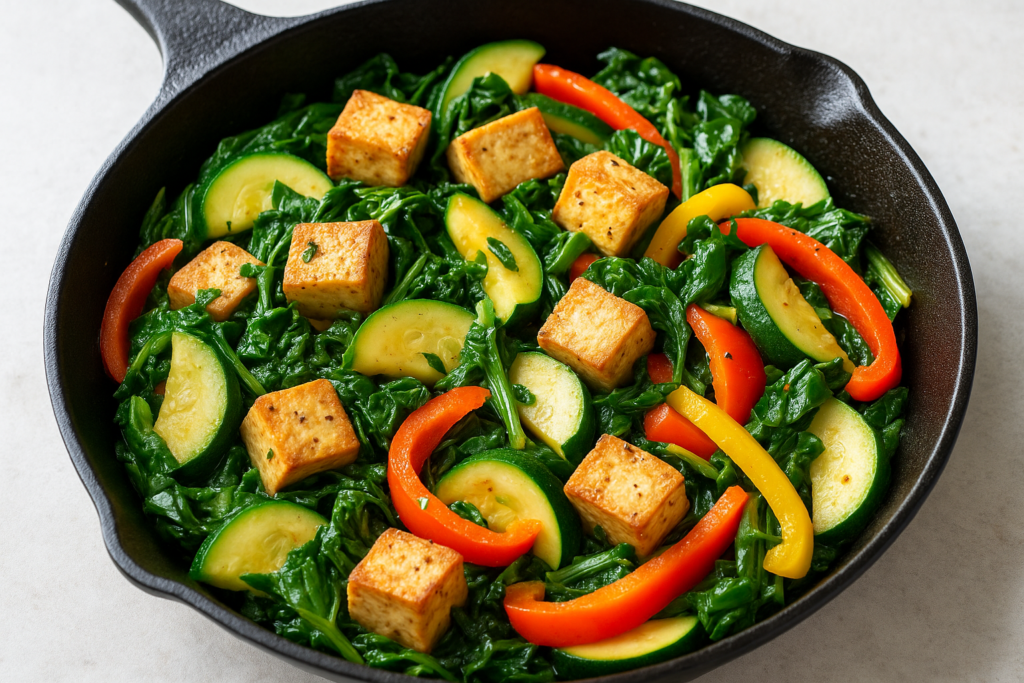
Let’s clear up a common myth right away: eating low-carb doesn’t mean you have to live on bacon and cheese.
Many people think the keto or low-carb lifestyle is impossible for vegetarians and vegans—but that’s far from true.
You can absolutely enjoy the benefits of a low-carb diet while sticking to your plant-based principles.
It just takes a bit of creativity, a few smart swaps, and maybe a blender that gets used more than usual.
The key to a successful vegetarian or vegan low-carb diet is focusing on nutrient-dense, high-fiber, and healthy-fat foods.
Instead of meat, you’ll rely on plant-based proteins and fats that help you stay full and energized without overloading on carbs.
Think tofu, tempeh, avocados, nuts, seeds, and plenty of low-carb vegetables.
Here are some simple, satisfying vegetarian and vegan low-carb recipe ideas that prove you don’t need meat to feel strong, full, and fit:
1. Cauliflower Fried “Rice”
Swap regular rice for finely chopped cauliflower, sautéed with tofu, soy sauce, sesame oil, and mixed veggies. It tastes just as good as takeout—minus the carb crash.
2. Zucchini Noodles with Avocado Pesto
Spiralized zucchini tossed with a creamy avocado pesto made from avocado, basil, lemon juice, and olive oil. It’s fresh, flavorful, and ready in minutes.
3. Spicy Tofu Lettuce Wraps
Crispy tofu seasoned with chili, garlic, and soy sauce, wrapped in crisp lettuce leaves. Add a sprinkle of sesame seeds for crunch and a dash of lime for zest.
4. Coconut Curry with Broccoli and Spinach
A warm, comforting bowl made with coconut milk, curry paste, and your favorite green vegetables. Rich, fragrant, and packed with healthy fats to keep you full longer.
5. Vegan “Cheesy” Broccoli Casserole
A dairy-free version made with nutritional yeast, almond milk, and cashews blended into a creamy sauce. It’s comfort food that fits your goals and tastes amazing.
6. Chia Seed Pudding with Almond Butter
Perfect for breakfast or dessert. Mix chia seeds with almond milk, let them thicken overnight, and top with almond butter and a few berries for sweetness.
Each of these meals is low in carbs, rich in fiber, and packed with flavor—no meat or animal products required.
Plus, they’re perfect for anyone looking to eat lighter, reduce inflammation, or simply feel more energized throughout the day.
The best part? These recipes aren’t just “good for a vegan version”—they’re genuinely delicious for anyone. Even your most carnivorous friend might ask for seconds.
Your New Favorite Keto Treat is Here.
Skip the sugar crashes and fuel your body with Keto Shakes that taste like dessert but keep you in fat-burning mode.
Order Now & Enjoy Guilt-Free Flavor
20. High-Protein Low-Carb Meals

When I started focusing on high-protein, low-carb meals, I noticed a big difference in my energy, fullness, and fat-burning progress.
Protein became the foundation of my diet, helping me stay satisfied between meals and supporting muscle maintenance while losing fat.
How I Built My Meals
I structured each meal around a solid protein source first—like chicken, fish, beef, or eggs—and then added plenty of low-carb vegetables and healthy fats.
This combination kept me full longer and prevented the cravings I used to get with carb-heavy meals.
Examples of High-Protein Low-Carb Meals I Use:
- Breakfast: Scrambled eggs with spinach and smoked salmon
- Lunch: Grilled chicken salad with avocado and olive oil
- Dinner: Baked salmon or steak with roasted broccoli or cauliflower
- Snacks: Cheese sticks, boiled eggs, or a handful of almonds
Why It Worked for Me
Focusing on protein helped stabilize my energy and reduced the constant snacking I used to do.
It also made meal planning straightforward because I always had a core protein to build around.
Combining high protein with low carbs made it easier to stick to my goals without feeling deprived.
21. High-Protein Vegan Foods
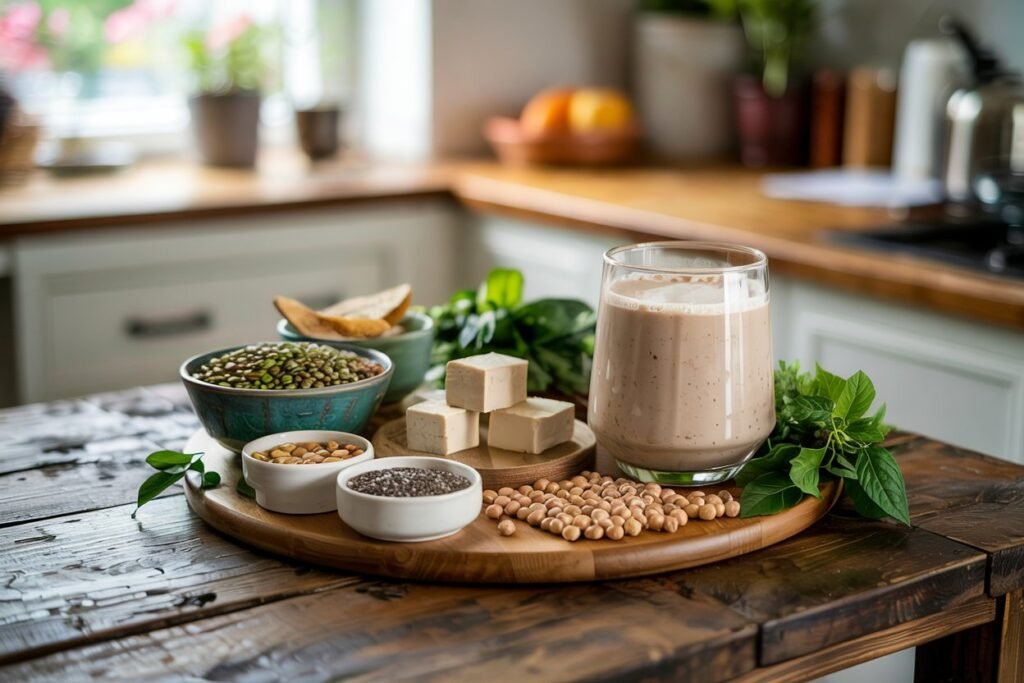
One of the biggest myths about plant-based eating is that it’s hard to get enough protein—especially if you’re following a low-carb or fitness-focused lifestyle.
The truth? There are plenty of high-protein vegan foods that can fuel your workouts, support muscle recovery, and keep you full for hours without a single animal product in sight.
Protein isn’t just for bodybuilders; it’s your body’s building block for everything from strong muscles to healthy skin and hair.
And when you combine it with the right mix of fats and fiber, you’ll have steady energy that lasts all day.
So, if you’ve ever worried that a vegan diet might leave you hungry or tired, these foods will change your mind.
Here are some of the best high-protein vegan options to include in your diet:
1. Tofu
A vegan staple for good reason. It’s versatile, easy to cook, and provides about 10 grams of protein per ½ cup. Grill it, bake it, or toss it into stir-fries—it absorbs flavors beautifully.
2. Tempeh
Made from fermented soybeans, tempeh packs around 15–18 grams of protein per serving. It has a firm texture and a nutty flavor, perfect for salads, sandwiches, or marinades.
3. Seitan
Also known as “wheat meat,” seitan is a protein powerhouse with up to 25 grams per 3-ounce serving. It’s chewy, satisfying, and works well as a meat substitute in stir-fries or wraps.
4. Lentils
Lentils are a nutritional gem—rich in protein, iron, and fiber. A single cup provides about 18 grams of protein, making it a great base for soups, curries, or veggie burgers.
5. Chickpeas
These tiny legumes deliver about 14 grams of protein per cup and can be turned into just about anything—salads, hummus, or roasted snacks.
6. Edamame
A simple and tasty source of plant-based protein. One cup of cooked edamame has around 17 grams of protein along with plenty of fiber and antioxidants.
7. Hemp Seeds
Don’t underestimate these small seeds—they’re nutritional powerhouses with about 10 grams of protein per 3 tablespoons. Sprinkle them on smoothies, oatmeal, or salads.
8. Quinoa
Unlike most grains, quinoa is a complete protein, containing all nine essential amino acids. It’s perfect as a base for grain bowls or as a side dish for any meal.
9. Chia Seeds
Tiny but mighty, chia seeds have about 5 grams of protein per ounce. When soaked, they expand into a gel-like texture—great for puddings or protein-packed breakfasts.
10. Nutritional Yeast
Often called “nooch,” this yellow, cheesy-flavored powder isn’t just for vegans. It adds 4–5 grams of protein per tablespoon and a delicious umami flavor to pastas, soups, and sauces.
Combining a variety of these foods throughout the day helps ensure you get a complete amino acid profile, even without animal products.
Whether you’re lifting weights, running, or just aiming for better nutrition, these high-protein vegan foods can help you stay energized, build lean muscle, and support overall health.
So the next time someone asks, “But where do you get your protein?”—just smile and pass the tempeh stir-fry.
More Diets That Burn Fat Fast:
- Diets to Lose Belly Fat: A Complete Guide
- 7-Day 1400 Calorie Crock-Pot Meal Plan for Weight Loss
- Smoothie Diet: A Delicious Way to Jumpstart Weight Loss
Final Thought
Embarking on a low-carb or keto journey isn’t just about cutting carbs — it’s about transforming your relationship with food and energy.
The first few days might feel like a tug-of-war between your cravings and your goals, but once your body adapts, you’ll notice real changes — steady energy, clearer focus, and a shrinking waistline that doesn’t lie.
The key is consistency. Whether you’re following a structured keto meal plan, experimenting with low-carb vegetarian recipes, or simply trying to eat cleaner, remember that progress happens meal by meal. Don’t stress over perfection — even small daily wins add up.
Think of this guide as your friendly roadmap through the world of low-carb living — complete with detours, taste tests, and the occasional “oops, I ate bread” moment. Laugh it off, learn from it, and keep going.
Your best body doesn’t come from giving up everything you love — it comes from finding a healthy balance you can actually enjoy.
FAQs
1. How much weight can you lose on a low-carb or keto diet in one month?
Most people lose between 5 to 15 pounds in their first month, depending on their calorie intake, activity level, and how strictly they follow the plan.
The initial weight loss often comes from water weight, followed by gradual fat loss as your body adapts to burning fat for fuel.
2. Can I eat fruits on a low-carb or keto diet?
Yes, but in moderation. Low-carb fruits like berries, avocados, and tomatoes are great options because they’re lower in sugar and high in fiber.
Bananas, mangoes, and grapes are best avoided on strict keto plans due to their higher carb content.
3. What’s the difference between a low-carb diet and a keto diet?
A low-carb diet reduces your carb intake but allows more flexibility, while a keto diet is a very low-carb, high-fat plan that pushes your body into ketosis — a state where fat becomes your main energy source.
Think of keto as low-carb taken to the next level.
4. Can vegetarians or vegans follow a keto or low-carb diet?
Absolutely! Plant-based eaters can focus on high-protein vegan foods such as tofu, tempeh, nuts, seeds, and low-carb veggies.
You can also enjoy low-carb vegetarian recipes with eggs, cheese, and plant oils as healthy fat sources.
5. Is the keto diet safe for long-term use?
For most healthy adults, the keto diet can be safe when done properly. However, long-term strict keto may cause nutrient deficiencies if not balanced with vegetables, fiber, and electrolytes.
It’s best to consult a healthcare professional before starting or extending it long-term.
6. What are the side effects of starting a keto diet?
Some people experience “keto flu” during the first week — fatigue, headaches, or dizziness — as the body adjusts to lower carbs.
Staying hydrated, adding electrolytes, and getting enough rest can help reduce these effects.
7. Can I drink alcohol on a keto or low-carb diet?
Yes, but choose wisely. Low-carb options include dry wine, vodka, gin, tequila, and whiskey (without sugary mixers).
Remember, alcohol can slow down fat loss and affect your metabolism, so moderation is key.
8. Do I need to count calories on keto or low-carb diets?
Not always. Many people naturally eat fewer calories because protein and fat help them feel fuller longer.
However, tracking calories can be useful if your weight loss stalls or you’re unsure of your portion sizes.
9. Are low-carb and keto diets good for diabetics?
Low-carb diets can help stabilize blood sugar levels and improve insulin sensitivity.
However, anyone with diabetes should consult their doctor before making major dietary changes, especially if they’re taking medication.
10. What’s the best way to start a low-carb or keto diet?
Start by cutting down sugary foods, processed carbs, and sweet drinks. Focus on lean proteins, healthy fats, and low-carb vegetables.
Plan your meals ahead, stay hydrated, and gradually reduce carbs to help your body adjust smoothly.