If you’ve ever wondered how some people seem to have a rock-solid, sculpted core without spending hours on crunches, the secret often comes down to one simple yet highly effective exercise: the plank.
Planks are a powerhouse move that targets your entire core — including your rectus abdominis (the “six-pack” muscles), obliques, transverse abdominis, and even your lower back — while also engaging your shoulders, glutes, and legs.
In other words, a plank is a full-body exercise disguised as a core move.
What makes planks so special is their ability to build functional strength. Unlike traditional ab exercises like sit-ups or crunches, which isolate muscles, planks engage multiple muscle groups at once.
This not only helps improve your posture and spinal stability but also enhances your performance in other exercises like squats, deadlifts, push-ups, and even everyday movements such as lifting, bending, or twisting.
Whether you’re a complete beginner or an advanced athlete, planks can be adapted to any fitness level.
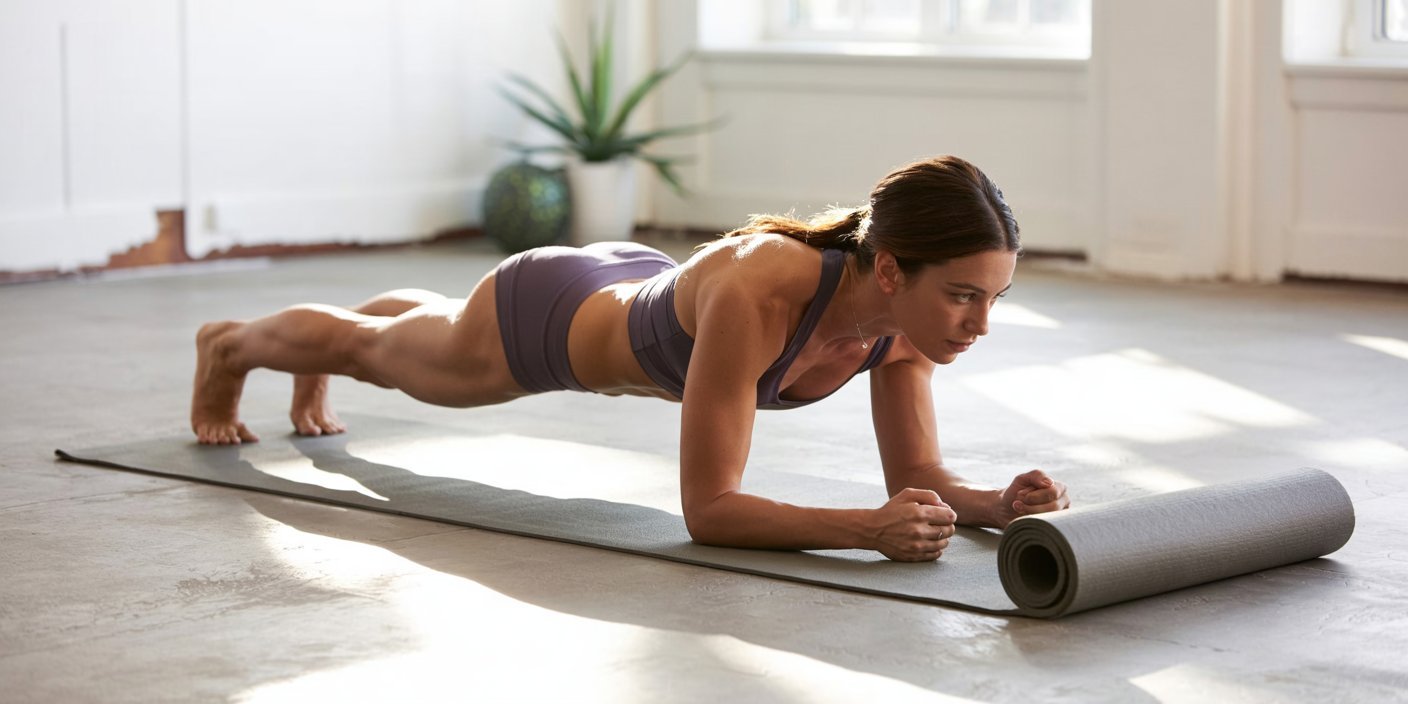
Beginners can start with a basic forearm plank, focusing on proper alignment and holding the position for a few seconds at a time.
As you get stronger, you can progress to side planks, plank jacks, plank to push-up variations, or even weighted planks to challenge your stability, endurance, and overall core strength.
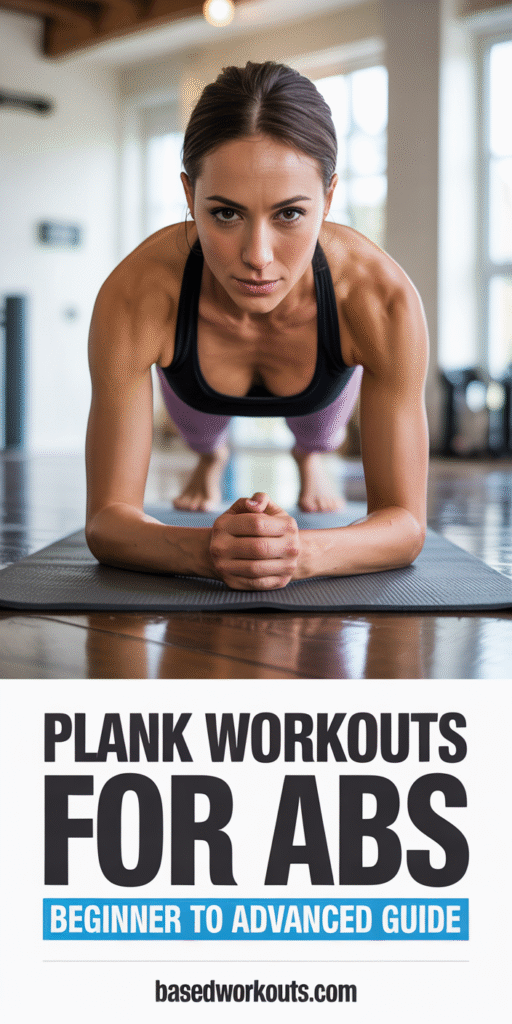
Another major benefit of planks is their role in fat burning and body sculpting. While planks alone won’t magically melt belly fat, they help increase muscle activation, which boosts metabolism and contributes to overall calorie burn.
When combined with cardio, strength training, and a clean diet, plank workouts can accelerate fat loss and reveal a more toned, defined midsection.
This guide is designed to give you a complete roadmap for planks, from beginner-friendly variations to advanced challenges that will test your core strength, balance, and endurance.
You’ll learn proper form, modifications, and tips to safely progress, ensuring that every rep you perform is effective and injury-free.
By incorporating planks into your routine consistently, you’ll not only develop a strong, sculpted core but also enhance your overall fitness, athletic performance, and confidence.
By the end of this guide, you’ll have all the tools you need to master planks and transform your abs — creating a foundation of strength that supports every workout and movement you do.
Amazon Gear for Effective Plank Workouts I Recommend
Want Stronger, More Defined Abs from Home?
Plank workouts are one of the best ways to build core strength and sculpt your abs — but using the right gear can make a big difference in comfort, stability, and results.
Below are my top Amazon picks to help you take your plank training from beginner to advanced levels.
| Product | Why You’ll Love It | Shop Now |
|---|---|---|
| Yoga Mat (Non-Slip, Extra Thick) | Provides grip and comfort during long planks — prevents elbow and wrist pain. | Check Price on Amazon |
| Core Sliders (Set of 2) | Adds intensity to planks and engages more muscles for faster ab definition. | View on Amazon |
| Ab Wheel Roller | Perfect for progressing from static planks to dynamic ab rollouts — builds serious core strength. | Shop Now |
| Adjustable Dumbbells (Light Set) | Use for weighted planks or side planks to challenge your core stability. | Buy on Amazon |
| Forearm & Wrist Support Pad | Reduces strain on wrists and elbows during extended planking sessions. | See Details |
These tools help you get more out of every plank variation — improving stability, core endurance, and ab definition with less strain and faster progress.
1. How to Do a Plank: Proper Form & Common Mistakes
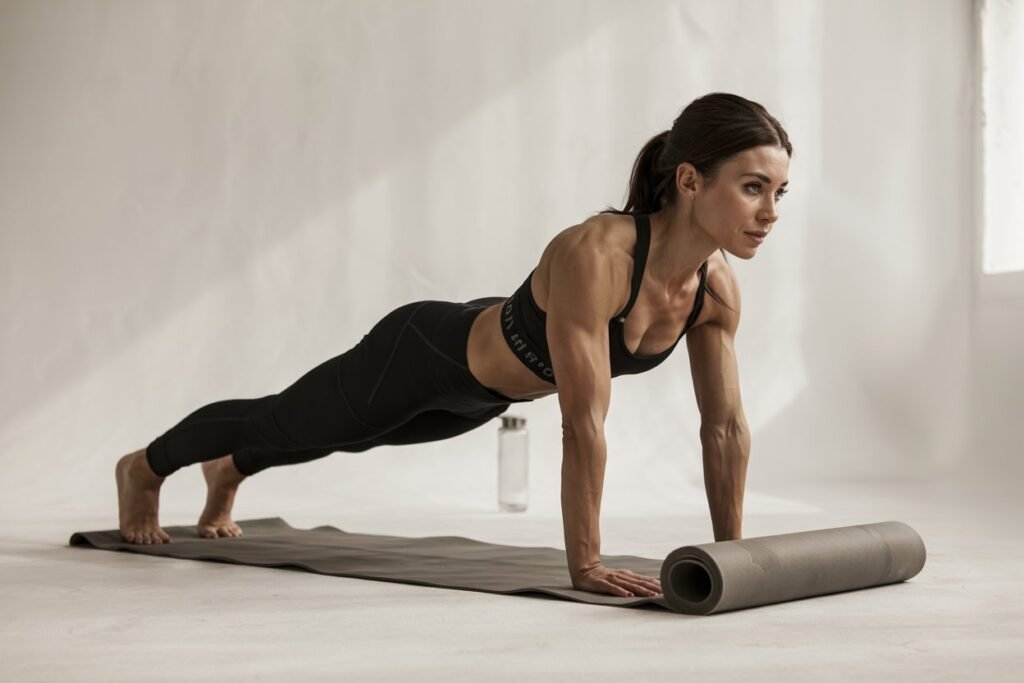
- Begin face-down, forearms on the floor, elbows under shoulders. Legs extended, core engaged.
- Maintain a straight line from head to heels, avoid sagging hips or lifted butt.
- Keep neck neutral—look down at the floor—not tilting forward or back.
- Hold for 10–60 seconds, working up as you gain strength.
Common mistakes to avoid: arching the back, sagging hips, lifting the head—these reduce effectiveness and can strain your spine.
2. Plank Exercise Benefits: 10 Reasons to Start Today

- Builds total core strength (abs, obliques, spinal stabilizers)
- Improves posture and spinal alignment
- Enhances athletic performance
- Reduces lower back pain
- Boosts balance and coordination
- Targets multiple muscle groups simultaneously
- Increases shoulder and upper-body stability
- Enhances flexibility in posterior chain
- Burns calories—up to 2–5 per minute, depending on weight and effort
- Adaptable for all fitness levels
3. Planks for Abs Beginners: Start Here
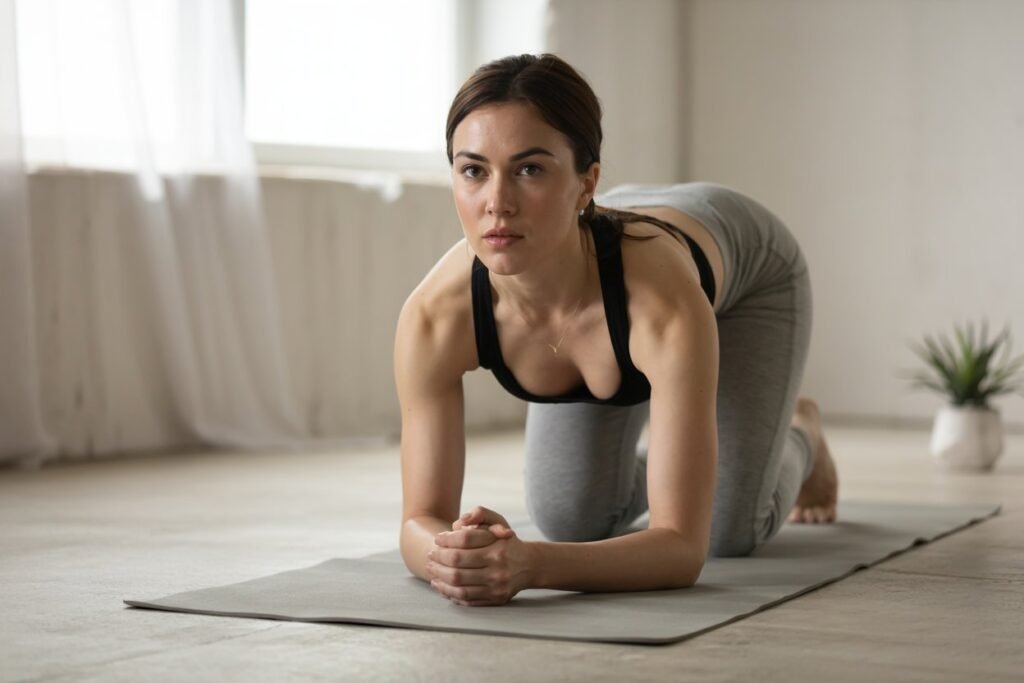
Begin with gentle variations, progressing over time:
- Knee Plank: Perform in kneeling position—perfect for building foundational strength.
- Incline Plank: Hands or forearms on an elevated surface (bench, step).
- Tabletop Plank: On hands and knees, lift knees slightly—useful for early core engagement.
Start with 3 x 10–20 second holds, 3–4 times per week.
4. How Long to Plank to Lose Weight & See Abs
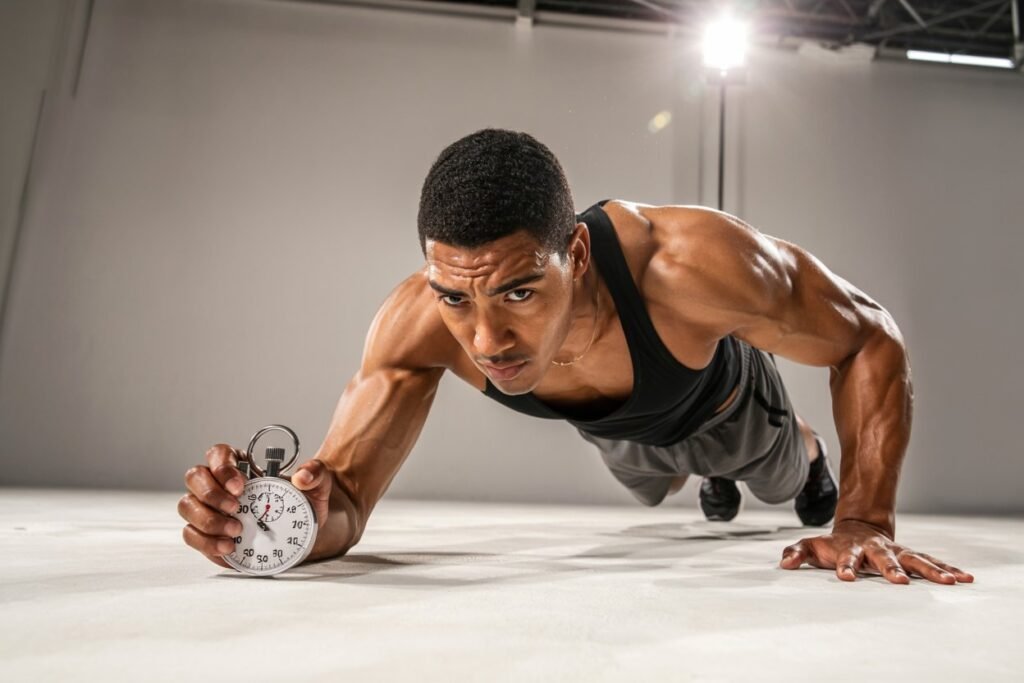
- Beginners: 20–30 seconds per set
- Intermediate: 45–60 seconds per set
- Advanced: 60–90 seconds or more
Aim for a total plank time of 3–5 minutes daily, ideally 5 days per week. Combine with cardio and healthy nutrition. Visible results often appear in 2–4 weeks.
5. Plank for Weight Loss: Calorie Burn Explained
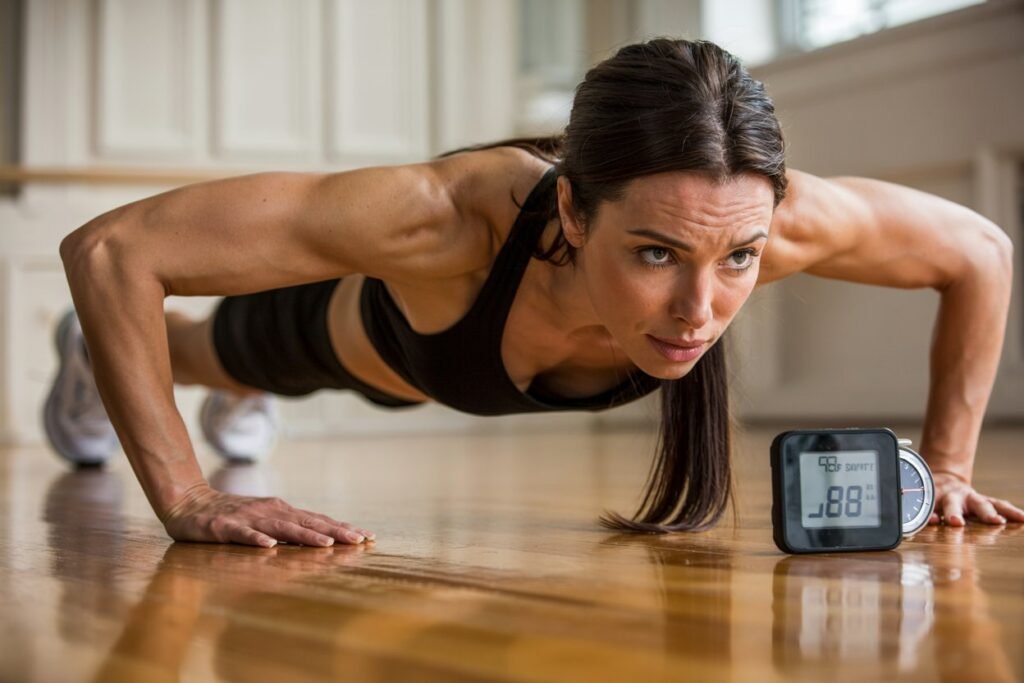
- A 150‑lb person burns roughly 3–4 calories per minute of planking
- A 2‑minute plank may burn 6–9 calories depending on your weight
- For serious fat loss (e.g., burning 600 calories in 30 minutes), combine plank variations like shoulder taps, jacks, and cardio circuits.
6. Reduce Belly Fat with Planks: Timeline & Tips
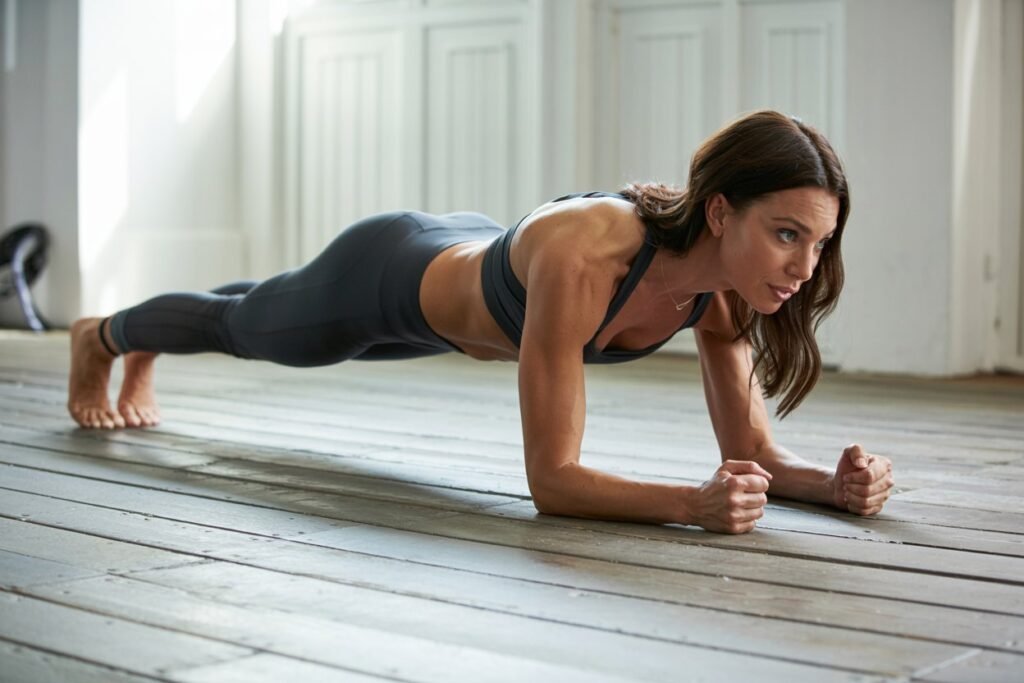
Plank holds alone won’t target belly fat specifically—but combined with a calorie deficit, lean diet, and full-body workouts, they help tone obliques and core.
You may notice reduced belly fat in 2–4 weeks, especially in the midsection.
Pro Tips: add side planks, ensure protein intake, track calories, and stay consistent.
7. How Many Planks Should You Do? Daily & Weekly Planner
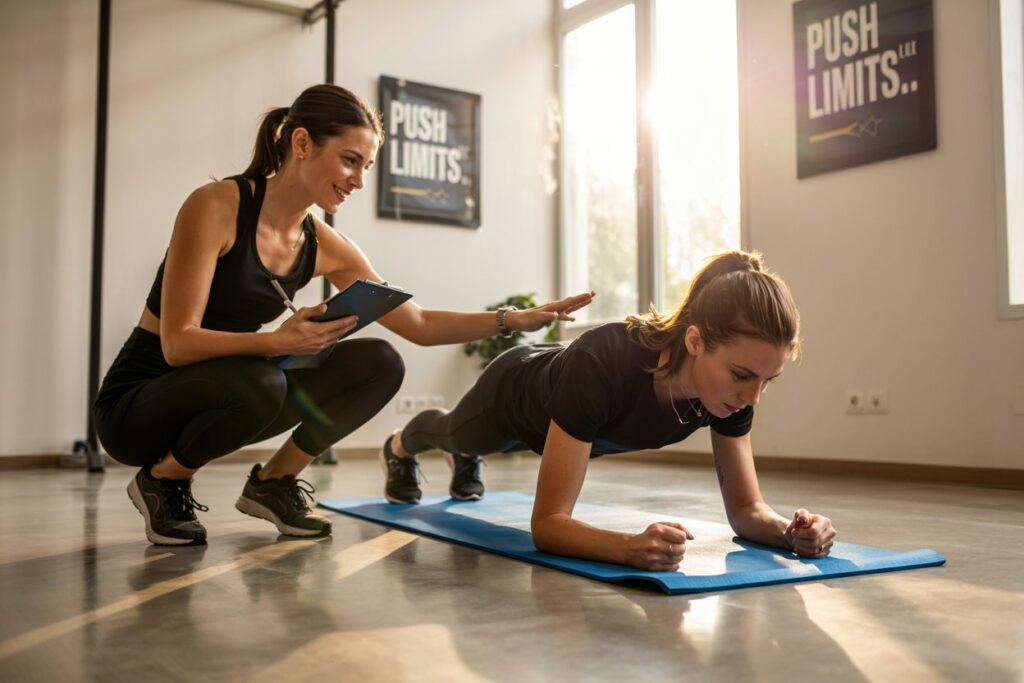
Planks are deceptively simple — you hold a position, engage your core, and feel the burn. But knowing how many planks to do, and how often, is key to seeing results without overtraining or risking injury.
The right frequency and duration depend on your fitness level, goals, and the type of plank you’re performing.
Beginners
If you’re new to planks, start with 3–4 sets per day, holding each plank for 15–30 seconds. Focus on maintaining proper form rather than duration. Short, consistent sets will help you build strength safely.
For a weekly plan, aim for 3–4 days of plank workouts, allowing your core muscles time to recover on rest days.
Intermediate Lifters
Once you’ve mastered form, increase the duration to 30–60 seconds per set and perform 4–5 sets per session.
You can train your core 4–5 days a week, incorporating different variations such as side planks, forearm planks, or plank jacks to challenge different muscles.
Advanced Plank Routine
Advanced exercisers can hold planks for 60–120 seconds per set or combine multiple variations in a single workout.
Aim for 5–6 sets per session, 5–6 days per week, including dynamic moves like single-leg planks, weighted planks, or plank-to-push-ups for maximum intensity.
Tips for Effective Plank Training
- Form Over Duration: Proper alignment is more important than holding longer. Keep your spine neutral, shoulders engaged, and core tight.
- Mix Variations: Combine standard planks with side planks, plank reaches, or plank jacks to engage all core muscles.
- Listen to Your Body: If you feel pain in your lower back or shoulders, stop and adjust your form. Shorter holds with perfect technique are better than long holds with poor form.
- Consistency is Key: Daily practice, even if only for a few minutes, strengthens the core over time.
By following a structured daily and weekly plank plan, you can steadily build endurance, strengthen your core, improve posture, and enhance overall stability.
With gradual progression, planks can become one of the most effective and versatile exercises in your fitness routine — whether at home, in the gym, or while traveling.
8. Advanced Plank Variations for Core and Cardio
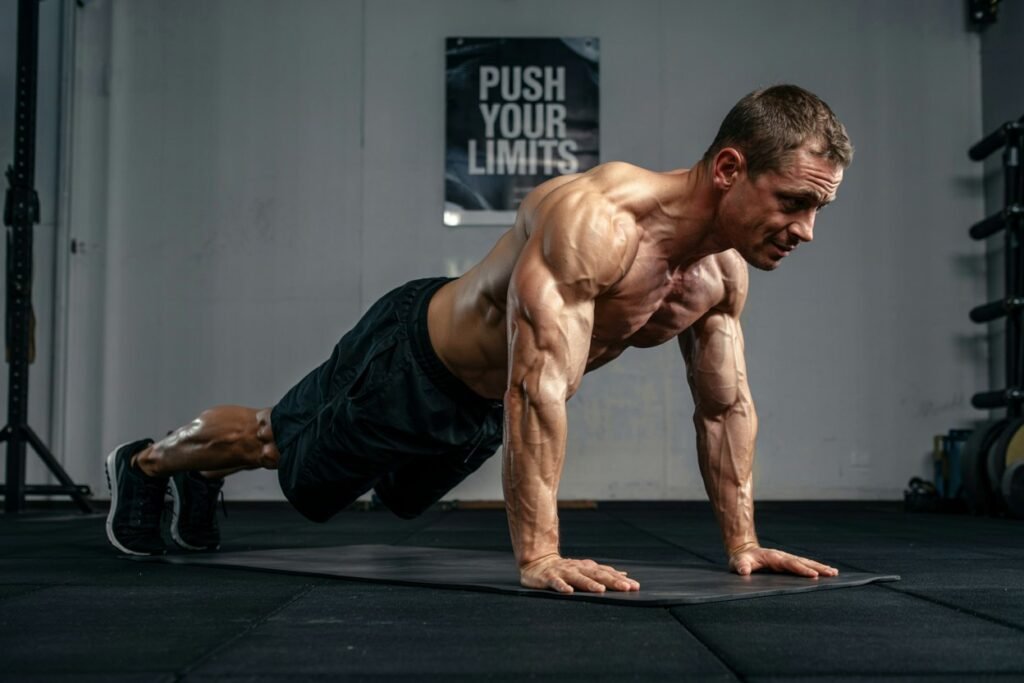
To further challenge yourself and increase calorie burn, try these dynamic versions:
- Plank with Leg Lift – boosts glute and hamstring activation
- Plank with Arm Lift – improves balance and shoulder stability
- Side Plank – targets obliques and love-handles
- Plank Jacks or Shoulder Taps – adds cardio element to core work
9. Avoiding Common Plank Mistakes
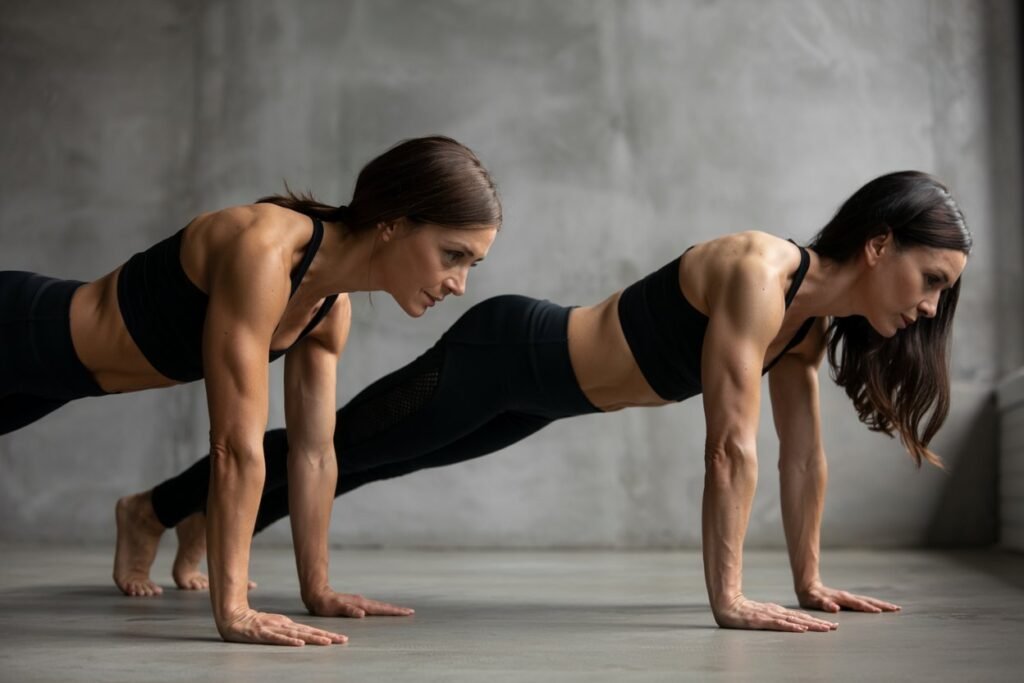
- Sagging hips: stop hold, reset position
- Arched back: tuck pelvis, engage core
- Head lifted: gaze down
- Long holds at expense of form: maintain quality over duration
10. Safety & Special Considerations

- Avoid planks with acute shoulder injuries or pain
- During pregnancy, consider side or incline planks after consulting your provider
- Always warm up with dynamic stretches before planking
FAQs
1. How long should I hold a plank as a beginner?
Beginners can start with 15–30 seconds per set. Focus on maintaining proper form rather than holding for a long time. As your core strengthens, gradually increase to 60 seconds or more.
2. How often should I do plank workouts?
For best results, 3–5 times per week is ideal. Planks are low-impact but still challenge your muscles, so rest days are important to allow recovery and prevent fatigue.
3. Do planks help reduce belly fat?
Planks strengthen and tone your core muscles, which can enhance the appearance of your abs. However, spot reduction isn’t possible.
Combine planks with cardio, strength training, and a healthy diet for overall fat loss.
4. What are the most effective plank variations?
Effective variations include forearm planks, side planks, plank jacks, plank-to-push-ups, and single-leg planks.
Each targets different muscles and helps improve stability, endurance, and strength.
5. Can planks cause back pain?
Planks are safe when performed correctly. Avoid arching your back or letting your hips sag, as this can strain your lower back.
Focus on keeping your core tight and your spine neutral.
6. Should I add planks to my daily routine?
Yes, but listen to your body. Incorporating planks daily can be beneficial if done with proper form and for moderate duration. Overdoing it can lead to fatigue or muscle strain.
7. Are planks enough for a strong core?
Planks are excellent for core stability and endurance, but combining them with dynamic exercises like crunches, leg raises, or rotational movements ensures complete core development.
8. How can I make planks more challenging?
Add variations such as weighted planks, single-leg planks, or plank reaches, increase hold time, or combine them with cardio moves like mountain climbers to boost difficulty.
9. Can I do planks at home without equipment?
Absolutely! Planks require no equipment, making them perfect for home workouts, travel, or outdoor training.
10. How soon will I see results from plank workouts?
With consistent practice, many notice improved core strength and posture within 2–4 weeks, while visible toning and definition may appear after 6–8 weeks combined with proper nutrition and overall training.
Final Thought:
Planks are more than just a basic ab exercise — they are a cornerstone of functional fitness, core stability, and overall strength.
Whether you’re a beginner holding your first 20-second plank or an advanced athlete mastering single-leg or weighted variations, consistency is what drives results.
The beauty of planks lies in their simplicity and versatility. You don’t need fancy equipment or hours at the gym.
All it takes is proper form, gradual progression, and a mix of variations to keep your core challenged.
Over time, you’ll notice stronger abs, better posture, improved balance, and enhanced performance in virtually every workout and daily activity.
Remember, it’s not about holding the plank the longest — it’s about quality over quantity. Focus on controlled movements, engage your core fully, and listen to your body to avoid strain.
Combine planks with other strength and cardio exercises, maintain a healthy diet, and give your muscles time to recover.
With dedication and the right approach, plank workouts can transform your midsection, giving you a stronger, more defined core and the confidence to take on any challenge — from lifting heavier weights to simply moving through life with better posture and stability.