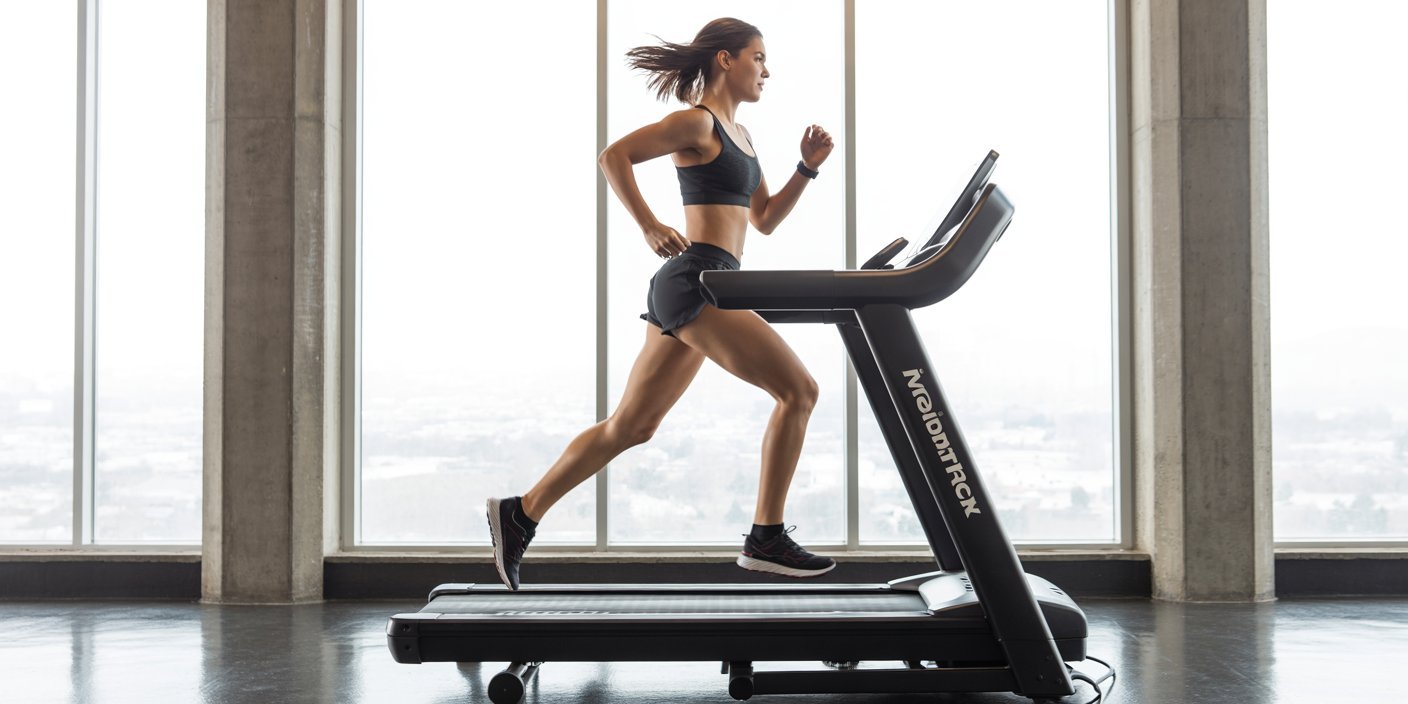
The treadmill is one of the most effective and beginner-friendly tools for building fitness, losing weight, and improving cardiovascular endurance.
Whether you’re just starting your fitness journey or looking for a structured way to get consistent exercise, treadmill workouts provide a safe, customizable, and convenient option.
You don’t need to be an athlete to start—just a good pair of running shoes, a little motivation, and a clear plan.
One of the biggest benefits of treadmill training is its versatility.
With a treadmill, you control the pace, incline, and duration, which means you can adapt your workout to fit your current fitness level and gradually challenge yourself as you improve.
If your goal is weight loss, treadmill workouts can help you burn calories effectively through steady-state cardio or fat-burning interval sessions.
If you’re aiming to boost endurance, treadmill routines can build stamina and strengthen your heart and lungs, setting the foundation for better fitness both on and off the machine.
For beginners, the treadmill also offers a low-pressure environment—no worrying about traffic, weather, or uneven terrain.
You can focus entirely on your form, pacing, and breathing while staying in a safe and controlled setting.
Plus, many treadmills now come equipped with digital tracking, pre-programmed workouts, and entertainment features to keep you motivated and consistent.
In this step-by-step guide, we’ll break down:
- How to safely get started with treadmill walking or running
- Beginner-friendly treadmill workouts for weight loss and endurance
- Interval training routines to burn more fat in less time
- Tips to improve your form, prevent injury, and stay motivated
- How to progress over time for lasting results
By the end of this guide, you’ll know exactly how to create an effective treadmill workout plan that fits your goals and lifestyle.
Whether your aim is shedding pounds, improving cardiovascular health, or simply building a consistent fitness routine, this beginner-friendly treadmill guide will give you the tools and confidence to succeed.
Once comfortable with beginner routines, take on the 30-Day Treadmill Workout Challenge to push your endurance and fat loss further.
Amazon Gear: Beginner Treadmill Essentials for Weight Loss & Endurance I Recommend
Want to Start Your Treadmill Fitness Journey the Right Way?
These beginner-friendly treadmill tools help you stay consistent, monitor your progress, and make every workout more effective.
Here are my top Amazon picks for getting started strong:
| Product | Why You’ll Love It | Shop Now |
|---|---|---|
| XTERRA TR150 Folding Treadmill | Compact, affordable, and easy to use — perfect for beginners starting a treadmill routine. | Check Price on Amazon |
| UREVO 2-in-1 Under-Desk Treadmill | Great for walking workouts or staying active while working — quiet and space-saving. | View on Amazon |
| Sunny Health & Fitness Walking Treadmill | Ideal for low-impact beginner workouts with clear digital display and safety key. | Shop Now |
| Wireless Heart Rate Monitor Strap | Tracks heart rate in real-time to help you stay in the fat-burning zone. | Buy on Amazon |
| Cooling Sports Towel (Fast-Dry) | Keeps you cool and comfortable during longer treadmill sessions. | See Details |
| Bluetooth Fitness Tracker / Watch | Monitors steps, distance, calories, and endurance improvements over time. | Shop Now |
| Slip-Resistant Running Shoes | Lightweight, cushioned shoes designed for treadmill comfort and stability. | View on Amazon |
These Amazon treadmill essentials make it simple to start, track, and enjoy your fitness journey — helping you burn fat, build stamina, and stay motivated.
Why Treadmill Workouts Are Great for Beginners

Starting a fitness journey can feel overwhelming, especially if you’re new to structured exercise.
The treadmill, however, offers one of the easiest and most accessible ways to begin building a consistent routine.
Here’s why it’s such a beginner-friendly option:
1. Simple and Easy to Use
Unlike complex gym machines, treadmills require no complicated setup. Just press start, adjust the speed or incline, and you’re ready to go.
This makes them perfect for anyone who wants a straightforward workout without overthinking.
2. Low Barrier to Entry
You don’t need advanced fitness skills to start walking or jogging.
Even if you’re completely new to exercise, you can begin with a slow walk and gradually progress as your fitness improves.
3. Adjustable Intensity
Treadmills let you control both speed and incline, making it easy to scale workouts to your level.
Beginners can start with brisk walking, while more advanced users can challenge themselves with jogging, running, or hill intervals.
4. Safe, Controlled Environment
Unlike outdoor running, where uneven surfaces or weather can be obstacles, treadmills offer a consistent, safe space to exercise.
This helps reduce injury risk, especially for beginners learning proper walking or running form.
5. Great for Tracking Progress
Most treadmills display time, distance, calories burned, and heart rate. For beginners, this real-time feedback can be motivating and help you set achievable goals.
6. Supports Weight Loss and Cardio Health
Walking or jogging regularly on a treadmill boosts cardiovascular health, burns calories, and helps with weight management—three big reasons why beginners often see quick results when they start treadmill workouts.
7. Perfect for Home or Gym
Whether you’re more comfortable working out at home or prefer the gym environment, treadmills fit both.
At home, they’re convenient and private; at the gym, they provide access without having to buy your own.
Benefits of Treadmill Workouts:
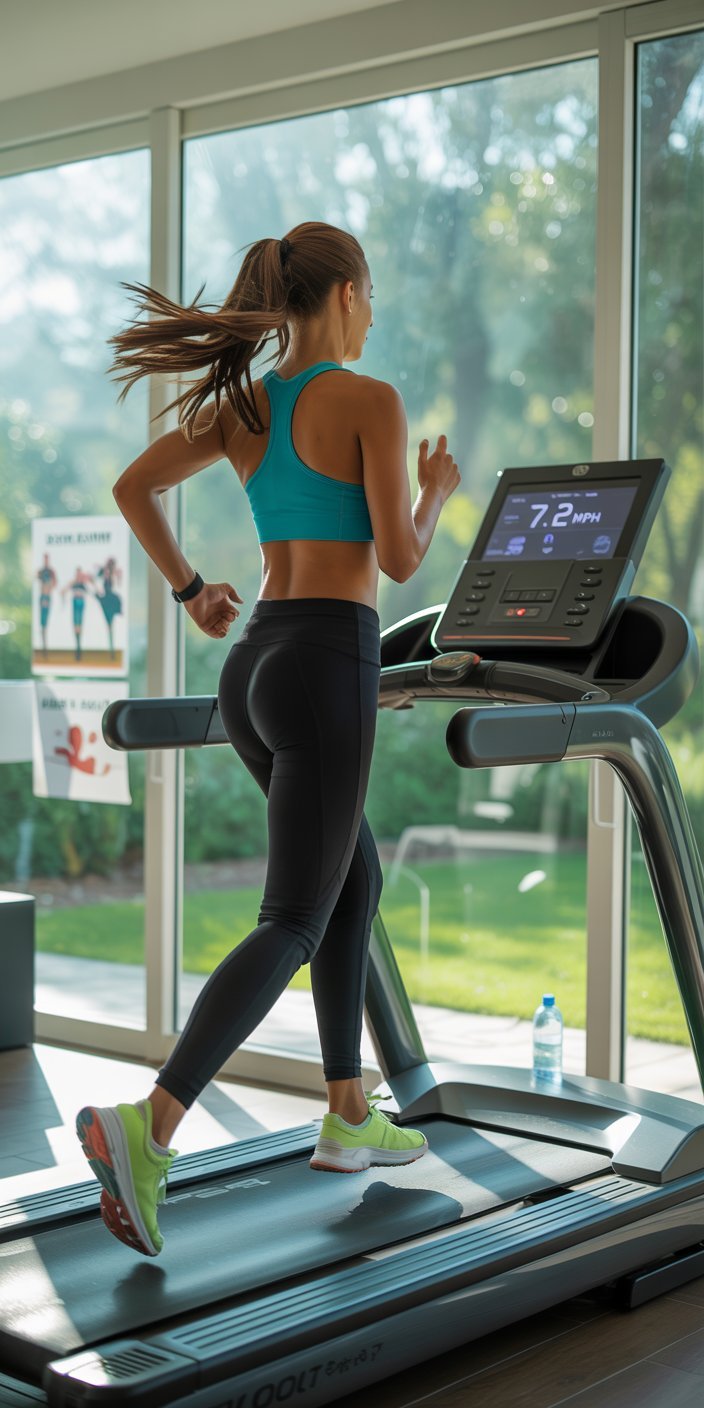
Treadmills are one of the most versatile and effective fitness tools, especially for beginners.
They not only make exercise convenient but also deliver a wide range of health and fitness benefits.
Here are the top advantages of incorporating treadmill workouts into your routine:
1. Supports Weight Loss
Treadmill workouts are excellent for burning calories.
A brisk walk or jog can help you create a calorie deficit, which is essential for weight loss.
Adding incline or intervals increases calorie burn even more.
2. Improves Cardiovascular Health
Walking, jogging, or running on a treadmill strengthens the heart, improves circulation, and boosts lung capacity.
Consistent cardio reduces the risk of heart disease and helps regulate blood pressure.
3. Lowers Impact on Joints (Compared to Outdoor Running)
Most treadmills have cushioned surfaces that reduce the impact on your knees and ankles.
This makes them safer and more joint-friendly than running on concrete or asphalt.
4. Convenient and Weather-Proof
No matter the season, time of day, or weather, a treadmill offers a reliable workout option.
You can exercise indoors without worrying about rain, extreme heat, or unsafe outdoor conditions.
5. Adjustable to Any Fitness Level
Whether you’re a complete beginner or an experienced runner, you can customize treadmill settings to match your goals.
Adjust speed, incline, and duration to progress at your own pace.
6. Great for Mental Health
Cardio exercise, including treadmill workouts, releases endorphins—the “feel-good” hormones. This helps reduce stress, combat anxiety, and boost mood.
7. Builds Endurance and Stamina
By gradually increasing workout duration or intensity, treadmill training helps you build stamina.
Over time, you’ll notice improved energy levels and better performance in daily activities.
8. Supports Interval Training
Treadmills are ideal for high-intensity interval training (HIIT).
You can alternate between walking, jogging, and sprinting to maximize calorie burn and improve overall fitness.
9. Easy Progress Tracking
Most treadmills display your speed, distance, calories burned, and heart rate.
Tracking these metrics helps you stay motivated and measure improvements over time.
10. Safe and Beginner-Friendly
With handles for balance, safety stop buttons, and speed control, treadmills provide a secure workout environment.
This is especially important for those who are just starting out.
Getting Started: Essential Tips
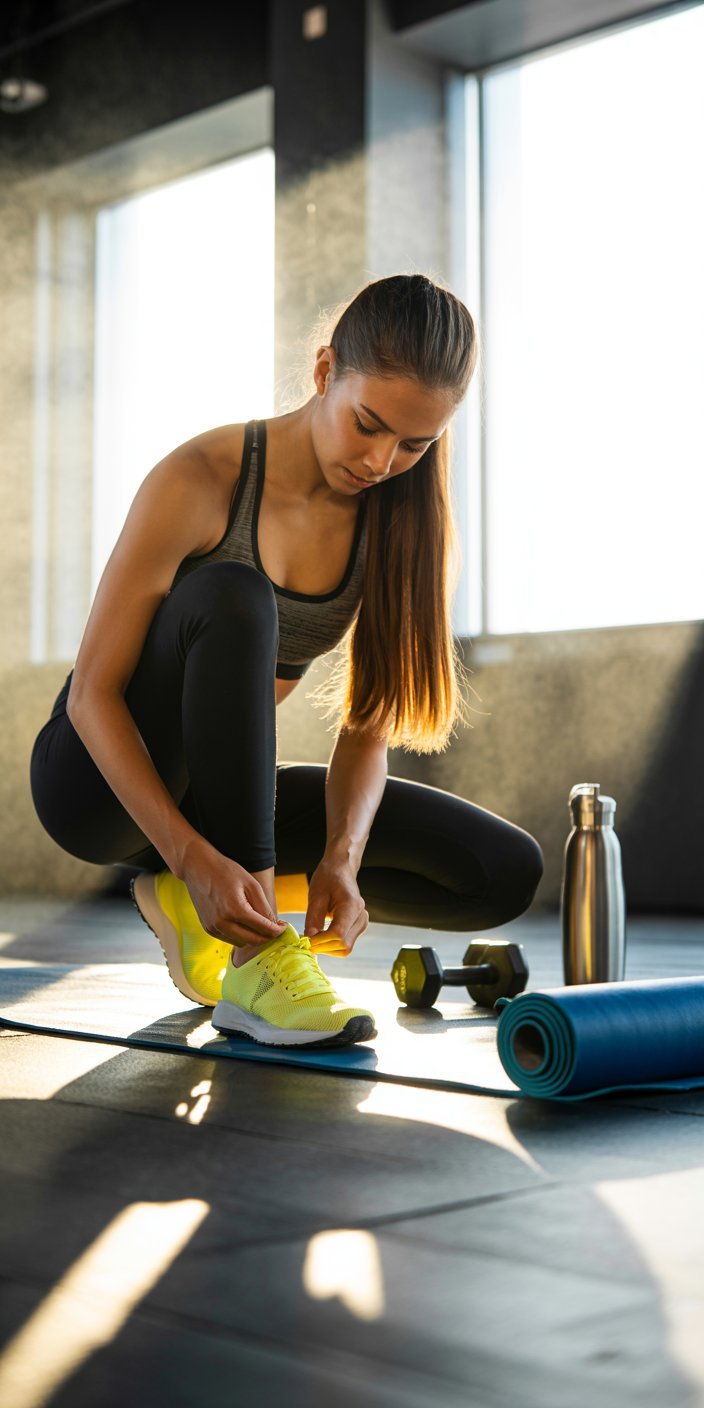
If you’re new to treadmill workouts, the key is to start simple, stay consistent, and gradually build your fitness level. Here are some practical tips to help you get started safely and effectively:
1. Start with a Warm-Up
Always begin with 5–10 minutes of light walking at a comfortable pace. Warming up prepares your muscles, gets your heart rate up gradually, and reduces the risk of injury.
2. Wear Proper Shoes
Invest in supportive running or training shoes with good cushioning. This not only protects your joints but also improves comfort during longer sessions.
3. Set Realistic Goals
Don’t feel pressured to run right away. Start with walking at a steady pace and slowly increase your speed or incline as your fitness improves. Aim for small, consistent progress.
4. Focus on Posture
Keep your head up, shoulders relaxed, and core engaged while walking or running. Avoid leaning too much on the treadmill rails, as this reduces effectiveness and may cause strain.
5. Use the Incline Wisely
Begin with little to no incline and gradually add resistance over time. Walking uphill boosts calorie burn and strengthens your legs without requiring a faster pace.
6. Mix Walking and Jogging
For beginners, alternating between walking and light jogging is a great way to build endurance. For example, walk for 2 minutes, jog for 1 minute, and repeat.
7. Monitor Your Heart Rate
Most treadmills have built-in monitors, but you can also use a fitness watch. Staying in your target heart rate zone ensures you’re working out safely and effectively.
8. Don’t Skip the Cool-Down
End your workout with 5 minutes of slower walking. Cooling down helps your body transition back to rest and prevents dizziness or muscle tightness.
9. Stay Consistent
Aim for at least 3 treadmill workouts per week. Even short sessions (20–30 minutes) make a big difference when done consistently.
10. Listen to Your Body
If you feel sharp pain, excessive fatigue, or dizziness, slow down or stop. Fitness is about building up gradually—not pushing beyond your limits too soon.
Beginner-Friendly Treadmill Workouts
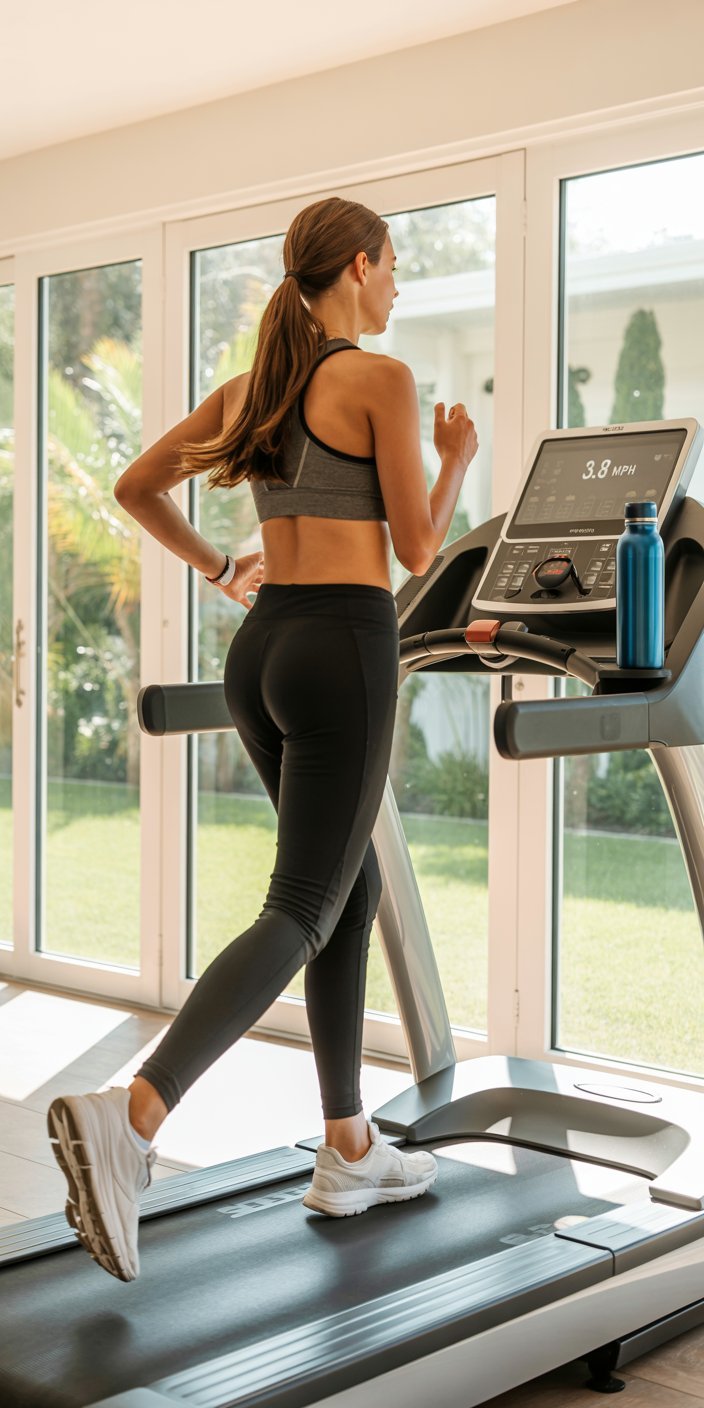
Starting a treadmill routine doesn’t have to be complicated.
In fact, the best way to build endurance and confidence is with simple, structured workouts that balance walking, jogging, and rest periods.
Below are three beginner treadmill workouts you can try:
1. Basic Walking Workout (Great for Beginners)
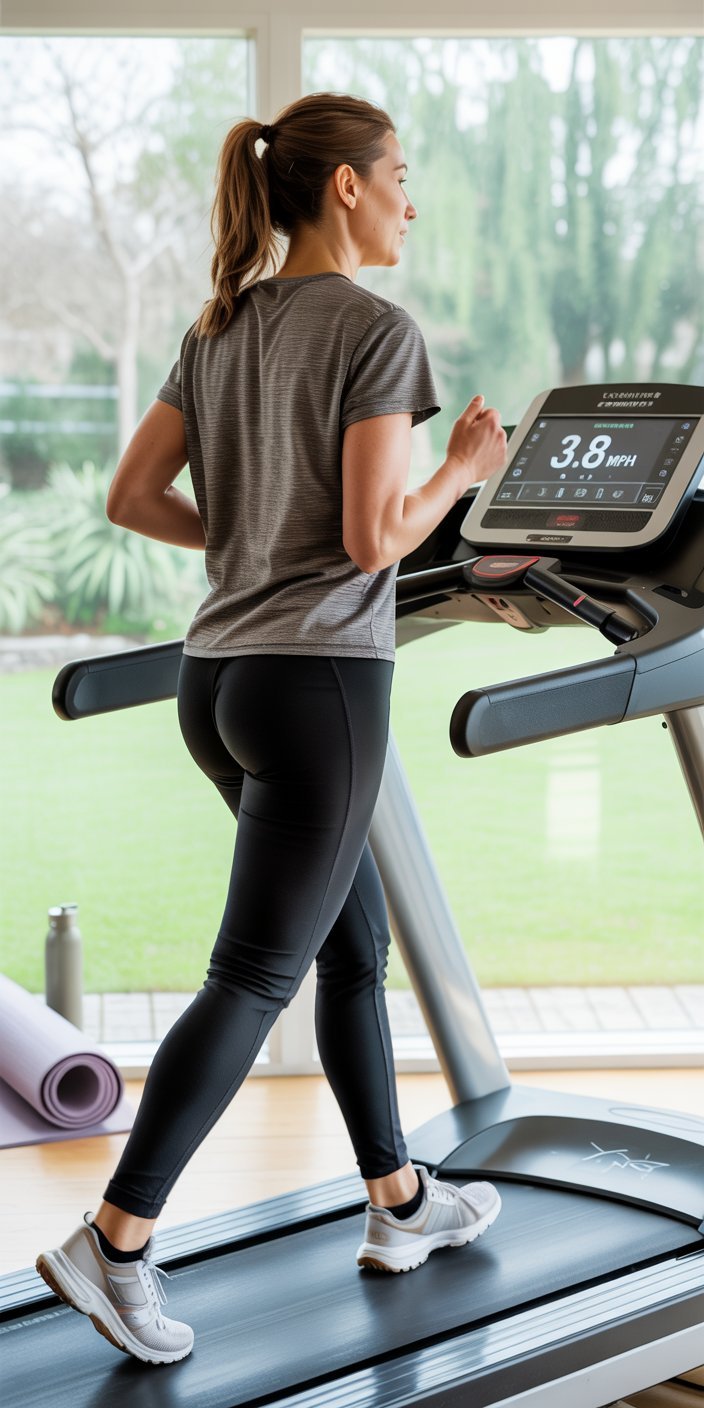
If you’re new to fitness, the treadmill is one of the safest and most effective places to start.
A simple walking workout helps you build endurance, strengthen your legs, and improve cardiovascular health without overwhelming your body.
This workout is perfect for beginners who want to create a consistent routine without worrying about complicated settings or high intensity.
How to Do It:
- Warm-Up (5 minutes): Start at a slow pace (2–2.5 mph) to loosen your muscles and get your heart rate up gradually.
- Workout (15–20 minutes): Increase your speed to a brisk walk (3–3.5 mph). This should feel comfortable, but slightly challenging—you should be able to talk, but not sing.
- Cool-Down (5 minutes): Reduce your pace to an easy walk (2–2.5 mph) and let your heart rate come back down.
Benefits of This Workout:
✅ Easy and safe for beginners of all fitness levels
✅ Helps you get used to the treadmill without stress
✅ Boosts heart health and circulation
✅ Builds stamina for more advanced workouts later
Pro Tip:
Keep your posture tall, shoulders relaxed, and avoid holding onto the rails unless necessary. The more natural your walking form, the better your results.
2. Treadmill Interval Workout (Boosts Weight Loss & Stamina)
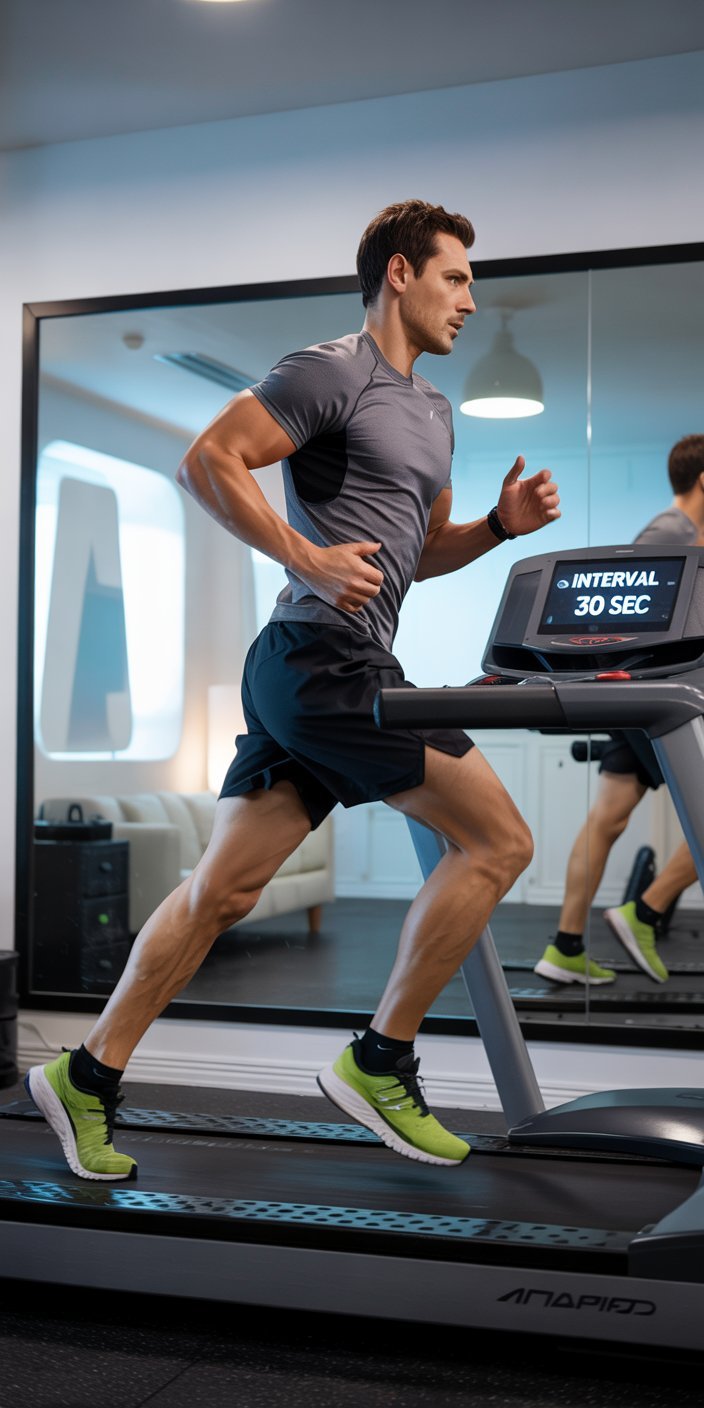
Once you’re comfortable with steady walking, interval training is the next step. Intervals alternate between higher-intensity jogging or fast walking and lower-intensity recovery periods.
This method not only helps burn more calories in less time but also improves your endurance and stamina.
How to Do It:
- Warm-Up (5 minutes): Walk at an easy pace (2.5–3 mph) to get your muscles ready.
- Intervals (20 minutes):
- Brisk walk or light jog for 2 minutes (3.5–4.5 mph).
- Slow down for 1 minute (2.5–3 mph) to recover.
- Repeat this cycle for 6–8 rounds.
- Cool-Down (5 minutes): Walk slowly (2–2.5 mph) to relax your body.
Benefits of This Workout:
✅ Burns more calories than steady walking
✅ Improves heart and lung capacity
✅ Boosts metabolism, helping with weight loss
✅ Builds stamina for longer workouts or running
Pro Tip:
Adjust the speed to your fitness level. If jogging feels too intense, stick to brisk walking for the “high” interval and slower walking for the “rest.”
The key is to challenge yourself without overdoing it.
3. Incline Power Walk (Burns More Calories & Builds Endurance)
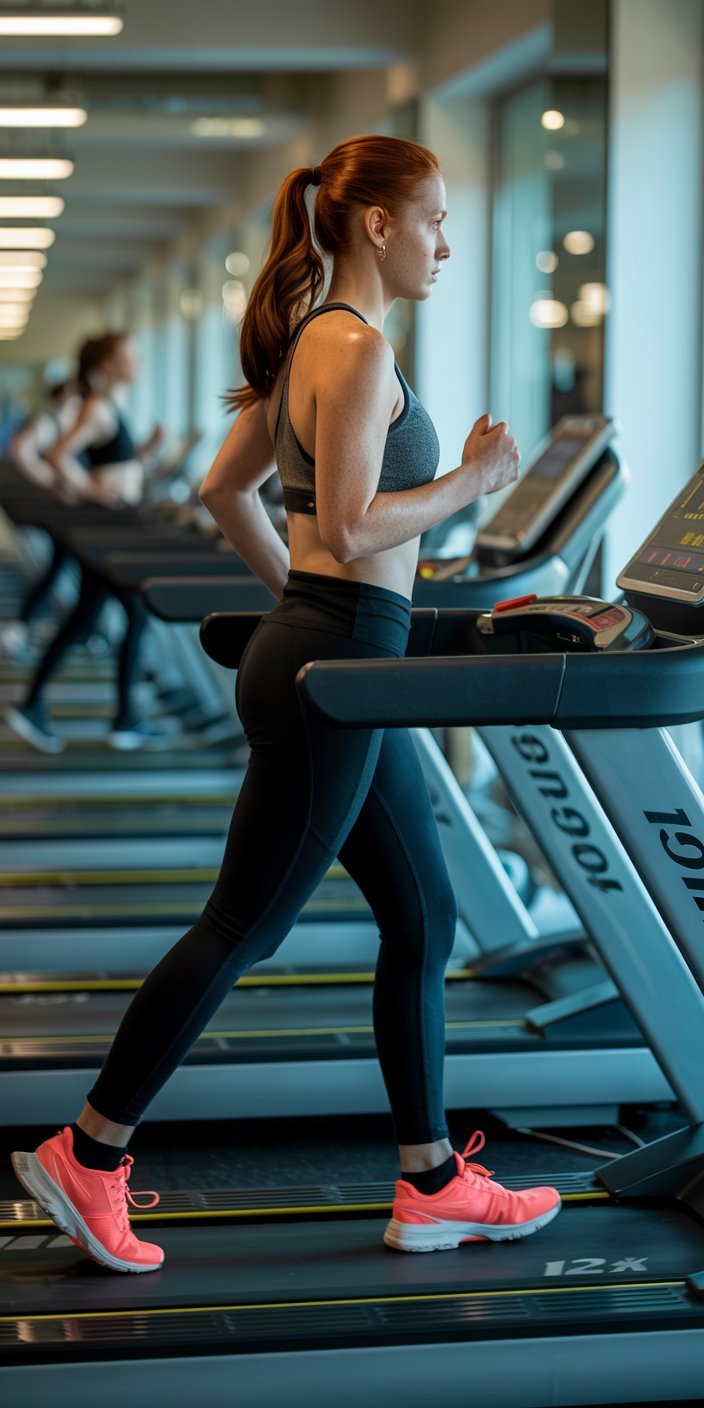
If you want to tone your legs and burn extra calories without running, incline walking is your best friend.
By raising the treadmill incline, you mimic the effort of walking uphill, which engages your glutes, hamstrings, calves, and core much more than flat walking.
It’s a safe and low-impact way to build endurance, strengthen your lower body, and boost fat burning.
How to Do It:
- Warm-Up (5 minutes): Walk flat at a comfortable pace (2.5–3 mph).
- Workout (20 minutes):
- Walk briskly (3–3.5 mph) at a 3% incline for 3 minutes.
- Increase to a 5% incline for 2 minutes.
- Drop back to flat walking (0% incline) for 1 minute to recover.
- Repeat this cycle 4–5 times.
- Cool-Down (5 minutes): Walk flat at an easy pace (2–2.5 mph) to relax your muscles.
Benefits of This Workout:
✅ Burns more calories than flat walking
✅ Strengthens and tones legs, glutes, and calves
✅ Builds cardiovascular endurance without running
✅ Great for people who want a challenge without high impact
Pro Tip:
Resist the urge to hold onto the treadmill rails. Swing your arms naturally—this improves balance, activates your core, and makes the workout more effective.
You can also pair your treadmill sessions with strategies from Treadmill Workout for Fat Burning: The Ultimate Guide for maximum calorie burn.
4. Beginner Jogging Routine
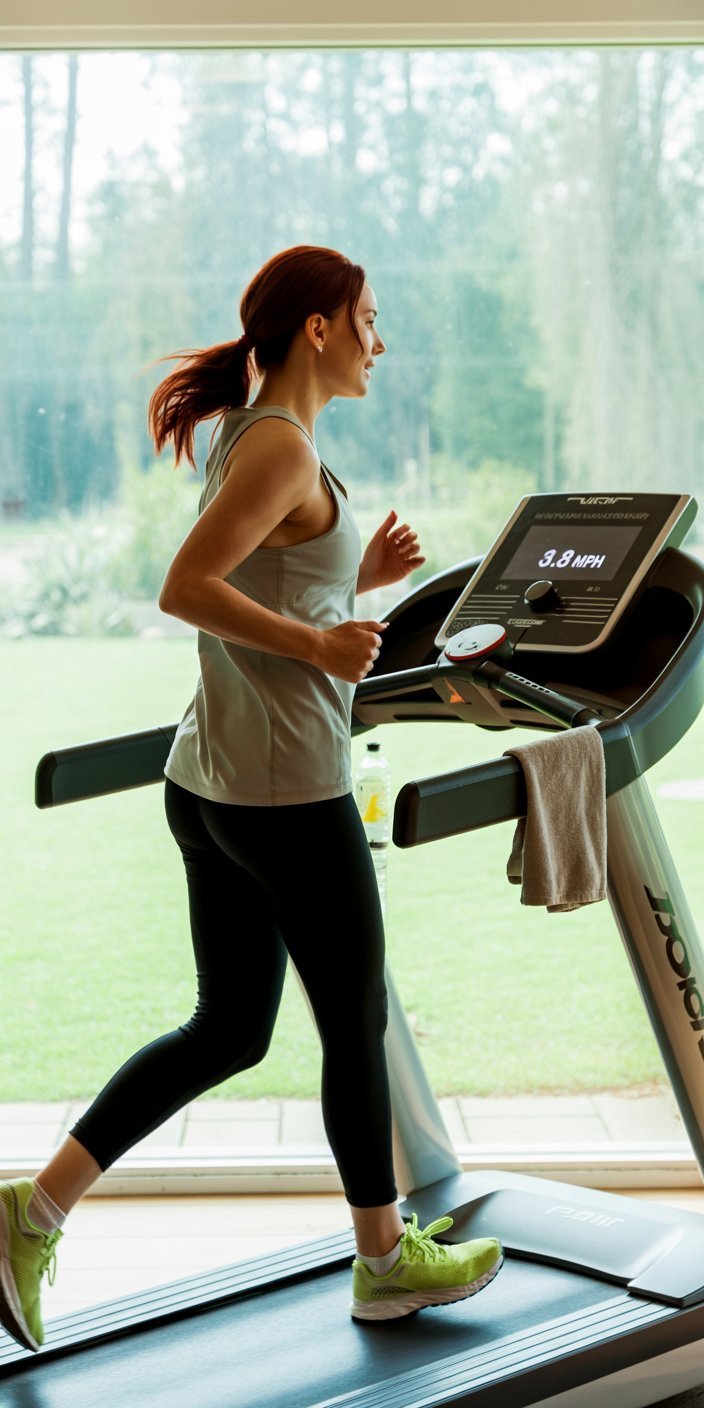
Once you feel comfortable walking and trying light intervals, it’s time to take the next step: jogging.
A treadmill jogging routine helps beginners ease into running in a controlled, safe environment.
It improves cardiovascular health, builds leg strength, and burns calories more efficiently than walking alone.
This workout is perfect if you’re ready to move past power walking but aren’t yet comfortable running long distances.
How to Do It:
- Warm-Up (5 minutes): Start with an easy walk (2.5–3 mph) to loosen your muscles.
- Workout (20 minutes):
- Jog lightly for 1 minute (4.5–5 mph).
- Walk briskly for 2 minutes (3–3.5 mph).
- Repeat this cycle 6–7 times.
- Cool-Down (5 minutes): End with an easy walk (2–2.5 mph) to let your body recover.
Benefits of This Workout:
✅ Helps you safely transition from walking to jogging
✅ Improves endurance and cardiovascular fitness
✅ Burns more calories and boosts metabolism
✅ Builds confidence for longer running sessions in the future
Pro Tip:
Focus on your breathing. Try the “talk test”—you should be able to speak in short sentences while jogging. If you’re too winded to talk, slow down the pace until it feels manageable.
5. Pyramid Treadmill Workout

If you’re ready for a fun challenge that keeps you engaged, the pyramid treadmill workout is an excellent choice.
This style gradually increases your speed or incline to a peak, then decreases it again—just like climbing up and down a pyramid.
It’s beginner-friendly because you control the pace, but it also pushes your endurance and calorie burn more than steady walking or jogging.
This workout is perfect for anyone who gets bored with routine treadmill sessions and wants a structured way to challenge their stamina.
How to Do It:
- Warm-Up (5 minutes): Start with an easy walk (2.5–3 mph) on flat ground.
- Workout (20 minutes):
- Brisk walk at 3 mph for 2 minutes.
- Increase speed to 3.5 mph for 2 minutes.
- Light jog at 4 mph for 2 minutes.
- Jog at 4.5–5 mph for 2 minutes (the peak).
- Drop back to 4 mph for 2 minutes.
- Walk briskly at 3.5 mph for 2 minutes.
- Easy walk at 3 mph for 2 minutes.
- Cool-Down (5 minutes): Walk slowly (2–2.5 mph) to bring your heart rate down.
Benefits of This Workout:
✅ Keeps the workout interesting with changing speeds
✅ Burns more calories than steady-state walking
✅ Builds stamina and cardiovascular endurance
✅ Helps beginners gradually adapt to faster paces
Pro Tip:
If jogging feels too difficult, you can adjust this workout into a walking-only pyramid by using different walking speeds (slow, brisk, and power walk) or by adjusting the incline instead of speed.
How to Stay Motivated
Starting a treadmill routine is one thing—sticking with it long enough to see results is where the real challenge lies.
Motivation can fade, especially when workouts feel repetitive. The good news?
With the right mindset and strategies, you can stay consistent and actually enjoy your treadmill sessions.
1. Set Clear, Realistic Goals
Instead of vague goals like “I want to lose weight,” set measurable targets such as:
- Jog for 10 minutes without stopping
- Walk 3 treadmill sessions a week for a month
- Burn 200 calories per workout
Tracking small wins keeps you motivated and shows real progress.
2. Create a Workout Schedule
Consistency is easier when it becomes routine. Choose specific days and times for your treadmill workouts—just like an appointment. Treat it as non-negotiable “you time.”
3. Make It Fun
Boredom is one of the biggest motivation killers. Keep things interesting by:
- Listening to music, audiobooks, or podcasts
- Watching your favorite show while walking or jogging
- Trying new treadmill workouts (intervals, inclines, pyramids)
4. Track Your Progress
Use a fitness app, smartwatch, or even a simple notebook to record your distance, time, and calories burned. Seeing your numbers improve over time is incredibly motivating.
5. Reward Yourself
Set milestones and reward yourself when you hit them. For example:
- New workout clothes after completing 10 sessions
- A healthy smoothie after a tough workout
- A rest day treat after a consistent week
Rewards reinforce positive habits and keep you excited to continue.
6. Find Accountability
Tell a friend about your goals, join an online fitness group, or share your progress on social media. Knowing someone’s watching can push you to stay consistent even on lazy days.
Remember: Motivation doesn’t always come first—discipline and small daily steps create momentum.
Over time, you’ll notice that what felt hard in the beginning becomes your new normal, and that’s when progress really takes off.
Common Mistakes to Avoid

When it comes to cardio workouts, even small errors can hold back your progress or increase your risk of injury. Here are some of the most common mistakes beginners and even seasoned athletes make:
1. Skipping the Warm-Up
Jumping straight into high-intensity cardio without preparing your muscles and joints is a recipe for strains and fatigue. Always dedicate 5–10 minutes to warming up.
2. Overdoing Intensity Too Soon
Pushing yourself beyond your limits from the start can lead to burnout, dizziness, or injury. Gradually build your stamina instead of sprinting into exhaustion.
3. Poor Posture and Form
Whether you’re running, cycling, or using the rowing machine, posture matters. Slouching, leaning too far forward, or improper foot strikes can cause pain and long-term injury.
4. Ignoring Recovery
Your body needs time to repair and adapt. Doing intense cardio every single day without rest can lead to overtraining and hinder fat loss or muscle growth.
5. Relying Only on Cardio for Weight Loss
Cardio is powerful for burning calories, but pairing it with strength training and a balanced diet delivers far better results.
6. Not Staying Hydrated
Sweating depletes your body’s fluids and electrolytes. Failing to hydrate properly can affect endurance and increase fatigue.
7. Using the Same Routine Every Time
Repeating the same workout over and over stalls progress. Mix up your cardio sessions with intervals, inclines, or different machines to challenge your body.
Related Treadmill Workouts:
FAQ:
1. How much cardio should I do per week?
For general health, aim for at least 150 minutes of moderate-intensity cardio or 75 minutes of high-intensity cardio spread throughout the week.
If your goal is weight loss, you may need more depending on your diet and activity level.
2. Is it better to do cardio before or after weights?
It depends on your goal. If fat loss is your main focus, doing cardio first can help maximize calorie burn.
If building strength and muscle is your priority, lift weights first when your energy is highest.
3. Can I do cardio every day?
Yes, but intensity matters. Daily low- to moderate-intensity cardio (like walking, cycling, or light jogging) is generally safe.
However, doing high-intensity cardio every day without rest can lead to burnout and overtraining.
4. What type of cardio burns the most calories?
High-Intensity Interval Training (HIIT) typically burns the most calories in a short period. Running, jump rope, and rowing also rank among the highest calorie-burning activities.
5. Do I need equipment for an effective cardio workout?
Not at all! Bodyweight exercises like jumping jacks, high knees, burpees, and mountain climbers are great at-home cardio options.
Equipment like treadmills, bikes, or ellipticals just add variety.
6. Should I eat before or after cardio?
If you’re doing a light or moderate session, fasted cardio can be fine.
For intense workouts, having a small pre-workout snack (like a banana or protein shake) can help with energy.
Always refuel with protein and carbs afterward to recover properly.
Conclusion
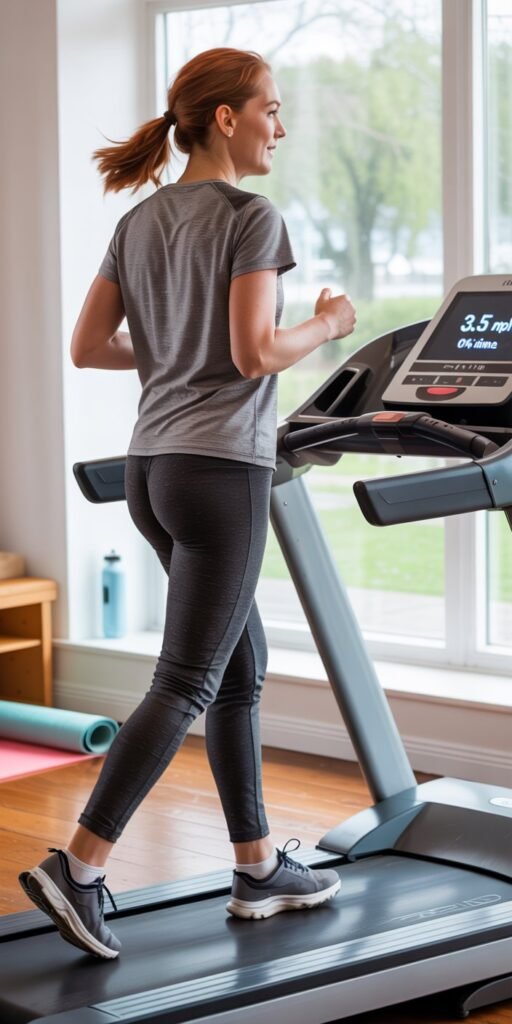
Treadmill workouts are one of the most effective and beginner-friendly ways to kickstart your fitness journey.
They give you the flexibility to start slow, adjust the pace to your comfort level, and progress at your own speed — all while staying in a safe and controlled environment.
Whether your goal is to burn calories, lose weight, improve endurance, or simply create a consistent workout habit, the treadmill is an excellent tool to get you moving in the right direction.
What makes treadmill training so powerful is its versatility.
You can begin with a simple walking routine, move on to interval training for faster results, add incline to challenge your muscles, or eventually work up to jogging and running.
Every workout can be tailored to match your current fitness level, and the built-in settings make it easy to track your progress over time.
It’s also worth remembering that success on the treadmill — just like with any fitness program — comes from consistency and patience.
Small, steady improvements add up. By avoiding common mistakes such as skipping warm-ups, overtraining, or using poor posture, you can make your workouts more effective while reducing your risk of injury.
Pairing treadmill workouts with a healthy diet, proper hydration, and adequate rest will accelerate your results and help you feel energized both inside and outside the gym.
Over time, you’ll notice increased stamina, improved cardiovascular health, and a greater sense of accomplishment with every session.
The best part? You don’t need to be a seasoned athlete to get started.
With a good mindset and the right approach, your treadmill can become more than just a machine — it can be your personal fitness partner that helps you stay motivated and on track, no matter your starting point.
So, lace up your sneakers, pick a beginner-friendly treadmill routine from this guide, and take that first step toward better health and a stronger, more confident you.
Your treadmill journey begins today — and the results you’ll see tomorrow will be worth every stride.