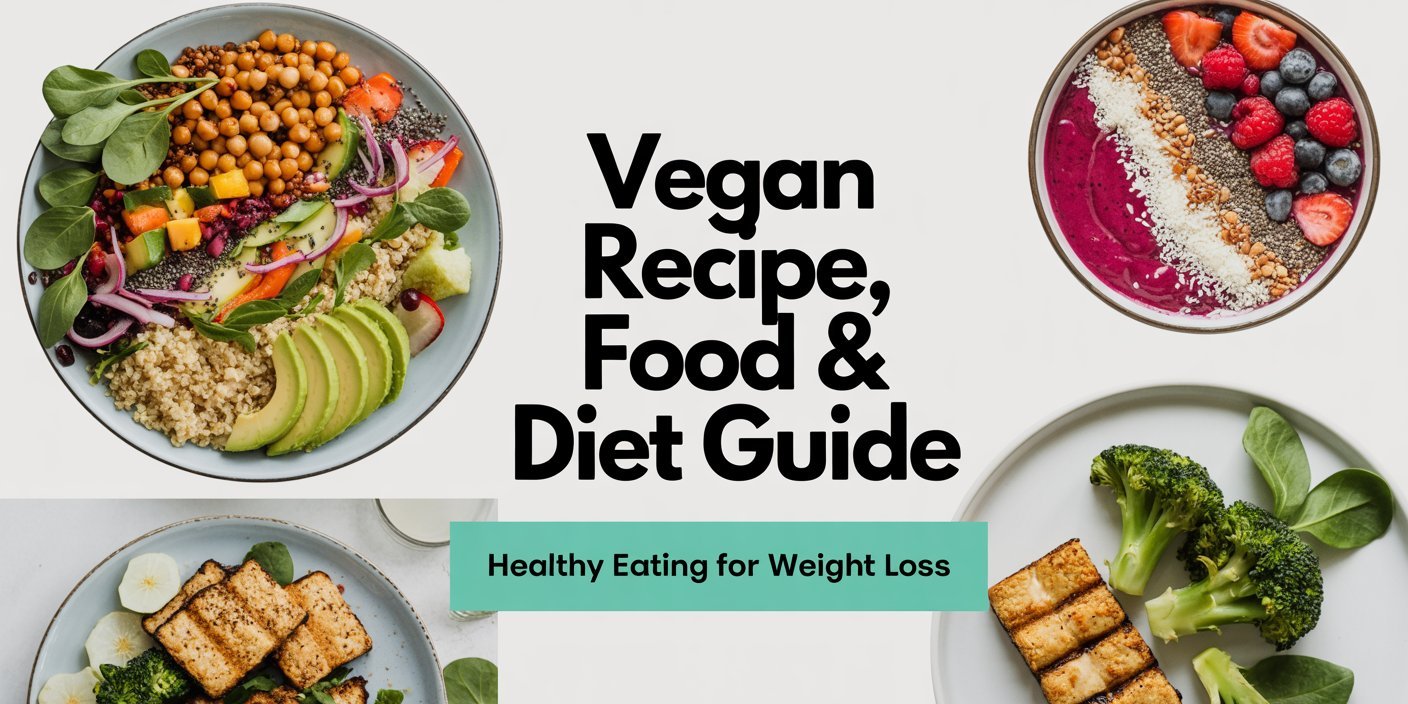
Let’s get one thing straight — going vegan isn’t about eating rabbit food and calling it a day. It’s about discovering how delicious, vibrant, and energizing food can be when it’s made from plants.
Whether you’re here to lose weight, gain energy, or simply treat your body a little kinder, the vegan lifestyle offers a refreshing reset for both your plate and your mindset.
Maybe you’ve seen the words “plant-based” trending all over social media and wondered, Is this just another diet fad? Not quite.
Veganism isn’t a quick-fix cleanse — it’s a long-term, feel-good way of eating that nourishes your body, helps the planet, and, yes, can even make your skin glow.
And no, you don’t have to give up your favorite meals — you just have to give them a plant-powered twist.
If you’ve ever stood in your kitchen staring at tofu like it’s a mysterious block of homework, you’re not alone.
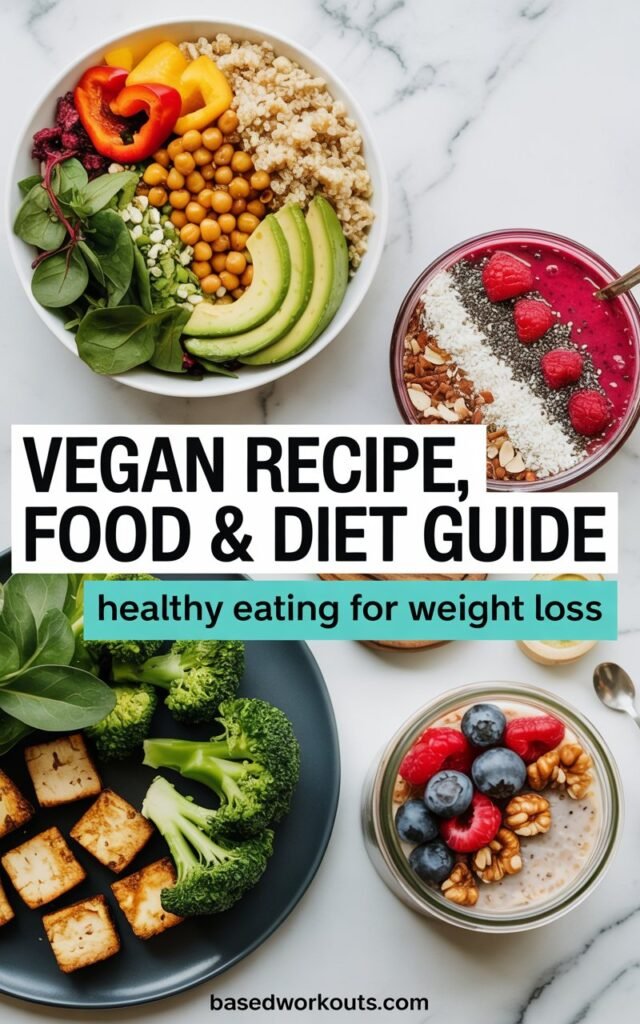
Every vegan beginner has been there, wondering how to make vegetables exciting or how to survive without cheese (spoiler alert: you totally can).
The good news is, vegan cooking today is more creative, satisfying, and accessible than ever.
You can whip up creamy pasta sauces with cashews, burgers made from beans that actually taste amazing, and desserts that don’t make you miss dairy for a second.
What makes vegan eating so powerful is its flexibility. Whether you’re a fitness enthusiast looking for high-protein vegan meals, someone aiming to shed a few pounds, or just
tired of the post-meal sluggishness that comes with processed foods, a plant-based diet can work for you.
The key is balance — mixing whole grains, colorful veggies, healthy fats, and plant proteins in a way that keeps you full and fueled.
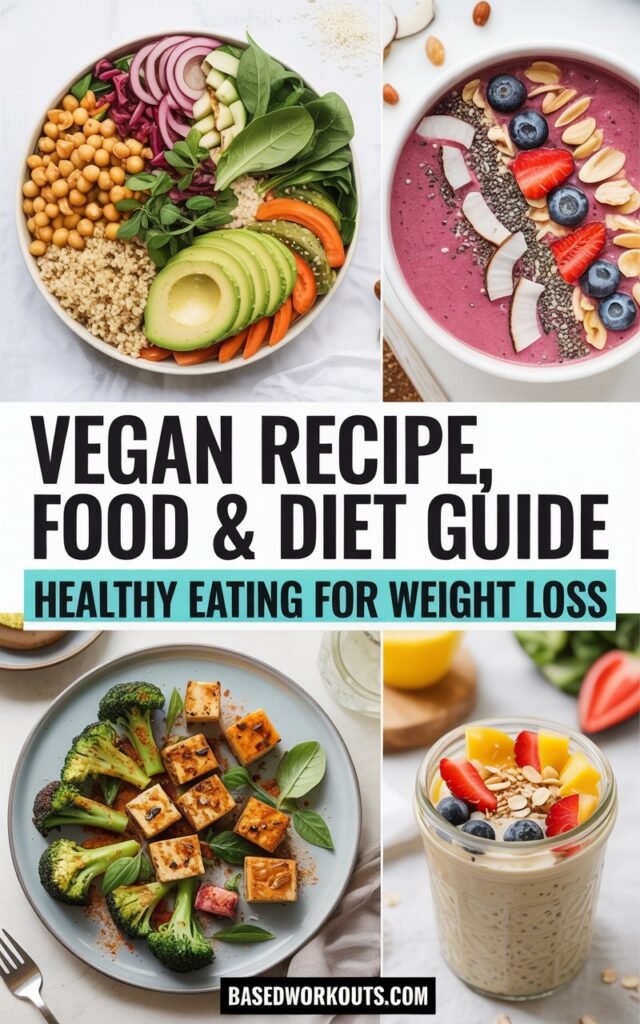
In this guide, we’ll dive into everything you need to know: simple vegan recipes for breakfast, lunch, and dinner; how to get enough protein without animal products; and smart ways to build a sustainable vegan diet that fits your lifestyle.
We’ll also cover tips for staying consistent, managing cravings, and making sure you get all the nutrients your body deserves.
So grab your grocery list and maybe a smoothie — because this isn’t just another diet plan. It’s a lifestyle shift that helps you feel lighter, think clearer, and live with more energy than ever.
And who knows? By the end, you might just be the one convincing your friends that vegan food doesn’t just look good on Instagram — it actually tastes incredible.
Want vegan-friendly ways to flatten your stomach? See Diets to Lose Belly Fat: A Complete Guide for plant-based belly-fat tips
Amazon Gear for Vegan Cooking & Meal Prep I Recommend
Want to Make Healthy Vegan Meals Faster and Easier?
Eating plant-based doesn’t have to be complicated. The right kitchen tools and prep essentials can make cooking, portioning, and enjoying vegan meals simple, delicious, and effective for weight loss.
Below are my top Amazon picks to help you succeed in your vegan lifestyle.
| Product | Why You’ll Love It | Shop Now |
|---|---|---|
| Vitamix High-Performance Blender | Perfect for smoothies, sauces, and plant-based soups — powerful, durable, and versatile. | Check Price on Amazon |
| Instant Pot Duo 7-in-1 Electric Pressure Cooker | Speeds up meal prep for beans, grains, and vegetables — ideal for busy vegan diets. | View on Amazon |
| NutriBullet Pro Blender (High-Speed) | Great for daily protein shakes, green smoothies, and creamy plant-based sauces. | Shop Now |
| Meal Prep Containers Set (BPA-Free, Stackable) | Helps portion meals, control calories, and stay consistent with your diet. | Buy on amazon |
| Premium Air Fryer (Digital, 5.8 Quart+) | Makes crispy plant-based meals with less oil — perfect for guilt-free vegan cooking. | See Details |
These premium tools make it easier to cook, prep, and enjoy plant-based meals — helping you save time, eat healthier, and stay consistent with your vegan weight-loss goals.
1. Vegan Food List for Beginners (And What to Avoid)
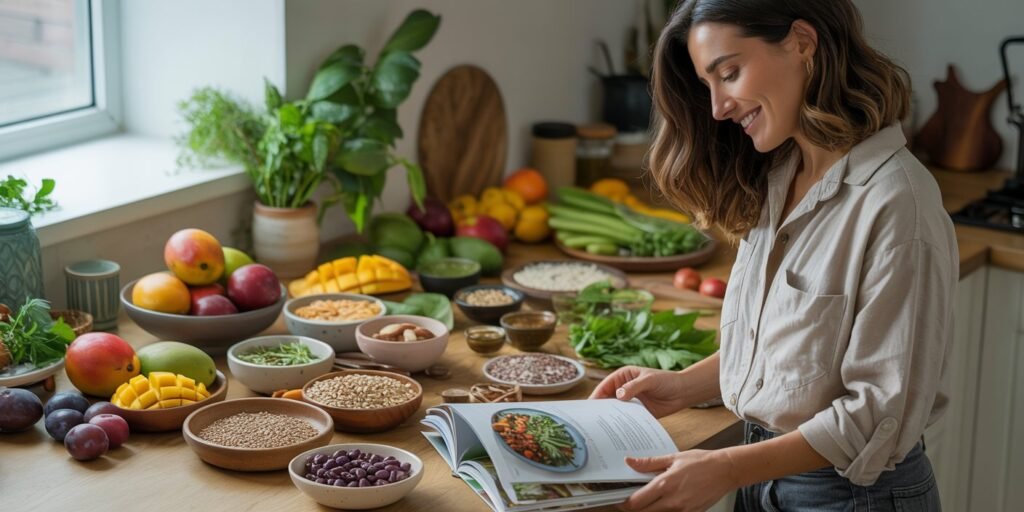
Vegan Food List for Beginners for Weight Loss:
- Leafy greens (spinach, kale, arugula)
- Whole grains (brown rice, quinoa, oats)
- Legumes (lentils, black beans, chickpeas)
- Plant-based proteins (tofu, tempeh, edamame)
- Nuts & seeds (chia, flaxseed, almonds)
- Fruits (berries, apples, bananas)
- Vegetables (broccoli, cauliflower, carrots)
Foods to Avoid:
- Meat, poultry, fish, and seafood
- Eggs and dairy products
- Honey
- Gelatin, casein, and other animal-derived additives
Difference Between Vegan and Vegetarian Chart:
| Food Type | Vegan | Vegetarian |
|---|---|---|
| Meat | ❌ | ❌ |
| Fish | ❌ | ✅ (some) |
| Eggs | ❌ | ✅ |
| Dairy | ❌ | ✅ |
| Honey | ❌ | ✅ |
2. What Can and Can’t Vegans Eat?
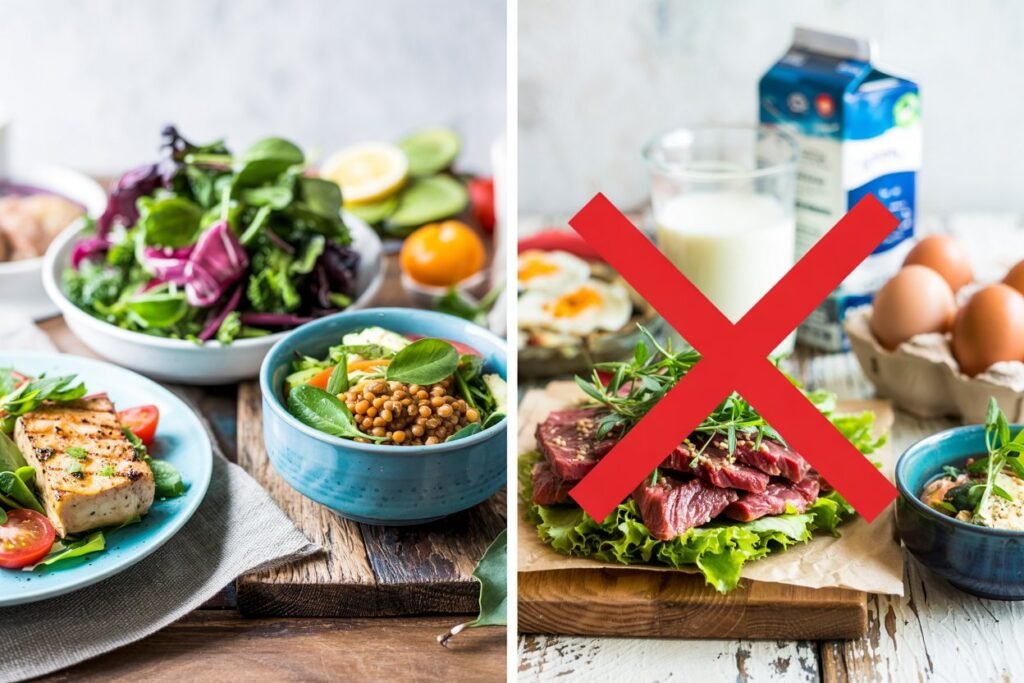
Let’s clear up the biggest question everyone has before going vegan: What on earth can you actually eat? The short answer — a lot more than you think. The long answer — well, that’s where the fun begins.
A vegan diet cuts out all animal-derived foods, which means no meat, poultry, fish, eggs, or dairy. But that doesn’t mean your meals have to be bland or boring.
Instead, you’ll fill your plate with an abundance of fruits, vegetables, grains, legumes, nuts, and seeds — the kind of foods that naturally fuel your body and keep you feeling energized all day long.
Here’s a simple breakdown:
What Vegans Can Eat:
- Fruits and vegetables: The colorful foundation of every vegan meal — think berries, leafy greens, avocados, and sweet potatoes.
- Whole grains: Brown rice, oats, quinoa, barley, and whole-grain bread or pasta.
- Legumes: Beans, lentils, chickpeas, and peas — your best friends for plant protein and fiber.
- Nuts and seeds: Almonds, walnuts, chia seeds, flaxseeds, and hemp seeds for healthy fats and crunch.
- Plant-based proteins: Tofu, tempeh, edamame, seitan, and plant-based meat alternatives.
- Healthy oils: Olive oil, coconut oil, avocado oil, and sesame oil for cooking and flavor.
What Vegans Avoid:
- Meat and poultry: Chicken, beef, pork, turkey, and other animal meats.
- Fish and seafood: Including tuna, shrimp, salmon, and shellfish.
- Dairy products: Milk, cheese, butter, yogurt, and cream.
- Eggs: From any source, including baked goods made with eggs.
- Honey: Since it’s made by bees, many vegans opt for alternatives like maple syrup or agave nectar.
What surprises most people is how easy it is to make vegan versions of nearly everything — from burgers and tacos to cheese and ice cream.
Modern plant-based products have come a long way, meaning you can still enjoy your favorite comfort foods guilt-free and cruelty-free.
So, instead of thinking about what you’re “giving up,” focus on what you’re gaining — vibrant meals, better digestion, steady energy, and the satisfaction of knowing every bite supports your health and the planet.
After all, vegan eating isn’t about restriction — it’s about transformation through plants.
3. Vegan Diet Plan for Weight Loss
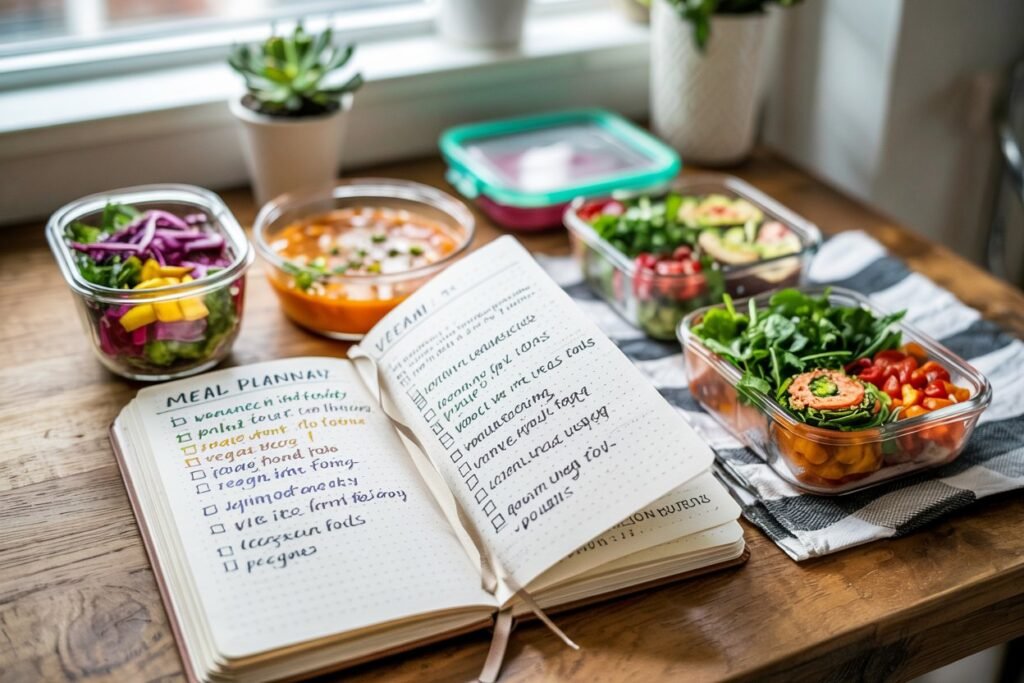
7-Day Vegan Weight Loss Meal Plan:
- Day 1: Oatmeal with berries, lentil soup, stir-fried tofu with veggies
- Day 2: Smoothie bowl, chickpea salad, quinoa-stuffed peppers
- (… and more days included in full post)
30-Day Vegan Diet Weight Loss Plan:
- Focus on whole foods, eliminate processed vegan snacks
- Drink lots of water and herbal teas
- Batch cook on weekends for easier planning
Vegan food can be both satisfying and slimming if planned with whole, clean ingredients.
4. High-Protein Vegan Breakfast Ideas
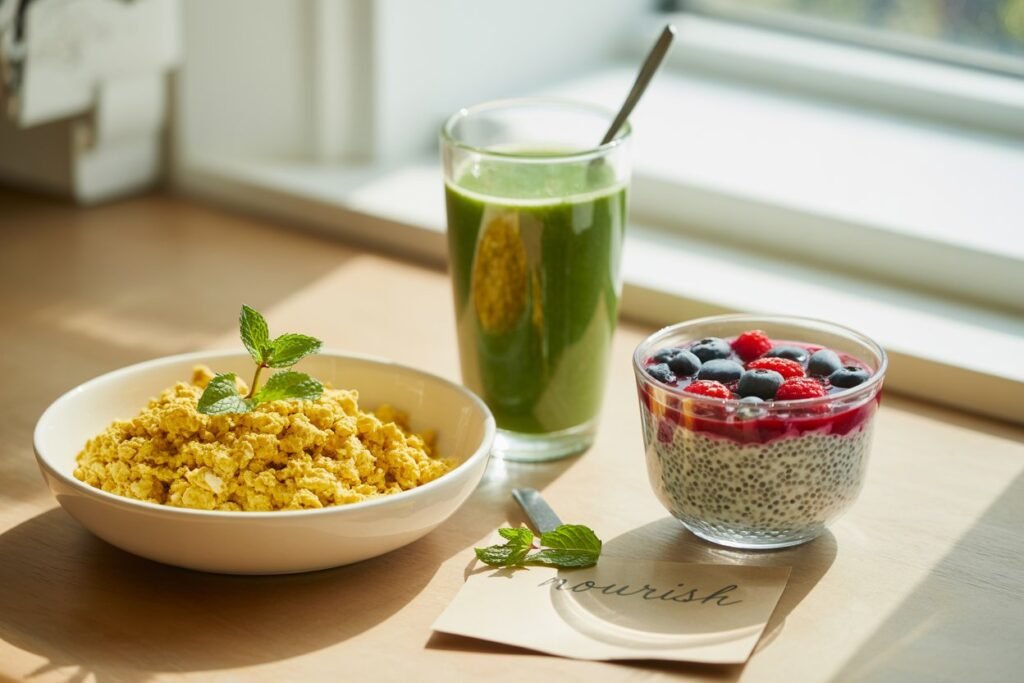
Starting your morning with a high-protein vegan breakfast is one of the easiest ways to stay full, energized, and focused all day. A lot of people think plant-based meals can’t pack enough protein, but that’s not true at all.
With the right ingredients and a few simple tweaks, you can easily build breakfasts that taste amazing and support your fitness or weight-loss goals.
These ideas are perfect for busy mornings, meal prep, or anyone who wants to fuel their body without spending hours in the kitchen.
Below are some of the best high-protein vegan breakfasts you can make at home — simple, affordable, and packed with nutrients.
1. Tofu Scramble Power Bowl
A protein-rich alternative to scrambled eggs that comes together in minutes.
Protein sources: tofu, nutritional yeast, chickpeas.
Ingredients:
- 1 block firm tofu (pressed and crumbled)
- 1 cup chickpeas
- 1 cup spinach
- ½ cup diced bell peppers
- 1 tbsp nutritional yeast
- ½ tsp turmeric
- Salt & black pepper
- 1 tbsp olive oil
How to Make It:
- Heat oil in a pan and add crumbled tofu.
- Sprinkle turmeric, salt, pepper, and nutritional yeast.
- Add chickpeas, peppers, and spinach.
- Sauté for 5–7 minutes until warm and lightly golden.
- Serve with avocado or whole-grain toast.
2. High-Protein Overnight Oats
Quick, no-cook, and meal-prep friendly.
Protein sources: chia seeds, soy milk, vegan protein powder, nut butter.
Ingredients:
- ½ cup rolled oats
- 1 cup soy milk (higher protein than almond milk)
- 1 scoop vegan protein powder
- 1 tbsp chia seeds
- 1 tbsp peanut or almond butter
- Fruit for topping
How to Make It:
- Add oats, chia seeds, protein powder, and milk to a jar.
- Stir until combined and creamy.
- Refrigerate overnight.
- Add nut butter and fruit before serving.
3. Chickpea Flour Protein Pancakes
Fluffy, filling pancakes but with way more protein than usual.
Protein sources: chickpea flour, plant-based yogurt.
Ingredients:
- 1 cup chickpea flour
- 1 tsp baking powder
- ½ tsp cinnamon
- 1 cup water or soy milk
- ¼ cup vegan yogurt
- Maple syrup (optional)
How to Make It:
- Mix chickpea flour, baking powder, cinnamon, and liquid to form a thick batter.
- Pour small amounts onto a greased pan.
- Cook 2–3 minutes per side.
- Top with vegan yogurt and berries.
4. Protein-Packed Smoothie Bowl
A perfect breakfast for busy mornings.
Protein sources: vegan protein powder, hemp seeds, soy milk, nut butter.
Ingredients:
- 1 frozen banana
- 1 cup frozen berries
- 1 scoop vegan protein powder
- ½ cup soy milk
- 1 tbsp hemp seeds
- 1 tbsp nut butter
How to Make It:
- Blend everything into a thick smoothie.
- Pour into a bowl.
- Add toppings like granola, seeds, or fresh fruit.
5. Lentil & Veggie Breakfast Wrap
Savory, filling, and perfect for meal prep.
Protein sources: lentils, hummus, whole-grain tortilla.
Ingredients:
- 1 cup cooked lentils
- 2 tbsp hummus
- Spinach
- Tomatoes
- Onions
- Whole-grain tortilla
How to Make It:
Warm in a pan for 1–2 minutes.
Spread hummus on the tortilla.
Add lentils and chopped veggies.
Roll tightly.
5. Lazy Vegan & 5-Minute Breakfasts

Let’s be honest — not every morning feels like a “wake up early, meditate, and make a smoothie bowl” kind of day.
Sometimes, you’re running late, your hair’s a mess, and breakfast feels like an optional sport you didn’t sign up for.
That’s where the lazy vegan breakfast saves the day. Fast, nourishing, and ridiculously easy — no fancy ingredients, no early-morning stress.
The beauty of a vegan diet is how simple it can be once you know your go-to combos. You don’t need an hour in the kitchen or a chef’s diploma — just a few pantry staples and five minutes to spare.
These breakfasts are perfect for busy mornings, post-workout refuels, or those “I just want to eat and go” kind of days.
Here are a few lazy vegan breakfast ideas you’ll actually look forward to:
1. Overnight Oats
Mix rolled oats with almond milk, chia seeds, and a drizzle of maple syrup. Let it sit overnight, then top with fruit in the morning — zero effort, all flavor.
2. Peanut Butter Banana Toast
Spread peanut butter on whole-grain bread, slice a banana on top, and sprinkle with chia seeds. It’s the breakfast that never fails and always fills.
3. Smoothie on the Go
Throw frozen berries, spinach, vegan protein powder, and plant milk into a blender. One minute later — you’ve got breakfast in a cup.
4. Vegan Yogurt Bowl
Grab coconut or almond-based yogurt, add granola, nuts, and a handful of berries. It looks fancy, but takes less time than scrolling your feed.
5. Avocado Toast (with a Twist)
Mash avocado on toast, add salt, pepper, and a dash of lemon. Feeling extra? Add tomatoes or hemp seeds for a boost.
Being “lazy” on a vegan diet doesn’t mean being unhealthy — it means being smart. You’re fueling your body with real food that’s quick, filling, and energizing.
Because the truth is, the best breakfast is the one you’ll actually eat — even if you made it half-awake with one eye open.
So go ahead — hit snooze one more time. Breakfast has your back.
6. Quick Vegan Meals & Dinner Ideas
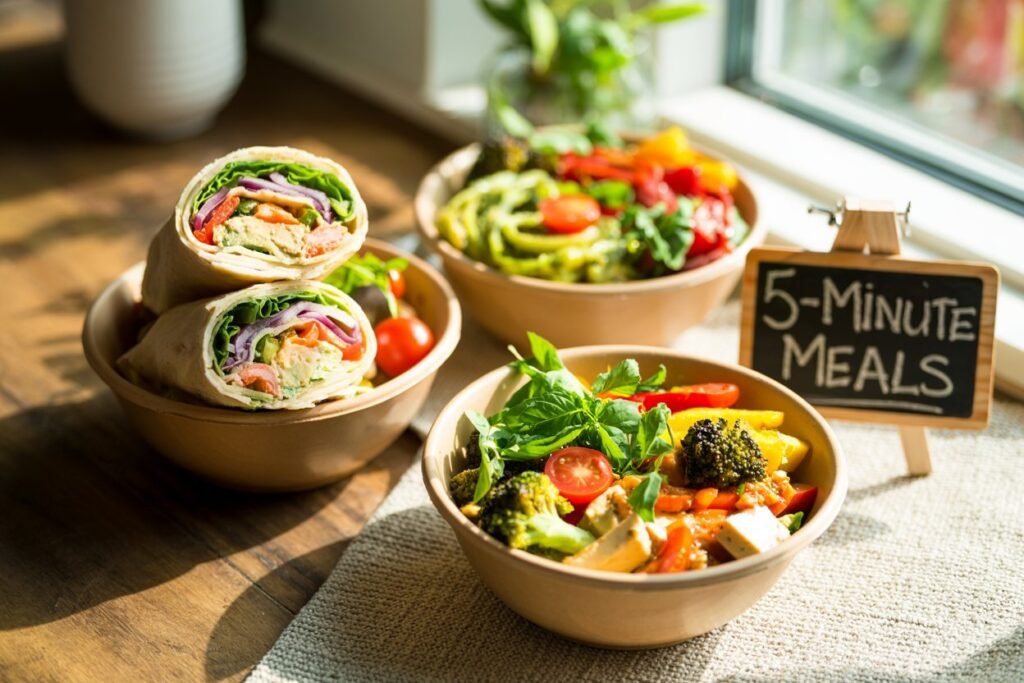
5-Minute Vegan Meals:
- Instant miso soup with tofu cubes
- Hummus wrap with cucumber and red bell pepper
- Vegan pesto pasta with cherry tomatoes
Easy Vegan Recipes for Dinner:
- Chickpea curry
- Spaghetti with lentil Bolognese
- Stuffed sweet potatoes with black beans
7. Vegan Snacks & Party Ideas
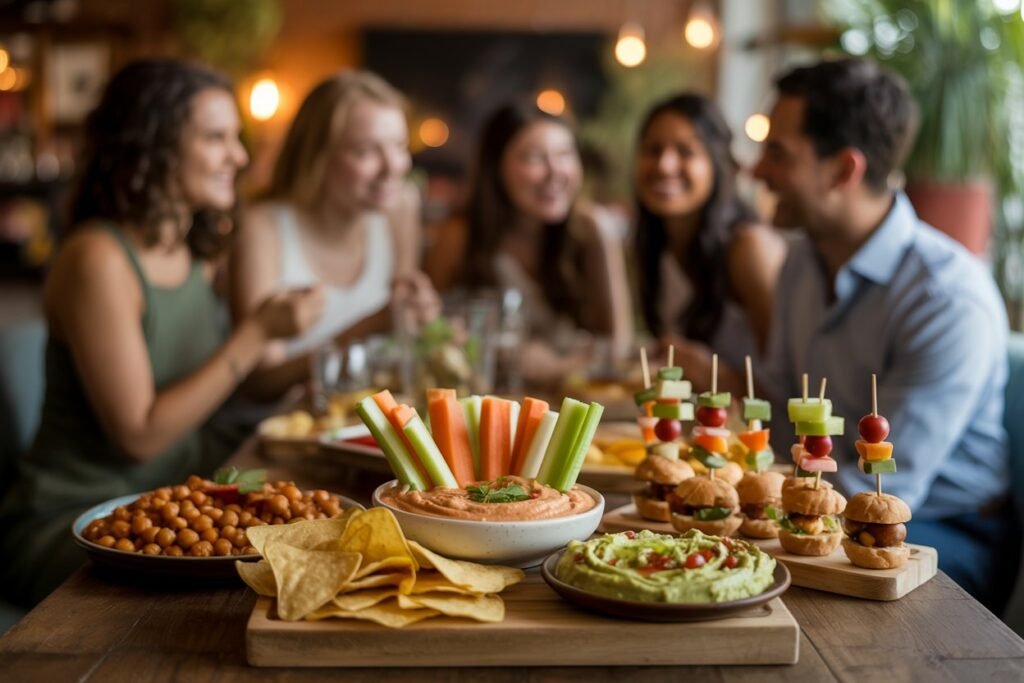
Lazy Vegan Snacks:
- Mixed nuts and dried fruits
- Edamame
- Air-popped popcorn with olive oil and paprika
Vegan Snacks for Party:
- Vegan sliders
- Guacamole & tortilla chips
- Vegan spring rolls
Vegan Party Snacks to Buy:
- Vegan cheese bites
- Dark chocolate bars
- Roasted chickpeas
8. Supplements & Support for Vegans
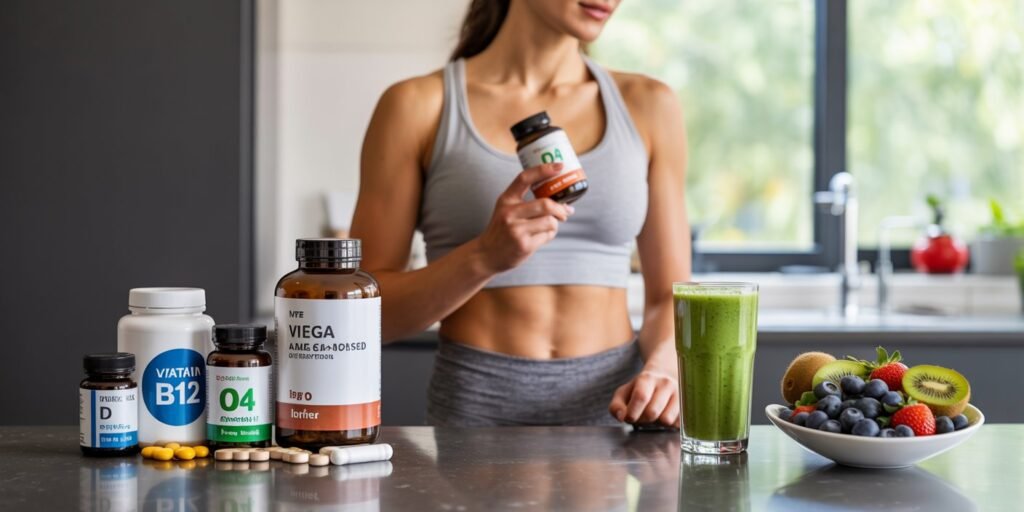
Even the most balanced vegan diet can sometimes miss a few key nutrients.
That’s not because plants aren’t powerful — they absolutely are — but certain vitamins and minerals are simply harder to get without animal products.
That’s where smart supplementation and mindful support come in.
Vitamin B12 tops the list, as it’s mainly found in animal-derived foods.
Most vegans rely on fortified plant milks, cereals, or B12 supplements to meet their needs.
Iron and zinc can also be tricky since plant-based versions (non-heme iron) are less easily absorbed, but you can improve absorption by pairing them with vitamin C-rich foods like oranges or bell peppers.
Omega-3 fatty acids are another common gap. Instead of fish oil, vegans can opt for algae-based omega-3 supplements, which provide the same essential DHA and EPA fatty acids.
Calcium and vitamin D are worth watching too, especially for those not getting enough sunlight or fortified foods.
Beyond supplements, the best support for a vegan lifestyle often comes from community.
Online vegan groups, plant-based recipe blogs, and nutrition apps can make it easier to stay motivated, track progress, and get new ideas.
Think of supplements as your sidekick — not the hero — helping you maintain balance while your plant-powered diet does the heavy lifting.
9. Vegan Grocery Essentials
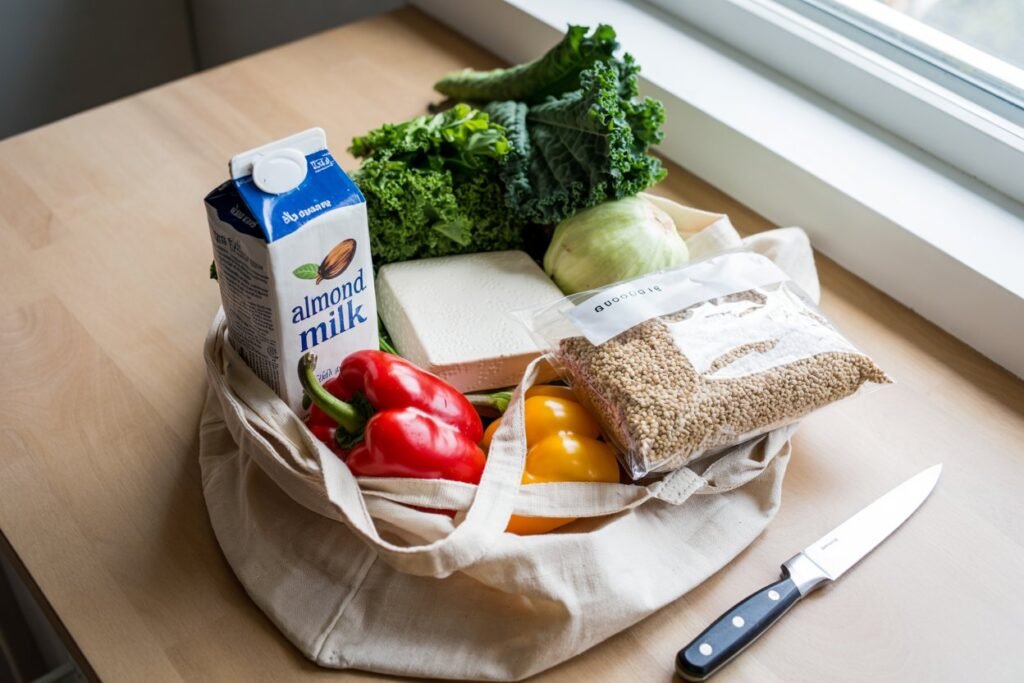
Walking through the grocery store as a new vegan can feel a bit like treasure hunting — minus the pirates, but with plenty of plant-based gold waiting on the shelves.
The good news? Once you know what to look for, your shopping trips become faster, easier, and surprisingly fun (yes, even the checkout line feels better when you’re buying food that fuels your body and values).
Start with the staples. Load up on whole grains like brown rice, quinoa, oats, and whole-grain pasta. They form the foundation of most vegan meals and keep you full for hours.
Add a variety of legumes — think beans, lentils, and chickpeas — for your daily dose of plant-based protein and fiber.
Fresh fruits and vegetables should fill most of your cart. The more colors you grab, the more nutrients you get — and it makes your plate look like something straight off a Pinterest board.
Don’t forget healthy fats: avocados, nuts, seeds, and nut butters are essential for energy and skin health.
For convenience, include frozen veggies, plant-based milks (like oat, almond, or soy), tofu, tempeh, and veggie burgers.
Spices, herbs, and sauces like soy sauce, tahini, and nutritional yeast turn simple ingredients into restaurant-level meals in minutes.
Pro tip: always check labels for hidden animal ingredients like whey, gelatin, or honey.
And once you find your go-to vegan brands, grocery shopping becomes less of a mission and more of a routine — one that keeps you nourished, energized, and excited about what’s cooking next.
For fast fat-burning vegan smoothies, pair this with our Smoothie Diet guide — perfect for energy and weight loss.
10. Best Vegan Supplements to Consider
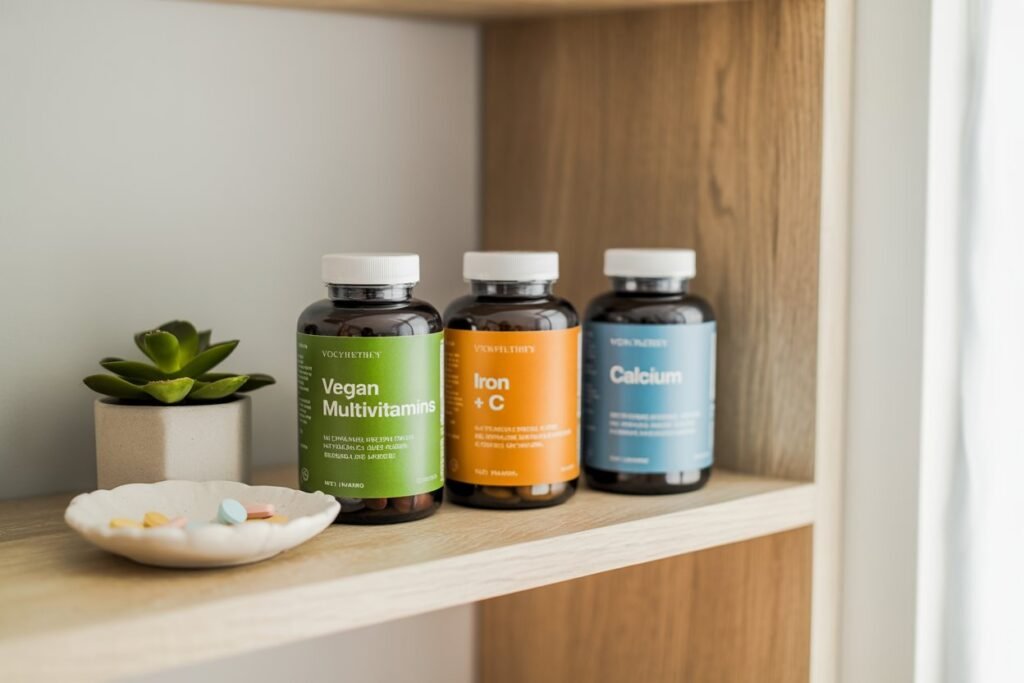
Even with the most colorful, well-planned vegan plate, some nutrients can still slip through the cracks — and that’s perfectly normal.
Going vegan isn’t about perfection; it’s about making smart, sustainable choices for your health and the planet.
Supplements simply help fill in the nutritional gaps, ensuring your plant-powered lifestyle runs smoothly.
At the top of the list is Vitamin B12, the non-negotiable nutrient for vegans.
Since it’s mostly found in animal products, supplementing is essential for maintaining energy levels, nerve health, and brain function.
Then there’s Vitamin D, which supports bone health and immunity. If you don’t get much sun, a vegan D2 or D3 supplement can keep you covered.
Omega-3 fatty acids are another must. Instead of fish oil, go for algae-based omega-3 — it’s vegan-friendly and provides the same DHA and EPA found in seafood.
Iron and zinc supplements can also help those who struggle to meet their needs through food alone, especially for women or active individuals.
Don’t forget iodine (important for thyroid function) and calcium, which can be taken if your diet lacks fortified foods or leafy greens.
Remember, supplements should never replace real food — they’re just backup singers in your nutrition band, supporting your star performer: whole, plant-based meals.
The best approach? Focus on eating a variety of whole foods and use supplements as your nutritional insurance policy.
11. Vegan Breakfast Recipes to Try
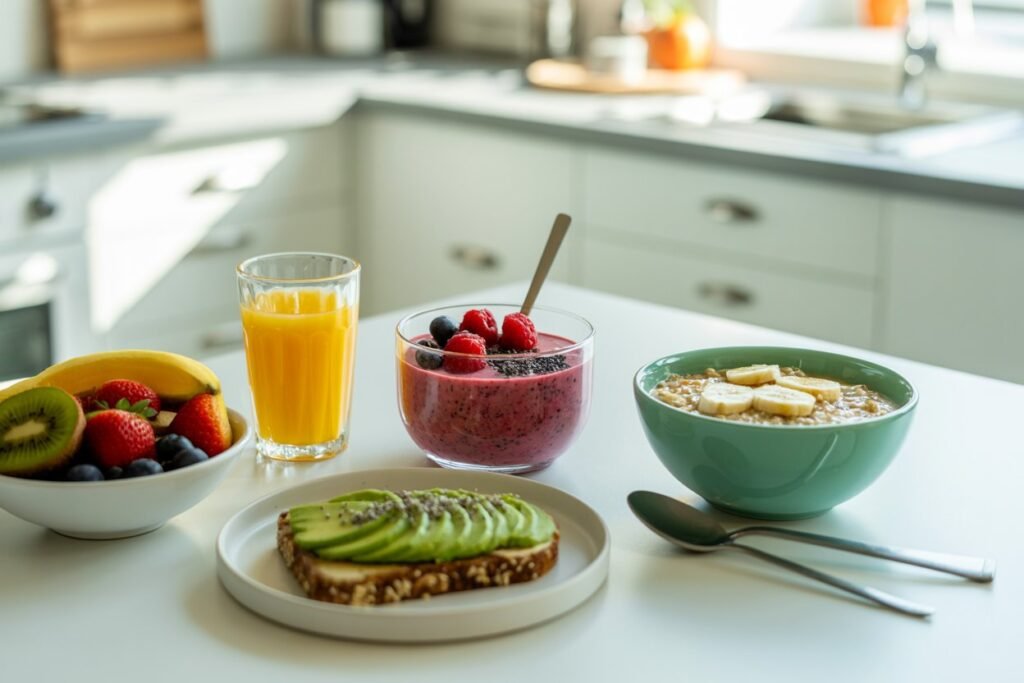
They say breakfast is the most important meal of the day — and for vegans, it’s also the most creative.
Whether you’re in a hurry or craving something cozy and indulgent, vegan breakfasts can be just as satisfying (and far tastier) than traditional ones.
Forget the boring toast and plain oats; it’s time to bring flavor, texture, and color to your morning routine.
Start simple with overnight oats soaked in almond or oat milk, topped with chia seeds, fresh berries, and a drizzle of maple syrup. It’s quick, nutrient-packed, and perfect for busy mornings.
If you’re in the mood for something warm, try tofu scramble — a plant-based twist on scrambled eggs that’s rich in protein and easy to customize with veggies, turmeric, and a pinch of black salt for that classic “eggy” flavor.
Craving something sweet? Vegan pancakes made with mashed bananas, oat flour, and a splash of vanilla are light, fluffy, and delicious — plus they pair perfectly with nut butter and fruit.
For a grab-and-go option, smoothie bowls blend nutrition and beauty: frozen fruit, greens, and plant-based protein topped with granola and seeds for crunch.
And if you want something truly filling, avocado toast on whole-grain bread with a sprinkle of chili flakes or hemp seeds never disappoints.
Whether you’re a breakfast minimalist or someone who plans brunch like a social event, these vegan recipes prove you can start your day healthy, energized, and happy — no eggs or dairy required.
12. Vegan Snack Ideas for Weight Loss
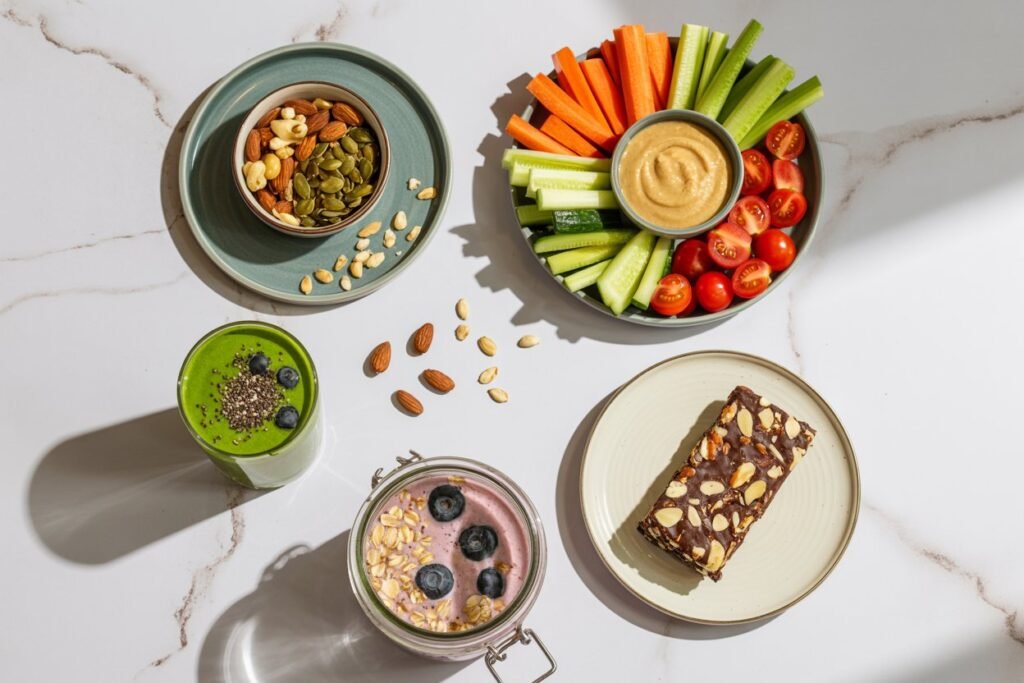
Snacking often gets a bad reputation — but when done right, it’s actually one of your best allies in weight loss.
The key is choosing snacks that satisfy hunger, balance your blood sugar, and keep you from diving face-first into a bag of chips later.
Luckily, vegan snacks check all those boxes — they’re light, clean, and packed with nutrients that keep your metabolism humming.
For quick bites, start with apple slices and almond butter — the crunch, sweetness, and healthy fats make it a perfect combo.
Roasted chickpeas are another superstar snack: crunchy, savory, and loaded with protein and fiber that keep you full for hours.
If you like something creamy, hummus with veggie sticks (carrots, cucumbers, or bell peppers) delivers both texture and satisfaction.
Craving something sweet? Try frozen grapes, dates stuffed with peanut butter, or a smoothie made with spinach, banana, and vegan protein powder.
For a salty fix, air-popped popcorn with nutritional yeast gives you a cheesy flavor without the cheese — and it’s surprisingly low in calories.
If you’re often on the go, mixed nuts, trail mix, or energy balls made from oats and dates are perfect for keeping in your bag.
These snacks aren’t just about calories; they’re about fueling your day with energy and nutrients that support your fitness goals.
The beauty of vegan snacking is that it proves weight loss doesn’t have to mean deprivation — it just means choosing smarter.
When your snacks are this delicious, you won’t miss the processed stuff for a second.
13. Delicious Vegan Dinner Recipes
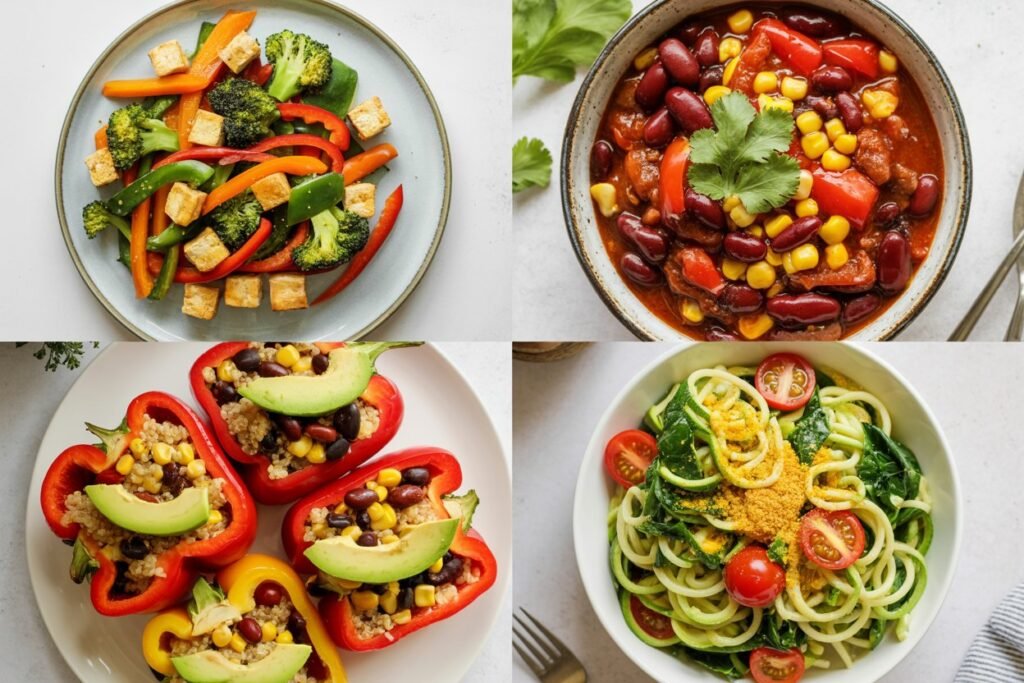
Dinner is where vegan cooking really shines — bold flavors, colorful plates, and meals that make even non-vegans ask, “Wait, this doesn’t have meat?”
Whether you’re cooking for yourself or trying to impress your family, vegan dinners can be hearty, satisfying, and surprisingly simple to make.
Forget the old myths about bland salads; this is comfort food, just made smarter.
Start with lentil or chickpea curries, rich in protein and bursting with spices like cumin, turmeric, and garlic. Serve them over brown rice or quinoa for a wholesome, balanced meal.
Another favorite is stir-fried tofu and vegetables — quick to whip up, endlessly customizable, and perfect for using whatever veggies are in your fridge.
If you’re craving something cozy, vegan chili made with beans, tomatoes, and smoky paprika hits the spot on any night.
For pasta lovers, creamy cashew alfredo or vegan pesto spaghetti brings that indulgent, restaurant-level feel — minus the dairy.
Don’t forget about veggie burgers, stuffed bell peppers, or sheet-pan roasted vegetables with olive oil and herbs for easy, cleanup-free dinners.
And for dessert lovers, finishing with a small bowl of coconut yogurt topped with berries keeps things sweet yet light.
Vegan dinners aren’t about restriction; they’re about reinvention. With the right ingredients and creativity, you’ll find yourself eating healthier, feeling lighter, and actually looking forward to what’s on your plate — every single night.
14. Vegan Party Snacks and Tips
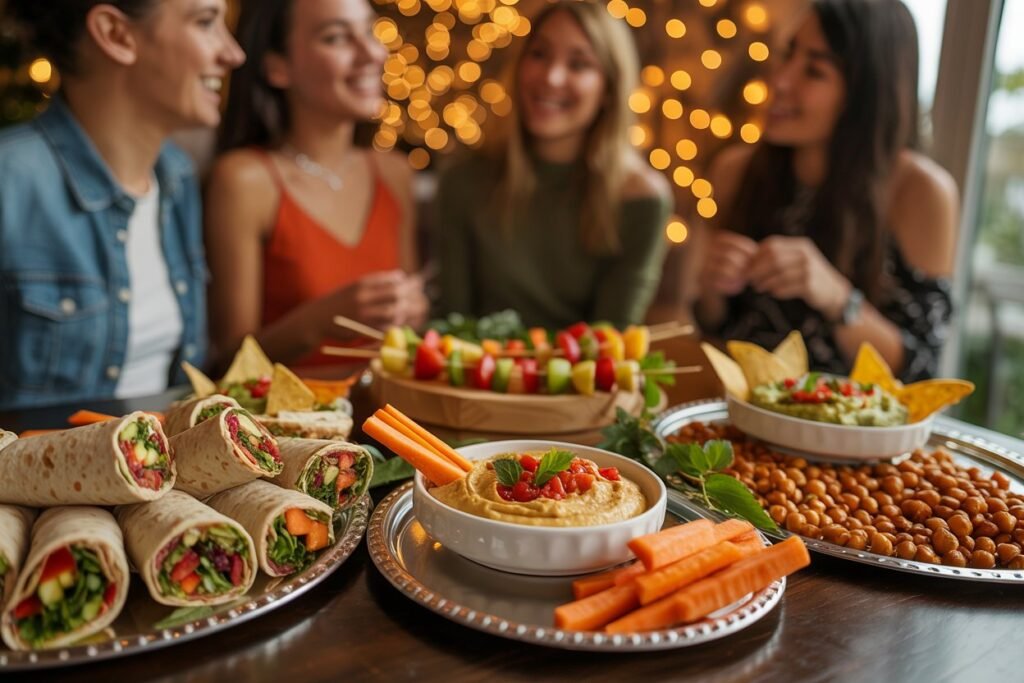
When I started hosting gatherings and adding vegan snacks to the table, I quickly learned that you don’t need complicated ingredients or expensive products to impress people. What matters most is flavor, freshness, and presentation.
I used to think vegan snacks would feel plain or bland, but once I began experimenting with vegetables, dips, seasoned nuts, and baked options, I realized how fun and satisfying they can be.
Whether your guests are fully plant-based or just curious, the right snacks always get people talking.
One thing I pay attention to is choosing foods that work for everyone, including guests dealing with health concerns like diabetes or inflammation.
Vegan doesn’t automatically mean healthy, so I make sure the snacks are low in added sugars, not overly salty, and made with whole ingredients.
For healthy individuals, these snacks offer a clean option that doesn’t weigh you down during a party.
Here are some of the vegan snacks that people always enjoy when I prepare them:
Roasted vegetable platters
I like to roast carrots, bell peppers, cauliflower, and zucchini with olive oil, garlic, pepper, and a little paprika. They taste sweet and smoky without needing anything extra.
Homemade hummus and dips
A creamy hummus made with chickpeas, lemon, tahini, and garlic always disappears fast. I usually serve it with sliced cucumbers, cherry tomatoes, or whole-grain crackers.
Baked sweet potato wedges
Instead of frying, baking them keeps the calories down while still giving you that perfect soft-inside, crispy-outside texture.
Seasoned mixed nuts
I toast almonds, cashews, and peanuts with a little chili, smoked paprika, or rosemary. They’re great for guests who want something crunchy without the processed ingredients.
Avocado toast bites
Small whole-grain toast pieces topped with mashed avocado, lime, and pepper make a simple but tasty bite-sized snack.
What helps me keep things smooth during parties is preparing everything ahead of time.
I wash and chop vegetables earlier, make dips a few hours before guests arrive, and choose recipes that stay fresh even if people eat slowly.
For diabetics or guests watching their sugar intake, I avoid sauces with added sweeteners and stick to clean seasoning.
Another tip that always makes a difference is labeling the snacks. It saves me from answering the same questions and lets people know what they’re eating. Most importantly,
I try to keep the vibe relaxed. Vegan snacks don’t need to be fancy — they just need to taste good and feel welcoming to everyone at the table.
15. Vegan Cooking Hacks
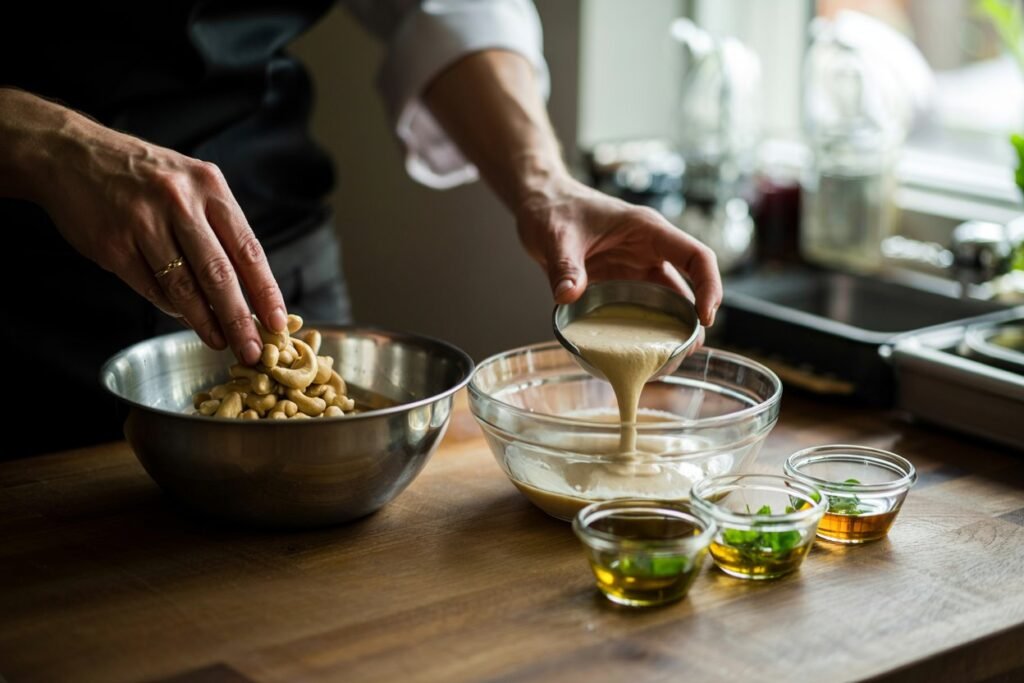
When I first started making more plant-based meals, I realized quickly that vegan cooking isn’t difficult — it just requires a few smart tricks to bring out flavor, texture, and richness without relying on dairy or meat.
Over time, I picked up a handful of hacks that completely changed how I cook.
These simple adjustments make meals taste fuller, creamier, and more satisfying, whether you’re cooking for yourself or serving a crowd.
One of the biggest lessons I learned is that you don’t need complicated substitutes to make vegan dishes taste amazing.
Most of the time, everyday ingredients like nuts, beans, vegetables, and herbs can do the job better than any store-bought replacement.
And if you’re cooking for people with health concerns like diabetes, keeping things simple and whole-food-based makes the meals safer and naturally lower in sugar and processed ingredients.
Here are the vegan cooking hacks that have helped me the most in my own kitchen:
Using cashews for creaminess
Soaking raw cashews and blending them with water creates a smooth, rich base that works for sauces, soups, dips, and even desserts. It gives the same creamy texture as heavy cream without the heaviness.
Adding umami for depth
One thing people miss when switching to vegan meals is the savory depth meat usually adds. I fix this by using ingredients like soy sauce, mushrooms, miso paste, or smoked paprika. They make the flavor deeper and more satisfying.
Roasting vegetables for maximum flavor
Roasting brings out a natural sweetness you don’t get from boiling or steaming. Carrots, cauliflower, tomatoes, and even cabbage transform when roasted with a little olive oil, garlic, and pepper.
Using nutritional yeast for cheesy flavor
This was a game changer for me. Nutritional yeast adds a warm, cheesy, slightly nutty taste to anything — pasta, salads, popcorn, or creamy sauces — without using dairy.
Freezing tofu before cooking
Freezing tofu and then thawing it gives it a firmer, sponge-like texture that absorbs marinades better and browns beautifully in the pan. It tastes completely different from tofu straight out of the package.
Balancing meals with healthy fats and protein
When making vegan dishes for guests who want balanced blood sugar, I make sure to add fats like avocado, nuts, or olive oil, and plant proteins like lentils, beans, or tofu. This keeps meals filling and prevents energy crashes.
Using blended vegetables as sauce bases
A simple blend of cooked carrots, potatoes, or cauliflower can be turned into creamy sauces without any dairy. It’s a healthier option that works well for people watching their calorie intake.
Adding fresh herbs at the end
This is a small step, but it makes a huge difference. Fresh cilantro, basil, dill, or parsley brighten up the whole dish and make it taste fresh, even if the meal is simple.
Vegan cooking becomes a lot easier once you understand how to build layers of flavor and texture without relying on meat or dairy.
These hacks have saved me so many times, especially when I want a dish to feel satisfying without spending too much time in the kitchen.
Once you start using them regularly, you’ll notice your vegan meals naturally becoming richer, tastier, and more balanced.
16. Lazy Vegan Meals for Beginners
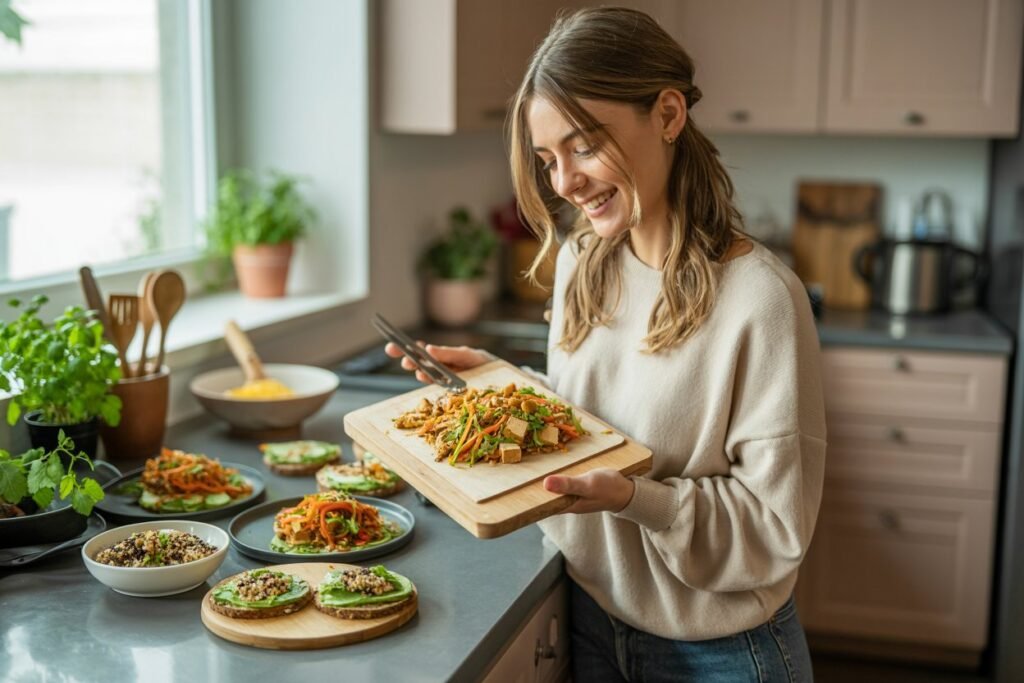
Let’s be honest — not everyone has the time (or patience) to spend an hour chopping vegetables and simmering sauces.
The good news? You don’t have to. Lazy vegan meals are here to save the day, proving that eating plant-based can be simple, fast, and ridiculously tasty — even if your cooking skills stop at boiling water.
Start with one-pan stir-fries. Toss some tofu, frozen veggies, and soy sauce into a skillet, and you’ve got dinner in under 10 minutes.
Add rice or noodles if you’re extra hungry. For lunch, vegan wraps stuffed with hummus, spinach, shredded carrots, and avocado are quick, mess-free, and great for meal prep.
If you’re craving comfort food, try vegan chili — just dump canned beans, diced tomatoes, and corn into a pot with chili powder.
It practically cooks itself. Another lazy favorite? Sheet-pan meals — throw chopped veggies and plant-based sausage on a tray, drizzle with olive oil, season, and bake until golden.
Breakfast can be as easy as overnight oats, smoothies, or avocado toast.
And if you ever hit that “I’m too tired to cook” mood, a big vegan salad with canned chickpeas, greens, nuts, and your favorite dressing gets the job done without breaking a sweat.
Being a lazy vegan doesn’t mean being unhealthy — it means being smart. The goal isn’t gourmet perfection; it’s making plant-based eating fit your lifestyle.
So grab your fork, keep it simple, and let your microwave and blender do most of the work.
17. Smart Vegan Eating for Weight Loss
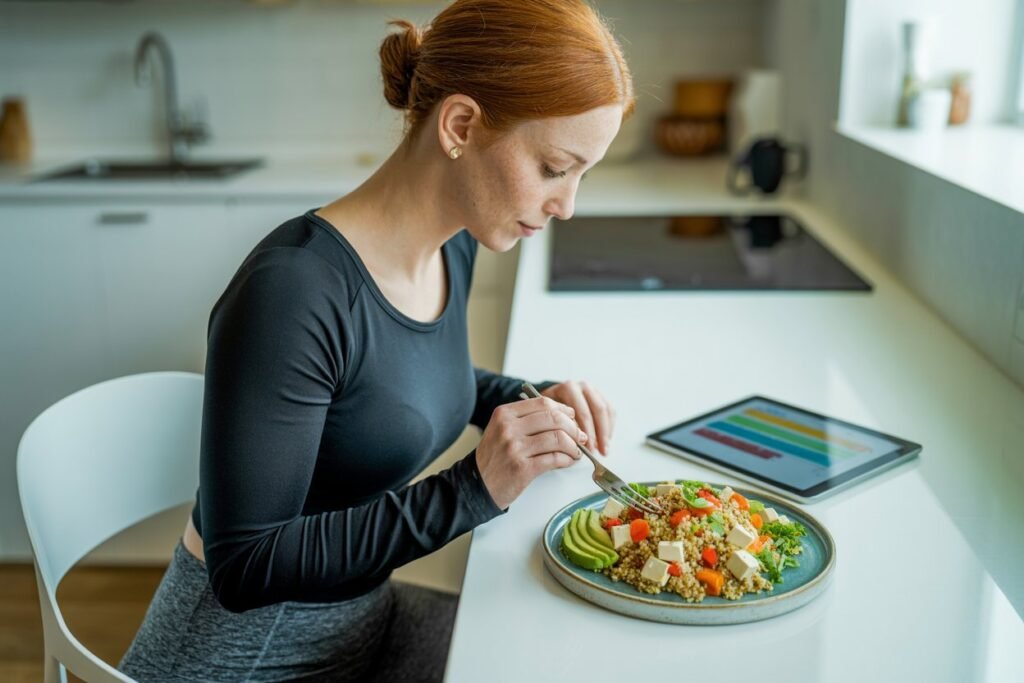
Losing weight on a vegan diet isn’t about eating less — it’s about eating smart. Plants are naturally full of fiber, water, and nutrients, which means you can fill your plate, feel satisfied, and still keep calories in check.
The trick is choosing the right foods in the right combinations, not living off salads and smoothies alone (unless you genuinely enjoy them — in that case, more power to you).
Start by focusing on whole, unprocessed foods — things like fruits, vegetables, whole grains, beans, lentils, nuts, and seeds.
These foods keep you full longer, balance your blood sugar, and give your metabolism the boost it needs to burn fat efficiently.
Avoid the vegan junk trap — yes, the cookies and “plant-based” ice creams technically count as vegan, but they won’t help your waistline much.
Protein plays a big role too. Make sure your meals include good plant-based sources like tofu, tempeh, lentils, and quinoa.
They help preserve lean muscle while you lose fat. For snacks, swap out chips for air-popped popcorn, roasted chickpeas, or a handful of almonds. Small changes like these add up quickly.
Don’t forget hydration — sometimes what feels like hunger is just thirst in disguise.
And while calorie tracking isn’t everyone’s favorite hobby, being mindful of portion sizes can make a huge difference, especially when it comes to high-calorie foods like nuts and oils.
Smart vegan eating isn’t about restriction — it’s about awareness.
Once you understand what your body truly needs, you’ll find that losing weight on a vegan diet feels natural, energizing, and surprisingly effortless.
Related Diet & Meal-Plan Guides:
- Diets to Lose Belly Fat: A Complete Guide
- Smoothie Diet: A Delicious Way to Jumpstart Weight Loss
- 7-Day 1400 Calorie Crock-Pot Meal Plan for Weight Loss
Final Thought
Going vegan isn’t just a diet — it’s a lifestyle shift that brings you closer to nature, your health, and even your cooking creativity.
Whether your goal is to lose weight, feel more energized, or simply eat more mindfully, a vegan diet gives you the tools to do it all.
The beauty of this journey is that it’s flexible — there’s no “perfect” vegan.
You don’t need to make gourmet meals or memorize every nutrition label; you just need consistency, curiosity, and a willingness to try new flavors.
At first, you might miss your usual comfort foods or wonder what on earth to cook for dinner.
But soon, you’ll realize that plant-based eating isn’t about giving things up — it’s about discovering new favorites.
From creamy oat lattes to colorful Buddha bowls and lazy one-pan dinners, vegan food has a way of surprising you with how good it makes you feel.
Most importantly, remember that progress beats perfection. If you slip up or take small steps, that’s still a win.
Each plant-based meal is a choice that supports your health, your energy, and the planet.
So keep experimenting, keep learning, and most of all, keep enjoying your food — because the vegan lifestyle isn’t a restriction, it’s a celebration of good, nourishing eating that truly loves you back.
FAQs
1. Is a vegan diet good for weight loss?
Yes — a well-balanced vegan diet can be excellent for weight loss.
Plant-based foods are generally lower in calories and higher in fiber, which helps you feel full longer while eating less.
Just be mindful of processed vegan snacks or desserts — they can still pack in extra calories.
2. Can I get enough protein on a vegan diet?
Absolutely. Foods like lentils, tofu, tempeh, chickpeas, quinoa, and edamame are all rich in protein.
Even vegetables, grains, and seeds contribute to your daily protein intake when combined properly.
3. What supplements should vegans take?
Common supplements include vitamin B12, vitamin D, omega-3 (from algae oil), iron, and sometimes calcium or zinc.
These nutrients can be harder to get from plants alone, so adding them ensures balanced nutrition.
4. Are vegan diets expensive?
Not necessarily. In fact, whole vegan foods like beans, rice, oats, and vegetables are often cheaper than meat and dairy.
Processed vegan foods can get pricey, so sticking to basics saves both money and calories.
5. How long does it take to see results on a vegan diet?
It depends on your goals. Many people notice improved energy and digestion within a few weeks.
Weight loss and clearer skin can follow after a month or two, especially if you’re consistent with whole, nutrient-dense meals.
6. Can I build muscle on a vegan diet?
Yes — as long as you get enough calories and protein. Pair plant-based proteins with resistance training, and your body will build lean muscle just as effectively as with animal-based diets.
7. What’s the biggest mistake new vegans make?
Not eating enough. Plant-based foods are lower in calories, so you may need to eat more volume to stay satisfied.
Also, skipping supplements like B12 or relying too much on processed vegan junk food can lead to fatigue or nutrient gaps.
8. Do I need to count calories on a vegan diet?
Not always. If you focus on whole foods and balanced meals, your appetite usually self-regulates.
But if your goal is weight loss, tracking for a short period can help you understand your portions and progress.