I used to think losing weight meant cutting out a lot of food.
Especially as someone who prefers vegetarian meals, I felt stuck.
I kept wondering:
- “Am I getting enough protein?”
- “Will vegetarian food actually keep me full?”
- “Can I lose weight without eating meat?”
And honestly, at first, I struggled.
I would eat light meals, feel hungry quickly, snack more… and not see results.
But once I figured out which vegetarian foods actually keep you full and support weight loss, everything changed.
I stopped feeling constantly hungry.
My meals felt more satisfying.
And weight loss finally started to feel easier.
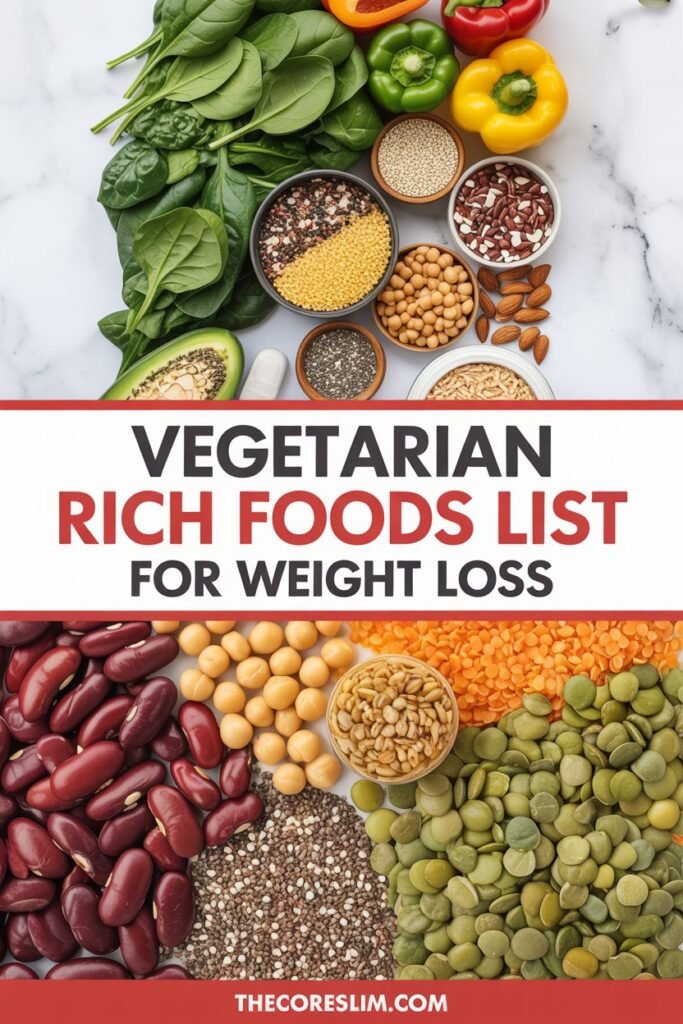
In this post, I’m sharing a simple vegetarian foods list for weight loss that actually works.
Disclaimer: This post may contain affiliate links, which means I may earn a small commission at no extra cost to you. Weight loss results may vary, and it’s best to consult a qualified nutrition professional before making dietary changes.
Amazon Shopping List: Vegetarian Rich Foods List for Weight Loss
- Organic Rolled Oats (High Fiber Breakfast Staple)
- Chia Seeds (High Protein & Fiber Superfood)
- Quinoa Grain Pack (Complete Plant Protein)
- Lentils Variety Pack (Red, Green, Brown)
- Almond Butter (No Sugar Added)
- Roasted Chickpeas Snack Pack (High Protein Crunch)
- Organic Green Tea Bags (Metabolism Support)
Why Vegetarian Foods Can Help With Weight Loss
Before we get into the list, let’s clear something up.
Vegetarian doesn’t automatically mean healthy.
I learned this the hard way.
You can still eat:
- Processed foods
- Sugary snacks
- Refined carbs
and not lose weight.
What matters is choosing foods that:
- Keep you full
- Support your metabolism
- Help you eat less without feeling restricted
That’s what made the difference for me.
What Makes a Vegetarian Food Good for Weight Loss?
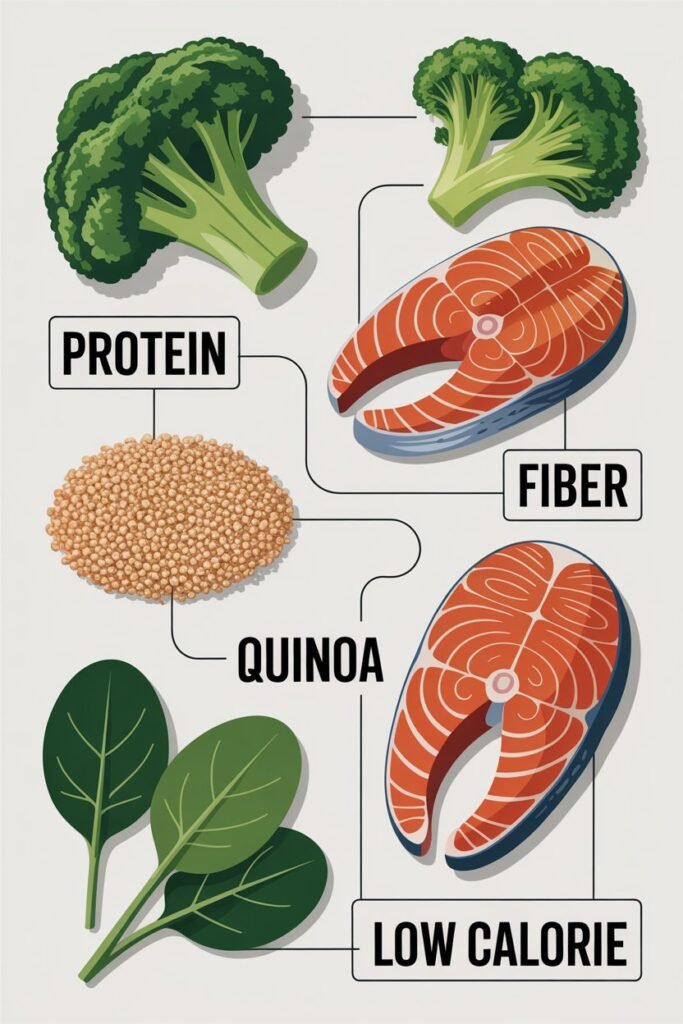
Not all foods help equally.
The ones that worked best for me had at least one of these:
- High protein
- High fiber
- Low in empty calories
- Filling and satisfying
When I started focusing on these, I stopped overeating without even trying.
High-Protein Vegetarian Foods (That Keep You Full Longer)
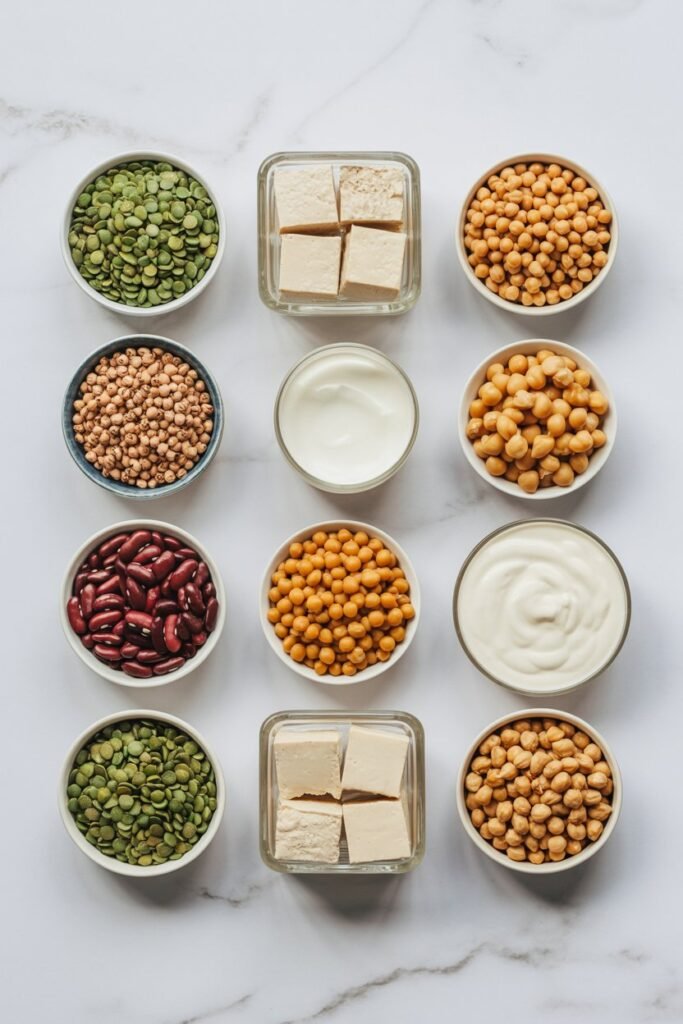
This was the biggest game changer for me.
Protein helps you:
- Stay full longer
- Reduce cravings
- Maintain muscle
Here are some of my go-to options:
1. Lentils
Lentils became a staple for me.
They’re:
- High in protein
- High in fiber
- Very filling
I started adding them to soups and simple meals, and they kept me full for hours.
2. Chickpeas
Chickpeas are one of the easiest foods to include.
You can use them in:
- Salads
- Bowls
- Quick meals
They’re satisfying without feeling heavy.
3. Greek Yogurt
This is one of my favorite quick options.
It’s:
- High in protein
- Easy to eat
- Great for snacks or breakfast
It helped me avoid reaching for less healthy snacks.
4. Tofu
I didn’t use tofu much at first.
But once I started, I realized how versatile it is.
It absorbs flavor well and works in many meals.
5. Beans (Black Beans, Kidney Beans)
Beans are simple, affordable, and filling.
They helped me create meals that actually satisfied my hunger.
High-Fiber Vegetarian Foods (That Reduce Hunger Naturally)
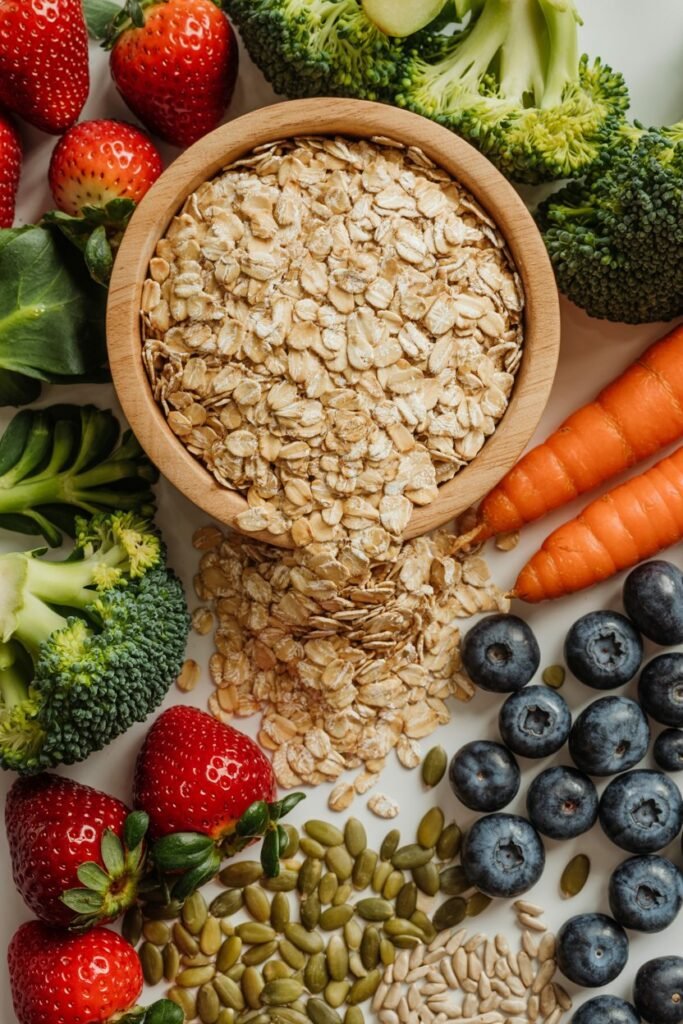
Fiber made a bigger difference than I expected.
It helps you:
- Feel full
- Improve digestion
- Reduce unnecessary snacking
6. Oats
This became my go-to breakfast.
It’s:
- Filling
- Easy to prepare
- Keeps you satisfied for hours
7. Chia Seeds
Small but powerful.
I started adding them to:
- Smoothies
- Yogurt
- Oatmeal
They helped me feel full without eating more.
8. Vegetables (Especially Leafy Greens)
I used to underestimate vegetables.
But adding more:
- Spinach
- Kale
- Broccoli
helped me eat larger portions without adding too many calories.
9. Fruits (In Moderation)
Fruits helped me satisfy sweet cravings.
I just focused on:
- Whole fruits instead of juices
- Keeping portions balanced
How Vegetarian Foods Help You Lose Weight (In a Practical Way)
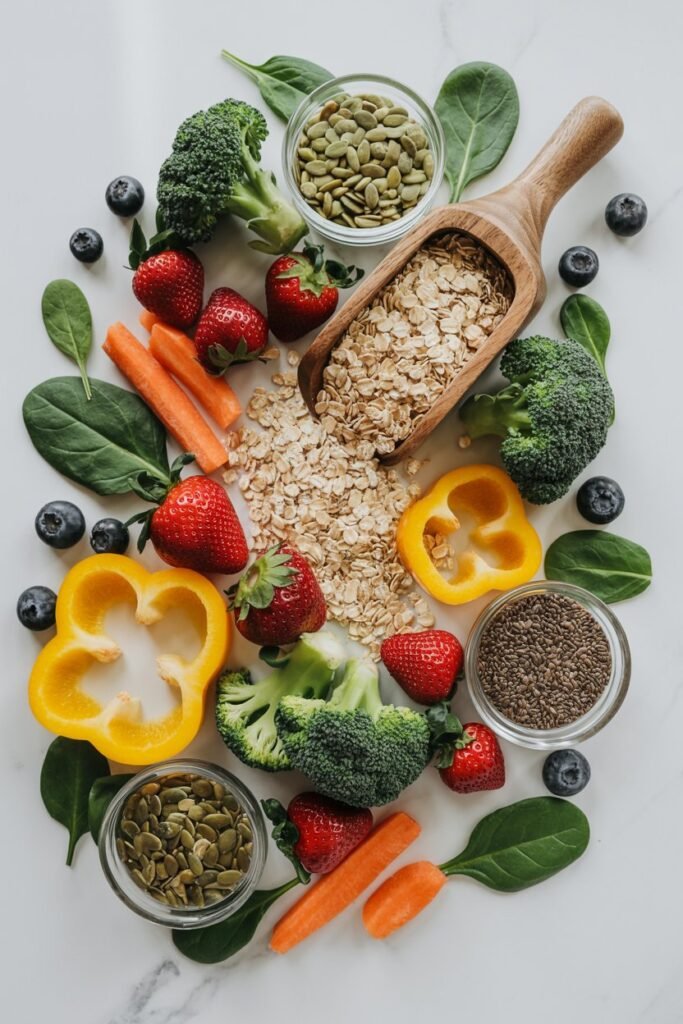
When I first started, I thought weight loss was just about eating less.
But what actually worked was eating foods that made it easier to eat less naturally.
Vegetarian foods helped me do that because many of them are:
- High in fiber (keeps you full longer)
- Lower in calories (so you can eat more volume)
- Nutrient-dense (so your body feels satisfied)
Instead of feeling restricted, I felt full.
And that changed everything.
The Best Combination for Faster Weight Loss (This Matters More Than You Think)
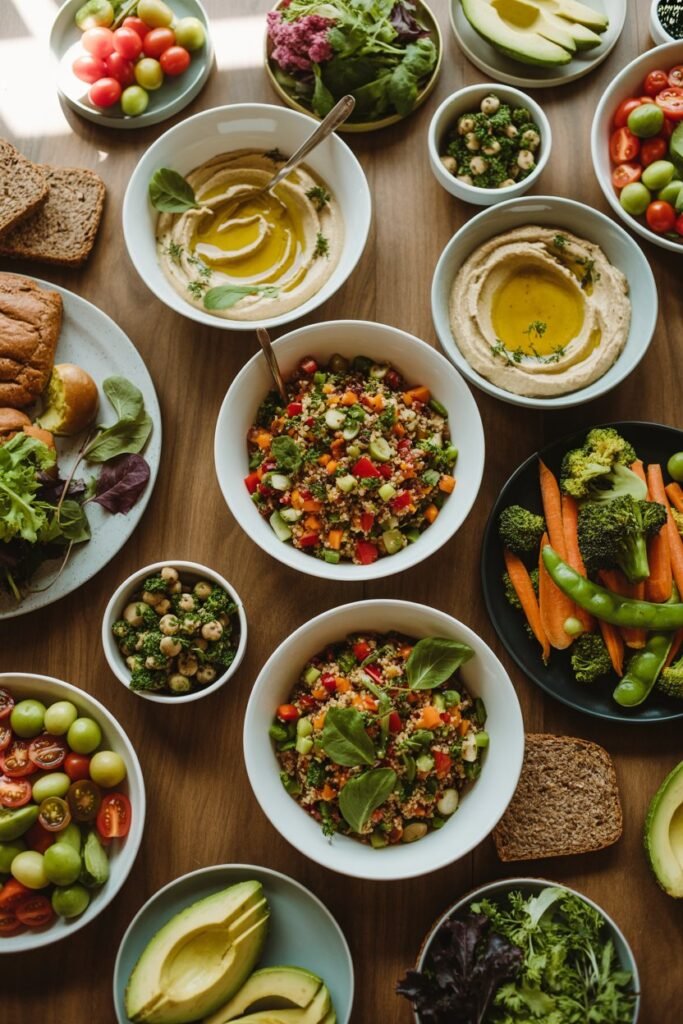
One thing I didn’t understand at first was how to combine foods properly.
Eating just carbs (like rice or bread) made me hungry quickly.
But when I combined foods like this:
- Protein + Fiber + Healthy Fat
I stayed full for much longer.
For example:
- Lentils + vegetables + avocado
- Oats + chia seeds + yogurt
- Beans + rice + greens
This simple combination helped reduce cravings without trying too hard.
A Simple 7-Day Vegetarian Weight Loss Meal Structure
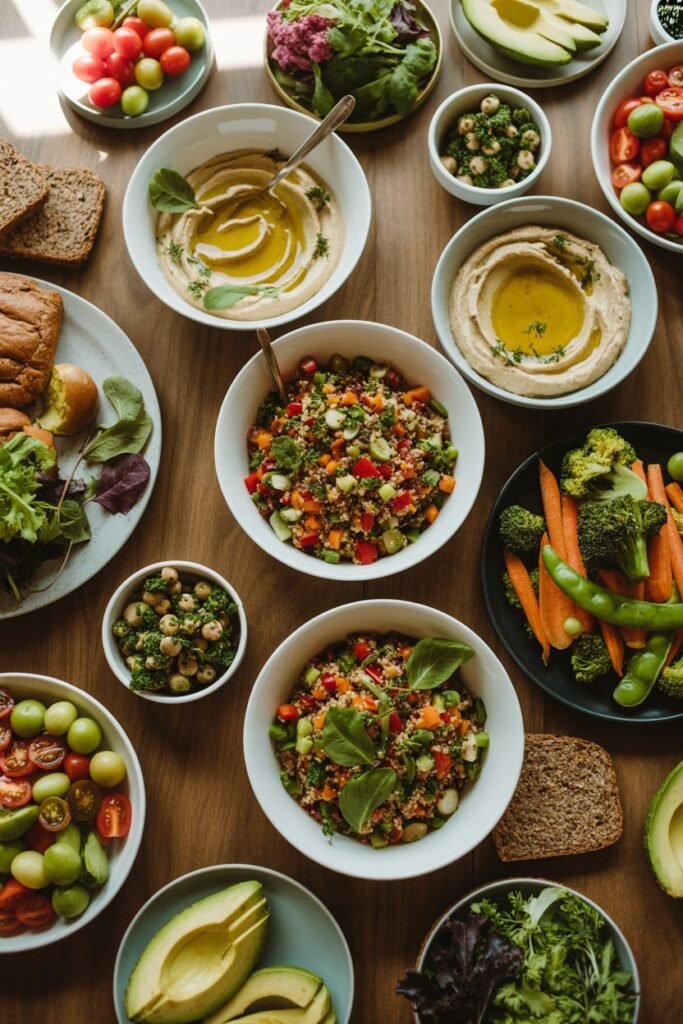
You don’t need a strict plan, but having a structure helps.
Here’s what worked for me:
Day Structure (Repeat Daily)
- Breakfast: High fiber + protein
- Lunch: Balanced plate (protein + veggies + carbs)
- Dinner: Light but filling (vegetables + protein)
- Snacks: Fruits, yogurt, or nuts
Example Day
Breakfast:
Oatmeal + chia seeds + banana
Lunch:
Lentil bowl + vegetables + small portion of rice
Dinner:
Tofu stir-fry + mixed vegetables
Snack:
Greek yogurt or a handful of almonds
Simple, repeatable, and effective.
Portion Control Without Counting Calories
I didn’t count calories strictly.
Instead, I used visual portions.
This helped me stay consistent without stress.
- Vegetables: fill half your plate
- Protein: about a palm-sized portion
- Carbs: about a fist-sized portion
- Fats: small amounts (thumb-sized)
This made eating feel natural, not restrictive.
How to Reduce Cravings on a Vegetarian Diet
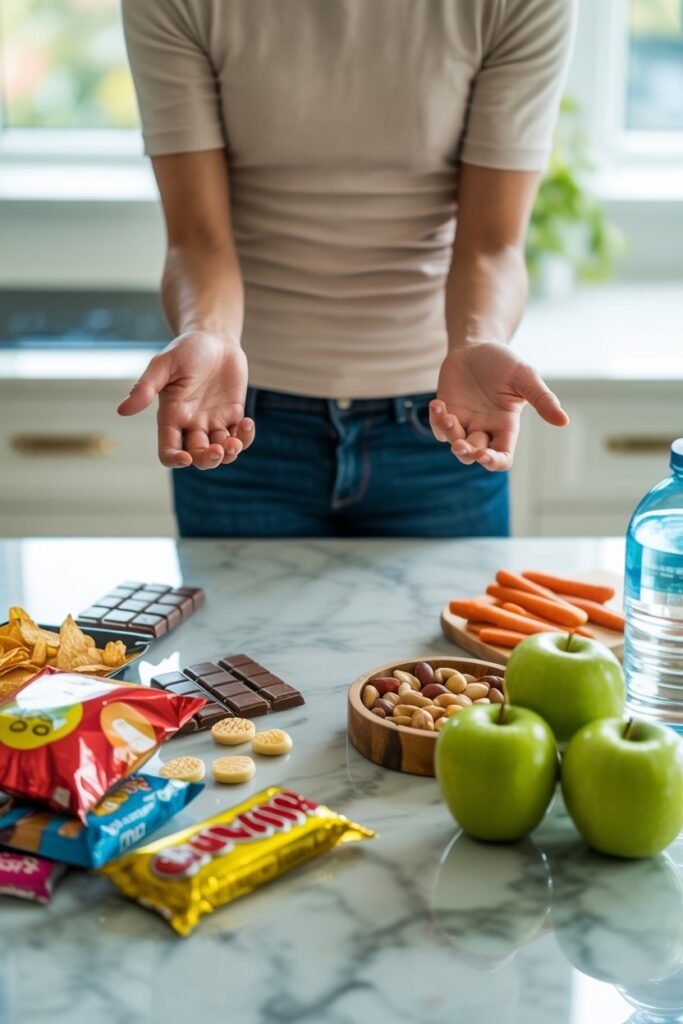
Cravings used to ruin my progress.
But once I understood why they happen, it got easier.
Most cravings come from:
- Not eating enough protein
- Skipping meals
- Eating too many refined carbs
What helped me:
- Adding protein to every meal
- Eating regularly
- Drinking more water
And surprisingly, cravings reduced on their own.
The Truth About Carbs in Vegetarian Weight Loss
I used to think carbs were the problem.
They’re not.
The problem is the type and amount.
Better choices:
- Oats
- Brown rice
- Whole grains
Limit:
- Refined carbs
- Sugary snacks
You don’t need to cut carbs.
You just need balance.
FAQ: Vegetarian Foods for Weight Loss
Can you lose weight on a vegetarian diet?
Yes, absolutely.
As long as you focus on:
- Whole foods
- Balanced meals
- Consistent habits
Vegetarian diets can be very effective for weight loss.
What are the best vegetarian foods for weight loss?
Some of the best options include:
- Lentils
- Chickpeas
- Beans
- Oats
- Vegetables
- Greek yogurt
- Tofu
These foods help keep you full and satisfied.
How do vegetarians get enough protein for weight loss?
You can get enough protein from:
- Lentils
- Beans
- Chickpeas
- Tofu
- Yogurt
- Nuts and seeds
The key is including protein in every meal.
Why am I not losing weight on a vegetarian diet?
This can happen if:
- You’re eating too many processed foods
- Your meals lack protein
- Portions are too large
- You’re not consistent
Small adjustments can make a big difference.
Can I lose belly fat on a vegetarian diet?
Yes, but not by targeting your stomach directly.
Fat loss happens overall.
As you lose weight, your stomach will gradually become flatter.
Are vegetarian diets better than non-vegetarian for weight loss?
Not necessarily better — just different.
What matters most is:
- Calorie balance
- Food quality
- Consistency
Both can work if done correctly.
How many meals should I eat per day?
There’s no one perfect number.
What worked for me:
- 3 main meals
- 1–2 small snacks
The goal is to avoid extreme hunger.
Do I need to cut out all junk food?
No.
You don’t need to be perfect.
Just focus on eating better most of the time.
Consistency matters more than perfection.
Final Thoughts (Stronger Close)
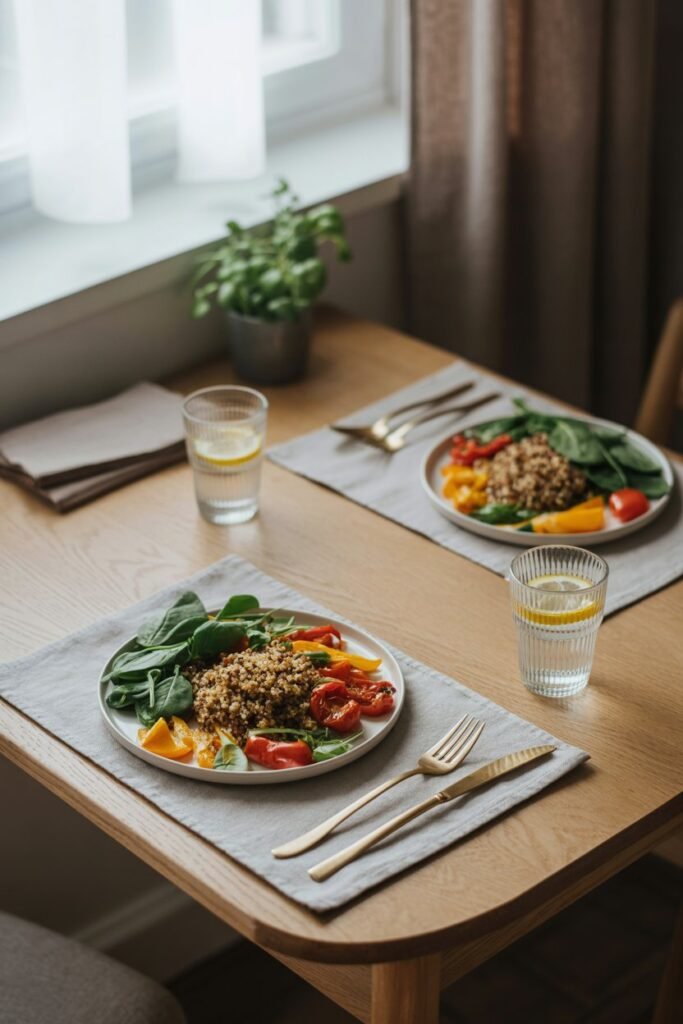
If you’re trying to lose weight on a vegetarian diet, here’s the truth:
It’s not about eating less.
It’s about eating foods that make it easier to stay consistent.
Once I focused on:
- Protein
- Fiber
- Simple meals
everything became easier.
No extremes.
No stress.
Just habits that actually worked.