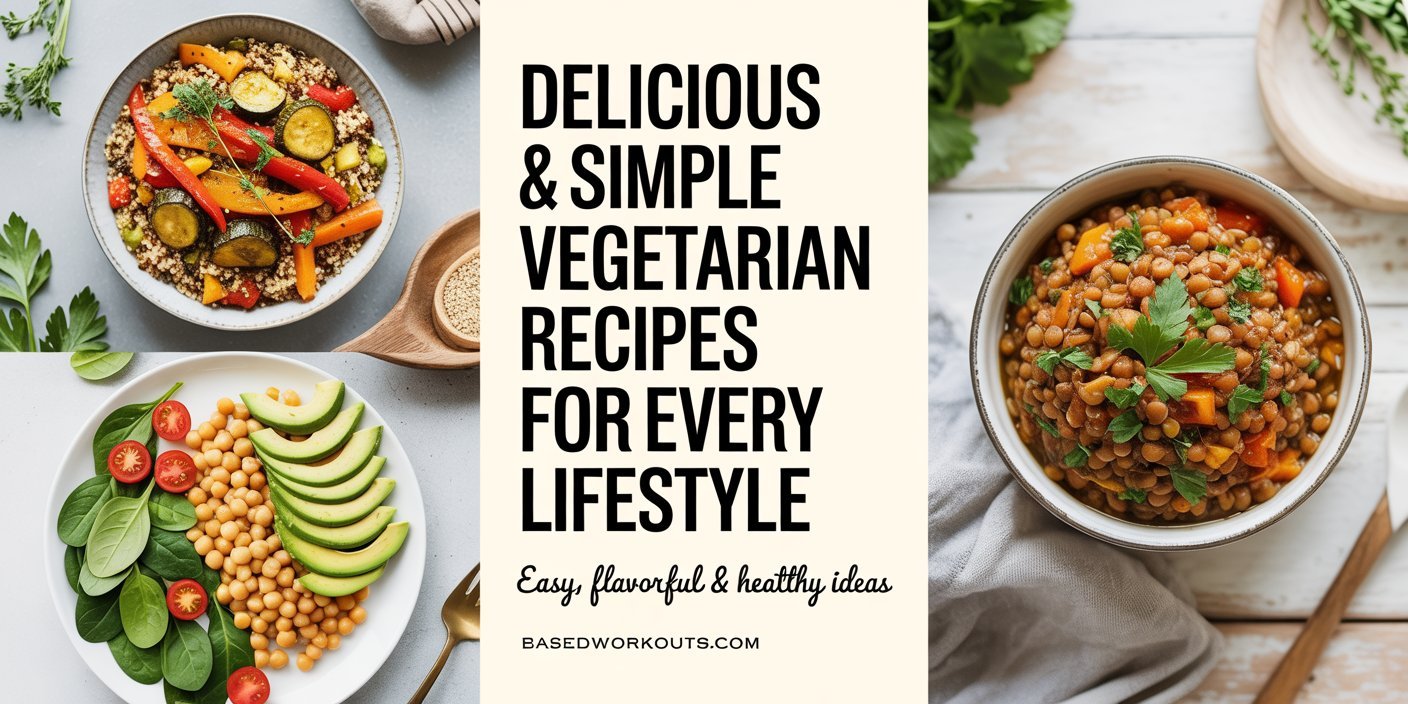
Vegetarian cooking has become one of my favorite ways to enjoy food that feels clean, comforting, and nourishing at the same time.
It wasn’t always like that—I used to think vegetarian meals meant salads that never kept me full or dishes that lacked flavor.
But over time, especially on days when I felt tired, heavy, or just wanted something gentle on my stomach, I realized how powerful simple plant-based meals can be.
When you know how to combine the right ingredients, vegetarian recipes turn into some of the most satisfying, affordable, and versatile meals you can make.
What I love most is how vegetarian cooking fits into any lifestyle. Whether you’re active, trying to lose weight, aiming to build muscle, managing a certain health condition, or just
trying to eat cleaner without overthinking every meal—there’s always a recipe that works for you.
Healthy people can enjoy lighter meals that keep their energy stable, boost digestion, and support overall wellness.
Meanwhile, those dealing with sensitivity, inflammation, low appetite, or slow digestion often find that vegetarian dishes are easier on the body and still full of nutrients.
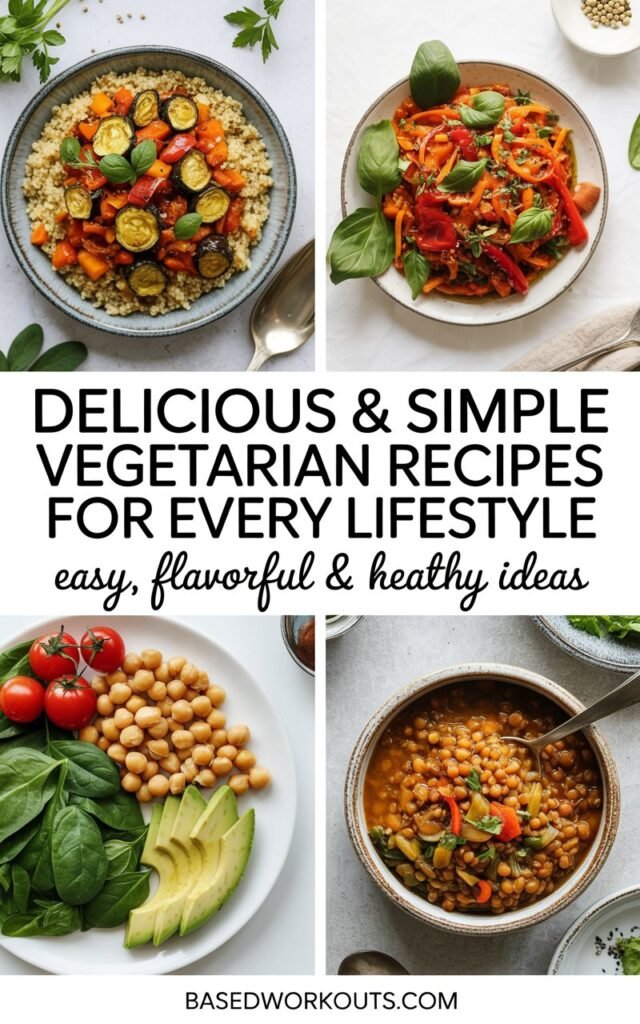
A good vegetarian recipe doesn’t rely on complicated steps or expensive ingredients. It’s about using fresh vegetables, whole grains, beans, herbs, and simple seasonings to create meals that taste good and fuel your day.
Some days you might want something quick and comforting, like a veggie stir-fry or a warm bowl of lentils.
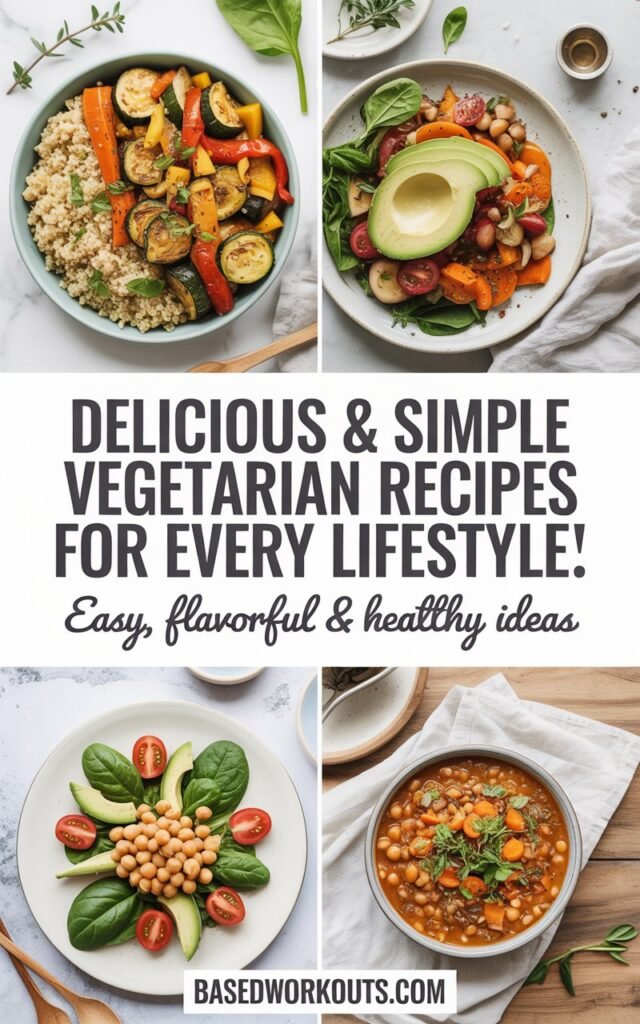
Other times you want something fresh and vibrant, like a Mediterranean salad or roasted veggies tossed in olive oil and herbs. The beauty is—you can build a full, satisfying meal without feeling weighed down.
Vegetarian cooking also opens the door to experimenting with flavors from around the world. You can go Mediterranean one day, Indian-inspired the next,
Mexican on the weekend, or stick to simple home-style dishes that remind you of comfort food. And the best part? Most of these meals come together quickly with pantry staples you probably already have.
This guide brings together vegetarian recipes that are easy to make, flavorful, and designed for real life—whether you’re cooking for yourself, meal prepping for the week, or feeding a family.
No stress, no complicated instructions. Just clean ingredients, simple steps, and delicious results.
Amazon Gear: Essentials for Easy, Delicious Vegetarian Cooking I Recommend
Want to Make Flavorful Vegetarian Meals Without Complicated Steps?
These Amazon essentials make chopping, cooking, seasoning, and prepping vegetarian dishes fast, simple, and enjoyable — no matter your lifestyle.
| Product | Why You’ll Love It | Shop Now |
|---|---|---|
| High-Speed Blender | Perfect for smoothies, dips, soups, and creamy vegetarian sauces. | Check Price on Amazon |
| Vegetable Chopper / Slicer | Cuts prep time in half — ideal for salads, stir-fries, and Buddha bowls. | View on Amazon |
| Cast Iron or Ceramic Skillet | Great for sautéing veggies, tofu, and plant-based protein substitutes. | Shop Now |
| Air Fryer | Makes crispy veggies, potatoes, and tofu with minimal oil. | Buy on Amazon |
| Instant Pot / Multi-Cooker | Cooks lentils, beans, soups, and curries quickly and effortlessly. | See Details |
| Veggie Spiralizer | Turns vegetables into low-carb noodles for easy, healthy meals. | Shop Now |
| Glass Meal Prep Containers | Store prepped vegetarian meals for busy days. | View on Amazon |
| Herb & Spice Set | Adds rich flavor to plant-based meals without added calories. | Check Price on Amazon |
| Tofu Press | Makes tofu firmer and more flavorful for better recipes. | View on Amazon |
| Stainless Steel Knife Set | Makes chopping veggies smooth and efficient. | Shop Now |
These Amazon smoothie diet essentials make weight loss simple, convenient, and enjoyable — so you can stay full, burn fat, and see results faster.
1. Quick & Easy Vegetarian Dinners for Busy Weeknights
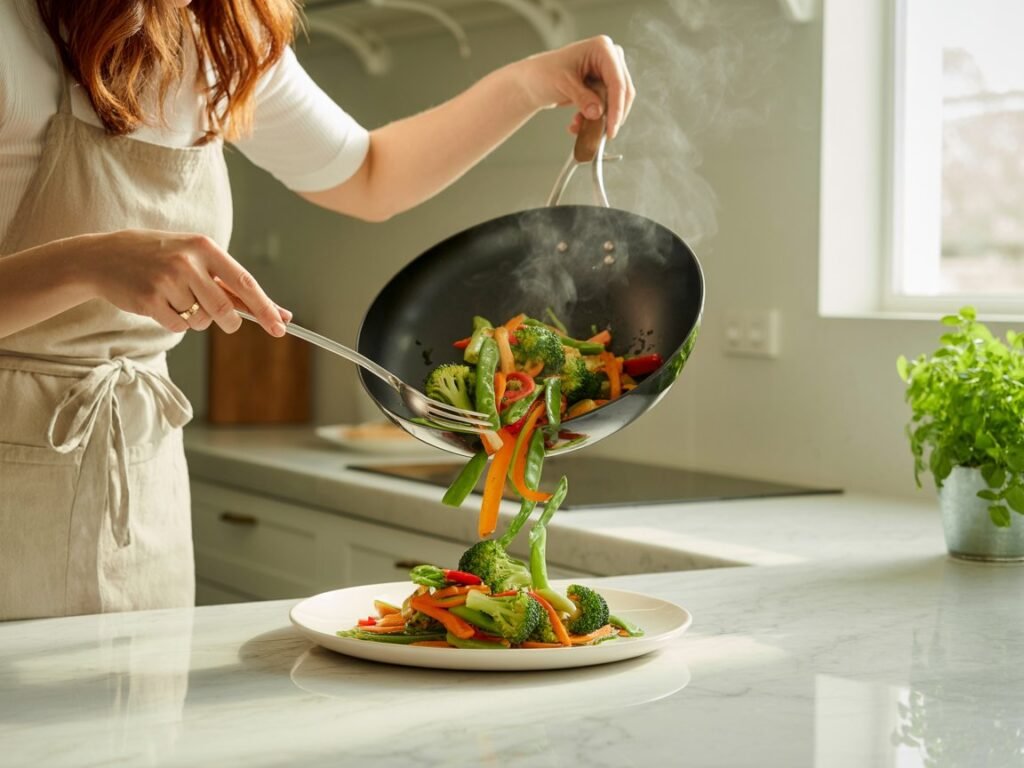
Short on time? These recipes come together in under 30 minutes and require minimal prep:
- Chickpea Stir-Fry – Sautéed with bell peppers, onions, and soy sauce.
- Spinach and Ricotta Stuffed Shells – Baked with marinara and gooey cheese.
- Vegetable Fried Rice – Made with leftover rice and frozen mixed veggies.
These options are simple, satisfying, and don’t require a long grocery list.
2. High-Protein Vegetarian Meals That Keep You Full
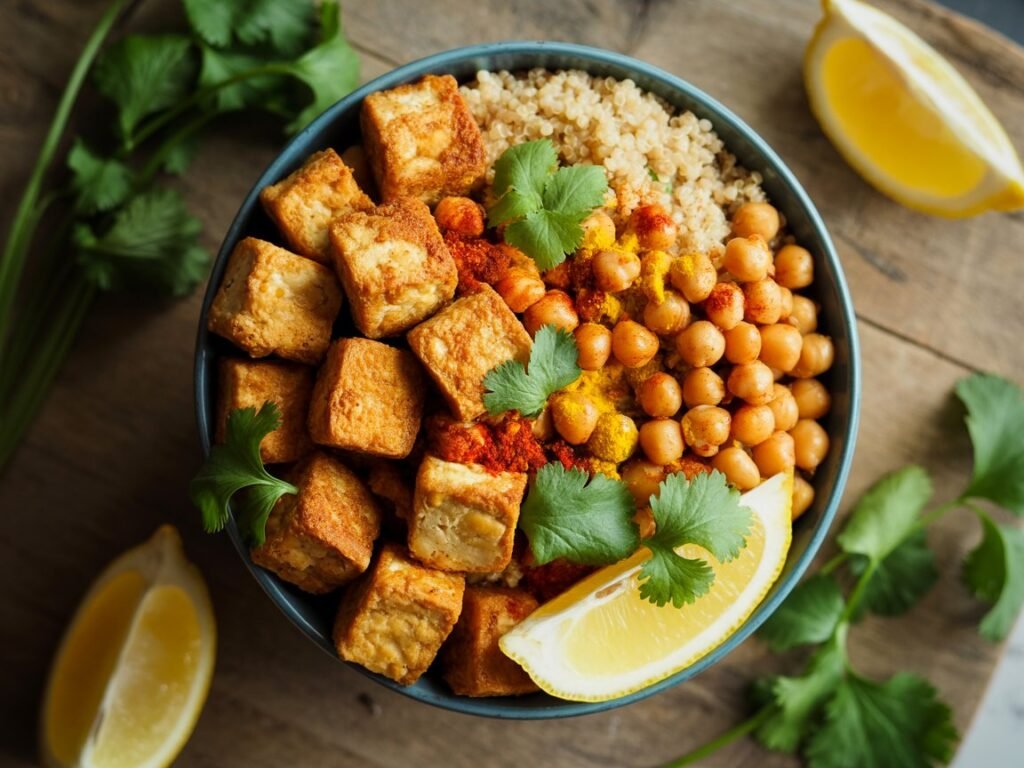
Worried about protein? These meals feature legumes, dairy, and grains to keep you energized:
- Lentil Tacos – Seasoned like ground beef and topped with avocado.
- Tofu Buddha Bowl – Served with quinoa, roasted veggies, and tahini sauce.
- Chickpea Curry – Rich in fiber and plant-based protein, simmered in coconut milk.
Add seeds, nuts, or cheese for an extra protein boost.
3. One-Pot Vegetarian Recipes for Minimal Cleanup
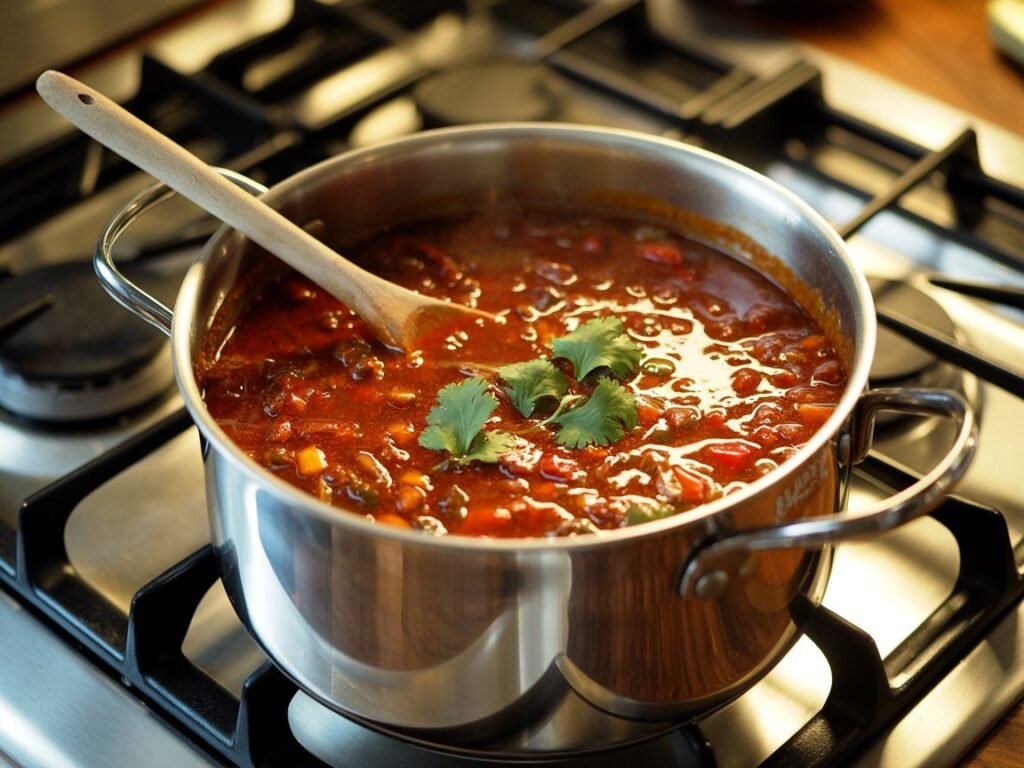
Save time on dishes with these one-pot wonders:
- Vegetarian Chili – Beans, tomatoes, and spices simmered in one pot.
- Mushroom Stroganoff – Creamy and comforting with egg noodles or pasta.
- Coconut Lentil Soup – A creamy, spiced option perfect for cold days.
These meals are ideal for meal prep and batch cooking.
4. Budget-Friendly Vegetarian Recipes Anyone Can Mak
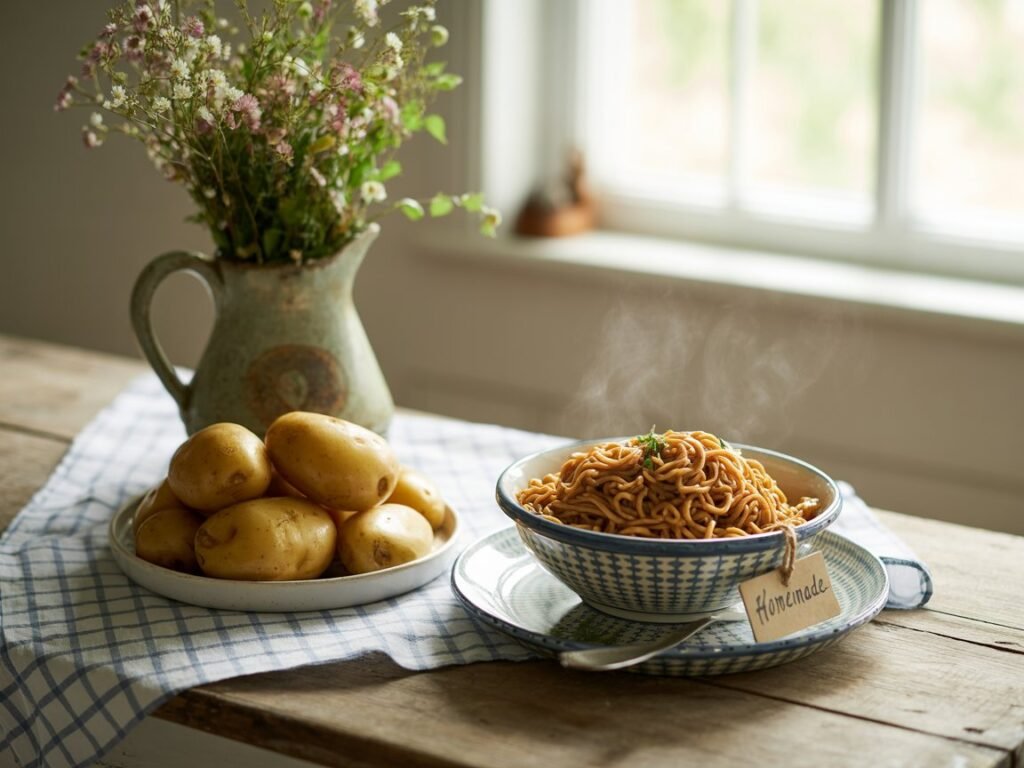
Eating meatless doesn’t have to break the bank:
- Peanut Butter Noodles – Asian-inspired and ready in 15 minutes.
- Baked Potatoes with Toppings – Beans, salsa, cheese, and broccoli.
- Red Beans and Rice – Classic Southern comfort on a budget.
Beans, grains, and seasonal produce are your best budget-friendly allies.
5. Healthy Vegetarian Lunch Ideas for Work or School
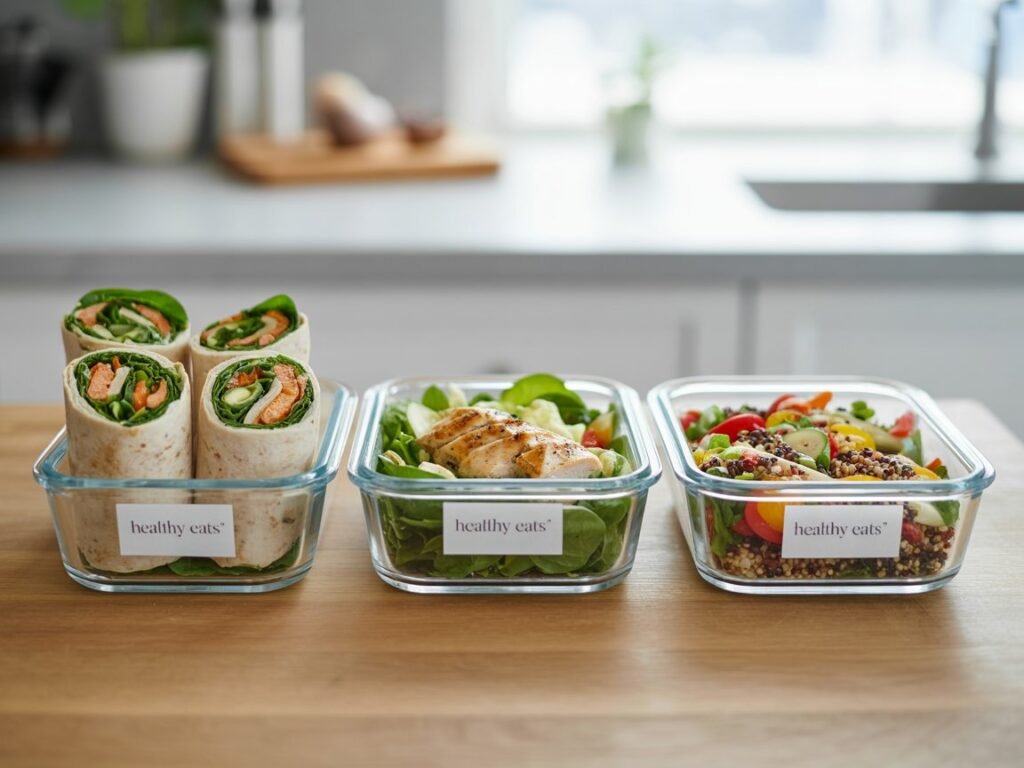
Portable and prep-friendly lunches include:
- Hummus Wraps – Whole grain tortillas packed with veggies and hummus.
- Quinoa Salad – With black beans, corn, and lime vinaigrette.
- Pasta Salad with Pesto – Add cherry tomatoes and mozzarella for flavor.
Pack these in containers and refrigerate for quick grab-and-go options.
6. Comfort Food Classics with a Vegetarian Twist
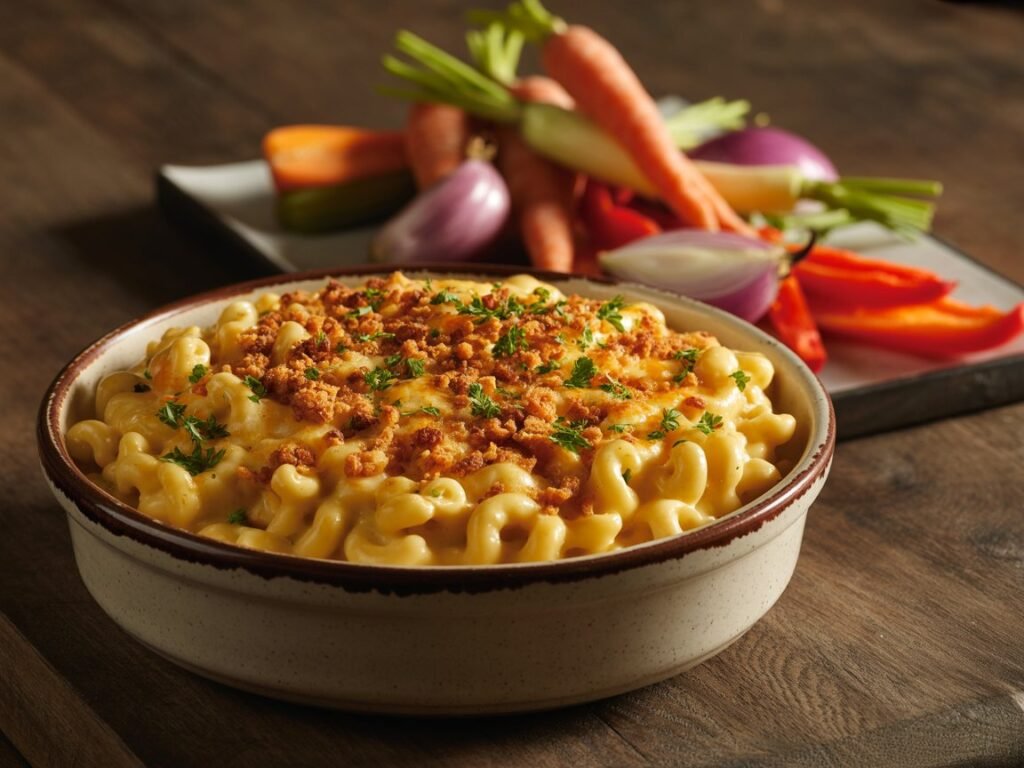
Get cozy with these meatless takes on traditional favorites:
- Vegetarian Shepherd’s Pie – Mashed potato-topped lentil filling.
- Meatless Meatballs – Made with lentils, oats, and Italian seasoning.
- Mac and Cheese with Veggies – Classic cheesy dish with added broccoli or spinach.
Perfect for when you want hearty, satisfying meals.
7. Seasonal Vegetarian Recipes for Every Time of Year
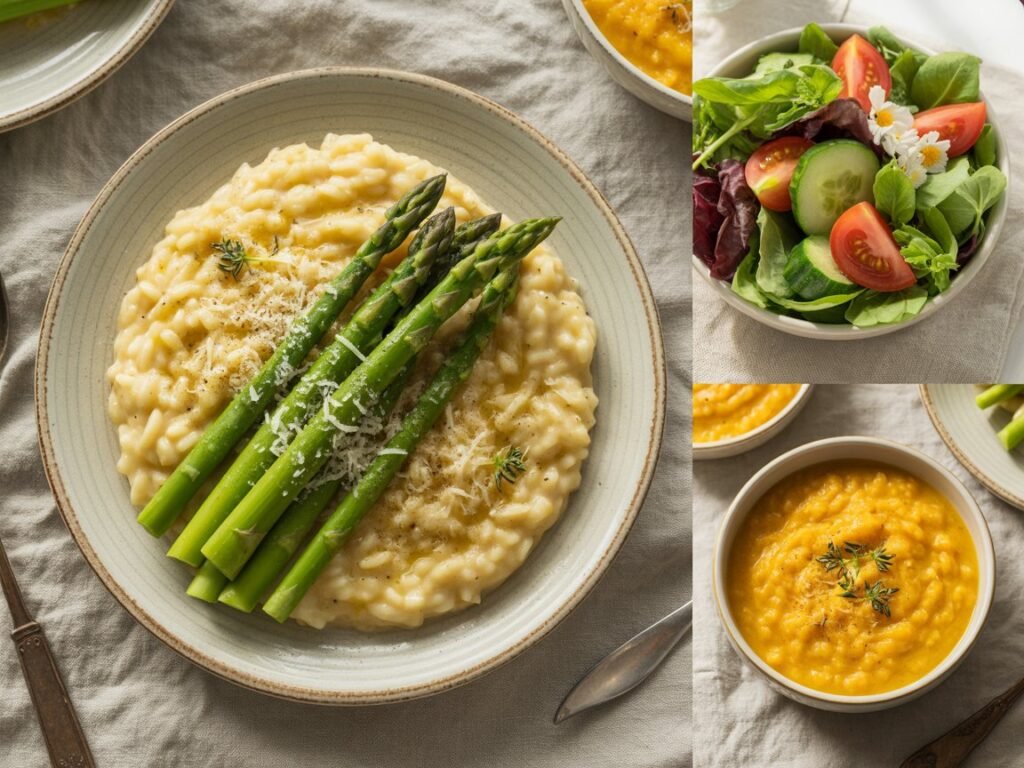
Eating seasonally boosts flavor and saves money:
- Spring – Asparagus and Pea Risotto
- Summer – Grilled Corn and Avocado Salad
- Fall – Butternut Squash Soup
- Winter – Root Vegetable Stew
Adjust your meals with the rhythm of the seasons for freshness and nutrition.
Additional Tips
Here are some additional tips for cooking and enjoying vegetarian meals that make your plant-based lifestyle easier, more flavorful, and nutritionally balanced:
1. Embrace Variety: Rotate your vegetables, grains, legumes, and plant-based proteins to keep meals interesting and ensure you’re getting a wide range of nutrients. Think colorful bell peppers, leafy greens, sweet potatoes, chickpeas, quinoa, and tofu.
2. Prioritize Protein: Vegetarians need to ensure adequate protein intake. Include legumes (beans, lentils, chickpeas), tofu, tempeh, seitan, edamame, Greek yogurt, eggs (if not vegan), nuts, and seeds in your meals. Combining grains and legumes also creates a complete protein.
3. Flavor Is Key: Herbs, spices, citrus, and condiments can transform simple ingredients into bold, exciting dishes. Don’t be afraid to experiment with garlic, ginger, paprika, curry, fresh basil, or balsamic glaze.
4. Plan Ahead: Pre-chopping vegetables, cooking grains in bulk, and prepping proteins in advance makes weeknight meals faster and reduces reliance on processed foods.
5. Incorporate Healthy Fats: Use olive oil, avocado, nuts, seeds, and coconut in moderation. Healthy fats enhance flavor, support nutrient absorption, and help you feel satisfied longer.
6. Experiment with Texture: Combining soft, creamy elements (like hummus or avocado) with crunchy ones (like roasted nuts or crisp vegetables) makes meals more satisfying and enjoyable.
7. Make It Balanced: Aim for meals with a mix of protein, fiber, healthy fats, and complex carbohydrates. This keeps energy levels stable, prevents cravings, and ensures you’re getting essential nutrients.
8. Don’t Fear Plant-Based Substitutes: Ingredients like plant-based cheeses, milk alternatives, and meat substitutes can make vegetarian dishes more versatile and appealing while keeping them simple.
9. Keep Snacks on Hand: Nuts, seeds, roasted chickpeas, fruit, and cut-up vegetables make easy, nutrient-dense vegetarian snacks that prevent overeating at meals.
10. Experiment and Have Fun: Vegetarian cooking is incredibly versatile. Try new recipes, flavors, and cuisines to keep your meals exciting and enjoyable.
Eating plant-based doesn’t have to be restrictive—it can be a delicious adventure.
Final Thought
Vegetarian cooking doesn’t have to be complicated or restrictive. When you use simple, fresh ingredients and trust the process, you can create meals that taste good, support your health, and fit into any lifestyle.
Whether you’re trying to eat lighter, boost your energy, or just add more variety to your weekly meals, these recipes make it easy to enjoy real food that makes you feel your best.
Sometimes the most satisfying dishes come from the simplest ingredients—and these vegetarian meals prove exactly that.
FAQs
1. Are vegetarian meals healthy for everyone?
Yes, vegetarian meals can be healthy for people of all ages when they are well-balanced and include a variety of protein sources, whole grains, vegetables, fruits, and healthy fats.
Planning meals carefully ensures you get all essential nutrients like protein, iron, vitamin B12, and omega-3s.
2. Can I get enough protein on a vegetarian diet?
Absolutely. Plant-based protein sources like beans, lentils, chickpeas, tofu, tempeh, edamame, nuts, seeds, and dairy (or eggs, if you include them) provide ample protein.
Combining grains with legumes ensures you get complete proteins throughout the day.
3. How can I make vegetarian meals more filling?
Focus on high-fiber vegetables, legumes, whole grains, and healthy fats like avocado, olive oil, or nuts.
These ingredients add volume and satiety to meals without excess calories, keeping you satisfied for longer.
4. Are vegetarian meals suitable for weight loss?
Yes, when portion sizes are controlled and meals are based on whole, nutrient-dense foods.
Plant-based diets naturally include more fiber and fewer calories from saturated fats, which can help support weight management.
5. How do I make vegetarian meals flavorful without meat?
Use herbs, spices, garlic, ginger, citrus, and flavorful sauces like tahini, pesto, or balsamic glaze.
Roasting vegetables, grilling tofu, or adding a touch of smoked paprika or chili can also enhance flavor.
6. Can I meal prep vegetarian recipes?
Definitely. Many vegetarian dishes, like grain bowls, salads, soups, stir-fries, and roasted vegetables, store well in the fridge or freezer.
Prepping ingredients in advance saves time during busy weekdays.
7. Are vegetarian meals expensive to make?
Not necessarily. Staples like beans, lentils, rice, pasta, frozen vegetables, and seasonal produce are affordable.
Buying in bulk and using versatile ingredients can make vegetarian cooking budget-friendly.
8. Can I still eat out while following a vegetarian diet?
Yes. Most restaurants now offer vegetarian options, including salads, grain bowls, pasta dishes, veggie burgers, and plant-based proteins.
You can also customize dishes to remove meat or add plant-based proteins.
9. How do I ensure I’m getting all necessary nutrients?
Include a variety of protein sources, whole grains, vegetables, fruits, nuts, seeds, and fortified foods if needed.
For nutrients like vitamin B12 and omega-3s, consider fortified foods or supplements as recommended by a healthcare professional.
10. Is vegetarian cooking suitable for beginners?
Absolutely. Many vegetarian meals are simple and quick to prepare.
Start with easy recipes like vegetable stir-fries, salads, grain bowls, smoothies, and simple pasta dishes, and gradually experiment with more complex dishes as you gain confidence.
Final Thoughts
Eating vegetarian doesn’t have to be complicated, boring, or flavorless. With the right approach, plant-based meals can be vibrant, satisfying, and nourishing for every lifestyle.
By focusing on whole foods, a variety of vegetables, legumes, grains, nuts, and seeds, you can create meals that are not only healthy but also delicious and easy to prepare.
The beauty of vegetarian cooking is its versatility. Whether you’re a busy professional, a student, a parent, or someone exploring plant-based eating for the first time, there are endless ways to adapt recipes to fit your schedule, taste preferences, and nutritional needs.
From energizing breakfasts and hearty lunches to comforting dinners, satisfying snacks, and even indulgent desserts, vegetarian meals can support your health goals while keeping your palate excited.
Incorporating the tips, recipe ideas, and strategies shared in this guide will help you make vegetarian eating simple, sustainable, and enjoyable.
Over time, you’ll discover that a plant-based lifestyle isn’t about restriction—it’s about creativity, flavor, and nourishing your body in a way that feels good, looks good, and fuels your life.
Embrace the possibilities, experiment with ingredients, and enjoy the journey of cooking and eating vegetarian.
With a little planning, imagination, and bold flavors, you can make every meal a satisfying celebration of plant-based goodness.