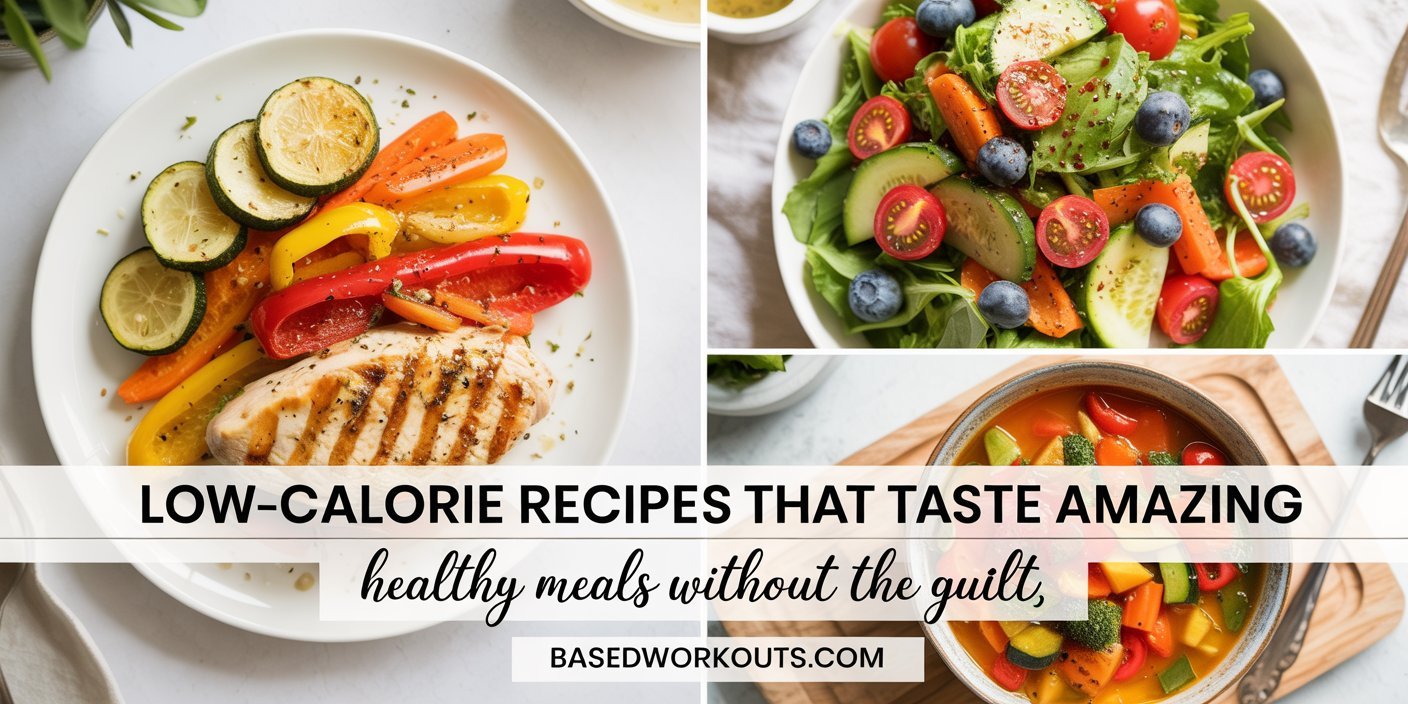
When people hear “low-calorie,” they often assume it means bland, boring meals that leave you unsatisfied. That couldn’t be further from the truth.
I’ve discovered that low-calorie recipes can actually be some of the most flavorful, satisfying dishes you’ll ever eat — and the best part is, they do your body incredible favors while keeping your household meals healthy and balanced.
Eating low-calorie doesn’t mean depriving yourself; it means choosing ingredients that fuel your body efficiently.
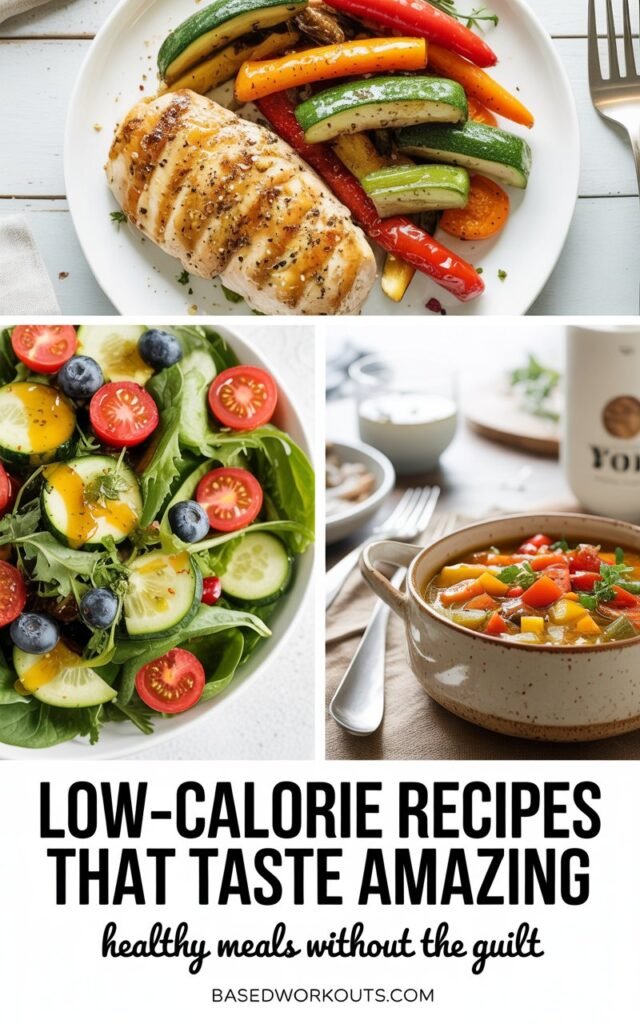
Meals packed with lean proteins, fresh vegetables, whole grains, and natural spices help you maintain energy, support metabolism, and keep your weight in check without feeling hungry all the time.
Over time, this style of eating can improve digestion, reduce bloating, and even enhance your skin and hair health because your body gets more nutrients without the excess calories.
For households, low-calorie recipes are a game-changer. They’re easy to prepare, family-friendly, and versatile enough to satisfy different tastes.

Whether you’re cooking for kids, roommates, or a partner, these meals keep everyone full and happy while supporting overall health.
You don’t have to cook multiple dishes to keep your family satisfied — a single well-balanced low-calorie meal can cover nutrition, taste, and portion control, making life in the kitchen simpler and healthier.
In this guide, I’ll share some of my favorite low-calorie recipes that are delicious, easy to make, and packed with benefits for your body and your household.
Amazon Gear for Low-Calorie Recipes I Recommend
Want to Make Low-Calorie Meals That Taste Amazing?
Eating healthy doesn’t mean sacrificing flavor.
The right kitchen tools make cooking low-calorie, high-flavor meals quicker, easier, and more enjoyable — helping you stay consistent and see results. Below are my top Amazon picks for guilt-free cooking at home.
| Product | Why You’ll Love It | Shop Now |
|---|---|---|
| Oil-Control Spray Bottle (Fine Mist) | Helps you cook with less oil while keeping flavor — perfect for roasting veggies, air-frying, and pan-searing. | Check Price on Amazon |
| Non-Stick Ceramic or Granite Pan | Requires minimal oil and cooks ingredients evenly, ideal for stir-fries, eggs, lean proteins, and veggies. | View on Amazon |
| Digital Food Scale (Portable + Accurate) | Measure portions precisely for every recipe and keep calories in check. | Shop Now |
| Vegetable Spiralizer (Handheld or Full-Size) | Turns zucchini, carrots, and other veggies into pasta-like noodles for low-calorie meals that feel indulgent. | Buy on Amazon |
| Air Fryer (Compact or Family-Size) | Crispy fries, chicken, tofu, and veggies with up to 85% less fat — the ultimate low-calorie cooking tool. | See Details |
These premium kitchen essentials make low-calorie cooking faster, easier, and more delicious — keeping you on track for weight loss, energy, and healthy eating.
Key Ingredients for Low-Calorie Recipes

The foundation of any great low-calorie recipe starts with choosing the right ingredients. Over the years,
I’ve realized that using fresh, nutrient-dense foods makes all the difference — not just for taste, but for how your body responds.
Lean Proteins: Chicken breast, turkey, fish, tofu, and legumes are staples. They keep you full longer, support muscle growth, and help regulate metabolism.
I like to rotate proteins so meals never feel repetitive.
Fresh Vegetables: Vegetables are the backbone of low-calorie meals. Spinach, broccoli, bell peppers, zucchini, and carrots add volume without extra calories, while supplying fiber, vitamins, and minerals.
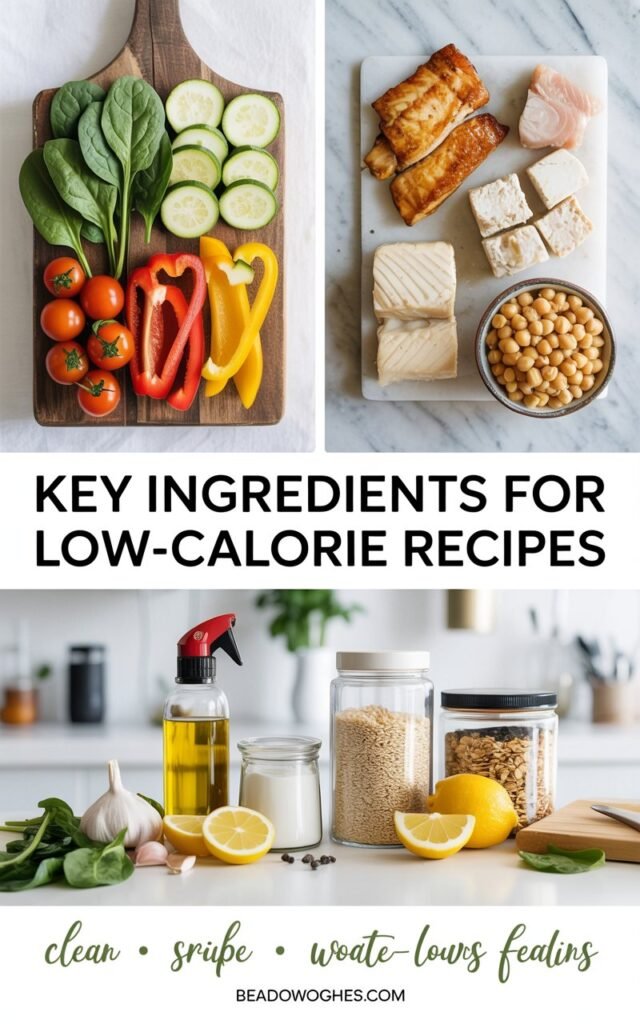
They help digestion, reduce bloating, and keep your energy stable throughout the day.
Whole Grains: Brown rice, quinoa, oats, and whole-wheat pasta provide complex carbs that fuel your body without causing spikes in blood sugar. They also keep your household meals satisfying and balanced.
Healthy Fats: Avocado, olive oil, nuts, and seeds are included in small amounts. These fats improve satiety, support brain health, and enhance the flavor of every dish, making low-calorie meals feel indulgent rather than restrictive.
Herbs and Spices: Fresh herbs like parsley, cilantro, basil, and spices such as paprika, cumin, garlic, and ginger add depth and excitement to your meals without extra calories. They transform simple ingredients into dishes that feel gourmet, even on a weekday.
How to Make Low-Calorie Meals That Taste Amazing
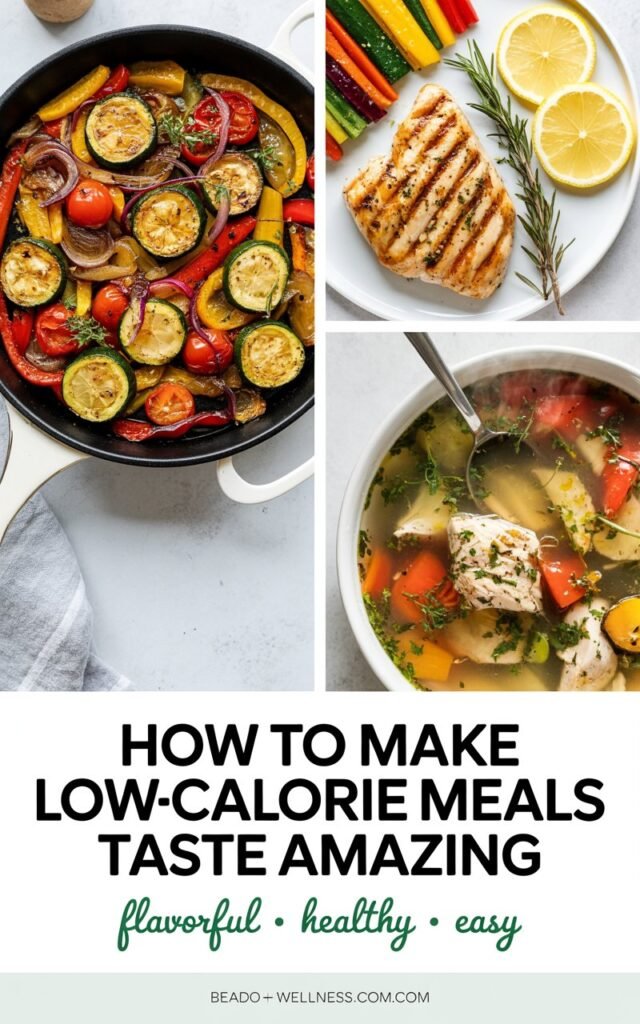
Making low-calorie meals is not that complicated or time-consuming. With the right ingredients and a simple approach, you can create dishes that satisfy your taste buds while supporting your body and your household’s health. Here’s how I usually do it:
1. Start With Your Protein
I like to cook my protein first because it forms the base of the meal. For chicken or fish, I season it lightly with herbs, garlic, and a splash of olive oil, then bake, grill, or pan-sear it.
For plant-based proteins like tofu or lentils, I sauté them with spices to build flavor without adding unnecessary calories.
Cooking the protein first ensures it’s flavorful and ready to pair with vegetables and grains.
2. Prepare Your Vegetables
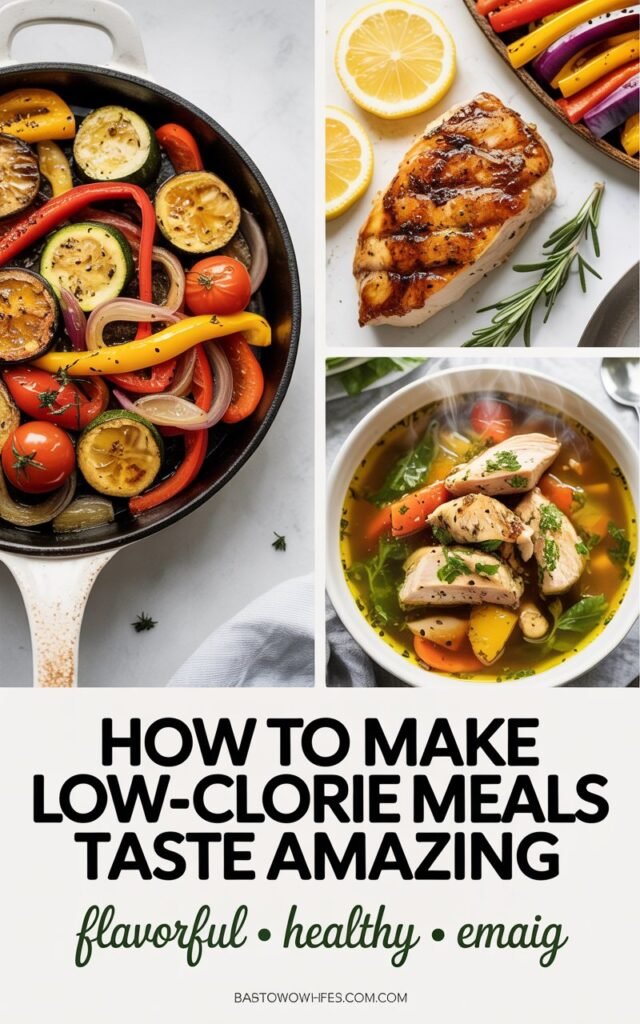
Vegetables are what give low-calorie meals bulk and fiber, keeping you full longer. I usually steam, roast, or lightly stir-fry a mix of colorful veggies — think broccoli, bell peppers, carrots, and zucchini.
Using a variety not only makes the meal visually appealing but also ensures a range of nutrients for your body. These fiber-rich veggies help digestion, reduce bloating, and keep energy levels stable.
3. Add Whole Grains or Legumes
Next, I incorporate a small portion of whole grains like brown rice, quinoa, or oats. These provide lasting energy and balance the meal without adding empty calories.
For households, whole grains make meals more filling, so everyone stays satisfied without overeating. Legumes like chickpeas or black beans can replace grains for a protein boost while keeping calories low.
4. Finish With Healthy Fats and Flavor
A drizzle of olive oil, a few slices of avocado, or a sprinkle of nuts adds richness and keeps meals satisfying.
I also toss in fresh herbs and spices to enhance flavor naturally. These ingredients support heart health, brain function, and overall well-being without adding excess calories, making the meals enjoyable for both you and your family.
5. Assemble and Serve
I like to plate the protein first, surround it with colorful vegetables, and finish with grains or legumes. A simple garnish of herbs makes the meal look inviting.
This approach works well for meal prep too — you can cook in bulk, store portions for the week, and everyone in the household has a healthy, balanced meal ready to enjoy.
Why You Will Love These Low-Calorie Meals
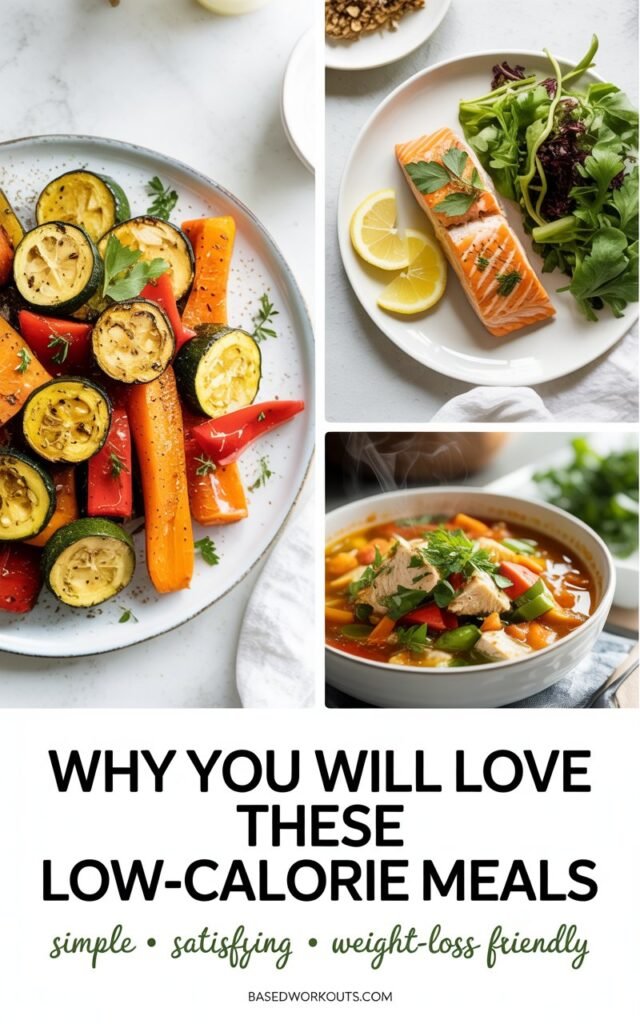
You’ll love these meals because they make healthy eating simple, satisfying, and enjoyable. Each dish is packed with nutrients that support your energy, metabolism, and overall well-being, while keeping calories in check.
For your household, they’re a win too — easy to prepare, versatile, and delicious enough that everyone at the table stays full and happy.
No one feels deprived, and you don’t have to spend hours in the kitchen. These meals prove that eating light can still be flavorful, nourishing, and completely doable in a busy lifestyle.
How to Serve and Mistakes to Watch Out For
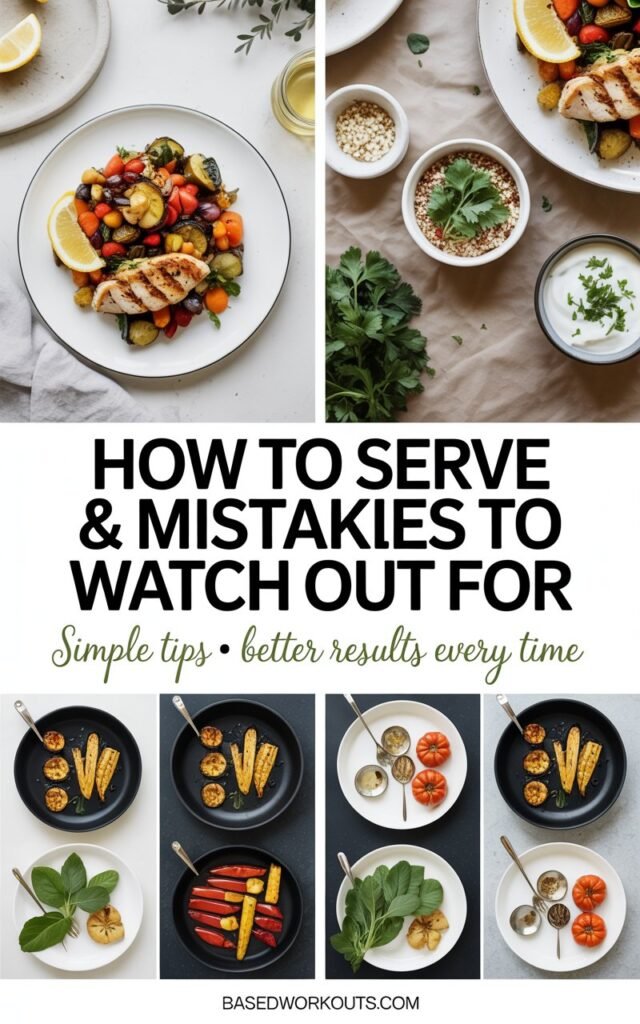
Serve your low-calorie meals fresh and colorful — arrange protein, veggies, and grains neatly on the plate, and add a small garnish like herbs or a drizzle of olive oil for extra appeal.
Portion sizes matter; too much of even healthy ingredients can add unnecessary calories.
Common mistakes to watch out for include overcooking vegetables (which reduces nutrients), using too much oil or sauces, and skipping protein, which keeps you full longer.
Stick to balanced portions, cook with care, and enjoy your meals mindfully for the best results.