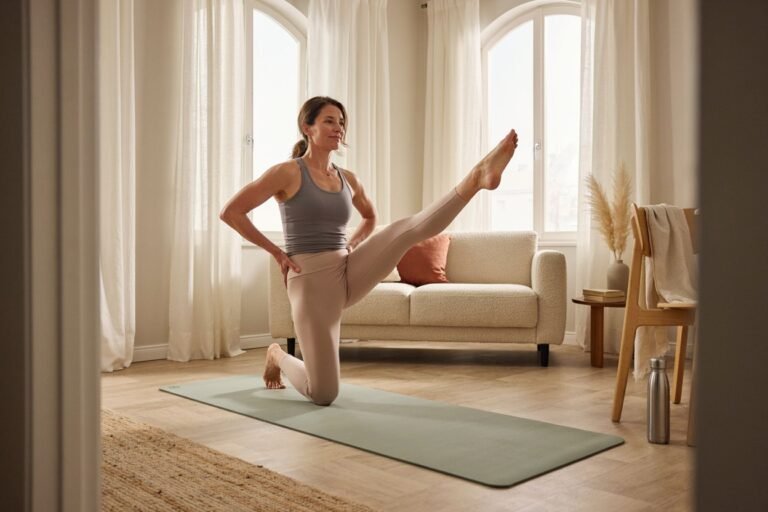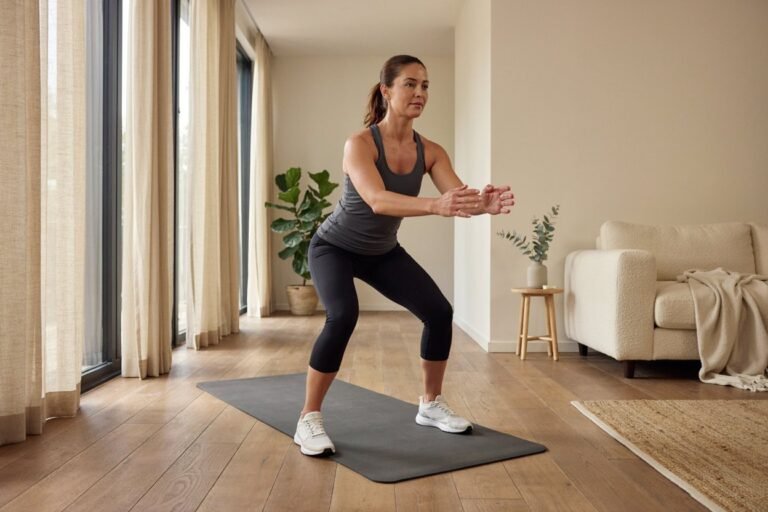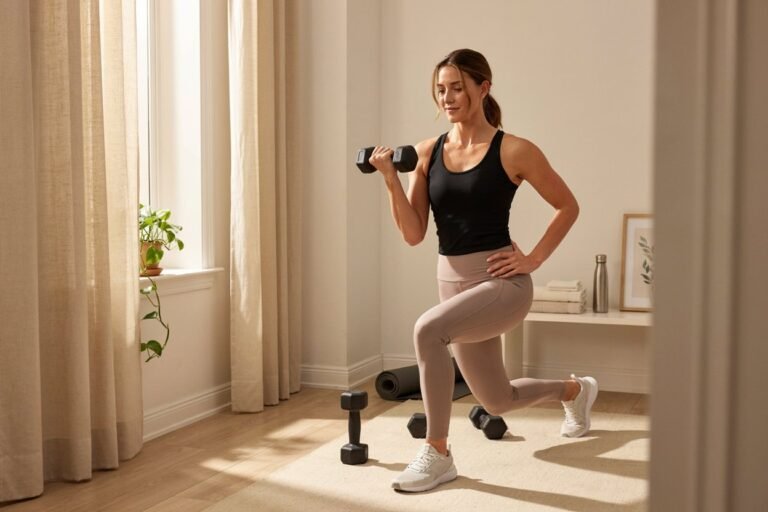
A strong, sculpted glute is about much more than appearance—it’s a key factor in overall body strength, stability, and athletic performance.
The glute muscles, including the gluteus maximus, medius, and minimus, are the largest in the body and are essential for hip mobility, lower-back support, and functional movement such as running, jumping,
lifting, and even walking. Weak glutes can contribute to poor posture, lower-back pain, knee issues, and decreased performance in daily activities and workouts.
On the other hand, strong glutes not only improve aesthetics but also enhance your functional strength and reduce the risk of injury.
This guide highlights seven highly effective glute exercises designed to target every part of your glute muscles, ensuring full development, lift, and tone.
These exercises can be performed at home with minimal equipment or at the gym using dumbbells, resistance bands, or machines, making them accessible for beginners and challenging enough for advanced trainees.
By training your glutes strategically, you can sculpt a rounder, firmer booty while simultaneously improving your athletic performance and overall posture.
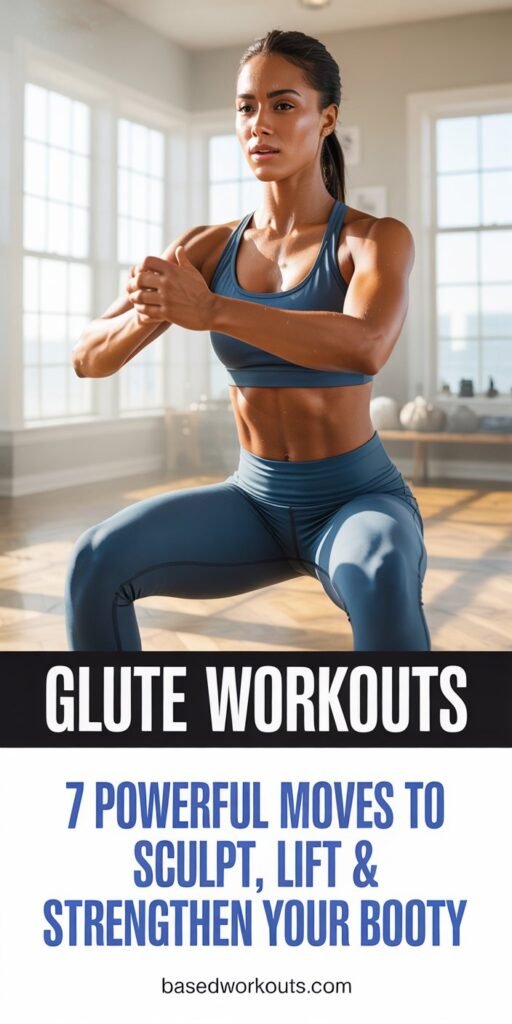
Consistency is key. Incorporating glute-specific workouts 2–4 times per week alongside a balanced diet, proper recovery, and progressive overload ensures that your glutes are not only shapely but strong and functional.
Each movement in this guide has been selected to target the glutes from multiple angles, focusing on hip extension, abduction, and stabilization, which are essential for complete glute development.
In addition to aesthetics, working your glutes has practical benefits for everyday life.
Strong glutes support your lower back, improve balance, enhance running and jumping performance, and make everyday activities like climbing stairs or carrying heavy objects easier and safer.
By combining exercises like hip thrusts, squats, lunges, and resistance band work, you’ll be able to activate all parts of your glutes, prevent imbalances, and build a booty that’s both strong and well-shaped.
Whether your goal is to lift, sculpt, or strengthen your glutes, this workout guide provides a comprehensive, step-by-step approach that ensures results.
With dedication, proper form, and consistency, these seven exercises can help you transform your glutes, improve your confidence, and elevate your overall fitness level in just a few weeks.
Amazon Gear for Glute Workouts I Recommend
Want to Lift, Sculpt, and Strengthen Your Glutes Faster?
You don’t need a gym to build a strong, toned booty — just the right gear and consistency.
Below are my top Amazon picks designed to help you activate, isolate, and grow your glutes more effectively from home or the gym.
| Product | Why You’ll Love It | Shop Now |
|---|---|---|
| Resistance Bands (Fabric, Non-Slip Set) | Perfect for activating glute muscles and increasing tension for a lifted look. | Check Price on Amazon |
| Ankle Weights (Adjustable, Soft Fit) | Adds resistance to kickbacks and leg lifts — ideal for glute toning and shaping. | View on Amazon |
| Barbell Hip Thrust Pad | Protects your hips and adds comfort during glute bridges and thrusts. | Shop Now |
| Adjustable Dumbbells (Compact Design) | Boost intensity for squats, lunges, and glute bridges — builds strength faster. | Buy on Amazon |
| Workout Leggings (High Compression, Booty Lift Design) | Enhances glute curves and provides support during every move. | See Details |
These tools help you activate and strengthen your glutes effectively, reduce strain, and see visible lifting and toning results faster — whether you’re training at home or in the gym.
1. Why Train Your Glutes Regularly?
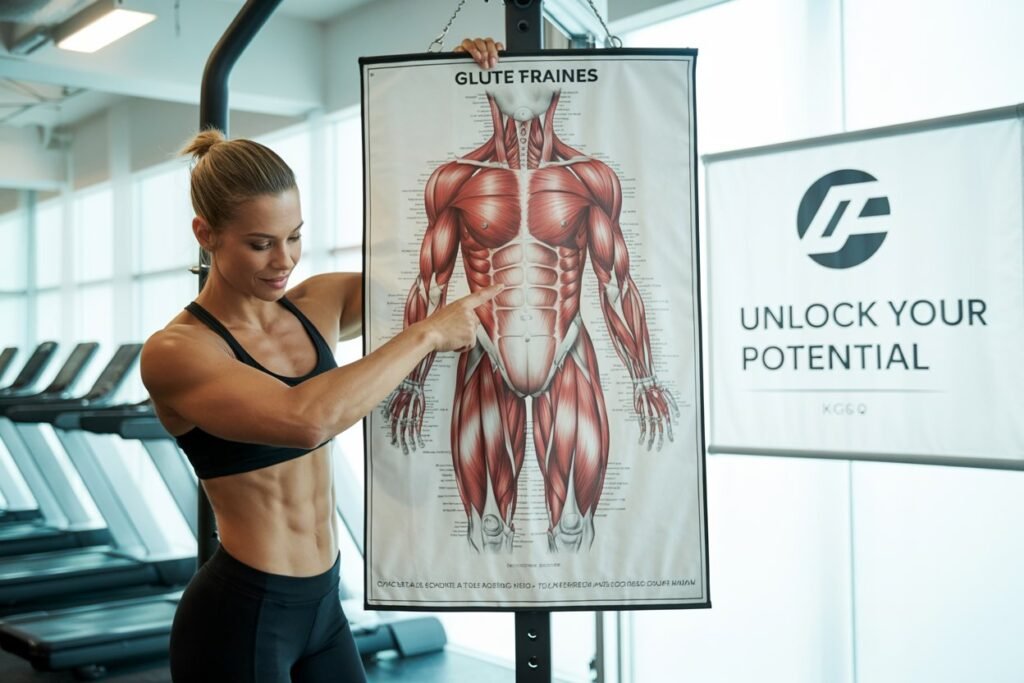
Training your glutes isn’t just about achieving a rounded, lifted booty—although that’s certainly a motivating bonus.
The glute muscles, which include the gluteus maximus, medius, and minimus, are some of the largest and most powerful muscles in the body.
They play a critical role in hip stability, lower-body strength, and overall movement efficiency, making them essential for both fitness enthusiasts and everyday functional activities.
Regular glute training improves posture and spinal alignment, helping reduce the risk of lower-back pain, which is often caused by weak glutes and overcompensation from other muscles.
Strong glutes also enhance athletic performance by providing better hip extension, which is crucial for running, jumping, cycling, and lifting.
This not only boosts your workout results but also makes daily movements easier and safer, from climbing stairs to carrying groceries.
Another key reason to train your glutes consistently is that they help prevent muscle imbalances.
Many people unknowingly have underactive glutes due to prolonged sitting, which can lead to tight hip flexors, weak hamstrings, and even knee or ankle issues.
Incorporating glute exercises strengthens these muscles, corrects imbalances, and promotes overall lower-body stability.
Beyond function, strong glutes also enhance aesthetics, contributing to a more sculpted, lifted, and symmetrical lower body.
When combined with proper nutrition and full-body training, focused glute workouts can reshape your physique, improving both confidence and performance.
In short, training your glutes regularly is not just a cosmetic choice—it’s a practical, performance-boosting, and injury-preventing strategy that supports your overall fitness goals.
Whether your aim is strength, toning, or functional movement, prioritizing glute work pays off both in the gym and in everyday life.
2. Glute Bridges – Foundation of Booty Strength
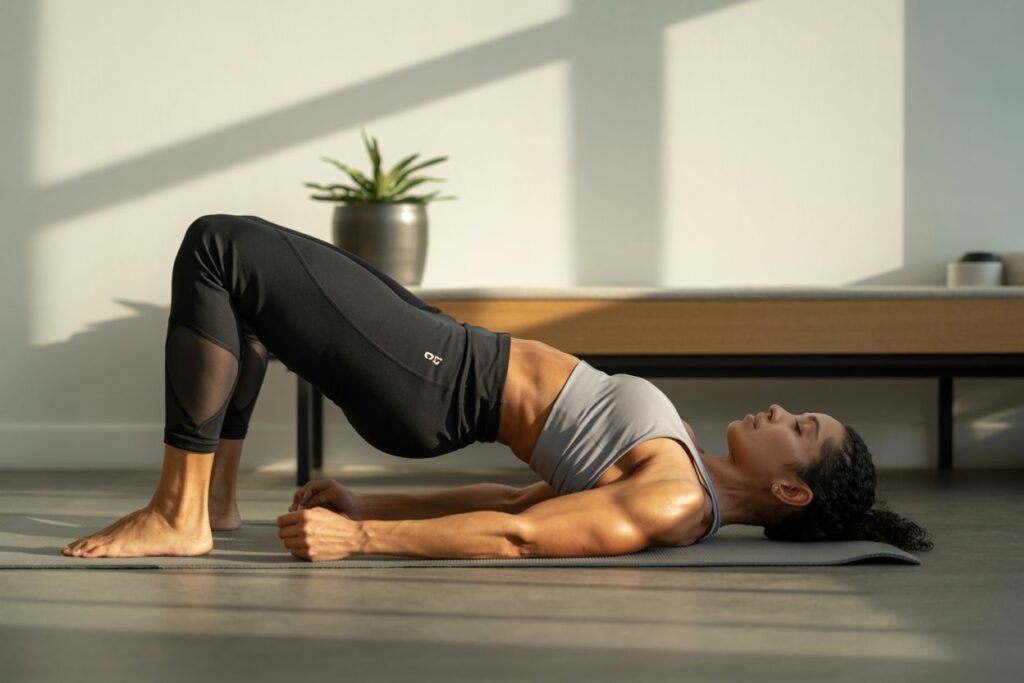
Glute bridges are a fundamental exercise for building strong, lifted glutes.
They target the gluteus maximus, the largest muscle in the glutes, while also engaging the hamstrings, lower back, and core.
This makes them an excellent foundation exercise for anyone looking to sculpt and strengthen their booty, whether you’re a beginner or an advanced trainee.
The beauty of glute bridges is their simplicity and versatility.
They can be performed anywhere—at home on a mat, in the gym, or even with added resistance such as a barbell, dumbbells, or resistance bands.
Despite being low-impact, glute bridges are highly effective for activating the glutes, which is crucial because many people unknowingly rely on their hamstrings or lower back instead of their glutes during exercises like squats and deadlifts.
How to Perform Glute Bridges:
- Lie on your back with your knees bent, feet flat on the floor, and arms at your sides.
- Engage your core and squeeze your glutes as you lift your hips toward the ceiling, forming a straight line from your shoulders to your knees.
- Hold the top position for 1–2 seconds, maintaining tight glutes and a neutral spine.
- Slowly lower your hips back down without touching the floor completely to keep tension in the glutes.
- Repeat for 12–15 reps for 3 sets.
Benefits for Glute Development:
- Activates the Glutes Properly: Ensures the glute muscles are firing correctly before progressing to more advanced moves.
- Strengthens Posterior Chain: Engages hamstrings and lower back for functional strength.
- Improves Hip Mobility: Opens up the hip flexors, which is especially beneficial for people who sit frequently.
- Low-Impact Yet Effective: Perfect for beginners, injury prevention, and recovery days.
Glute bridges are more than just a warm-up—they are a core building block for glute strength and activation.
Mastering this exercise ensures that your glutes are fully engaged in other movements, setting the stage for maximum lift, tone, and overall lower-body performance.
3. Bulgarian Split Squats – Glute Isolation Power
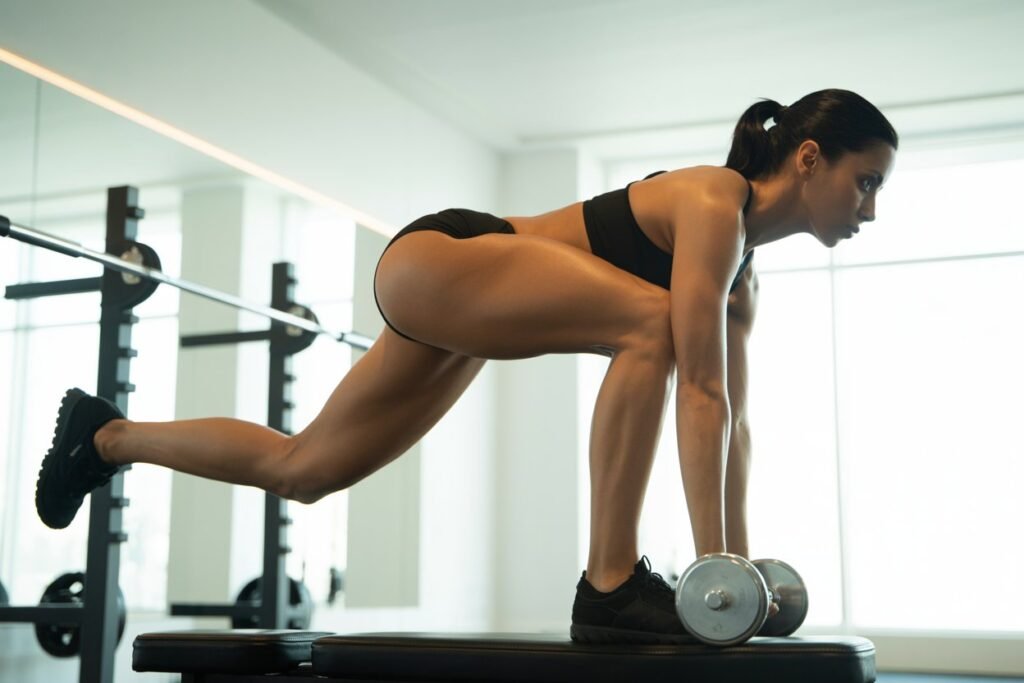
Bulgarian Split Squats are a powerful unilateral exercise that targets the glutes, hamstrings, and quads while improving balance, stability, and lower-body strength.
By working one leg at a time, this exercise allows for greater glute activation and isolation, making it highly effective for sculpting and lifting the booty.
Unlike traditional squats, the Bulgarian split squat emphasizes the rear leg and hip extension, which directly engages the glute muscles for maximum results.
This exercise can be performed at home using a chair or bench, or in the gym with added dumbbells or a barbell for increased resistance.
Because it requires balance and coordination, it also strengthens stabilizing muscles in the core and hips, which supports overall athletic performance and helps prevent injury.
How to Perform Bulgarian Split Squats:
- Stand a few feet in front of a bench or chair, with one foot resting on it behind you.
- Keep your chest upright and engage your core.
- Lower your front leg into a lunge position, ensuring your knee doesn’t extend past your toes. Focus on driving your weight through your front heel to engage the glutes.
- Pause briefly at the bottom, then push through your heel to return to the starting position.
- Perform 10–12 reps on each leg for 3 sets. Add dumbbells for extra resistance if desired.
Benefits for Glute Development:
- Intense Glute Activation: Unilateral focus ensures the glutes are doing the majority of the work.
- Builds Strength and Stability: Improves balance and coordination while strengthening hips and legs.
- Enhances Muscle Symmetry: Helps correct imbalances between left and right glutes.
- Functional Movement: Mimics real-life activities, improving overall lower-body function.
Bulgarian Split Squats are a must-do exercise for anyone serious about building strong, lifted glutes.
By isolating the glute muscles and engaging stabilizers, this move not only sculpts your booty but also enhances strength, balance, and athletic performance, making it a cornerstone in any glute-focused workout routine.
4. Donkey Kicks – Sculpt and Tighten
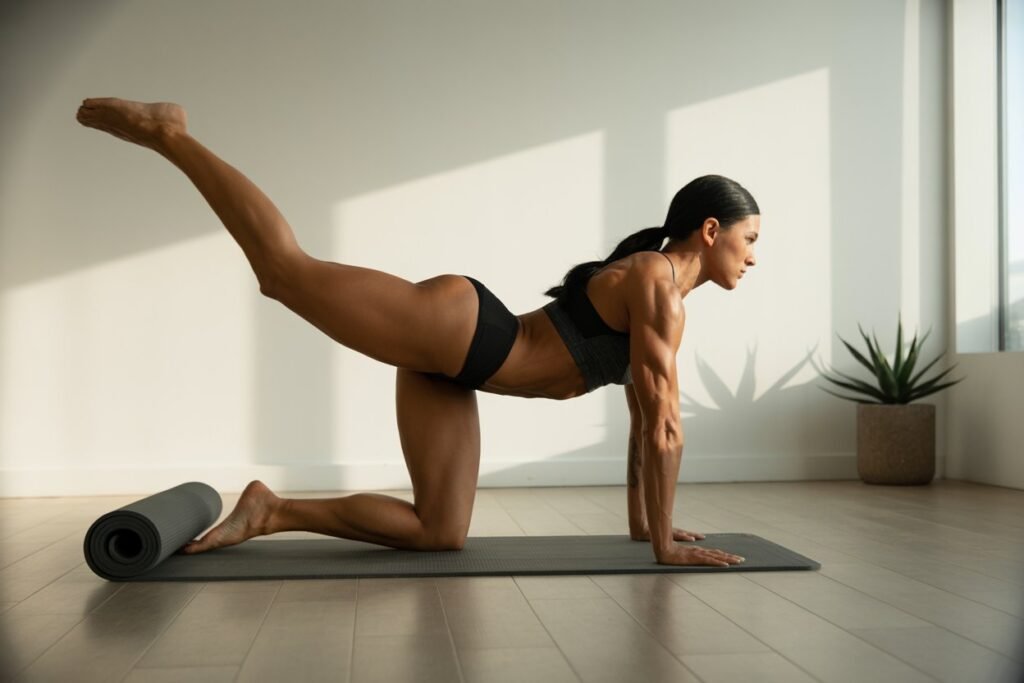
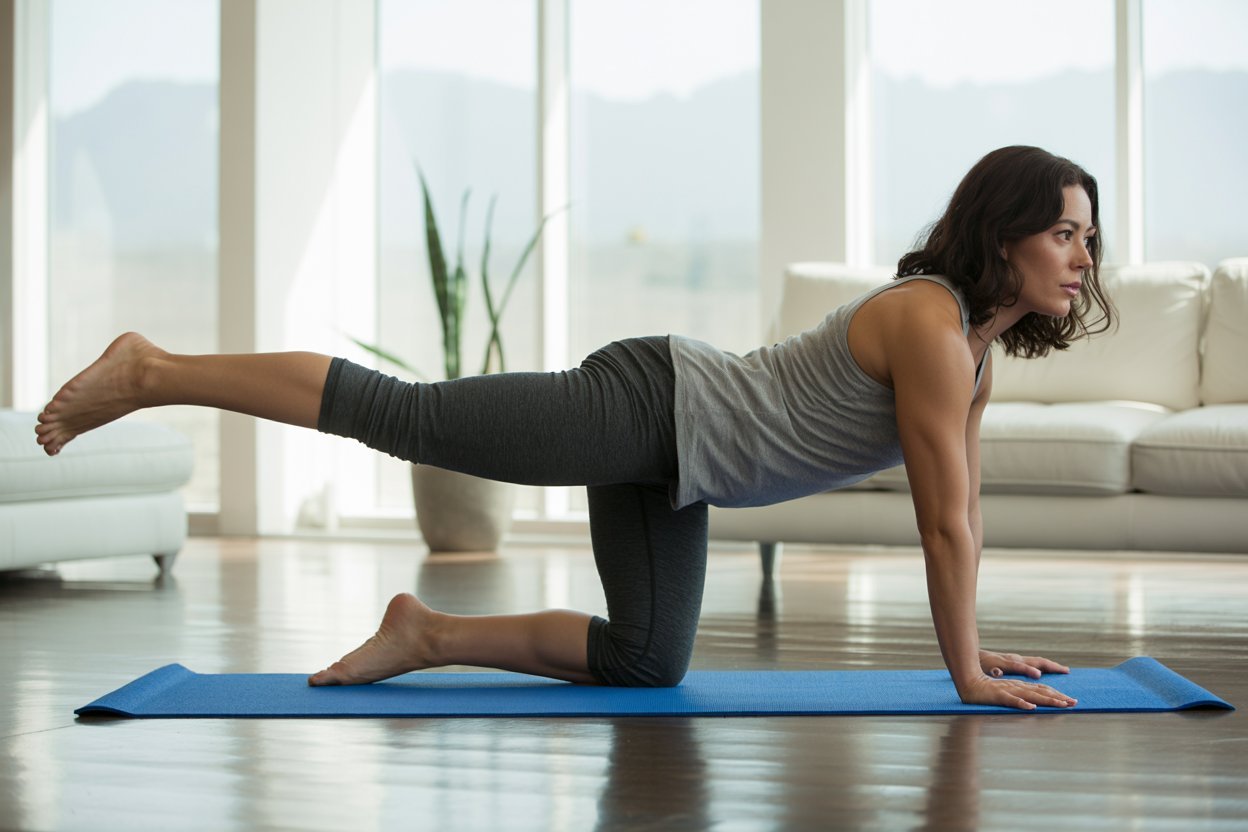
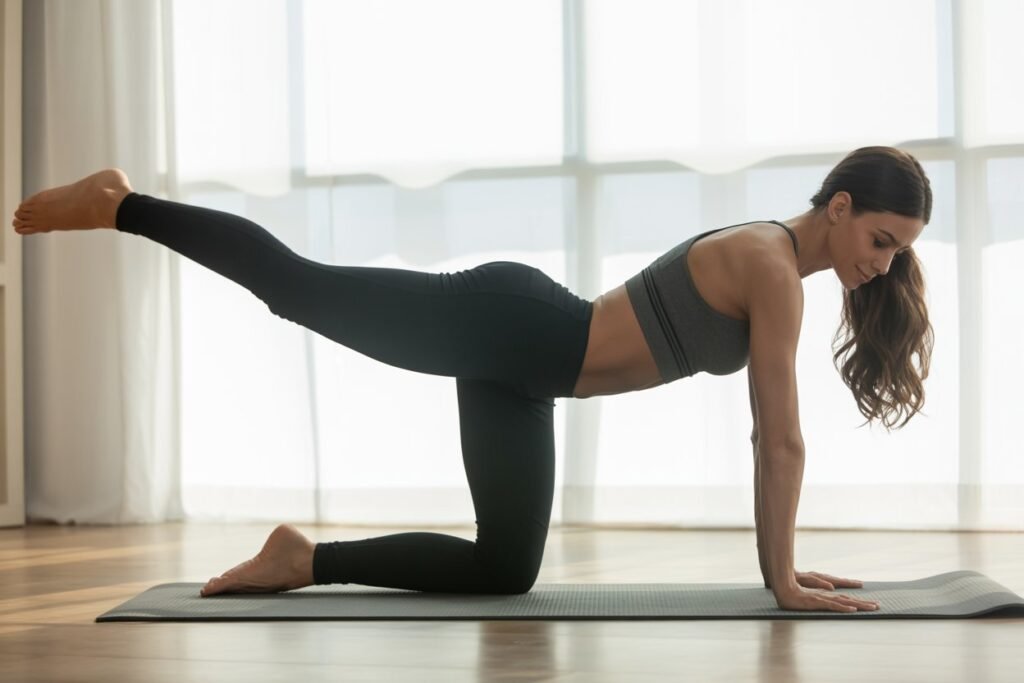
Donkey kicks are a highly effective glute isolation exercise that focuses on lifting, tightening, and toning the glute muscles, particularly the gluteus maximus.
This movement is perfect for activating the glutes without putting pressure on the knees or lower back, making it suitable for beginners, home workouts, and injury prevention routines.
Despite its simplicity, donkey kicks are incredibly powerful when done with proper form and controlled movements.
One of the benefits of donkey kicks is that they target the glutes from a different angle than squats or lunges, which helps ensure complete muscle development.
They can also be performed with resistance bands or ankle weights to increase intensity, making them versatile for all fitness levels.
How to Perform Donkey Kicks:
- Begin on all fours with your hands under your shoulders and knees under your hips.
- Engage your core and keep your back flat.
- Lift one leg toward the ceiling, keeping the knee bent at 90 degrees, until your thigh is in line with your torso.
- Squeeze your glutes at the top of the movement, then slowly lower your leg back down without touching the floor to maintain tension.
- Perform 12–15 reps per leg for 3 sets. Add resistance bands around your thighs or ankle weights for more challenge.
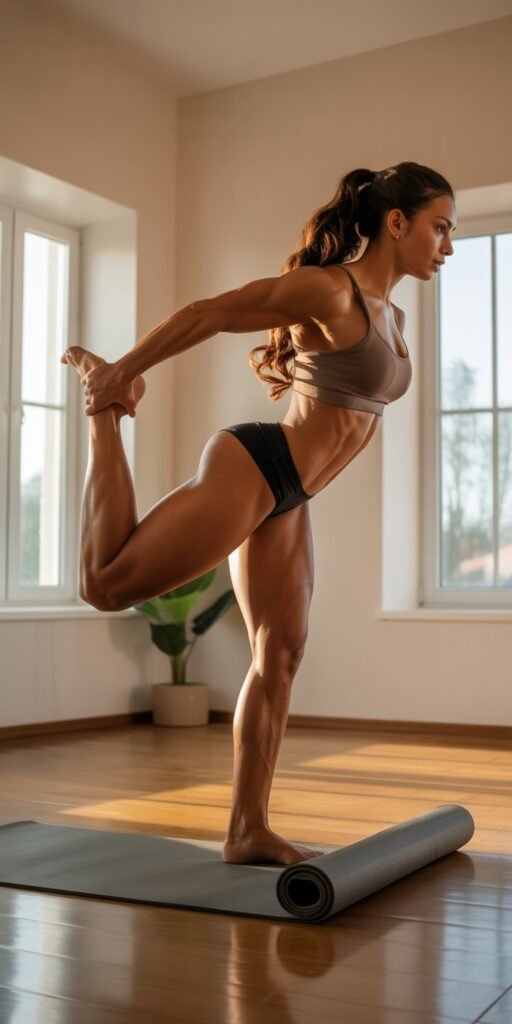
Benefits for Glute Development:
- Targets the Gluteus Maximus: Effectively lifts and sculpts the main glute muscle.
- Low-Impact: Safe for joints, suitable for all fitness levels.
- Improves Core Stability: Engaging the core keeps the movement controlled and strengthens the midsection.
- Versatile and Convenient: Can be done anywhere with no equipment, and easily intensified with bands or weights.
Donkey kicks are a go-to exercise for anyone looking to sculpt, tighten, and strengthen their glutes.
Incorporating this move into your routine ensures that your glutes are fully activated from multiple angles, complementing other exercises like squats and lunges to build a rounder, firmer, and stronger booty.
5. Hip Thrusts – The Ultimate Glute Builder
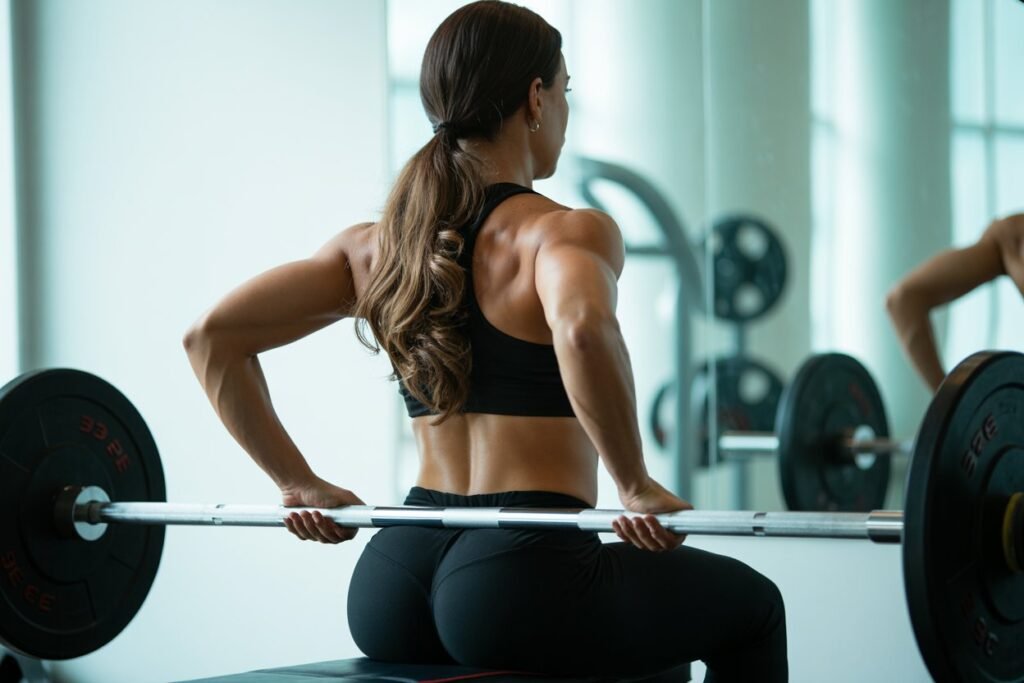
Hip thrusts are widely regarded as the gold standard for glute development, targeting the gluteus maximus more effectively than most other lower-body exercises.
Unlike squats or lunges, which involve multiple muscle groups, hip thrusts allow you to isolate and maximize glute activation, making them essential for building a round, lifted, and powerful booty.
This exercise can be performed at home with bodyweight or with added resistance such as a barbell, dumbbell, or resistance band for progressive overload.
Hip thrusts not only enhance glute size and strength but also improve hip extension, which is vital for functional movement, athletic performance, and injury prevention.
Strong glutes from hip thrusts help support the lower back, stabilize the pelvis, and improve posture.
How to Perform Hip Thrusts:
- Sit on the ground with your upper back resting against a bench or sturdy surface and feet flat on the floor, hip-width apart.
- Roll a barbell or place a weight across your hips if using added resistance.
- Engage your core and glutes, then thrust your hips upward until your body forms a straight line from shoulders to knees.
- Squeeze your glutes at the top for 1–2 seconds.
- Slowly lower your hips back down without fully resting on the ground to maintain tension.
- Perform 12–15 reps for 3–4 sets.
Benefits for Glute Development:
- Maximum Glute Activation: Targets the glute muscles more than squats, deadlifts, or lunges.
- Builds Strength and Size: Ideal for lifting, sculpting, and firming the booty.
- Improves Athletic Performance: Enhances hip extension for running, jumping, and lifting movements.
- Supports Posture and Lower-Back Health: Strengthens the posterior chain and stabilizes the pelvis.
Hip thrusts are an essential exercise for anyone serious about glute development.
By isolating and fully engaging the glute muscles, this move helps you build a stronger, rounder, and more lifted booty, while also improving functional strength, posture, and overall lower-body performance.
6. Fire Hydrants – Side Glute Activation
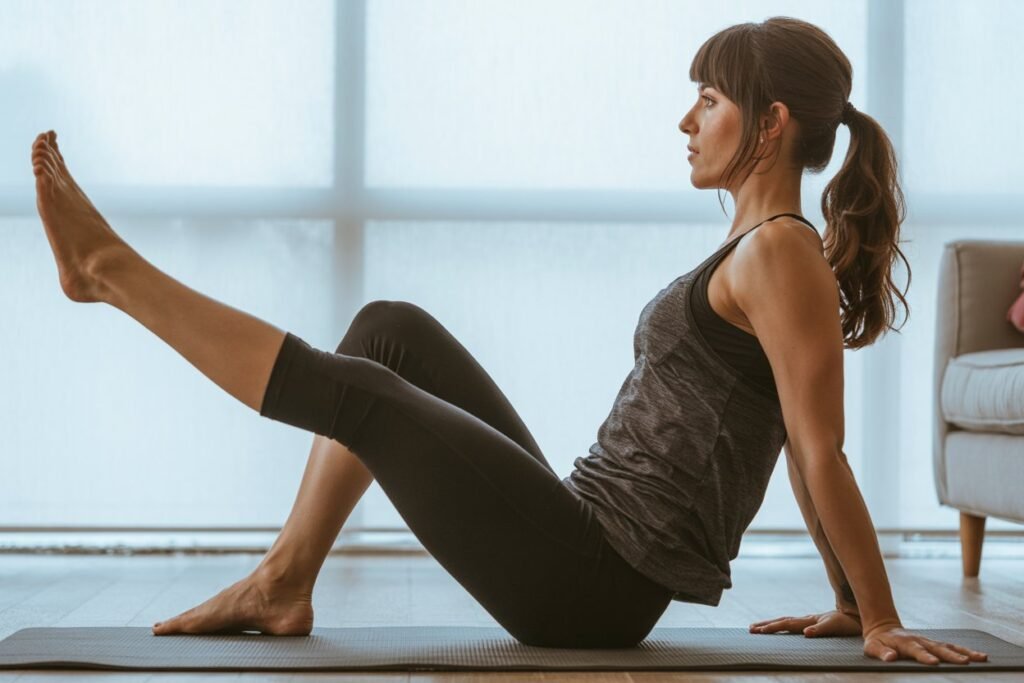
Fire hydrants are a fantastic glute exercise that specifically targets the gluteus medius, the side portion of your glutes responsible for hip stability, shaping, and overall glute symmetry.
Many people focus primarily on the gluteus maximus, but neglecting the medius can lead to muscle imbalances, poor hip alignment, and decreased performance in squats and lunges.
Fire hydrants help strengthen and sculpt the outer glutes, giving your booty a fuller, more rounded appearance from every angle.
This move is low-impact and versatile, making it ideal for home workouts, beginners, or anyone recovering from lower-body injuries.
It can be performed with bodyweight alone or intensified using resistance bands around the thighs for increased glute engagement.
Fire hydrants are also excellent for activating stabilizer muscles in the hips and core, which improves balance, posture, and functional movement.
How to Perform Fire Hydrants:
- Begin on all fours with your hands under your shoulders and knees under your hips.
- Keep your core engaged and back flat throughout the movement.
- Lift your right leg out to the side, keeping the knee bent at 90 degrees, until your thigh is parallel to the floor.
- Pause at the top and squeeze your glute.
- Slowly lower the leg back down without touching the floor to maintain tension.
- Perform 12–15 reps per side for 3 sets. Add a resistance band around your thighs for added difficulty.
Benefits for Glute Development:
- Targets the Gluteus Medius: Shapes the outer glutes and improves hip aesthetics.
- Enhances Hip Stability: Supports better movement mechanics for squats, lunges, and running.
- Strengthens Core and Hips: Improves balance, posture, and injury prevention.
- Low-Impact Yet Effective: Suitable for beginners and home workouts.
Fire hydrants are a must-do for anyone aiming for well-rounded, fully developed glutes.
By isolating the side glutes and engaging stabilizing muscles, this exercise helps create a lifted, toned, and functional booty that enhances both performance and appearance.
7. Step-Ups – Functional and Effective
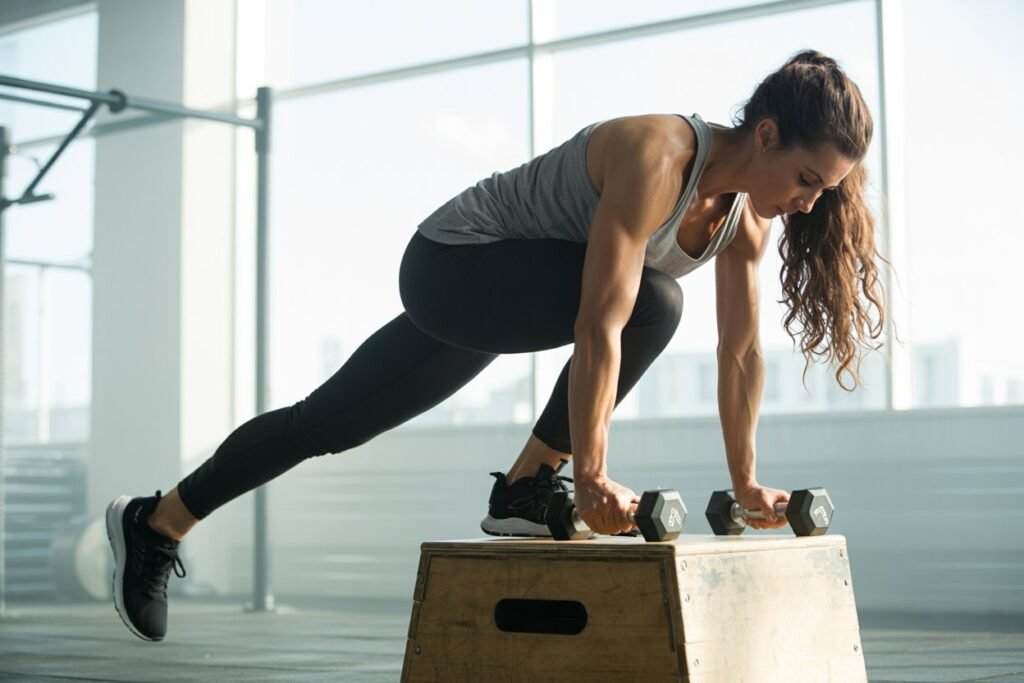
Step-ups are a powerful, functional exercise that targets the glutes, hamstrings, and quads while improving balance, coordination, and lower-body strength.
Unlike some isolation moves, step-ups mimic real-life movements like climbing stairs, hiking, or stepping onto elevated surfaces, making them highly effective for both strength and functional fitness.
By driving through your heel during each step, you can maximize glute activation and sculpt a lifted, toned booty.
This exercise is highly versatile. You can perform step-ups at home using a sturdy chair or bench or in the gym with added resistance such as dumbbells or a weighted vest.
The height of the step can also be adjusted to match your fitness level: lower steps for beginners and higher steps for increased intensity.
Step-ups not only improve glute strength but also engage stabilizing muscles in the hips and core, which enhances overall lower-body stability and prevents injuries.
How to Perform Step-Ups:
- Stand facing a sturdy bench or step, feet hip-width apart.
- Place your right foot firmly on the step and push through your heel to lift your body up, bringing your left foot to meet the right at the top.
- Slowly lower your left foot back to the ground, followed by the right, returning to the starting position.
- Repeat 10–12 reps on each leg for 3 sets. Add dumbbells for increased resistance as you progress.
Benefits for Glute Development:
- Targets Glutes and Hamstrings: Emphasizes hip extension for a lifted, toned booty.
- Functional Strength: Improves performance in daily activities and athletic movements.
- Enhances Balance and Coordination: Engages stabilizing muscles for better posture and stability.
- Versatile and Accessible: Can be performed anywhere with minimal equipment.
Step-ups are an excellent addition to any glute-focused workout because they combine strength, function, and glute activation in one dynamic movement.
Regularly incorporating step-ups will help you build a stronger, more sculpted, and functional lower body while enhancing overall balance and athletic performance.
Frequently Asked Questions (FAQs)
Q1: How often should I train glutes?
2–3 times a week is ideal for building and maintaining glute strength.
Q2: Do I need equipment for glute workouts?
Not necessarily. Bodyweight exercises can be effective. Resistance bands and weights add challenge and faster progress.
Q3: How long does it take to see results?
With consistency and progressive overload, many see noticeable changes in 4–6 weeks.
Q4: Can glute workouts help with back pain?
Yes, strong glutes support your pelvis and spine, which can alleviate lower back strain.
Q5: What’s the difference between hip thrusts and glute bridges?
Both target the glutes, but hip thrusts use a greater range of motion and allow for heavier loading, leading to more growth potential.
Final Thought
Building strong, toned glutes isn’t just about vanity—it’s about function, strength, and overall body health.
The glutes play a crucial role in hip stability, posture, athletic performance, and injury prevention, making them one of the most important muscle groups to train consistently.
Here are some key takeaways to maximize your glute workouts:
- Prioritize Glute Activation: Exercises like glute bridges, donkey kicks, and fire hydrants ensure that your glutes are doing the work, not your hamstrings or lower back. Proper form is more important than heavy weight or high reps.
- Incorporate Variety: Combine compound movements (like Bulgarian split squats, hip thrusts, and step-ups) with isolation exercises (like fire hydrants and donkey kicks) to target all areas of the glutes from multiple angles.
- Progressive Overload is Key: Gradually increase resistance, reps, or sets to continue building strength and size. This ensures your glutes are constantly challenged and growing.
- Consistency Over Perfection: Aim to train your glutes 2–4 times per week. Even short, focused sessions can yield noticeable improvements when performed consistently.
- Mind Your Nutrition and Recovery: Protein-rich meals, proper hydration, and sufficient sleep complement your workouts, aiding in muscle repair and growth. Recovery days are just as important as training days.
- Focus on Functional Strength: Strong glutes improve not only aesthetics but also movement efficiency, balance, and performance in daily life and sports.
By following these principles and incorporating the seven powerful exercises from this guide—glute bridges, hip thrusts,
Bulgarian split squats, donkey kicks, fire hydrants, and step-ups—you can achieve a lifted, sculpted, and strong booty.
Remember, building your glutes is a journey, and consistency, proper form, and progressive challenge are your best allies.
Strong glutes aren’t just for show—they support your body, enhance performance, and boost confidence.
Stick with it, and over time, you’ll notice better posture, improved strength, and a shapelier, stronger lower body.