Breakfast sets the tone for your entire day, yet far too often we settle for options that leave us hungry, sluggish, or craving snacks before lunch.
Imagine starting your morning with something that tastes indulgent but actually fuels your body, supports your fitness goals, and keeps you full for hours.
That’s where protein pancakes come in — the perfect marriage of flavor, nutrition, and convenience.
Protein pancakes take the classic breakfast favorite and elevate it to a nutrient-dense powerhouse. By adding protein powder,
Greek yogurt, or other protein-rich ingredients, these pancakes not only satisfy your taste buds but also help build and repair muscle, stabilize blood sugar, and keep cravings in check.
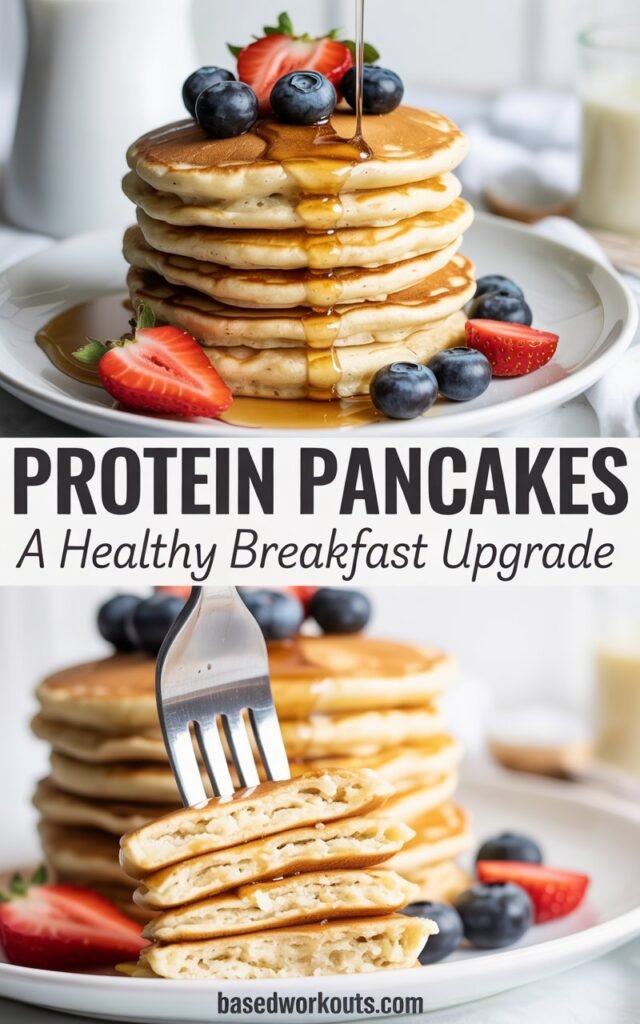
Unlike traditional pancakes loaded with refined flour and sugar, protein pancakes provide a balanced mix of protein, healthy carbs, and sometimes even healthy fats, making them ideal for weight management, energy, and overall wellness.
One of the best things about protein pancakes is their versatility. You can whip up a quick batch with ingredients you already have at home, or get creative with toppings and mix-ins like fresh berries, nuts, nut butter, dark chocolate, or seeds.
Whether you prefer classic whey protein, plant-based vegan protein powders, or even oatmeal and almond flour-based recipes, there’s a version for every diet and preference.
They are quick enough for busy mornings, satisfying enough for post-workout recovery, and decadent enough to feel like a treat — all without derailing your health goals.
Beyond taste and convenience, protein pancakes can be a strategic part of your fitness routine.
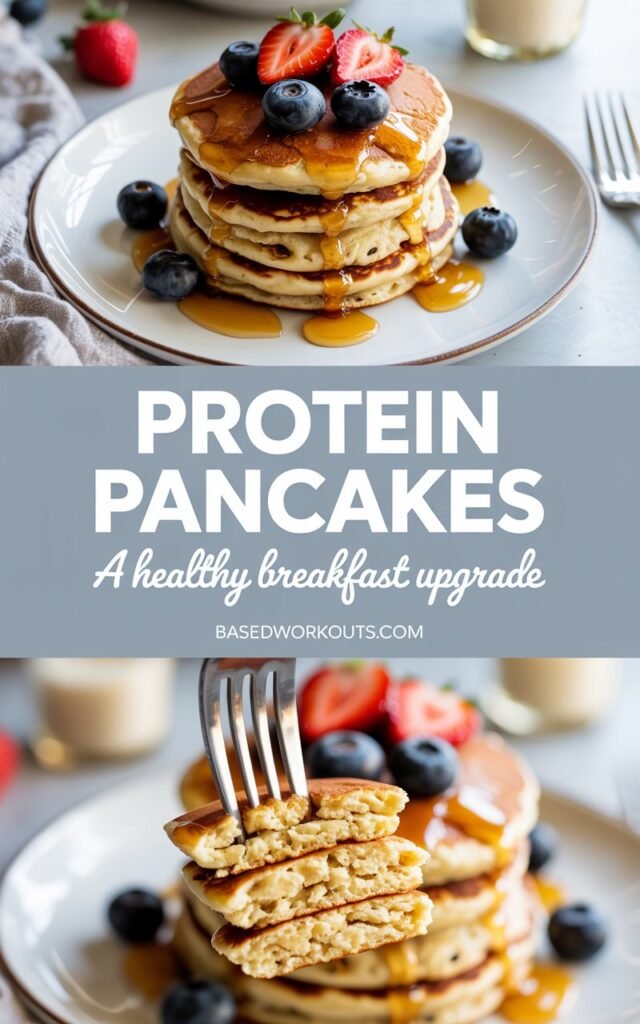
Eating a protein-rich breakfast supports muscle growth, fat loss, and satiety, giving your body the fuel it needs for exercise, focus, and energy throughout the day.
They also help prevent mid-morning crashes that often lead to unhealthy snacking.
In this ultimate guide, we’ll explore everything you need to know about protein pancakes — from the key benefits, to easy recipes for beginners, to advanced variations for fitness enthusiasts, and even tips on making them fluffy, delicious, and perfectly cooked every time.
By the end, you’ll see breakfast in a whole new light — satisfying, energizing, and completely guilt-free, transforming your mornings into a healthy, indulgent ritual that works for your body and your goals.
Amazon Gear for Making Perfect Protein Pancakes I Recommend
Want to Make Fluffy, High-Protein Pancakes That Taste Amazing?
Protein pancakes are an easy, energizing breakfast—high in protein, low in guilt, and incredibly versatile.
With the right tools, you can make smooth batter, perfect flips, and consistent results every time. Below are my top Amazon picks for protein pancake mastery at home.
| Product | Why You’ll Love It | Shop Now |
|---|---|---|
| Non-Stick Griddle or Ceramic Pan | Gives you evenly cooked, golden pancakes without sticking — ideal for low-oil, high-protein batter. | Check Price on Amazon |
| High-Speed Blender | Blend oats, protein powder, eggs, and bananas into a silky-smooth pancake batter in seconds. | View on Amazon |
| Silicone Spatula Set | Perfect for flipping pancakes cleanly without tearing or breaking. | Shop Now |
| Digital Food Scale | Helps you measure protein powder, oats, and ingredients precisely for consistent pancakes. | Buy on Amazon |
| Protein Powder (Whey or Plant-Based) | Adds flavor, creaminess, and the protein boost you need for a filling breakfast. | See Details |
These tools make it easy to whip up fluffy, delicious, protein-packed pancakes that keep you energized, satisfied, and fueled for the day.
1. Why Choose Protein Pancakes?

Protein pancakes aren’t just another trendy breakfast — they’re a smart, practical choice for anyone looking to combine taste, nutrition, and convenience in the most important meal of the day.
Unlike traditional pancakes that rely heavily on refined flour and sugar, protein pancakes are engineered to fuel your body, helping you start your morning with sustained energy, satiety, and the nutrients your muscles need to thrive.
One of the biggest reasons to choose protein pancakes is their muscle-supporting benefits.
By incorporating high-quality protein sources such as whey, casein, or plant-based powders, Greek yogurt, or cottage cheese, these pancakes provide the building blocks your body needs for muscle repair and growth.
This makes them perfect for anyone who works out, is aiming to tone their body, or simply wants to stay strong and healthy.
Protein pancakes also help with weight management. A high-protein breakfast keeps you full longer, reducing mid-morning cravings and the temptation to snack on sugary foods.
This can naturally lower your daily calorie intake, helping you achieve fat loss or maintain a healthy weight without feeling deprived.
Another advantage is versatility. Protein pancakes can be tailored to fit any dietary preference — from vegan and gluten-free to keto or high-carb variations — without sacrificing flavor or texture.
You can mix in fruits, nuts, seeds, or even chocolate chips for a delicious, nutrient-packed breakfast that feels indulgent but works for your goals.
Finally, protein pancakes are quick and convenient, making them ideal for busy mornings. In just 10–15 minutes, you can have a wholesome, satisfying meal ready to fuel your day.
Whether you’re rushing to work, prepping for a workout, or simply craving a healthier comfort breakfast, protein pancakes deliver the perfect balance of nutrition, flavor, and ease.
Choosing protein pancakes isn’t just about eating better — it’s about making your mornings count, supporting your fitness goals, and enjoying a delicious breakfast that actually works for your body.
2. Basic Protein Pancake Recipe
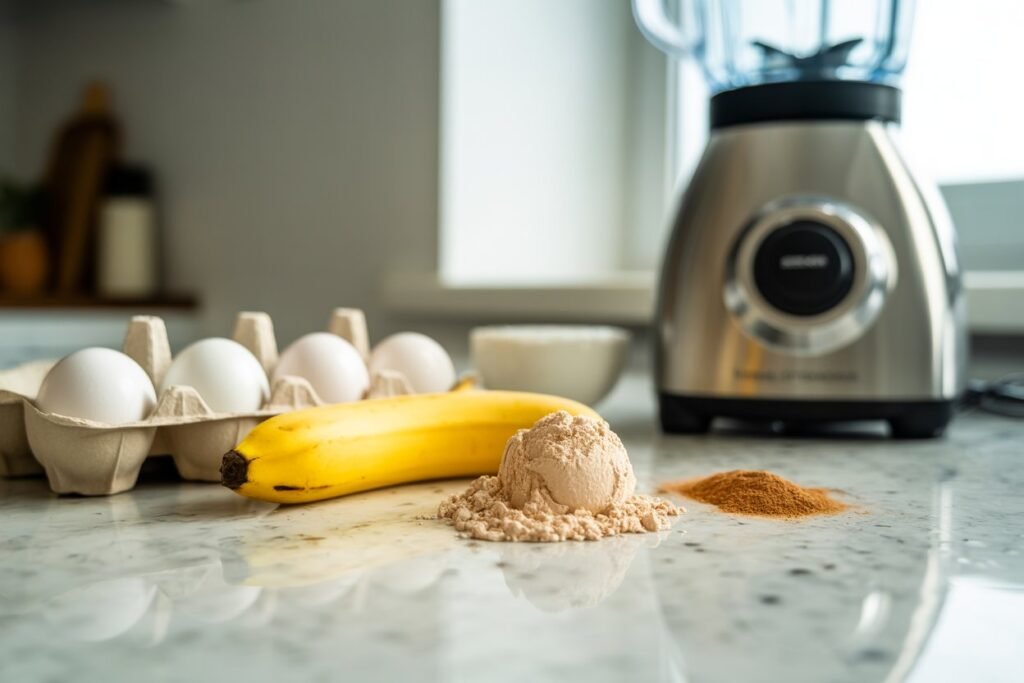
If you’re looking to upgrade your breakfast without sacrificing flavor or convenience, a basic protein pancake recipe is the perfect starting point.
This simple recipe is quick to prepare, uses minimal ingredients, and delivers a fluffy, satisfying pancake packed with protein to fuel your morning.
Ingredients:
- 1 scoop of your favorite protein powder (whey, casein, or plant-based)
- 1/2 cup rolled oats or oat flour
- 1/2 teaspoon baking powder
- 1/4 teaspoon salt
- 2 eggs (or flax eggs for a vegan alternative)
- 1/4 cup milk or plant-based milk
- 1 teaspoon vanilla extract
- Optional: sweetener like honey, maple syrup, or stevia to taste
Instructions:
- Mix Dry Ingredients: In a bowl, combine the protein powder, oats, baking powder, and salt. Stir until evenly mixed.
- Add Wet Ingredients: Add eggs, milk, and vanilla extract. Mix until you form a smooth, thick batter. If the batter is too thick, add a little more milk until it reaches your desired consistency.
- Heat a Pan: Lightly grease a non-stick skillet or frying pan over medium heat.
- Cook Pancakes: Pour small portions of batter onto the pan. Cook each pancake for 2–3 minutes on one side until bubbles form on the surface, then flip and cook another 1–2 minutes until golden brown.
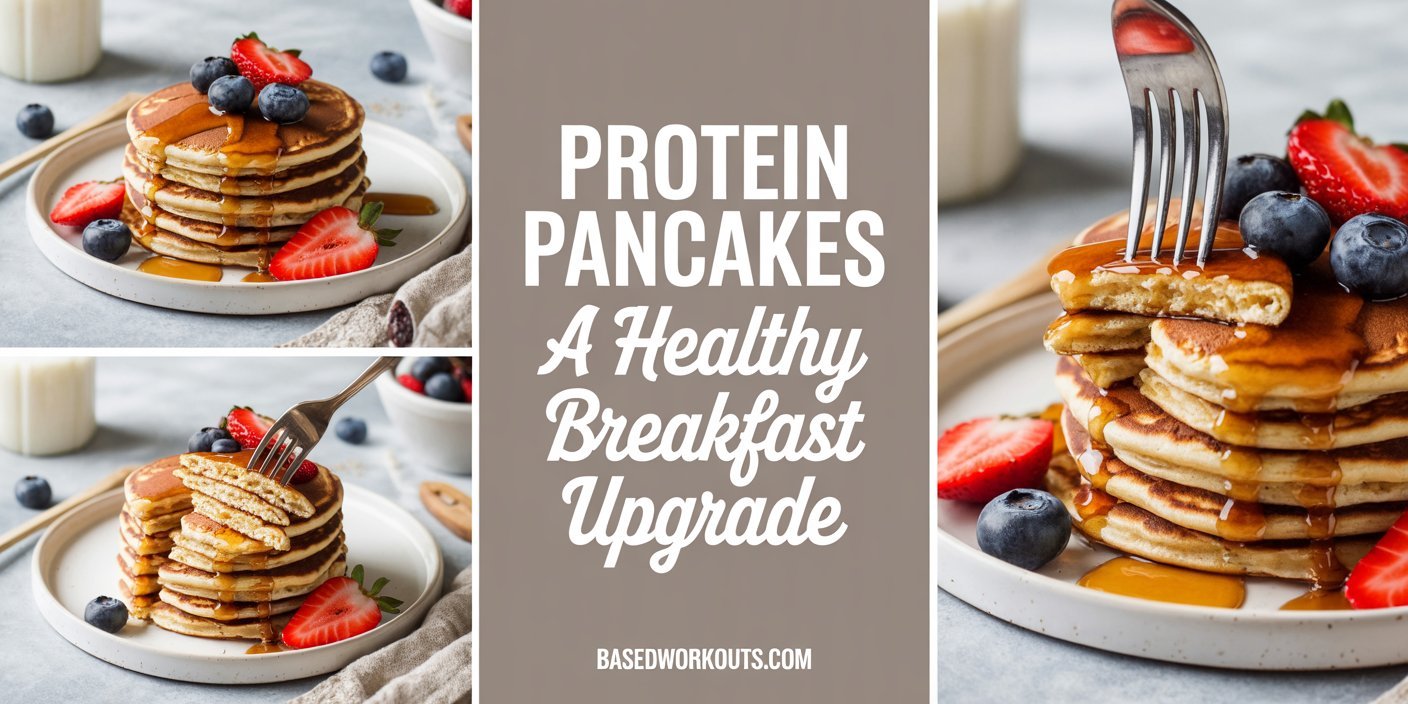
- Serve and Enjoy: Stack your pancakes and top with fresh fruits, nut butter, seeds, or a drizzle of maple syrup for extra flavor and nutrition.
Tips for Perfect Protein Pancakes:
- Don’t overmix the batter; this helps keep the pancakes light and fluffy.
- Preheat your pan fully before adding the batter to prevent sticking.
- Use a spatula to gently lift and flip the pancakes for even cooking.
- Customize with mix-ins like blueberries, chocolate chips, or cinnamon to keep breakfast exciting.
This basic protein pancake recipe is a great foundation for beginners and can be adapted to suit any dietary needs or flavor preferences.
With just a few ingredients and 10–15 minutes, you can enjoy a delicious, protein-packed breakfast that supports your fitness goals, keeps you full, and starts your day on the right note.
3. Best Protein Powders to Use
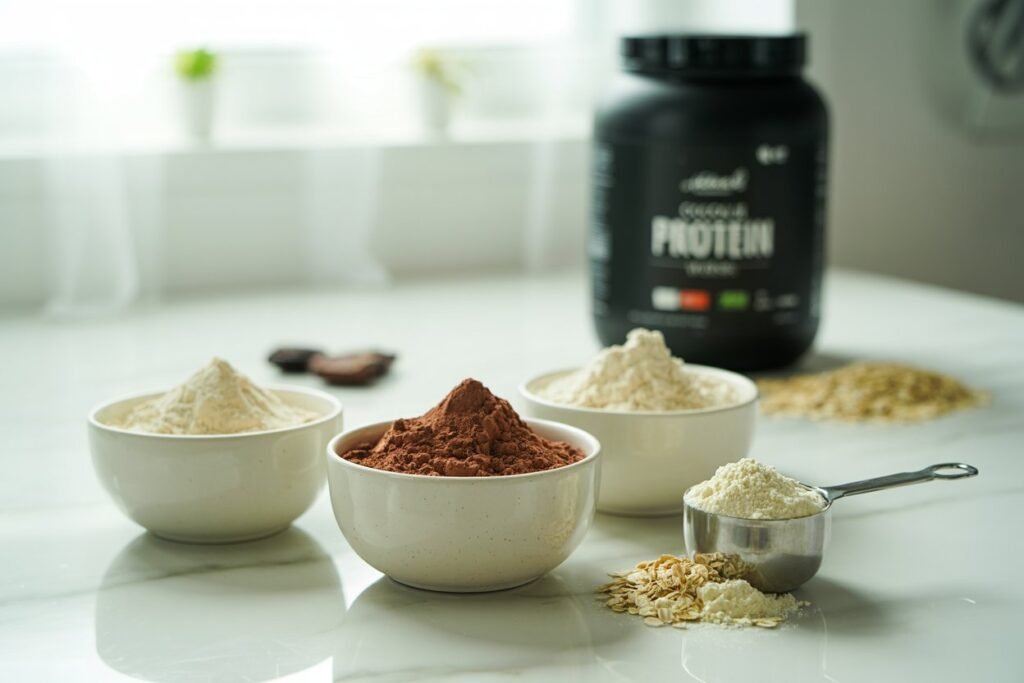
The type of protein powder you choose can make a big difference in both the taste and nutritional profile of your protein pancakes.
With so many options on the market — whey, plant-based, casein, and blends — selecting the right one depends on your dietary preferences, fitness goals, and flavor preferences.
Here’s a guide to the best protein powders for pancakes and how they can elevate your breakfast:
1. Whey Protein
Whey protein is one of the most popular options due to its high biological value, meaning your body absorbs it efficiently. It’s ideal for muscle building and recovery after workouts.
Whey protein powders come in various flavors like vanilla, chocolate, and strawberry, which makes them perfect for adding extra taste to pancakes without artificial sweeteners.
Best for: Muscle growth, quick absorption, classic flavors.
2. Casein Protein
Casein is a slower-digesting protein, making it excellent for satiety and sustained energy.
Adding casein to pancakes keeps you fuller for longer, which is helpful if you’re aiming to manage hunger throughout the morning.
The texture of casein also makes pancakes extra fluffy and creamy.
Best for: Longer-lasting fullness, thick and creamy pancakes, slower digestion.
3. Plant-Based Protein
Plant-based powders — made from peas, rice, hemp, or soy — are perfect for vegans, vegetarians, or anyone with dairy intolerance.
While they may have a slightly grainier texture, combining multiple plant proteins can create a complete amino acid profile.
They also work well for pancakes when mixed with oats, bananas, or nut butters to improve flavor and consistency.
Best for: Vegan diets, dairy-free options, allergy-friendly pancakes.
4. Blended Protein Powders
Some powders combine whey, casein, or plant-based proteins to offer the best of both worlds — fast and slow-digesting proteins, balanced amino acids, and versatile flavor options.
Blended powders are great for pancakes because they maintain fluffiness while providing lasting energy and muscle support.
Best for: Balanced nutrient profile, versatile recipes, enhanced texture.
Tips for Choosing Protein Powder for Pancakes:
- Check for added sugar: Some flavored powders can be sweetened heavily; consider unsweetened or lightly sweetened options if you want to control sugar intake.
- Consider protein content: Aim for at least 20 grams of protein per serving for a hearty, satisfying breakfast.
- Match flavors to toppings: Vanilla, chocolate, or cinnamon-flavored powders complement fruits, nut butter, and syrups perfectly.
- Experiment for texture: Some powders absorb more liquid than others; adjust batter consistency as needed to keep pancakes fluffy.
Using the right protein powder not only enhances the nutritional value of your pancakes but also improves taste, texture, and overall breakfast experience.
Whether you want maximum muscle support, sustained energy, or a vegan-friendly option, there’s a protein powder that fits your goals and makes every bite delicious.
4. Topping Ideas That Keep It Healthy
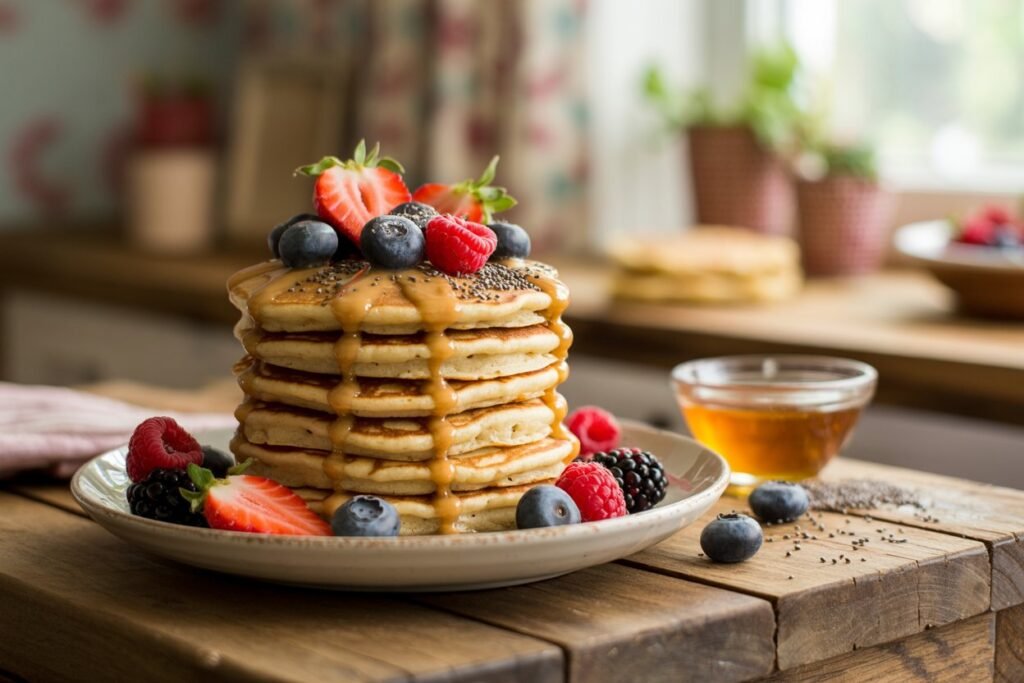
One of the best things about protein pancakes is their versatility.
While traditional pancakes often rely on butter and syrup, protein pancakes can be topped with a variety of healthy, nutrient-dense options that enhance flavor, texture, and nutritional value without derailing your fitness goals.
Here are some smart ideas to keep your pancakes delicious and wholesome:
1. Fresh Fruits
Adding fresh fruits like berries, banana slices, or kiwi provides natural sweetness, fiber, vitamins, and antioxidants.
Berries, in particular, are low in sugar but high in antioxidants, making them perfect for a health-conscious breakfast.
2. Nut Butters
Spread a thin layer of almond butter, peanut butter, or cashew butter for a creamy, protein-packed topping.
Nut butters add healthy fats that keep you full longer and complement the flavor of pancakes beautifully.
3. Greek Yogurt
A dollop of Greek yogurt adds creaminess, tang, and extra protein. Opt for plain, unsweetened yogurt to avoid added sugars, and mix in a touch of honey or cinnamon for natural sweetness.
4. Seeds and Nuts
Sprinkle chia seeds, flaxseeds, pumpkin seeds, or crushed walnuts on top for added crunch, omega-3 fatty acids, and fiber. These tiny additions can significantly boost the nutritional profile of your breakfast.
5. Natural Sweeteners
Instead of syrup or sugar-laden toppings, use a drizzle of honey, pure maple syrup, or mashed bananas. These provide gentle sweetness while maintaining a healthier breakfast option.
6. Dark Chocolate or Cocoa Nibs
For a little indulgence, sprinkle a few dark chocolate chips or cocoa nibs. They satisfy sweet cravings without excessive sugar and add antioxidants to your meal.
7. Spices and Flavor Boosters
Cinnamon, nutmeg, or a splash of vanilla extract can enhance flavor without adding calories. You can even add a touch of coconut flakes or unsweetened cocoa powder for variety.
Tips for Healthy Toppings:
- Portion control matters: Even healthy toppings can add calories, so keep an eye on quantities.
- Mix textures: Combining creamy, crunchy, and fresh toppings makes every bite more satisfying.
- Balance macros: Pair fruit (carbs) with nut butter or Greek yogurt (protein and fats) for a balanced breakfast.
By choosing nutritious toppings, you can turn your protein pancakes into a well-rounded, satisfying breakfast that supports muscle growth, fat loss, and sustained energy throughout the morning — all while keeping the flavors exciting and indulgent.
5. Vegan Protein Pancake Variations
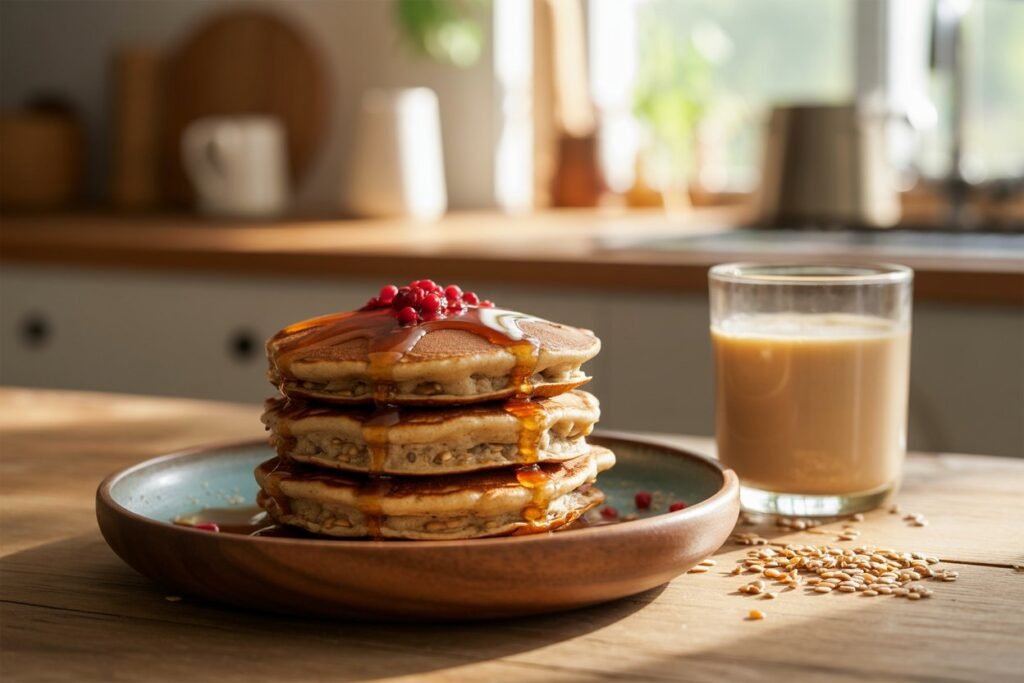
For those following a plant-based lifestyle, protein pancakes don’t have to be off the menu.
Vegan protein pancakes are just as delicious, satisfying, and nutritionally rich as their traditional counterparts, and they can be customized to fit fitness goals, taste preferences, and dietary needs. Here are some of the best vegan variations to try:
1. Oat and Pea Protein Pancakes
Made with oat flour and pea protein powder, these pancakes are rich in fiber and protein.
Oats provide slow-digesting carbs for sustained energy, while pea protein supports muscle repair and fullness. Add almond milk, a touch of maple syrup, and cinnamon for flavor.
2. Banana and Hemp Protein Pancakes
Ripe bananas add natural sweetness and moisture, while hemp protein boosts protein content and provides omega-3 fatty acids.
These pancakes are soft, flavorful, and perfect for a post-workout breakfast or snack.
3. Chickpea Flour Protein Pancakes
Chickpea flour (also called gram flour) is high in protein and fiber, making it ideal for vegan pancakes.
Mix with plant-based milk, a bit of baking powder, and your favorite spices for a savory or sweet version.
Chickpea pancakes are filling and have a slightly nutty taste that pairs well with fruits or nut butter.
4. Tofu-Based Protein Pancakes
Silken tofu can be blended into pancake batter for extra protein and creaminess. Tofu is neutral in flavor, so it takes on the taste of added spices, cocoa, or fruit.
This variation creates light, fluffy pancakes without eggs or dairy.
5. Vegan Chocolate Protein Pancakes
Combine cacao powder with a plant-based protein powder like rice or soy protein for a rich, chocolatey breakfast.
Add mashed bananas or applesauce for moisture, and top with berries or nut butter for a decadent yet healthy treat.
Tips for Vegan Protein Pancakes:
- Binding ingredients: Use flax eggs (1 tbsp flaxseed + 3 tbsp water) or chia eggs to replace eggs.
- Milk alternatives: Almond, oat, soy, or coconut milk all work well in vegan recipes.
- Flavor boosters: Vanilla, cinnamon, nutmeg, or cocoa powder can enhance taste without added sugar.
- Texture adjustments: If the batter is too thick, add a little more plant-based milk; if too runny, add a spoonful of flour or oats.
Vegan protein pancakes are perfect for anyone looking to enjoy a nutrient-rich, plant-based breakfast.
They provide the protein needed to support muscle growth, satiety, and energy, while remaining versatile enough to cater to your flavor preferences and dietary requirements.
With these variations, you don’t have to compromise on taste or nutrition — every pancake can be a delicious step toward a healthier lifestyle.
6. Make-Ahead and Freezer Tips
One of the biggest challenges with healthy breakfasts is finding the time to prepare them in the morning.
Protein pancakes solve this problem beautifully, especially when you use make-ahead and freezer-friendly strategies.
With a little planning, you can enjoy a quick, nutritious breakfast any day of the week without spending extra time in the kitchen.
1. Batch Cooking
Cook a large batch of protein pancakes on the weekend or whenever you have extra time.
Once cooled, you can store them in an airtight container in the fridge for up to 4–5 days. In the morning, simply reheat in a skillet or microwave for 30–60 seconds for a fresh, hot breakfast.
2. Freezing Pancakes
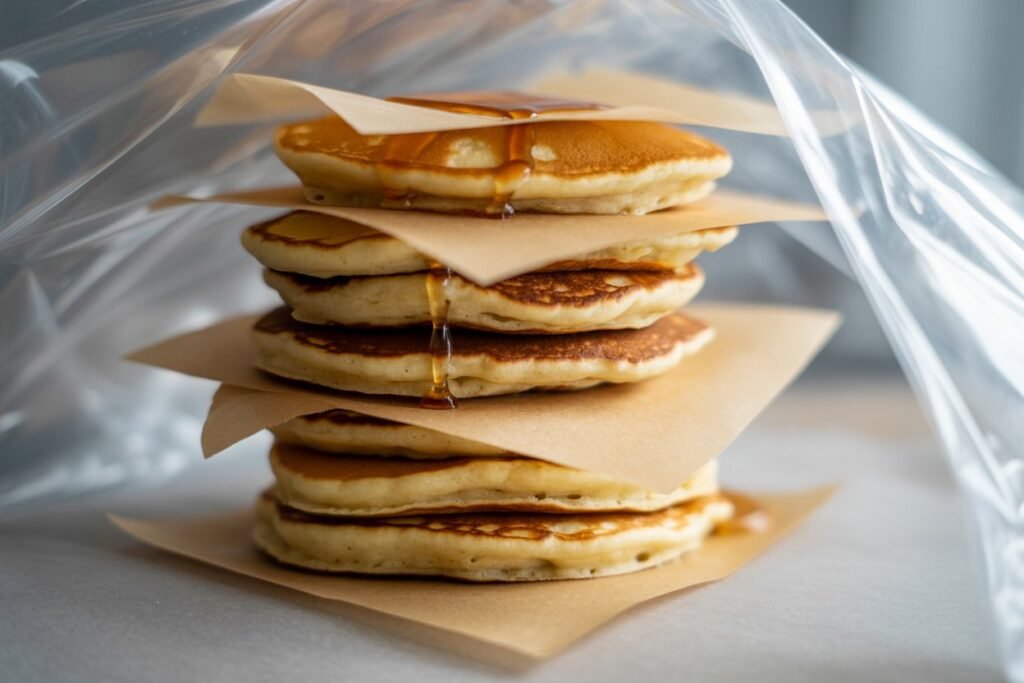
Protein pancakes freeze exceptionally well. After cooking, allow them to cool completely, then layer them with parchment paper in a freezer-safe bag or container to prevent sticking. They can be frozen for up to 2–3 months.
3. Reheating Frozen Pancakes
To enjoy frozen pancakes, remove the desired number from the freezer and reheat:
- Microwave: 30–60 seconds per pancake until warm.
- Toaster or Toaster Oven: Toast directly from frozen for a crispy outside.
- Skillet: Reheat on medium heat for 1–2 minutes per side.
4. Freezer-Friendly Storage Tips
- Place parchment paper between pancakes to avoid sticking.
- Label your freezer bag with the date for easy rotation.
- Freeze single portions if you want a grab-and-go breakfast.
5. Make-Ahead Batter Option
If you prefer fresh pancakes in the morning, you can also prepare the batter ahead of time.
Store it in an airtight container in the fridge for up to 2 days. Stir well before cooking, as the batter may thicken slightly overnight.
6. Topping Storage
Prepare healthy toppings ahead as well:
- Wash and slice fruits like berries or bananas and store in airtight containers.
- Portion out nut butter or seeds for easy grab-and-top convenience.
- Make small jars of flavored yogurt or chia pudding to pair with pancakes.
With these make-ahead and freezer tips, you can turn protein pancakes into a convenient, time-saving breakfast without sacrificing taste or nutrition.
Whether you’re fueling a busy morning, a post-workout meal, or a family breakfast, having pancakes ready to go ensures you never skip a healthy start to your day.
7. Common Mistakes to Avoid
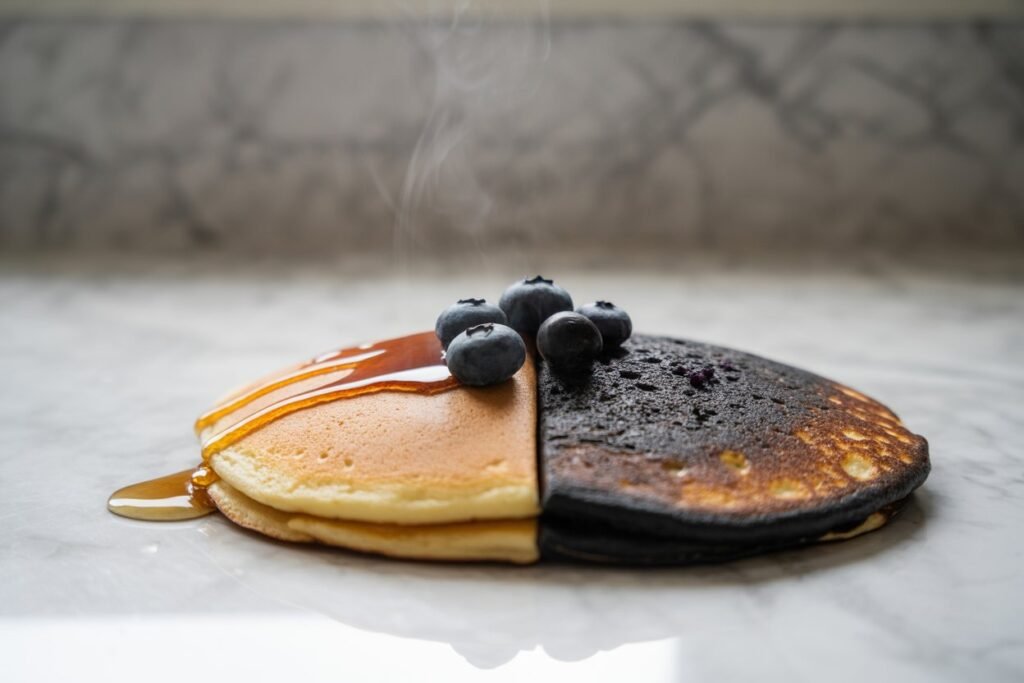
Protein pancakes are an excellent way to enjoy a nutritious, satisfying breakfast, but even the healthiest pancakes can lose their effectiveness if certain mistakes are made.
Avoiding these common pitfalls ensures you get the maximum benefit for muscle gain, fat loss, and overall health.
1. Using Too Much Protein Powder
While it might seem logical to load up on protein, too much protein powder can make pancakes dry, dense, and chalky.
Stick to the recommended serving (usually 1 scoop) and balance it with wet ingredients like eggs, milk, or mashed banana for optimal texture.
2. Skipping Healthy Fats
Fats aren’t the enemy — they are crucial for satiety and nutrient absorption.
Skipping healthy fats like nut butter, seeds, or a small amount of coconut oil can leave pancakes bland and less satisfying.
Include a modest amount to keep your breakfast balanced.
3. Overcooking or Undercooking
Overcooked pancakes become tough and dry, while undercooked ones are mushy and unappetizing.
Cook on medium heat, wait until bubbles appear on the surface, then flip carefully. Each side usually takes 2–3 minutes, but adjust based on your stove and pan.
4. Relying on Syrup for Flavor
Traditional pancake syrup is high in sugar and calories, which can undo the benefits of a protein-packed breakfast.
Instead, use fresh fruits, nut butter, or a drizzle of pure maple syrup in moderation. This adds flavor and nutrients without unnecessary sugar spikes.
5. Ignoring Macronutrient Balance
Protein pancakes are great, but relying solely on them without fiber or healthy carbs can leave you hungry later.
Add oats, whole-grain flour, or fruits to your batter for a more balanced meal that fuels your energy and keeps you full.
6. Using Low-Quality Protein Powder
Not all protein powders are created equal. Some have artificial sweeteners, fillers, or low bioavailability.
Choose a high-quality protein powder that fits your dietary goals, whether it’s whey, casein, or plant-based.
7. Not Adjusting for Dietary Needs
Everyone’s nutrition needs are different. If you’re vegan, gluten-free, or lactose-intolerant, make sure to substitute ingredients properly.
Flax or chia eggs can replace eggs, plant-based milk can replace dairy milk, and oat or almond flour can replace wheat flour.
8. Forgetting Portion Control
Even healthy protein pancakes can add up in calories if portions are too large. Stick to 2–3 pancakes per serving, paired with protein-rich toppings, to maintain a balanced meal without overeating.
By avoiding these common mistakes, you can ensure that your protein pancakes are delicious, nutritious, and supportive of your fitness and health goals.
Proper preparation, ingredient choices, and portion control make all the difference in turning a simple breakfast into a powerful, muscle-fueling meal.
Final Thought
Protein pancakes are more than just a trendy breakfast option — they’re a delicious, nutrient-packed meal that can support your fitness goals, fuel your mornings, and keep you satisfied until your next meal.
With the right ingredients, protein powders, and toppings, these pancakes provide a perfect balance of protein, healthy carbs, and fats, making them ideal for muscle growth, weight management, or simply a wholesome start to your day.
The beauty of protein pancakes lies in their versatility. Whether you prefer classic whey protein, vegan variations, or creative flavor combinations with fruits, nuts, or cocoa, there’s a recipe for everyone.
They are quick to prepare, easy to customize, and can even be made ahead or frozen for convenient breakfasts during busy mornings.
By avoiding common mistakes like overloading on protein powder, overcooking, or relying on sugary syrups, you can ensure every pancake is both delicious and effective.
Combined with proper portion control and balanced toppings, protein pancakes can become a staple in your healthy lifestyle.
In the end, protein pancakes prove that healthy eating doesn’t have to be boring or time-consuming.
They transform breakfast into a fun, satisfying, and strategic meal that supports energy, satiety, and overall wellness — making it easier to stay consistent with your nutrition and fitness goals.
With protein pancakes in your breakfast rotation, you’re not just enjoying a tasty meal — you’re fueling your body, supporting your goals, and starting every day on a strong, energized note.
Frequently Asked Questions (FAQs)
1. Are protein pancakes good for weight loss?
Yes. Protein pancakes are high in protein and fiber, which help you feel fuller for longer, reduce cravings, and support fat loss when paired with a balanced diet and regular exercise.
2. Can I make protein pancakes vegan?
Absolutely. Use plant-based protein powders, flax or chia eggs, and plant-based milk to create delicious vegan pancakes without compromising protein content.
3. How many protein pancakes should I eat in one serving?
A typical serving is 2–3 medium pancakes. Pair them with protein-rich toppings like Greek yogurt or nut butter to balance your macros and fuel your morning.
4. Can protein pancakes replace a post-workout meal?
Yes, especially if made with a good protein powder. Adding fruits or oats can supply carbohydrates for muscle recovery and energy replenishment after exercise.
5. Can I freeze protein pancakes?
Yes. Cooked pancakes can be stored in the freezer for up to 2–3 months. Reheat them in a toaster, skillet, or microwave for a quick, ready-to-eat breakfast.
6. Do protein pancakes taste different from regular pancakes?
When made with high-quality protein powder and the right ingredients, they can taste just as good as traditional pancakes — fluffy, flavorful, and satisfying — especially with healthy toppings.
7. How can I make my protein pancakes fluffier?
Use baking powder, let the batter rest for a few minutes, and avoid overmixing. Cooking on medium heat ensures they rise evenly without burning.
8. Are protein pancakes suitable for children?
Yes. They can be a healthy, protein-packed breakfast for kids, but consider reducing added sweeteners and adjusting portion sizes according to age and appetite.
9. Can I make protein pancakes without protein powder?
Yes. You can use Greek yogurt, cottage cheese, oats, or chickpea flour as natural protein sources. They won’t be as high in protein as powders but will still be nutritious.
10. How often should I eat protein pancakes?
They can be eaten as often as you like, but it’s best to vary your breakfast choices to ensure a wide range of nutrients throughout the week.