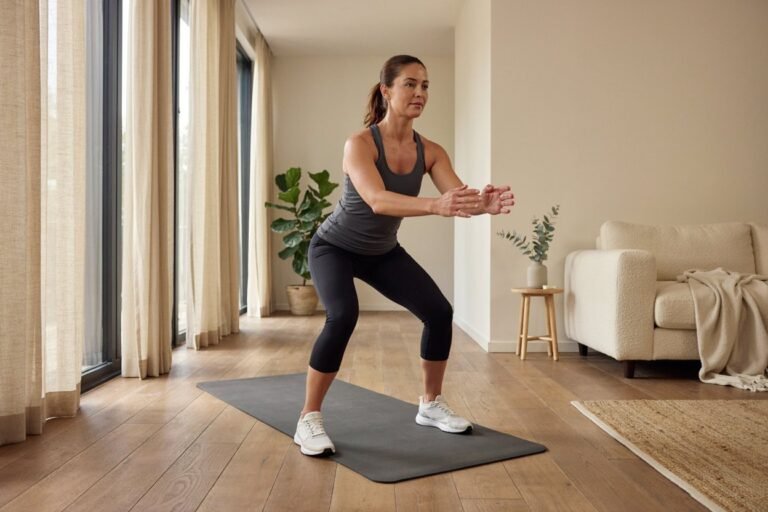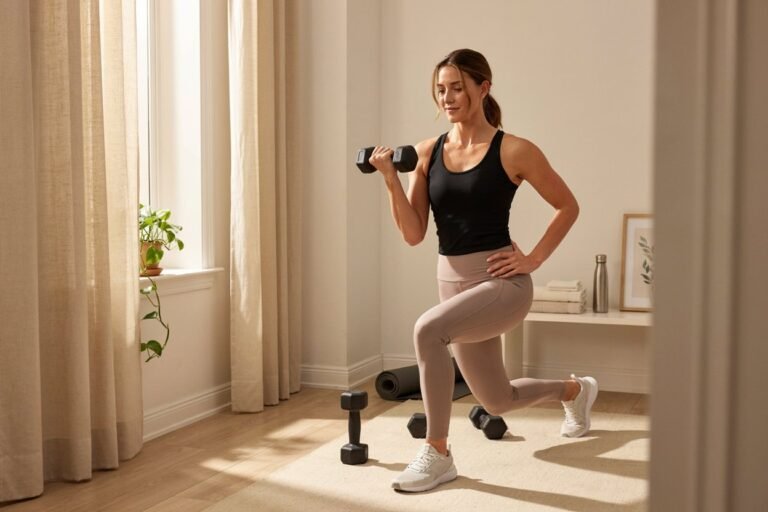
Finding the right workout program can feel like navigating a maze.
With endless options online — from high-intensity interval training (HIIT) to strength training, yoga, Pilates, functional training, and specialized routines — it’s easy to feel overwhelmed and unsure where to start.
The truth is, there’s no one-size-fits-all plan.
Choosing the best workout program isn’t just about what’s trendy or popular; it’s about understanding your personal goals, current fitness level, lifestyle, and what you actually enjoy doing.
Before diving into a routine, it’s crucial to define your fitness objectives. Are you aiming to lose fat, build lean muscle, increase endurance, or simply feel stronger and healthier?
Your goal shapes not only the type of exercises you do but also the frequency, intensity, and structure of your workouts.
For example, someone focused on fat loss may benefit from a combination of cardio, full-body circuits, and HIIT, while a program centered on muscle growth will prioritize strength training, progressive overload, and adequate recovery.
Another essential factor is where you’re starting from.
Beginners need approachable, safe routines that build a foundation, while intermediate and advanced fitness enthusiasts can handle more challenging programs with heavier weights, complex movements, or longer sessions.

Understanding your current abilities ensures your workouts are effective, safe, and sustainable — helping you avoid injuries and stay motivated.
Consistency and enjoyment are equally important. A program that fits your schedule, aligns with your preferences, and keeps you engaged is far more effective than a perfect plan you dread following.
Whether you prefer home workouts, gym sessions, group classes, or outdoor training, the best routine is the one you can stick with week after week.
Finally, the most effective programs include variety and progression.
Rotating exercises, gradually increasing intensity, and incorporating flexibility or mobility work prevents plateaus, reduces injury risk, and keeps your body adapting.
This strategic approach ensures continuous improvement while making your fitness journey more enjoyable.
In this guide, we’ll walk you through how to select the ideal workout program for your goals, explore different training types, and provide actionable tips to create a routine that’s effective, sustainable, and even fun.
By the end, you’ll know how to pick a program that not only meets your fitness objectives but also keeps you motivated, consistent, and excited to move every day.
1. What Is a Workout Program and Why Do You Need One?

A workout program is more than just a list of exercises; it’s a structured plan designed to help you achieve specific fitness goals.
Think of it as a roadmap for your body — a step-by-step guide that outlines what exercises to do, how often, how intense they should be, and how to progress over time.
Without a proper program, workouts can become haphazard, ineffective, or even counterproductive, leaving you frustrated and far from your goals.
The main purpose of a workout program is to provide structure, consistency, and focus.
Instead of guessing what to do at the gym or at home, a program ensures every session contributes toward a larger objective, whether that’s losing fat, building muscle, improving endurance, or enhancing overall health.
It also helps you avoid common pitfalls like overtraining certain muscle groups, neglecting others, or getting stuck in plateaus.
A well-designed workout program considers multiple factors: your current fitness level, schedule, available equipment, and personal preferences.
It balances exercise types, including strength, cardio, flexibility, and mobility, to create a comprehensive routine that strengthens your body in a safe and effective way.
Following a structured program also promotes progress tracking and accountability.
By having measurable benchmarks — like increasing weight lifted, number of reps, or running distance — you can see tangible improvements over time.
This not only keeps motivation high but also ensures your workouts evolve as your body adapts.
In short, a workout program is your blueprint for success. It transforms random exercise sessions into a purposeful routine, making it easier to stay consistent, maximize results, and enjoy the process.
Whether you’re a beginner stepping into the fitness world or an experienced athlete looking to fine-tune your training, a solid program is the foundation of any effective fitness journey.
2. Strength Training Programs for Muscle Growth

If your goal is to build muscle, increase strength, and sculpt your body, strength training is the cornerstone of any effective fitness program.
Strength training programs are designed to progressively overload your muscles through resistance exercises, prompting muscle fibers to adapt, grow, and become stronger.
Unlike random workouts or casual lifting, a structured program ensures every set, rep, and exercise serves a specific purpose in your muscle-building journey.
A typical strength training program focuses on major compound movements like squats, deadlifts, bench presses, and rows, which engage multiple muscle groups simultaneously.
These exercises maximize efficiency, burn more calories, and trigger significant muscle growth and metabolic adaptation.
Accessory exercises like bicep curls, tricep extensions, or lateral raises target smaller muscles to enhance definition and balance.
Key components of an effective strength program include:
- Progressive overload: Gradually increasing weights, reps, or sets to continually challenge muscles.
- Training frequency: Working each muscle group 2–3 times per week for optimal growth.
- Rest and recovery: Giving muscles time to repair and grow between sessions.
- Variety: Incorporating different exercises, angles, and equipment to prevent plateaus.
Strength training programs can be tailored for beginners, intermediates, or advanced lifters. Beginners might start with full-body workouts 2–3 times a week, using lighter weights to learn proper form.
Intermediate lifters can split routines into upper-lower or push-pull-legs splits, while advanced athletes often use specialized programs targeting specific muscle groups for maximum hypertrophy.
The benefits of following a structured strength training program extend beyond muscle growth.
It improves bone density, joint health, posture, and metabolic rate, making it a key component of overall fitness and longevity.
Consistency and proper form are critical — a well-structured program minimizes the risk of injury while maximizing results.
In summary, strength training programs are your blueprint for building muscle, strength, and a lean, powerful physique.
With the right plan, dedication, and progression, you’ll see measurable improvements, enjoy a stronger body, and feel more confident both inside and outside the gym.
3. Weight Loss Workout Programs

Fat-burning routines combine cardio and strength:
- HIIT (High-Intensity Interval Training)
- Circuit Training
- Tabata Workouts
- Walking or Running Plans for Beginners
They’re designed to increase heart rate and burn calories efficiently.
4. Beginner Workout Programs at Home
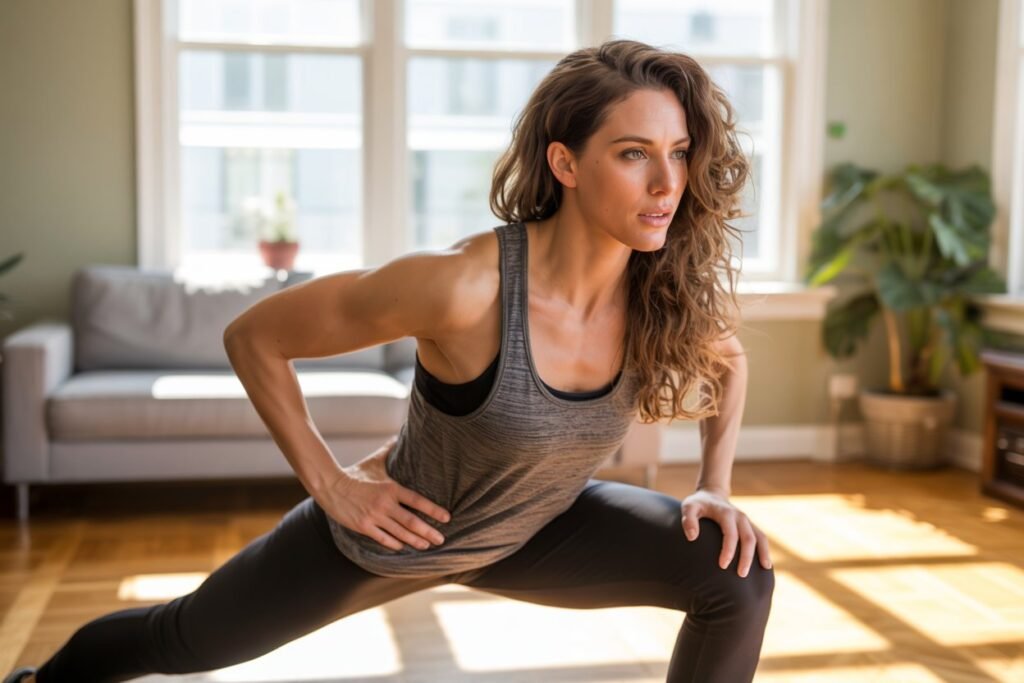
Starting at home? No gym needed. Try:
- Bodyweight circuits (squats, push-ups, lunges)
- Resistance band workouts
- Low-impact cardio (marching, step-ups)
- Online follow-along videos for structure
These are perfect for new exercisers or busy schedules.
5. Flexibility and Mobility Programs
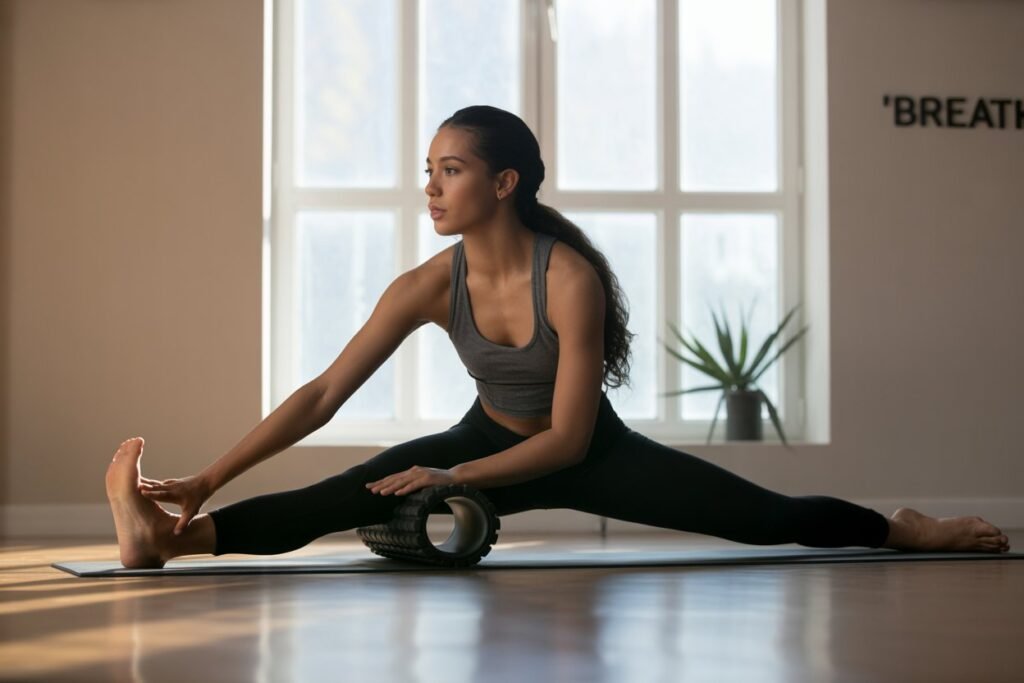
Flexibility training improves joint range of motion and reduces injury risk. Programs include:
- Yoga (Hatha, Vinyasa)
- Dynamic stretching routines
- Pilates
- Mobility drills (hips, shoulders, spine)
These sessions complement strength or cardio routines.
6. How to Stay Consistent with Your Workout Routine

- Set clear, achievable goals
- Track your workouts (journals, apps)
- Schedule them like appointments
- Celebrate small wins and progress
Consistency beats intensity when building lifelong habits.
7. How to Customize a Program for Your Lifestyle
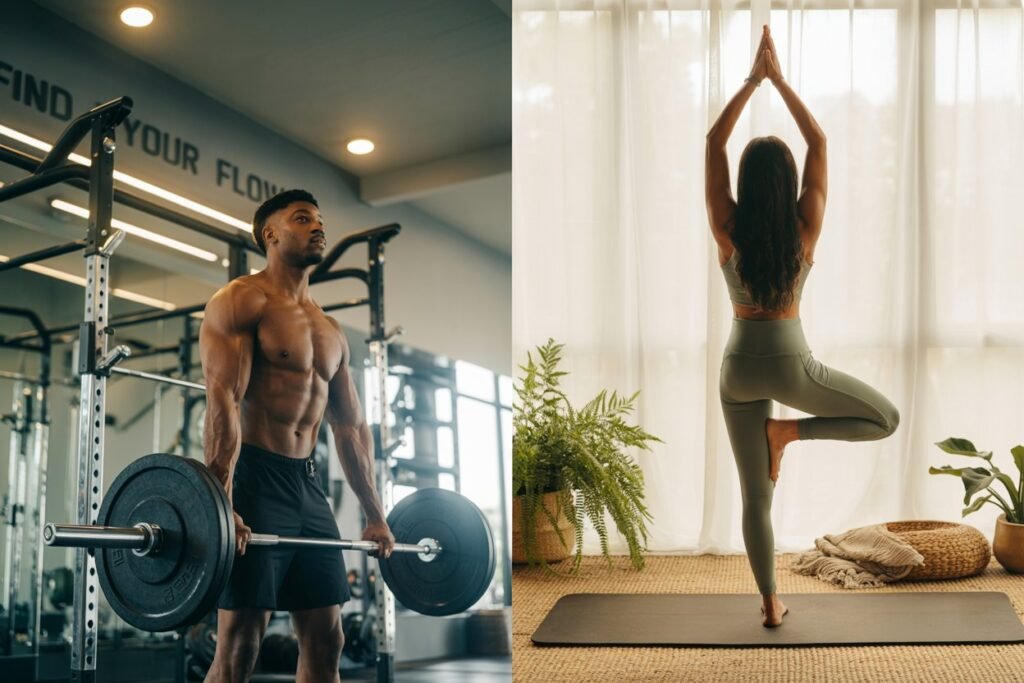
Tailor your plan to fit your day:
- Morning vs. evening workouts
- Gym vs. home environment
- 3–5 days per week based on availability
- Adjust intensity based on energy and recovery
Personalization increases adherence and results.
Frequently Asked Questions (FAQs)
1. How do I choose the right workout program for my goals?
Start by clearly defining your goal: fat loss, muscle gain, endurance, or overall health.
Then select a program that matches your fitness level, schedule, and preferences.
A program you enjoy and can consistently follow will always be more effective than one you dread.
2. How often should I work out each week?
It depends on your goal and experience.
Beginners can start with 3–4 days per week, intermediates with 4–5 days, and advanced athletes may train 5–6 days, combining strength, cardio, and recovery sessions.
3. Do I need a gym membership to see results?
Not necessarily. Home workouts with bodyweight exercises, resistance bands, or dumbbells can be highly effective.
However, access to a gym allows more equipment variety and heavier weights, which can accelerate muscle growth and strength gains.
4. Can I combine strength training and cardio in the same program?
Yes, and it’s often beneficial.
Strength training builds muscle, while cardio improves endurance and burns calories.
Many programs use HIIT or circuit training to combine both for fat loss and conditioning.
5. How long before I see results from a workout program?
Results vary based on factors like consistency, diet, sleep, and intensity.
Generally, you may start noticing improved strength and energy within 4–6 weeks, while visible changes in muscle tone or fat loss may take 8–12 weeks.
6. What’s the difference between a beginner and advanced program?
Beginner programs focus on learning proper form, building a foundation, and creating consistency, often with simpler exercises and lighter weights.
Advanced programs include higher intensity, complex movements, splits, and progressive overload to challenge your body and avoid plateaus.
7. How important is rest and recovery?
Rest is crucial. Muscles grow and repair during recovery, not during the workout itself.
Most programs include 1–2 rest or active recovery days per week, depending on intensity and experience.
8. Can I switch programs if I get bored?
Yes. Switching programs can prevent boredom and help overcome plateaus. Just ensure the new program still aligns with your fitness goals and ability level.
9. Should I track my progress?
Absolutely. Tracking exercises, sets, reps, and weights helps monitor progress, adjust intensity, and stay motivated. Photos, measurements, and performance metrics can also track visual and strength improvements.
10. Are workout programs suitable for all ages?
Yes, but modifications may be necessary. Older adults or those with medical conditions should consult a professional, start with lower intensity, and focus on strength, mobility, and balance.

Final Thought:
Selecting the right workout program is one of the most important decisions you can make on your fitness journey.
A well-structured program provides direction, consistency, and measurable progress, helping you stay motivated while working toward your goals.
Whether your focus is fat loss, muscle gain, endurance, or overall health, the key is to find a routine that aligns with your fitness level, schedule, and personal preferences.
The best workout programs are not only effective but also sustainable and enjoyable.
They combine strength training, cardio, flexibility, and recovery in a balanced way, ensuring your body continues to adapt and improve without risking injury or burnout.
By following a program that challenges you while fitting your lifestyle, you’ll maximize results and make fitness a habit rather than a chore.
Remember, there’s no “perfect” program — what matters most is consistency, progression, and enjoying the process.
Track your progress, adjust as needed, and don’t be afraid to experiment with different routines until you find what works best for you.
With the right approach, a thoughtfully chosen workout program can transform your body, improve your health, and give you the confidence to achieve your fitness goals.
Consistency, commitment, and smart choices are your ultimate tools.
Stick with it, trust the process, and celebrate every step forward — because every workout, no matter how small, is progress toward a stronger, healthier, and more confident you.