When I first started paying attention to my carbs, I realized something quickly: snacking can make or break your progress.
It’s not the main meals that cause issues most of the time — it’s the little bites we reach for in between.
And if you’re anything like me, those moments of quick hunger always seem to hit at the most inconvenient times. That’s exactly why no-carb snacks became such a lifesaver in my routine.
What surprised me the most is how simple no-carb snacking can be once you know what to reach for.
You don’t need complicated recipes or expensive specialty foods. In fact, some of the best no-carb snacks are everyday items sitting in your fridge right now.
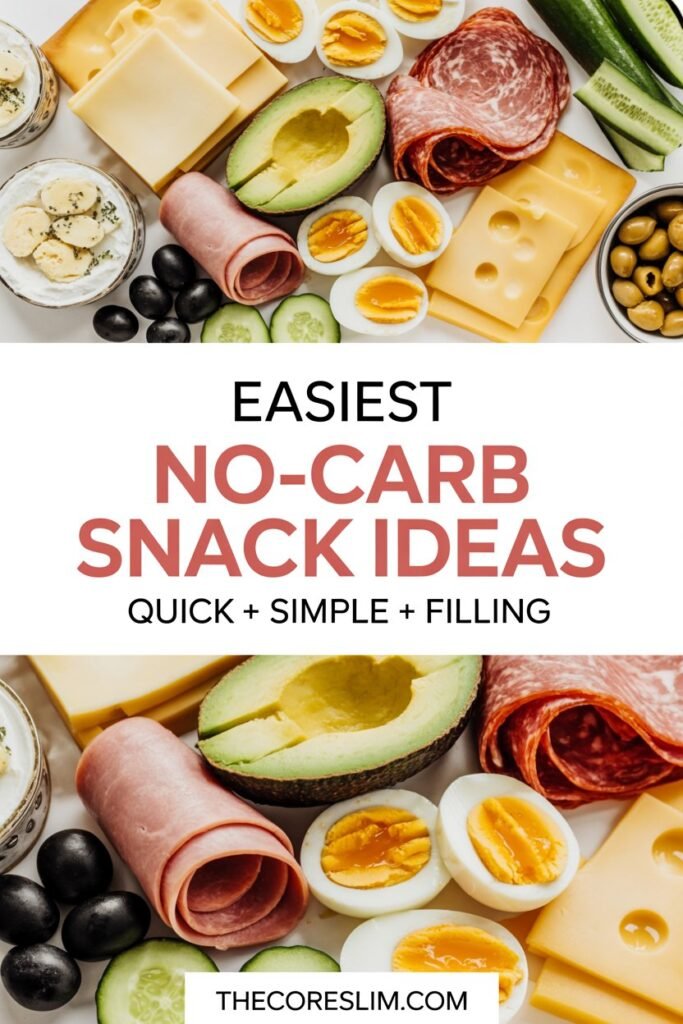
These snacks help you stay full longer, avoid energy crashes, and keep cravings under control — especially on days when you’re trying to eat healthier or cut back on sugar and processed foods.
I’ve also noticed that no-carb snacks work well for all kinds of people. If you’re trying to lose weight, they help prevent overeating without making you feel restricted.
If you’re managing blood sugar or dealing with certain health conditions, no-carb snacks can help you maintain steady energy throughout the day.
And even if you’re perfectly healthy and just want something light and satisfying, these snacks give you the quick nourishment you need without weighing you down.
Another thing I love about no-carb snacks is that they’re portable and practical. I’ve packed them for work, grabbed them on busy days, and even relied on them during
times when my energy dipped and I needed something fast. They’re clean, simple, and they make staying consistent so much easier.
So if you’re looking for snacks that help control cravings, support weight loss, and keep you energized without raising your carb intake, these are the easiest options to keep on hand.
Whether you’re at home, on the go, or trying to break unhealthy snacking habits, these no-carb ideas fit perfectly into almost any lifestyle.
1. Hard-Boiled Eggs: A Zero-Carb Powerhouse Snack That Keeps You Full
Hard-boiled eggs are a classic snack that’s simple, convenient, and packed with nutrition.
Whether you’re on-the-go, at work, or need a quick post-workout bite, these protein-rich eggs are one of the easiest snacks to prepare and enjoy.
They are naturally low in carbohydrates and rich in protein, making them ideal for anyone looking to stay full, energized, and satisfied throughout the day.
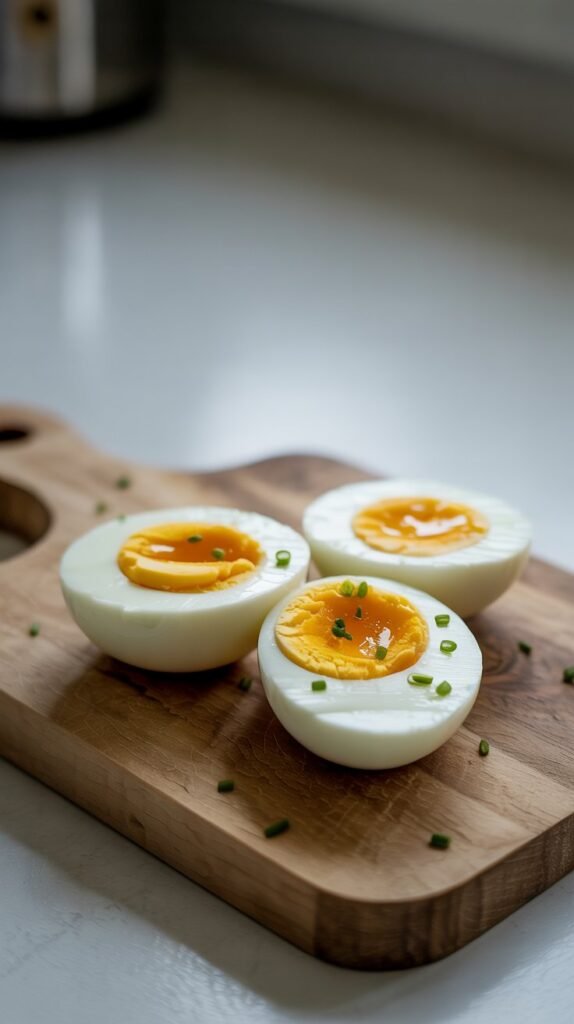
Why Hard-Boiled Eggs Are a Smart Snack
Hard-boiled eggs provide a perfect balance of protein and healthy fats.
They support muscle maintenance, stabilize blood sugar, and keep hunger at bay.
Unlike many packaged snacks, eggs are minimally processed, easy to prepare in advance, and portable, making them a go-to choice for busy lifestyles.
Nutritional Benefits
- High in Protein: Each egg contains about 6–7 grams of high-quality protein, which helps build and repair muscles.
- Zero-Carb: Perfect for low-carb, keto, or diabetic-friendly diets.
- Healthy Fats: Egg yolks provide essential fatty acids that support brain and heart health.
- Micronutrients: Rich in vitamins A, D, E, B12, choline, selenium, and iodine.
- Satiety: Protein and fat work together to keep you full longer, reducing unnecessary snacking.
How to Prepare Perfect Hard-Boiled Eggs
- Boil the Eggs: Place eggs in a pot and cover with cold water. Bring to a boil over medium-high heat.
- Cook: Once boiling, reduce heat and simmer for 9–12 minutes, depending on yolk preference.
- Cool Quickly: Transfer eggs to an ice bath for 5–10 minutes to stop cooking and make peeling easier.
- Peel & Store: Gently tap and roll eggs to crack the shell, then peel. Store in the fridge in an airtight container for up to one week.
Tips for Maximum Flavor & Enjoyment
- Sprinkle with salt, pepper, paprika, or everything bagel seasoning for extra taste.
- Slice and add to salads, wraps, or avocado halves for a more filling snack.
- Pair with fresh vegetables for added fiber and crunch.
- Make a batch in advance to have a ready-to-eat snack throughout the week.
Variations & Creative Ideas
- Deviled Eggs: Mix yolks with mustard, mayonnaise, or avocado for a creamy snack.
- Egg Salad Cups: Combine chopped hard-boiled eggs with Greek yogurt, celery, and herbs for a portable snack.
- Spicy Kick: Add a dash of hot sauce, cayenne, or smoked paprika for bold flavor.
- Herb Infusion: Mix in dill, parsley, or chives to elevate taste naturally.
When & How Often to Snack
Hard-boiled eggs are ideal for mid-morning, afternoon, or post-workout snacks.
One to two eggs per serving provide sufficient protein to curb hunger and maintain energy.
They are also great for meal prep, ensuring you always have a nutrient-dense option on hand.
Bottom Line: Hard-boiled eggs are a zero-carb, protein-packed powerhouse snack.
Quick, convenient, and versatile, they help keep hunger under control, energy levels steady, and nutrition on track—making them an essential staple for healthy snacking.
2. Cheese Slices and Cheese Sticks: A Convenient, Nutrient-Dense Snack
Cheese slices and cheese sticks are an easy, portable, and protein-rich snack that fits perfectly into busy lifestyles.
Whether you’re at work, traveling, or just need a quick bite between meals, these dairy snacks provide essential nutrients while being low in carbohydrates.
Their creamy, satisfying texture makes them a crowd favorite for both adults and kids.

Why Cheese Makes a Smart Snack
Cheese is a nutrient-dense food that combines high-quality protein, healthy fats, and essential vitamins and minerals.
It helps keep you full, supports muscle maintenance, and pairs well with low-carb vegetables or nuts for a balanced mini-meal.
Cheese sticks and slices are particularly convenient because they’re pre-portioned, require no preparation, and can be eaten on the go.
Nutritional Benefits
- Protein-Rich: Each stick or slice provides 5–8 grams of protein, helping to maintain muscle and keep hunger at bay.
- Low-Carb: Perfect for keto, low-carb, or diabetic-friendly diets.
- Healthy Fats: Supplies satiating fats that support energy and fullness.
- Calcium & Vitamin D: Supports bone health and muscle function.
- Other Nutrients: Contains phosphorus, vitamin A, and B vitamins for overall wellness.
How to Enjoy Cheese Slices and Sticks
- Grab-and-Go: Eat them straight from the package for a no-prep, satisfying snack.
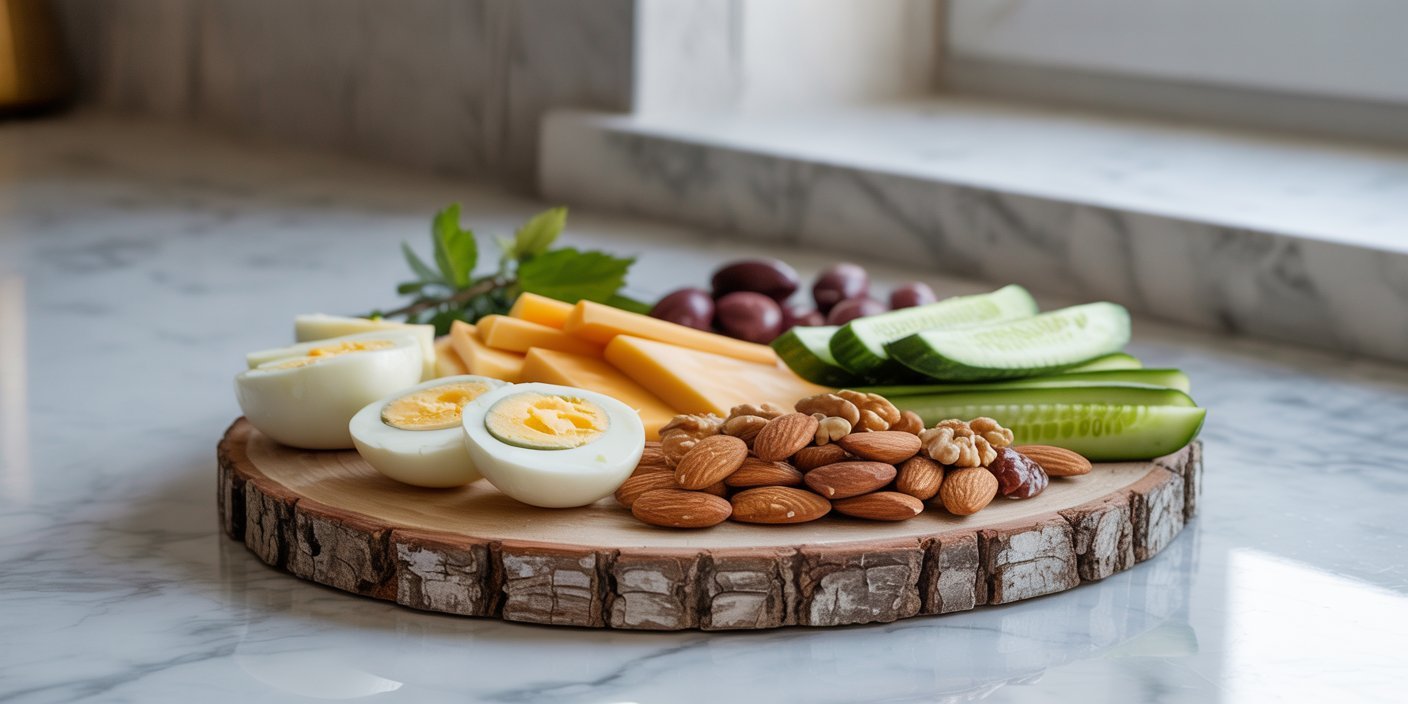
- Pair with Veggies: Combine with cucumber slices, bell peppers, or cherry tomatoes for a nutrient-packed mini-meal.
- Add Nuts or Seeds: Pairing with almonds, walnuts, or sunflower seeds adds crunch and healthy fats.
- Include in Snack Boxes: Cheese sticks or slices are perfect for creating balanced snack boxes for work, school, or travel.
Tips for Maximum Enjoyment
- Choose natural or minimally processed cheeses to avoid unnecessary additives or preservatives.
- Keep cheese refrigerated to maintain freshness and texture.
- Try a variety of flavors such as cheddar, mozzarella, pepper jack, or Swiss to keep snacking interesting.
- For extra indulgence, melt slices over vegetables or pair with low-carb crackers for variety.
Variations & Creative Ideas
- Stuffed Cheese Snacks: Wrap a slice of cheese around a piece of turkey or ham for extra protein.
- Cheese & Fruit Combo: Pair with berries, apple slices, or grapes for a sweet-savory balance.
- Mini Cheese Kabobs: Skewer cheese cubes with cherry tomatoes, olives, or cooked meats for an easy snack platter.
- Spicy Cheese: Try pepper jack or add chili flakes for a flavorful kick.
When & How Often to Snack
Cheese slices and sticks are ideal for mid-morning, afternoon, or post-workout snacks. One to two portions per day are sufficient to meet protein needs while keeping carb intake low.
They’re also great for meal prep, allowing you to grab a balanced snack anytime.
Bottom Line: Cheese slices and sticks are a convenient, nutrient-dense snack that’s rich in protein, low in carbs, and full of flavor.
Perfect for busy days or on-the-go lifestyles, this versatile snack keeps you full, energized, and satisfied without compromising your health goals.
3. Beef Jerky (No Sugar Added): A Protein-Rich Snack for Busy Days
Busy schedules can make it tough to stick to healthy eating, but beef jerky is a convenient, protein-packed snack that keeps you fueled and satisfied.
Choosing no-sugar-added beef jerky ensures you get all the benefits of a high-protein snack without the extra refined sugars that can spike blood sugar and derail your nutrition goals.
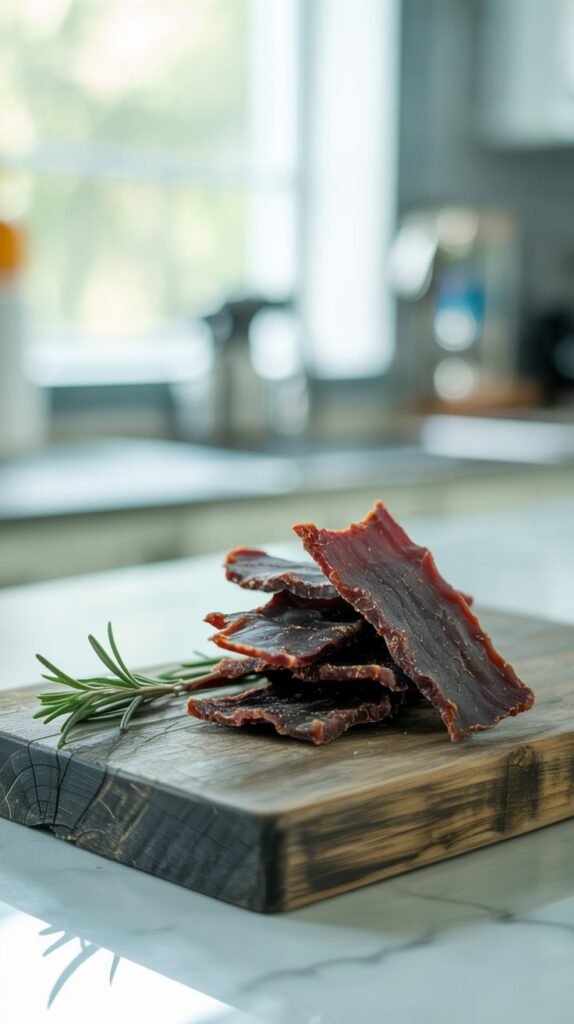
Why Beef Jerky Works as a Snack
Beef jerky is lightweight, portable, and shelf-stable, making it perfect for work, travel, or post-workout refueling.
It provides a concentrated source of protein, which supports muscle maintenance, boosts satiety, and helps stabilize energy levels throughout the day.
Nutritional Benefits
- High in Protein: Typically 8–12 grams per ounce, which helps preserve lean muscle mass and keeps hunger at bay.
- Low in Carbs: No sugar added means nearly zero carbs, perfect for low-carb or keto-friendly diets.
- Rich in Micronutrients: Provides iron, zinc, and B vitamins that support energy metabolism and overall health.
- Low Calorie Option: Most servings are around 70–100 calories, making it a controlled snack for weight management.
How to Choose the Best Beef Jerky
- Check the Ingredients: Look for beef, salt, spices, and natural preservatives; avoid added sugar or artificial flavors.
- Look at Sodium Content: While jerky is naturally salty, try brands with moderate sodium to support heart health.
- Opt for Grass-Fed or Lean Cuts: Grass-fed beef tends to be higher in omega-3 fatty acids and lower in unhealthy fats.
- Consider Texture and Flavor: Chewier jerky keeps you satisfied longer, and natural seasoning enhances taste without sugar.
Tips for Enjoying Beef Jerky
- Pair with a small handful of nuts or cheese for a more balanced snack.
- Keep a portion in your bag or desk drawer to avoid vending machine temptations.
- Hydrate! High-protein snacks like jerky are best enjoyed with water to aid digestion.
Variations & Alternatives
- Turkey or Chicken Jerky: Lower in fat but still high in protein.
- Biltong: South African-style dried meat, often less salty and tender.
- Plant-Based Jerky: Made from soy or mushrooms, for a vegetarian-friendly protein option.
When & How Often to Snack
Beef jerky is ideal for a mid-morning, mid-afternoon, or post-workout snack.
A single serving (1–2 ounces) a few times per week can help meet protein goals without overdoing calories or sodium.
Bottom Line: No-sugar-added beef jerky is a simple, high-protein snack that fits perfectly into busy lifestyles.
It’s portable, satisfying, and keeps your energy steady, making it a top choice for anyone looking to stay full and fueled while on the go.
4. Deli Meat Roll-Ups: Quick, Creative, and Customizable
For busy days when you need a fast, satisfying snack, deli meat roll-ups are a lifesaver.
They’re versatile, easy to make, and fully customizable, letting you combine your favorite protein with flavorful fillings while keeping carbs low.
Perfect for lunchboxes, on-the-go snacking, or even as a pre- or post-workout bite.

Why Deli Meat Roll-Ups Are a Smart Snack
Deli meat roll-ups provide a concentrated source of protein and essential nutrients in a compact, grab-and-go format.
By skipping bread or crackers, you’re keeping it low-carb, which is ideal for weight management or keto-friendly diets.
The ability to add veggies, spreads, or cheese makes each roll-up a mini nutritional powerhouse.
Nutritional Benefits
- High in Protein: Each roll-up can provide 5–10 grams of protein depending on the meat, helping you stay full and support muscle maintenance.
- Low-Carb Friendly: Without bread, these roll-ups are virtually carb-free, perfect for keto or low-carb snacking.
- Customizable Micronutrients: Adding vegetables like bell peppers, cucumbers, or leafy greens boosts vitamins, minerals, and fiber.
- Healthy Fats (Optional): Adding avocado, cream cheese, or nut butter can provide heart-healthy fats and extra satiety.
How to Make Deli Meat Roll-Ups
- Choose Your Meat: Turkey, chicken, ham, or roast beef slices work best. Opt for low-sodium, nitrate-free varieties when possible.
- Add Fillings: Layer cheese, thinly sliced veggies, hummus, avocado, or mustard for flavor and nutrition.
- Roll It Up: Fold or roll each slice tightly to keep fillings inside.
- Secure if Needed: Toothpicks can help hold them together for transport or portion control.
- Store Properly: Keep refrigerated and consume within a day or two for freshness.
Tips for Maximum Flavor & Nutrition
- Use a mix of textures: crunchy veggies + creamy spreads make roll-ups more satisfying.
- Sprinkle spices like paprika, black pepper, or everything bagel seasoning for extra taste without added sugar.
- Prep several roll-ups at once for a grab-and-go snack during a busy week.
Variations & Ideas
- Mediterranean Roll-Up: Turkey + hummus + cucumber + spinach + feta cheese.
- Cheesy Avocado Roll-Up: Ham + cream cheese + avocado + sliced bell peppers.
- Spicy Roll-Up: Roast beef + spicy mustard + arugula + pickles.
- Mini Snack Roll-Ups: Cut slices into bite-size pieces for parties, lunchboxes, or kids’ snacks.
When & How Often to Enjoy
Deli meat roll-ups are ideal for mid-morning or mid-afternoon snacking, or even as a light lunch.
You can enjoy 2–3 roll-ups per day depending on your protein goals and appetite.
Bottom Line: Deli meat roll-ups are quick, versatile, and nutrient-packed.
They make staying on track with protein and low-carb eating effortless while giving you endless creative options to suit your taste.
5. Pork Rinds: Crunchy, Salty, and Surprisingly Versatile
These crispy, salty bites are naturally low in carbohydrates while providing protein and fat, making them a favorite among low-carb, keto, and high-protein snack enthusiasts.
If you crave a satisfying crunch without the carbs, pork rinds are an ideal snack.
Beyond just snacking, pork rinds can be incorporated into creative recipes, making them surprisingly versatile.
Why Pork Rinds Work as a Snack
Pork rinds are perfect for anyone looking for a crunchy alternative to chips or crackers without the sugar or excess carbs.
Their texture provides a sense of indulgence while still supporting dietary goals like weight management, muscle maintenance, or ketogenic eating.
Nutritional Benefits
- High in Protein: Typically 8 grams of protein per ounce, helping keep you full and supporting muscle recovery.
- Zero or Very Low Carbs: Ideal for low-carb, keto, or diabetic-friendly diets.
- Satiating Fats: Contains fats that help sustain energy and improve satiety.
- Gluten-Free: Naturally free from gluten, making them suitable for gluten-sensitive diets.
How to Enjoy Pork Rinds
- Straight from the Bag: A convenient, on-the-go snack that requires no prep.
- With Dips: Pair with guacamole, cream cheese, salsa, or a low-carb spinach dip for added flavor.
- Recipe Substitutes: Crush pork rinds to use as a breading alternative for chicken, fish, or vegetables.
- Snack Mixes: Combine with nuts, seeds, or cheese for a crunchy, protein-rich trail mix.
Tips for the Best Experience
- Opt for unsweetened, minimally processed pork rinds to avoid hidden sugars or additives.
- Monitor sodium content if you are sensitive, as pork rinds can be salty.
- Combine with vegetables or dips to create a more balanced snack.
- Store in a cool, dry place and seal the bag tightly to maintain crispiness.
Variations & Flavor Ideas
- Spicy: Toss with chili powder, paprika, or cayenne for a kick.
- Savory Herb: Sprinkle with garlic powder, onion powder, or rosemary.
- Cheesy: Add grated Parmesan or nutritional yeast for a cheesy twist.
- Recipe-Friendly: Use crushed pork rinds for low-carb breading in chicken tenders, fish fillets, or zucchini fries.
When & How Often to Snack
Pork rinds are ideal as a mid-morning or afternoon snack to curb cravings, or as a post-workout crunch paired with a protein source.
One to two small servings per day is usually sufficient to satisfy cravings without overdoing sodium or calories.
Bottom Line: Pork rinds offer a crunchy, satisfying, and low-carb snack alternative.
Their versatility makes them perfect for snacking on the go or adding a crispy twist to your favorite recipes—all while keeping protein high and carbs low.
6. Tuna Salad Cups: Light, Fresh, and Filling
For a snack that feels fresh, satisfying, and nutrient-packed, tuna salad cups are a perfect choice.
They are quick to prepare, highly customizable, and provide a combination of protein, healthy fats, and fiber when paired with vegetables.
Tuna salad cups make an excellent on-the-go snack, light lunch, or post-workout refueling option.

Why Tuna Salad Cups Are a Smart Snack
Tuna salad cups are portable and versatile, making it easy to enjoy a high-protein meal without added carbs from bread or crackers.
By serving the tuna in cups made from lettuce, cucumber, or bell peppers, you get a crunchy, refreshing snack that supports weight management, muscle maintenance, and energy balance throughout the day.
Nutritional Benefits
- High in Protein: One serving provides 15–20 grams of protein, supporting muscle repair and keeping you full longer.
- Low in Carbs: Using lettuce, cucumber, or bell pepper as the “cup” keeps carbs minimal.
- Rich in Healthy Fats: Adding avocado, olive oil, or a small amount of mayonnaise supplies heart-healthy fats.
- Omega-3 Fatty Acids: Tuna is naturally rich in omega-3s, which support brain, heart, and joint health.
- Micronutrients: Provides B vitamins, selenium, and potassium, which help maintain energy and overall well-being.
How to Make Tuna Salad Cups
- Prepare the Tuna: Use canned tuna in water (drained) or fresh-cooked tuna.
- Mix Ingredients: Combine tuna with a small amount of mayonnaise, Greek yogurt, or avocado. Add diced celery, onions, pickles, or herbs for flavor and texture.
- Season: Use salt, pepper, lemon juice, or your favorite spices to enhance taste.
- Assemble Cups: Spoon the tuna mixture into lettuce leaves, cucumber boats, or bell pepper halves.
- Serve or Store: Enjoy immediately or refrigerate for a few hours; best consumed within a day for freshness.
Tips for Maximum Flavor & Convenience
- Choose crisp lettuce varieties like romaine or butter lettuce to avoid sogginess.
- Mix in a touch of mustard, dill, or paprika for extra zing.
- Make a batch in advance for grab-and-go snacks throughout the week.
- Add cherry tomatoes or shredded carrots for added crunch and micronutrients.
Variations & Creative Twists
- Avocado Tuna Cups: Mix tuna with mashed avocado for creamy texture and healthy fats.
- Mediterranean Style: Tuna + olive oil + olives + feta + cherry tomatoes.
- Spicy Tuna Cups: Add sriracha, chili flakes, or jalapeños for a kick.
- Crunchy Mix: Add diced cucumber, celery, or bell pepper inside the tuna for extra texture.
When & How Often to Snack
Tuna salad cups are ideal for mid-morning, afternoon, or light lunch portions. One to two cups per day can help meet your protein needs while keeping carbs and calories in check.
Bottom Line: Tuna salad cups are a light, fresh, and filling snack that’s high in protein, low in carbs, and easily customizable.
They’re perfect for busy days, on-the-go meals, or anyone looking to enjoy a nutritious, satisfying snack without extra prep or sugar.
7. Olives: Salty, Flavorful, and Nutrient-Dense
If you’re looking for a snack that’s both tasty and nutritious, olives are an excellent choice.
These small, flavorful fruits are packed with healthy fats, antioxidants, and essential vitamins and minerals.
Their natural saltiness makes them satisfying, while their versatility allows them to be eaten alone, paired with cheese, or added to salads and snack platters.
Why Olives Are a Smart Snack
Olives are not only delicious but also support heart health, weight management, and overall wellness.
The monounsaturated fats in olives can help improve cholesterol levels, while antioxidants help reduce inflammation.
Their fiber content and low carbohydrate profile make them ideal for low-carb and keto-friendly snacking.
Nutritional Benefits
- Healthy Fats: Rich in monounsaturated fats, which support heart health and satiety.
- Low-Carb: Perfect for keto, low-carb, or blood sugar-friendly diets.
- Antioxidants: Contains polyphenols and vitamin E to help fight oxidative stress.
- Vitamins & Minerals: Provides iron, copper, calcium, and small amounts of B vitamins.
- Digestive Support: The fiber content aids digestion and promotes gut health.
How to Enjoy Olives
- Straight from the Jar: Grab a handful for a quick, salty snack.
- With Cheese or Nuts: Pair with feta, mozzarella, or almonds for a balanced mini-snack.
- In Salads or Bowls: Add to Mediterranean salads, grain bowls, or avocado toast for flavor and nutrition.
- As an Appetizer: Serve on a charcuterie board with meats, cheeses, and vegetables.
Tips for Maximum Flavor & Nutrition
- Rinse olives lightly if they are very salty to reduce sodium intake.
- Store opened jars in brine or olive oil to maintain freshness.
- Mix green and black olives for variety in flavor and texture.
- Choose olives packed in brine or olive oil rather than heavily processed varieties with added preservatives or flavorings.
Variations & Flavor Ideas
- Marinated Olives: Toss with garlic, herbs, and lemon zest for extra flavor.
- Stuffed Olives: Fill with cheese, almonds, or peppers for a nutrient-dense twist.
- Spicy Olives: Add chili flakes or paprika for a kick.
- Mediterranean Snack Cups: Combine with cherry tomatoes, cucumbers, and feta cheese for a ready-to-eat mini-meal.
When & How Often to Snack
Olives are great as a mid-morning, afternoon, or evening snack.
A small handful (about 10–15 olives) provides healthy fats and flavor without overdoing calories or sodium. Pairing them with protein or fiber can help make the snack more filling.
Bottom Line: Olives are a salty, flavorful, and nutrient-dense snack.
They’re perfect for anyone looking to satisfy cravings, support heart health, and enjoy a versatile, low-carb option that fits into almost any diet.
Why It Works
They’re rich in healthy fats, antioxidants, and minerals like iron. Their natural saltiness also helps curb cravings.
How to Enjoy It
- Eat straight from the jar.
- Create a quick snack plate with cheese and cured meats.
- Marinate olives in olive oil, garlic, and herbs for extra flavor.
Pro Tips
- Choose olives packed in brine rather than sugary marinades.
- Portion into small containers for quick snacking.
- Try stuffed olives (with garlic, almonds, or cheese) for variety.
8. Pepperoni or Salami Slices: A Flavor-Packed Treat
When you’re craving something savory, satisfying, and protein-rich, pepperoni or salami slices make an excellent snack.
These cured meats are convenient, flavorful, and portable, making them a favorite for quick bites, lunchboxes, or charcuterie-style snacks.
Opting for nitrate-free or low-sodium versions can make this indulgent snack a healthier choice.

Why Pepperoni and Salami Work as Snacks
Pepperoni and salami provide a concentrated source of protein and fats, helping to curb hunger and keep energy levels steady.
Their rich, bold flavors make them a snack that feels indulgent while still fitting into low-carb, keto, or high-protein diets.
Nutritional Benefits
- High in Protein: Typically 5–7 grams per ounce, supporting muscle maintenance and satiety.
- Low in Carbs: Perfect for low-carb, keto, or diabetic-friendly snacking.
- Satiating Fats: Contains fats that help you feel full and provide steady energy.
- Rich in Flavor: Bold seasonings mean you can satisfy cravings without added sugar.
- Micronutrients: Provides zinc, iron, and B vitamins important for energy and metabolism.
How to Enjoy Pepperoni or Salami
- Straight from the Package: Grab a few slices for an instant snack.
- Roll-Ups: Wrap slices around cheese sticks, olives, or avocado for added protein and healthy fats.
- Snack Platters: Combine with cheese, nuts, and fresh vegetables for a balanced mini-charcuterie.
- Salad Toppings: Chop slices and sprinkle over salads for flavor and protein.
Tips for Maximum Enjoyment & Health
- Choose nitrate-free or low-sodium options to reduce preservatives and excess sodium.
- Pair with fiber-rich foods like cucumbers, bell peppers, or leafy greens for balance.
- Store in an airtight container in the fridge to maintain freshness and flavor.
- Keep portions moderate (1–2 ounces) to avoid excess saturated fat or sodium intake.
Variations & Flavor Ideas
- Cheese-Stuffed Pepperoni: Wrap slices around small mozzarella cubes for a protein-packed treat.
- Spicy Twist: Choose spicy salami or sprinkle chili flakes for extra heat.
- Mediterranean Roll-Ups: Pepperoni + feta + cucumber + olives for a flavor-packed combo.
- Mini Skewers: Alternate slices with cherry tomatoes and mozzarella balls for bite-size snacks.
When & How Often to Snack
Pepperoni or salami slices are ideal for mid-morning, afternoon, or post-workout snacking.
One to two servings per day can satisfy cravings and support protein intake while keeping carbs minimal.
Bottom Line: Pepperoni and salami slices are a flavor-packed, protein-rich snack that’s perfect for busy days, low-carb eating, or when you want a savory, satisfying treat.
Their bold taste and portability make them a go-to snack for nearly any occasion.
9. Deviled Eggs: A Classic Snack with Endless Variations
Deviled eggs are a timeless snack that’s both high in protein and incredibly versatile. They’re perfect for meal prep, parties, or a quick bite during the day.
With endless possibilities for fillings and seasonings, deviled eggs can be customized to suit any flavor preference, making them a fun and satisfying low-carb snack.

Why Deviled Eggs Are a Smart Snack
Deviled eggs are nutrient-dense, portable, and naturally low in carbohydrates.
The combination of egg whites and yolks provides a balanced source of protein and healthy fats that support muscle maintenance, satiety, and energy levels throughout the day.
Nutritional Benefits
- High in Protein: Each egg provides about 6–7 grams of protein, which helps keep you full and supports muscle repair.
- Low-Carb Friendly: Perfect for keto or low-carb diets since eggs contain virtually no carbs.
- Healthy Fats: Egg yolks provide heart-healthy fats, vitamins A, D, E, and K, and choline for brain health.
- Micronutrients: Eggs are rich in B vitamins, selenium, and antioxidants like lutein and zeaxanthin for eye health.
- Satiety: Protein and fat combo helps curb cravings and stabilize blood sugar.
How to Make Deviled Eggs
- Boil the Eggs: Cook eggs until hard-boiled, then cool and peel.
- Prepare the Filling: Halve the eggs and remove yolks. Mash yolks with mayonnaise, Greek yogurt, mustard, or avocado for creaminess.
- Season: Add salt, pepper, paprika, herbs, or other spices to taste.
- Fill the Whites: Spoon or pipe the mixture back into the egg whites.
- Serve or Store: Enjoy immediately or refrigerate in a covered container for up to 2 days.
Tips for Perfect Deviled Eggs
- Use fresh, high-quality eggs for the best texture and flavor.
- Pipe the filling with a pastry bag or zip-top bag for a professional look.
- Add mix-ins like chopped herbs, pickles, or hot sauce for variety.
- Chill for at least 30 minutes before serving for optimal flavor.
Variations & Flavor Ideas
- Classic: Mayo, mustard, and paprika.
- Avocado Deviled Eggs: Substitute avocado for mayo for a creamy, nutrient-dense filling.
- Spicy: Add sriracha, chili powder, or jalapeños for a kick.
- Mediterranean: Mix in feta, olives, and herbs for a bold flavor.
- Bacon & Cheddar: Top with crumbled bacon and shredded cheddar for indulgence.
When & How Often to Snack
Deviled eggs are ideal as a mid-morning, afternoon, or post-workout snack.
Two eggs per serving are usually sufficient to satisfy hunger and meet protein goals without overdoing calories.
Bottom Line: Deviled eggs are a classic, protein-packed snack that’s low in carbs, easy to prepare, and endlessly customizable.
Whether you enjoy them plain or with creative fillings, they’re perfect for anyone looking for a satisfying, nutrient-dense snack.
10. Cucumber Slices with Cream Cheese: Refreshing and Cris
If you’re looking for a snack that’s light, refreshing, and satisfyingly creamy, cucumber slices with cream cheese are an excellent choice.
This simple combination pairs the crisp, hydrating crunch of cucumbers with the rich, smooth texture of cream cheese, creating a snack that feels indulgent yet stays low in carbohydrates.
Perfect for busy days, quick lunches, or an afternoon pick-me-up, it’s a snack that’s as versatile as it is delicious.
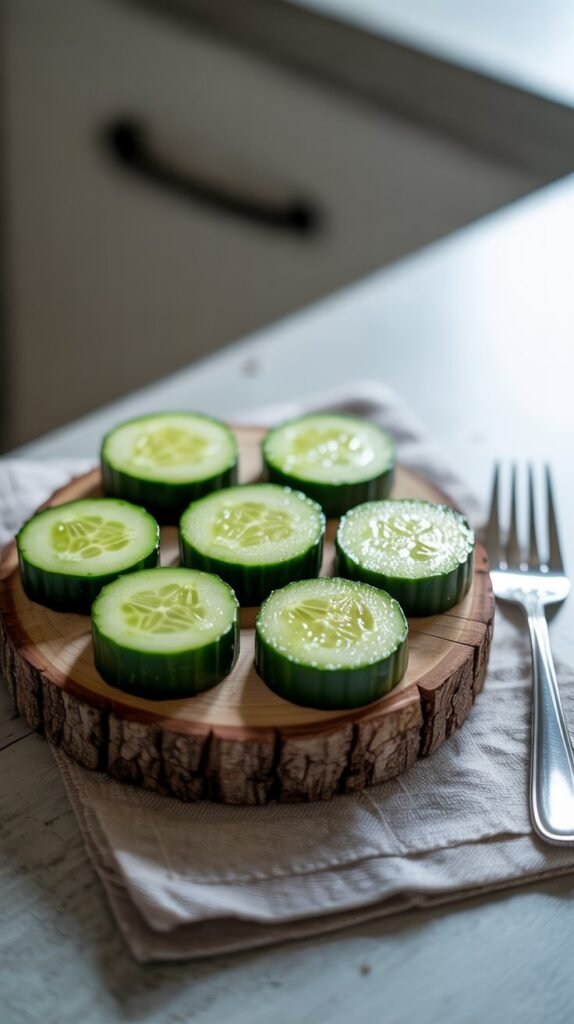
Why Cucumber & Cream Cheese Make a Smart Snack
Cucumber slices with cream cheese hit the perfect balance of hydration, crunch, and protein. Cucumbers are over 90% water, helping you feel full and refreshed with minimal calories.
Cream cheese adds fat and a moderate amount of protein, which helps sustain energy levels and curb hunger between meals.
Together, this combo is ideal for low-carb diets, keto plans, or anyone looking for a satisfying snack that doesn’t spike blood sugar.
This snack is also highly customizable. You can change flavors, add seasonings, or include extra protein sources to keep your snack routine exciting. It works well as a light meal component, a pre-workout snack, or even as an appetizer for gatherings.
Nutritional Benefits
- Low in Calories: Cucumber slices provide bulk and crunch with very few calories, making it a guilt-free snack.
- Hydration Support: High water content helps maintain hydration, aids digestion, and contributes to a feeling of fullness.
- Protein & Healthy Fats: Cream cheese supplies protein and fat that slow digestion, helping you stay satisfied longer.
- Low-Carb Friendly: This snack is naturally low in carbohydrates, making it perfect for keto, low-carb, or diabetic-friendly diets.
- Micronutrients: Cucumbers are a source of vitamin K, vitamin C, potassium, and antioxidants, while cream cheese provides calcium and vitamin A.
- Digestive Health: The fiber in cucumber, although minimal, combined with the fat from cream cheese can support gut health and stabilize energy levels.
How to Prepare Cucumber Slices with Cream Cheese
- Choose the Right Cucumbers: Pick fresh, firm cucumbers without soft spots or blemishes. English or Persian cucumbers work well for snacking due to their mild flavor and fewer seeds.
- Wash Thoroughly: Rinse under cold water and optionally peel if desired.
- Slice or Hollow: Cut into thin rounds, sticks, or hollow out slices to create mini “boats” that can hold more cream cheese or toppings.
- Spread the Cream Cheese: Use plain, flavored, or whipped cream cheese depending on preference. Spread evenly to ensure each bite is creamy.
- Season for Flavor: Sprinkle with salt, black pepper, paprika, garlic powder, or fresh herbs like dill, chives, or parsley for extra taste.
- Add Optional Toppings: For more protein and flavor, top with smoked salmon, turkey slices, avocado, or chopped nuts.
- Serve or Store: Enjoy immediately or refrigerate in an airtight container for up to 24 hours. Keep cucumber slices in water to maintain crispness if prepping ahead.
Tips for Maximum Flavor & Satisfaction
- Use whipped or softened cream cheese to make spreading easier and creamier.
- Combine with fresh herbs or spices to elevate flavor without adding sugar or extra carbs.
- Layer protein additions like smoked salmon or turkey for a more filling snack.
- Pre-slice cucumbers and store in the fridge to save time during busy days.
- Try alternating cucumber slices with bell pepper sticks or celery for a mix of textures.
Creative Variations & Ideas
- Mini Cucumber Sandwiches: Place a thin layer of cream cheese between two cucumber slices for a bite-sized, portable snack.
- Avocado-Cream Cheese Blend: Mix cream cheese with mashed avocado for healthy fats and a creamy texture.
- Spicy Cucumber Bites: Add sriracha, chili flakes, or a dash of hot sauce to the cream cheese for a zesty snack.
- Mediterranean Style: Top with sun-dried tomatoes, olives, or feta for a savory twist.
- Protein Boost: Wrap a slice of turkey or smoked salmon around cucumber sticks with cream cheese for an on-the-go, protein-rich snack.
- Herb Infusion: Mix in dill, chives, parsley, or basil to create gourmet, flavorful bites.
When & How Often to Snack
Cucumber slices with cream cheese are perfect for mid-morning, afternoon, or pre-workout snacking.
They provide a refreshing, low-calorie, low-carb option to curb cravings, boost energy, and stay hydrated. One to two servings per day can easily fit into a balanced diet without contributing excessive calories or carbs.
Pairing with extra protein or healthy fats can make this snack more filling if needed.
Bottom Line: Crisp cucumber slices paired with creamy, flavorful cream cheese are a refreshing, low-carb, and nutrient-packed snack.
They’re easy to prep, endlessly customizable, and ideal for staying satisfied on busy days while supporting overall nutrition and wellness.
Perfect for anyone seeking a simple yet indulgent snack that nourishes and refreshes.
Conclusion
Healthy snacking doesn’t have to be boring or complicated. From crisp cucumber slices with creamy cheese to savory pepperoni slices and protein-packed tuna salad cups, the
snacks in this guide prove that you can enjoy flavorful, satisfying bites while staying on track with your health and fitness goals.
These options are low in carbs, high in protein, and nutrient-dense, making them perfect for busy mornings, hectic afternoons, or even as post-workout refueling.
They also offer incredible versatility—you can customize flavors, textures, and ingredients to suit your taste, dietary preferences, and lifestyle.
Frequently Asked Questions (FAQ)
1. Are cucumber slices with cream cheese low in calories?
Yes! Cucumbers are mostly water and extremely low in calories, while cream cheese adds some fat and protein.
The combination keeps the snack satisfying without adding excessive calories. Choosing light or reduced-fat cream cheese can make it even lower in calories.
2. Can this snack fit into a low-carb or keto diet?
Absolutely. Cucumbers are virtually carb-free, and cream cheese is high in fat and low in carbs, making this snack ideal for ketogenic, low-carb, or diabetic-friendly diets.
3. How can I make this snack more filling?
Add extra protein or healthy fats.
Toppings like smoked salmon, turkey slices, avocado, or a sprinkle of nuts can turn cucumber slices with cream cheese into a more substantial, meal-like snack.
4. What are some ways to make the snack more flavorful?
Season the cream cheese with herbs, spices, or condiments. Popular options include dill, chives, paprika, garlic
powder, black pepper, or a small amount of hot sauce. You can also try flavored cream cheese varieties like garlic & herb or chive.
5. Can I prepare cucumber slices with cream cheese in advance?
Yes, but for best results, slice cucumbers just before serving to maintain crispness.
If prepping in advance, store cucumber slices in cold water in the fridge, and keep cream cheese in an airtight container. Assemble just before eating.
6. Are cucumber slices with cream cheese suitable for kids?
Definitely! Kids often enjoy the combination of crunchy cucumber and creamy cheese. You can cut the cucumbers into fun shapes or sticks and adjust seasonings for milder flavors.
7. Can I make this snack dairy-free or vegan?
Yes. You can use plant-based cream cheese alternatives made from nuts, soy, or coconut. These options provide a similar creamy texture while keeping the snack vegan-friendly.
8. How often can I eat cucumber slices with cream cheese?
They can be enjoyed daily as a mid-morning, afternoon, or pre-workout snack.
One to two servings per day are sufficient for most people without overdoing calories or fat. Pairing with extra protein can make it even more satisfying.
9. Can this snack help with hydration?
Yes! Cucumbers are over 90% water, which can contribute to hydration.
This makes cucumber slices with cream cheese not only satisfying but also refreshing, especially on hot days or after exercise.
10. Are there any variations to keep this snack interesting?
Plenty!
Try adding avocado, smoked salmon, deli meat, sun-dried tomatoes, or herbs like basil or parsley.
You can also experiment with mini cucumber sandwiches or “boats” filled with creative toppings for variety.