Hi, this is Susana James, and today I’m going to bust the myths surrounding the Mediterranean diet—namely that it’s too expensive or too time-consuming.
The truth is, you can create nutritious, flavorful, and balanced Mediterranean meals in just five minutes or less, and all for under five dollars.
Whether you’re a busy professional, a student, or a parent trying to juggle work and family, this approach proves that eating well doesn’t have to be complicated, pricey, or time-consuming.
The Mediterranean diet has long been celebrated for its heart-healthy benefits, nutrient density, and focus on whole foods.
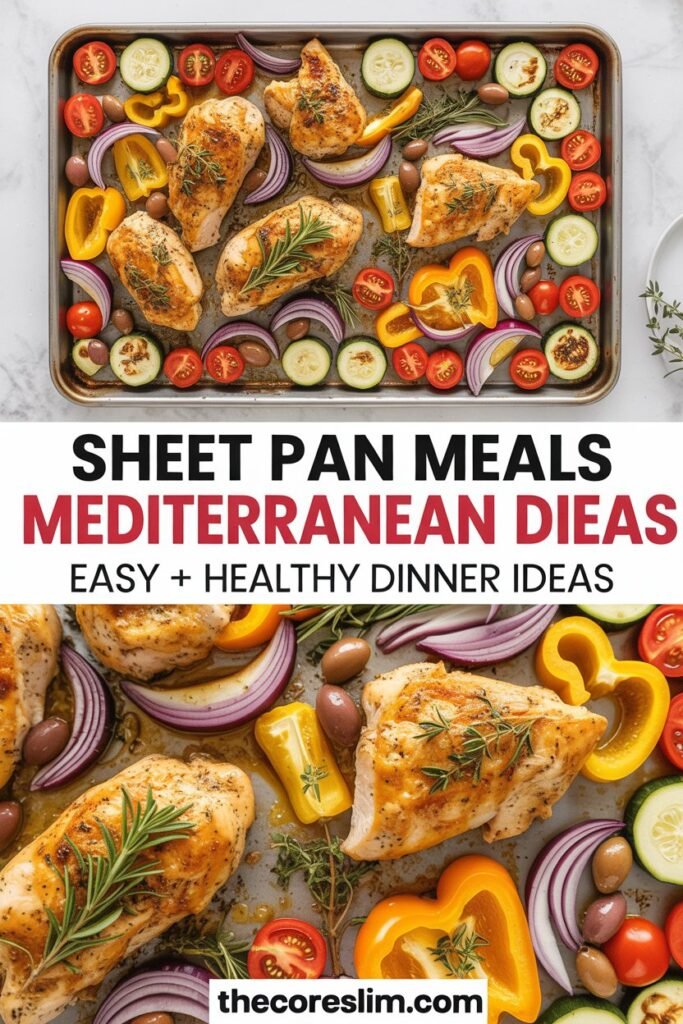
It emphasizes fruits, vegetables, legumes, whole grains, lean proteins—particularly fish—and healthy fats like olive oil.
The beauty of this diet is its flexibility: you can tailor it to what you have on hand, your tastes, and your budget.
In today’s guide, I’ll walk you step-by-step through a 5-for-5 meal prep, where you’ll learn how to make a complete Mediterranean meal in under five minutes using pantry staples, frozen items, and fresh produce.
These meals are perfect for quick lunches, easy dinners, or even prepping ahead for the week.
By the end of this post, you’ll see just how simple, affordable, and versatile the Mediterranean diet can be, all without sacrificing taste or nutrition.
Amazon Gear for Easy Mediterranean Sheet Pan Meals I Recommend
Want to Cook Healthy Mediterranean Meals Without Spending Hours in the Kitchen?
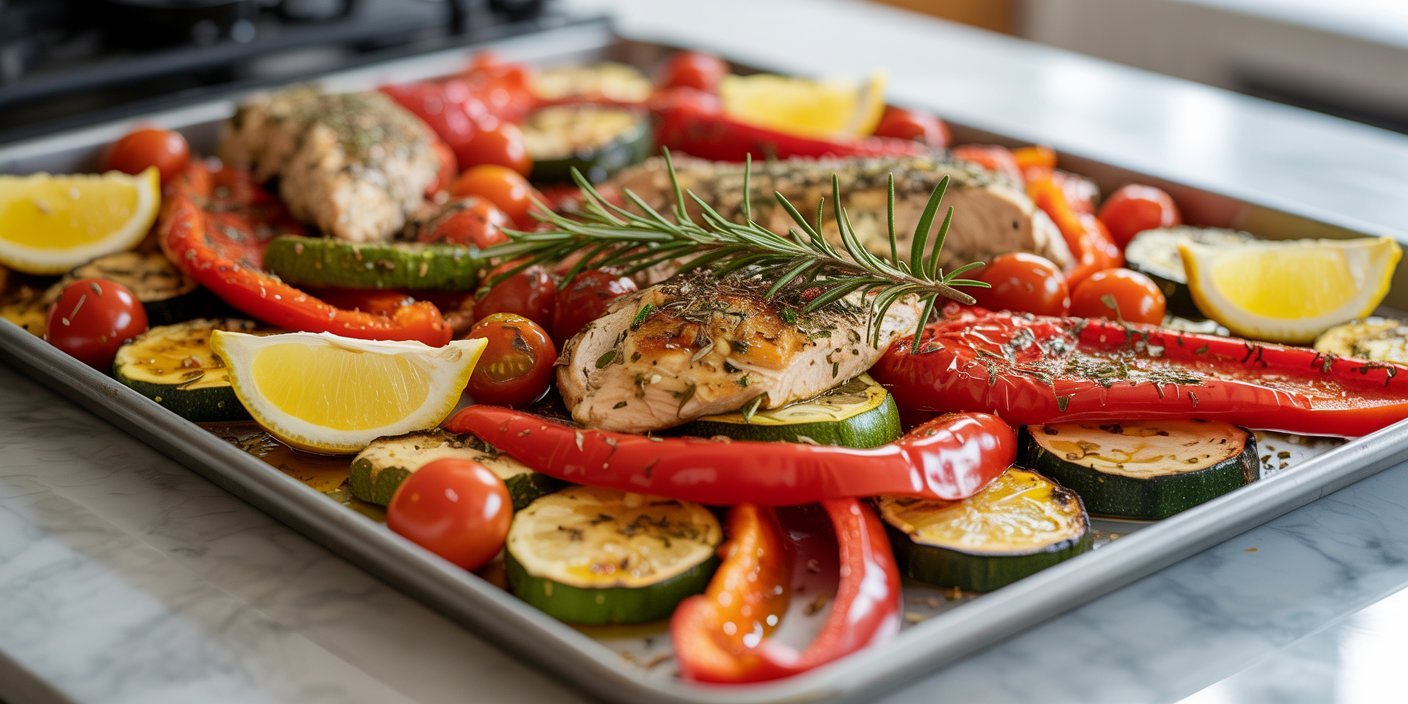
With just a single sheet pan and a few smart kitchen tools, you can make quick, healthy, and flavorful Mediterranean dishes that support your weight-loss goals and save time.
Below are my favorite Amazon essentials that make cooking effortless and cleanup a breeze.
| Product | Why You’ll Love It | Shop Now |
|---|---|---|
| Non-Stick Sheet Pan Set | Durable and evenly heats your ingredients for perfectly roasted Mediterranean meals. | Check Price on Amazon |
| Olive Oil Spray Bottle | Gives you precise oil control while keeping your dishes light, healthy, and flavorful. | View on Amazon |
| Silicone Baking Mat | Prevents sticking, reduces cleanup, and replaces parchment paper — eco-friendly and reusable. | Shop Now |
| Digital Food Thermometer | Ensures your fish, chicken, and veggies are cooked perfectly every time. | Buy on Amazon |
| Glass Meal Prep Containers | Keep leftovers fresh and portioned for the week — ideal for Mediterranean meal prep. | See Details |
| Mediterranean Cookbook | Filled with authentic recipes and simple meal ideas to inspire your next dinner. | View on Amazon |
Step 1: Start with a Base of Whole Grains
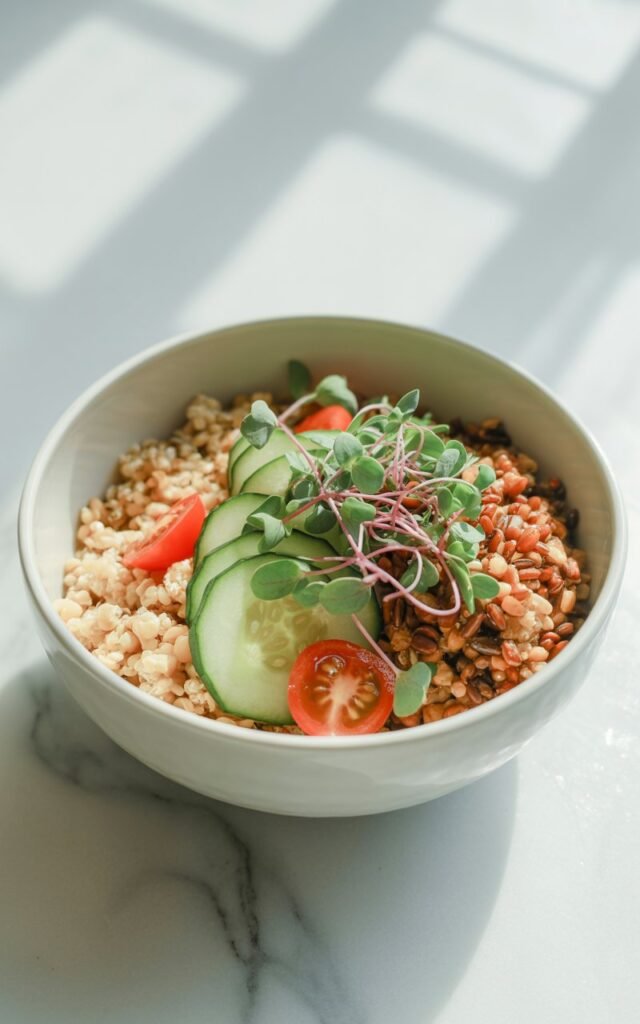
For any Mediterranean meal, the foundation is always a nutrient-rich base of grains. Today, I’m using brown rice, which I love for its nutty flavor, fiber content, and versatility.
You could swap this out for any other whole grain you enjoy, such as quinoa, couscous, or farro, depending on what’s in your pantry or what you feel like eating.
For convenience, I like to use pre-cooked brown rice cups that can be microwaved in just 60 seconds. This is perfect for busy mornings, quick lunches, or last-minute dinners.
I prepared two cups in this instance so I’ll have leftovers for other meals during the week. Whole grains like brown rice provide complex carbohydrates, which are essential for sustained energy throughout the day.
They also deliver fiber to support digestion, B vitamins for energy metabolism, and minerals like magnesium and selenium.
Starting with grains also allows you to customize your meal in countless ways, from adding protein to layering vegetables and toppings.
Think of grains as a blank canvas that holds all the flavors, textures, and nutrients you’re going to add next.
Step 2: Add Legumes for Protein and Fiber
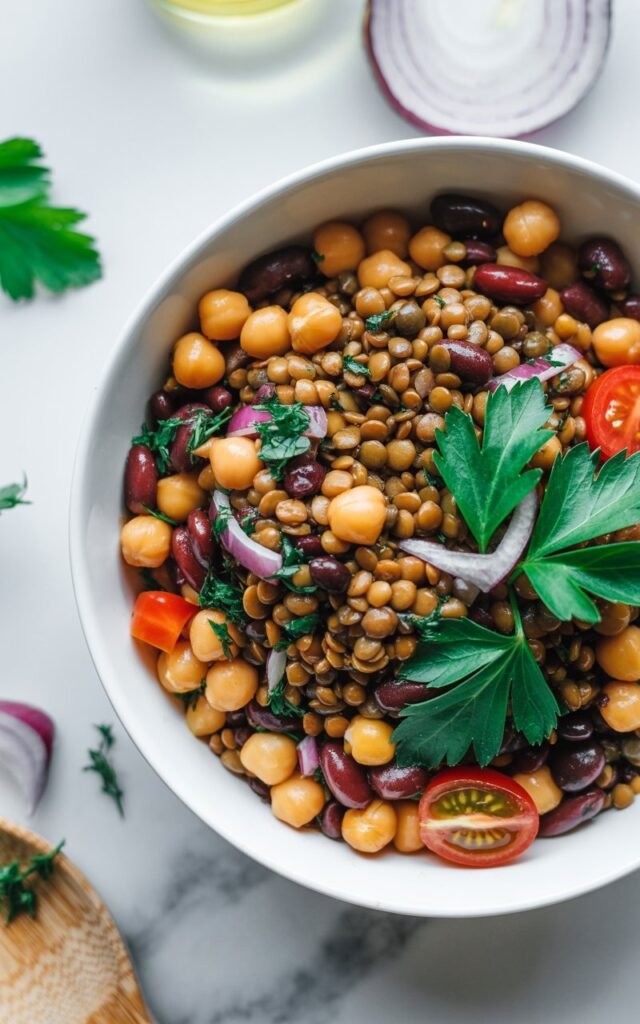
Next, we’re going to boost protein and fiber by incorporating legumes into the bowl. For this meal, I used black beans. After rinsing and draining one can, I added them directly into the rice base.
Beans are one of the most affordable and nutrient-dense protein sources you can use. Each cup of cooked beans contains roughly 15 grams of protein, along with fiber, iron, magnesium, and B vitamins.
To make the bowl even more colorful and protein-packed, I added edamame, which is rich in plant-based protein and adds a vibrant green touch.
Including legumes in your Mediterranean meals is a great way to balance your macronutrients, stabilize blood sugar, and feel full longer.
Plus, legumes are extremely versatile—you can use chickpeas, lentils, or kidney beans depending on your preference.
Adding legumes not only enhances the nutritional profile of the meal but also makes it more satisfying.
You’ll notice that the combination of grains and legumes creates a complete protein, making it an excellent option for both vegetarians and meat-eaters looking to boost their protein intake.
Step 3: Incorporate Fresh Vegetables
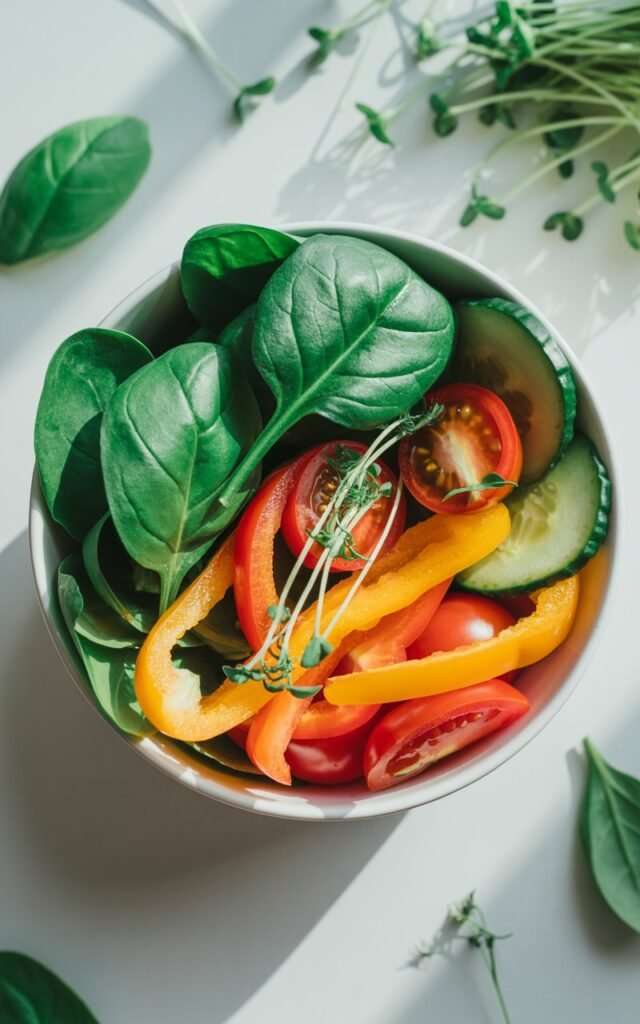
Once the grains and legumes are ready, it’s time to layer in fresh vegetables, which are a cornerstone of the Mediterranean diet.
For this bowl, I used fresh tomatoes from my garden, but you can use anything you have on hand: bell peppers, cucumbers, zucchini, or leftover veggies that need to be used up.
I also like adding greens like lettuce or kale, either as a base under the grains or on top for extra texture and color.
Vegetables provide essential vitamins and minerals, including vitamin C, vitamin K, folate, and antioxidants that support overall health and immunity.
They’re also low in calories, making them perfect for creating volume in meals so you feel satisfied without overeating.
One of the best parts of this step is that you can experiment with colors, flavors, and textures.
Bright red tomatoes, crisp green kale, or even purple cabbage can transform a simple grain bowl into a visually appealing meal that’s as satisfying to the eyes as it is to the taste buds.
Fresh vegetables also enhance digestion and gut health, which is a key component of a balanced Mediterranean lifestyle.
Step 4: Add Protein from Fish
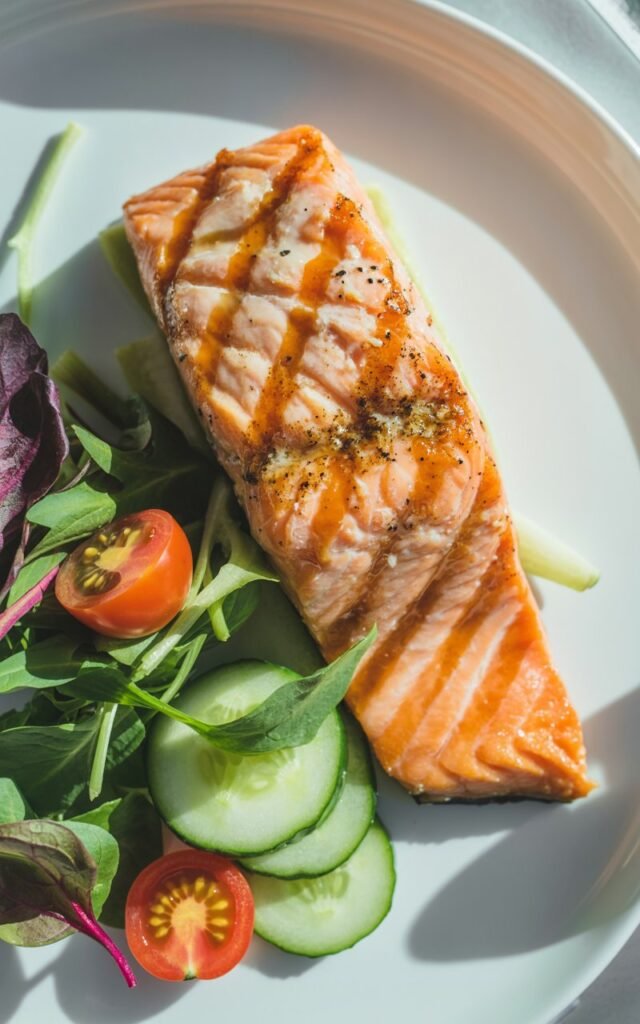
Next, let’s incorporate lean protein from fish, a signature element of the Mediterranean diet. For convenience,
I used a packet of wild-caught tuna, which is quick, inexpensive, and doesn’t require cooking.
Other options include salmon, sardines, or mackerel, depending on your taste and what’s available at your grocery store.
Fish is rich in high-quality protein and omega-3 fatty acids, which support heart, brain, and muscle health.
Including fish in your diet multiple times a week can reduce inflammation, improve cholesterol levels, and provide essential nutrients like vitamin D and selenium.
By adding fish to your bowl, you’re not only making it more filling but also ensuring that it’s a well-rounded, nutrient-dense meal.
This step is flexible—if you prefer plant-based protein, you could add tofu, tempeh, or chickpeas instead.
The goal is to create a meal that’s balanced, satisfying, and tailored to your preferences while staying true to the Mediterranean principles.
Step 5: Finish with Healthy Fats and Toppings
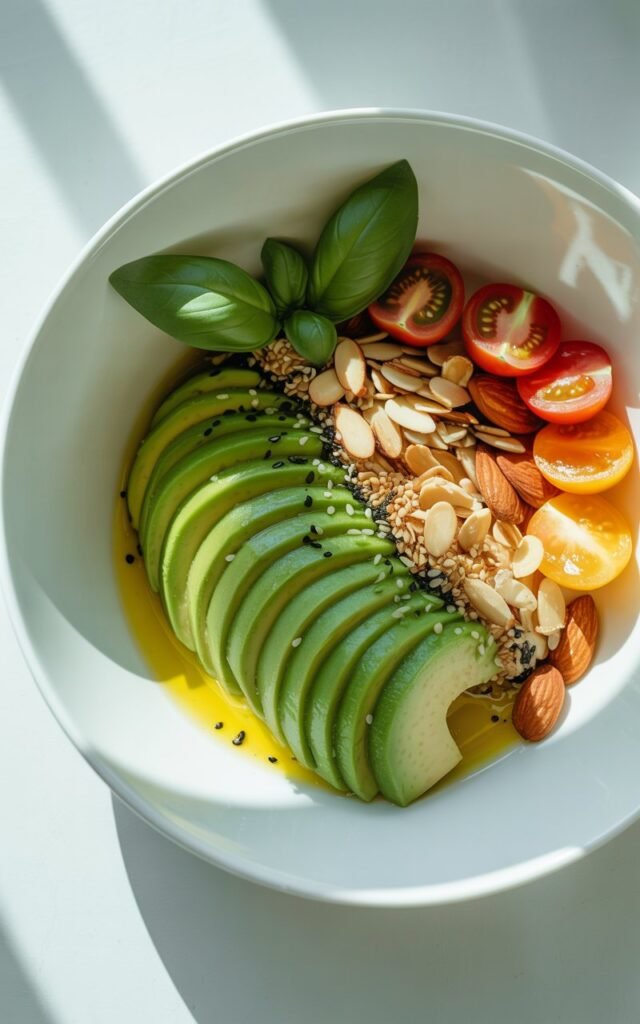
Finally, let’s finish our Mediterranean bowl with healthy fats and optional toppings. A drizzle of olive oil or avocado oil adds richness and supports heart health, while sliced avocado provides creaminess and additional monounsaturated fats.
To add texture and crunch, sprinkle almonds, walnuts, or pumpkin seeds on top. You can also try sofrito, fresh herbs, or a light vinaigrette for extra flavor.
These toppings are not just for taste—they enhance satiety, nutrient absorption, and overall satisfaction, making your meal more enjoyable and complete.
The key is to get creative and make it your own. The Mediterranean diet is flexible, and experimenting with toppings and seasonings allows you to enjoy a variety of flavors without getting bored.
Step 6: Meal Prep and Storage
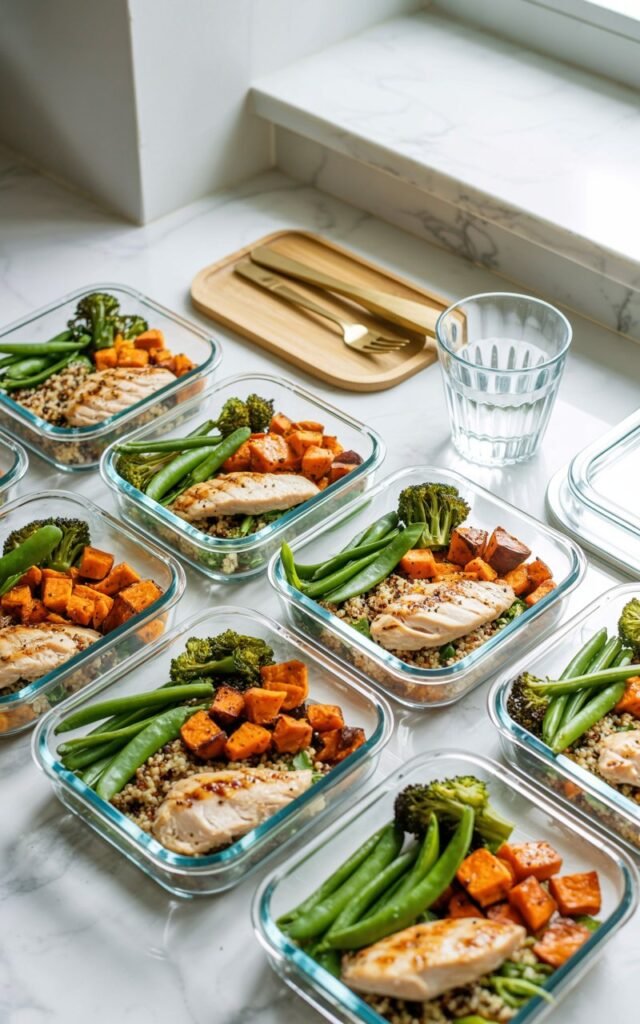
Once your Mediterranean bowl is ready, you can divide it into containers for easy meal prep. Store them in the fridge for lunches, quick dinners, or as part of your weekly meal rotation.
This makes it easy to enjoy a healthy, balanced meal without spending extra time in the kitchen every day.
The simplicity of this meal prep method proves that eating Mediterranean doesn’t have to be complicated.
With just a few pantry staples, fresh vegetables, legumes, fish, and healthy fats, you can create quick, nutritious, and satisfying meals that are ready in minutes.
Related Mediterranean Diet Guides:
Conclusion
In just five minutes, you’ve created a colorful, nutrient-dense, and affordable Mediterranean meal that’s high in protein, fiber, and healthy fats.
This approach shows that the Mediterranean diet can be flexible, practical, and cost-effective, all while delivering excellent nutrition and flavor.
With whole grains, legumes, vegetables, fish, and healthy fats on hand, you can make quick meals any day of the week.
The Mediterranean diet is all about balance, variety, and enjoyment, and this 5-minute meal demonstrates that eating well doesn’t have to be difficult or expensive.