



Transitioning from a skinny frame to a fit, toned physique requires a combination of structured workouts, progressive strength training, and consistent nutrition.
For many women, home workouts provide the perfect solution — convenient, cost-effective, and fully adaptable to any fitness level.
This ultimate home workout plan focuses on building lean muscle, improving strength, and enhancing overall body composition without the need for a full gym.
By targeting all major muscle groups and combining strength, cardio, and core exercises, this plan ensures a balanced approach that supports sustainable results.
The key to success is consistency and progression. Starting with manageable routines and gradually increasing intensity allows your body to adapt safely while preventing injury.
This plan also emphasizes proper form, recovery, and modifications so that it works for beginners, intermediates, and advanced trainees alike.
Below, you’ll find the first three sections of your plan, detailing how to prepare, structure workouts, and start building strength at home.
1. Preparing Your Home Workout Space
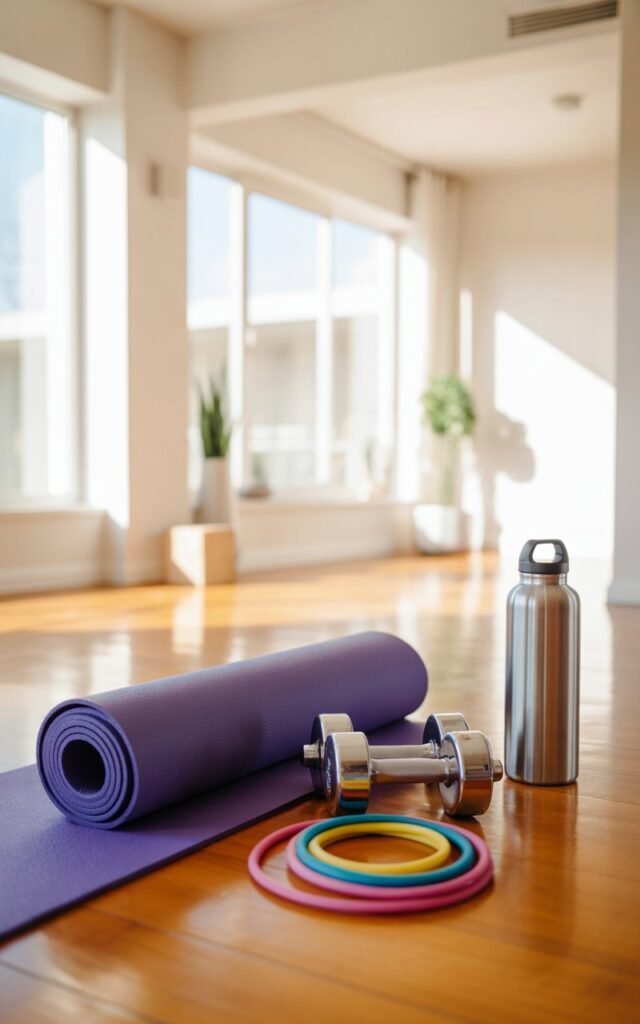
Creating a functional and safe workout area is the first step toward success. A well-organized space ensures focus, prevents injuries, and makes home training more effective.
How To Prepare:
- Clear Space: Remove obstacles and create enough room to move freely.
- Ventilation: Ensure proper airflow to stay comfortable during intense workouts.
- Surface: Use a yoga mat or non-slip flooring for floor exercises and stretches.
- Equipment Storage: Keep dumbbells, resistance bands, or stability balls organized for easy access.
What You’ll Need:
- Yoga mat or exercise mat
- Dumbbells or resistance bands
- Stability ball (optional)
- Water bottle and towel
2. Strength Training Fundamentals

Strength training is the cornerstone of transforming a skinny frame into a fit and toned physique. It builds lean muscle, increases metabolism, and enhances body shape.
How To Start:
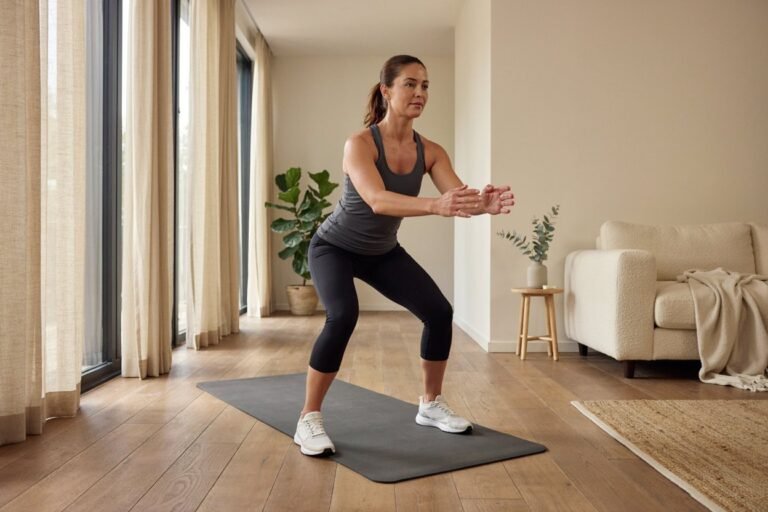
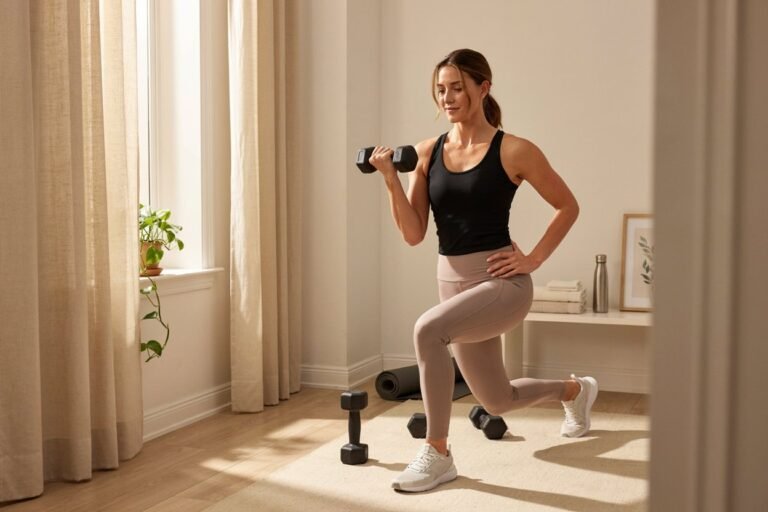
- Bodyweight Exercises: Squats, lunges, push-ups, and glute bridges form the foundation for strength.
- Progressive Overload: Gradually increase resistance or repetitions as you gain strength.
- Full-Body Focus: Incorporate exercises that target all major muscle groups to ensure balanced development.
- Repetition Range: Aim for 8–12 reps per set for muscle growth, performing 2–4 sets per exercise.
What You’ll Need:
- Dumbbells or resistance bands
- Mat or comfortable floor space
- Timer or workout log
3. Home Cardio and Conditioning

Cardio complements strength training by improving cardiovascular health, boosting calorie burn, and increasing stamina. At home, cardio can be highly effective with minimal equipment.
How To Include Cardio:
- High-Intensity Interval Training (HIIT): Alternate between 30–60 seconds of intense exercise (like jumping jacks or burpees) and short rest periods.
- Low-Impact Cardio: Marching in place, step-ups, or shadow boxing are easier on joints while still increasing heart rate.
- Duration and Frequency: Aim for 15–30 minutes per session, 3–5 times per week.
What You’ll Need:
- Comfortable shoes or training barefoot on a mat
- Small space for movement
- Optional: jump rope or step platform
4. Core Strength and Stability

A strong core supports overall strength, balance, and posture — essential for any home workout plan. Focusing on the core helps improve daily movement efficiency and enhances performance in strength exercises.
How To Train Your Core:
- Planks: Hold a front plank or side plank for 30–60 seconds, keeping your body in a straight line.
- Glute Bridges: Engage the glutes and lower back while lifting hips off the floor.
- Bicycle Crunches: Rotate your torso to target obliques and abdominal muscles.
- Mountain Climbers: Combine core engagement with cardio for endurance and fat burning.
What You’ll Need:
- Exercise mat or soft surface
- Optional: stability ball for added difficulty
- Timer for holds or intervals
5. Flexibility and Mobility
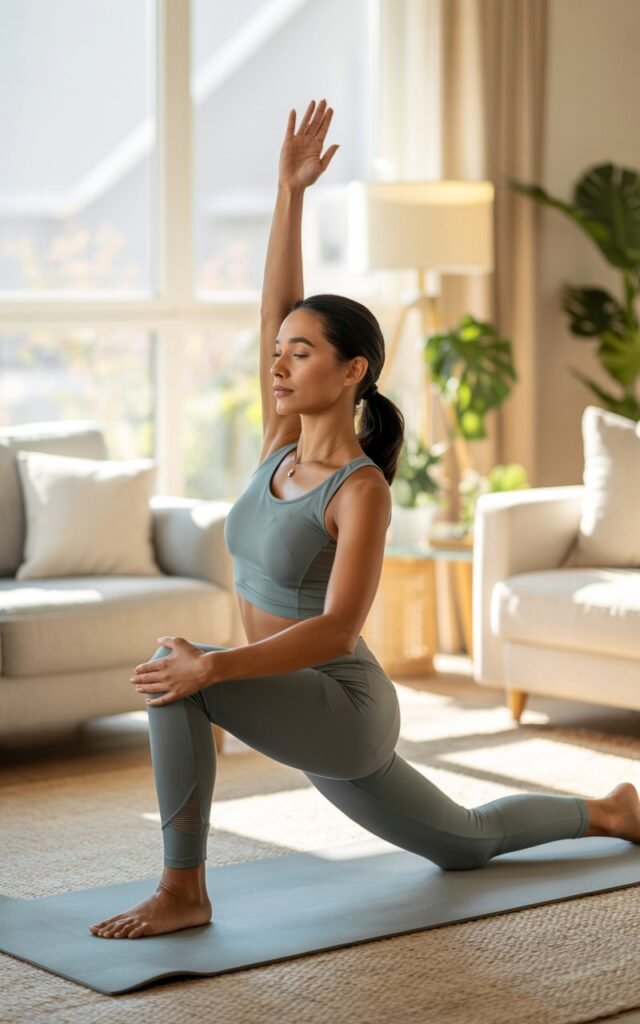
Incorporating flexibility and mobility ensures safe movement, reduces injury risk, and enhances recovery. Stretching before and after workouts improves range of motion and muscle function.
How To Include Flexibility and Mobility:
- Dynamic Stretches: Perform arm swings, leg swings, and torso twists before workouts.
- Static Stretches: Stretch hamstrings, quads, chest, and shoulders after sessions.
- Mobility Drills: Include shoulder rotations, hip openers, and ankle mobility exercises to improve joint range of motion.
- Yoga or Pilates: Short sessions enhance flexibility, core strength, and mind-body connection.
What You’ll Need:
- Mat or comfortable surface
- Resistance bands or yoga strap (optional)
- Comfortable clothing for full range of motion
6. Weekly Home Workout Schedule

A consistent weekly schedule balances strength, cardio, core, and flexibility, allowing for progression and proper recovery.
Sample Weekly Plan:
- Monday: Strength Training (Full Body) + Core
- Tuesday: Cardio (HIIT or Low-Impact) + Stretching
- Wednesday: Strength Training (Full Body) + Mobility Work
- Thursday: Active Recovery (Yoga, Walking, or Light Stretching)
- Friday: Strength Training (Full Body) + Core
- Saturday: Cardio + Flexibility Work
- Sunday: Rest or Light Active Recovery
Tips for Success:
- Start with manageable intensity and gradually progress.
- Keep sessions between 30–60 minutes to maintain consistency.
- Track progress in a notebook or app to monitor improvements in strength, endurance, and body composition.
- Adjust exercises based on your fitness level and available equipment.
What You’ll Need:
- Dumbbells, resistance bands, or bodyweight options
- Mat or exercise space
- Timer or workout log
- Water and towel for hydration and comfort
7. Nutrition Tips for Going from Skinny to Fit
Nutrition is a critical part of transforming your body. Eating the right foods ensures you have the energy to train, recover properly, and build lean muscle without adding unwanted fat.
How To Support Your Goals with Nutrition:
- Prioritize Protein: Include sources like chicken, fish, eggs, tofu, or Greek yogurt in each meal to support muscle growth.
- Complex Carbohydrates: Oats, quinoa, sweet potatoes, and brown rice provide sustained energy for workouts.
- Healthy Fats: Avocado, nuts, seeds, and olive oil support hormone balance and overall health.
- Frequent Balanced Meals: Eat 3–5 balanced meals or snacks throughout the day to fuel training and recovery.
- Hydration: Drink water consistently throughout the day, especially before and after workouts.
What You’ll Need:
- Lean protein sources and complex carbs
- Healthy fats such as nuts and olive oil
- Water bottle or hydration source
- Meal prep containers for planning
8. Staying Consistent and Motivated

Consistency is the key to seeing results. Staying motivated at home can be challenging, but a few strategies help maintain focus and progress.
How To Stay Consistent:
- Set Clear Goals: Define what “fit” means for you and break it into weekly or monthly milestones.
- Track Your Progress: Record reps, weights, or time spent on exercises to see improvement over time.
- Variety in Workouts: Rotate exercises or try new variations to prevent boredom and challenge your muscles differently.
- Schedule Workouts: Treat sessions as appointments in your calendar to ensure they happen.
- Reward Yourself: Celebrate achievements with non-food rewards, like a new workout top or self-care activity.
What You’ll Need:
- Planner, calendar, or workout app
- Optional: timer for circuit or interval sessions
- Supportive environment, such as a quiet space or upbeat music
Final Thoughts
Transforming from skinny to fit at home is achievable with a structured plan that combines strength, cardio, core, and flexibility training.
Consistency, progression, and proper nutrition are essential for building lean muscle, improving endurance, and shaping a strong, toned physique.
By following this home workout plan, you’ll gain confidence, improve your energy, and develop long-lasting healthy habits — all without the need for a gym.
Remember, progress takes time, so focus on steady improvements, celebrate milestones, and stay committed to your goals.
Frequently Asked Questions
1. How often should I train at home?
Aim for 4–6 sessions per week, balancing strength, cardio, and recovery.
2. Can I get results without equipment?
Yes. Bodyweight exercises like squats, push-ups, lunges, and glute bridges are effective for building strength and tone.
3. How do I progress as I get stronger?
Increase resistance with dumbbells, resistance bands, or by adding more sets and reps. Incorporate advanced variations over time.
4. How long will it take to see results?
With consistency, noticeable changes in strength and body composition can appear in 6–12 weeks.
5. How do I stay motivated at home?
Set goals, track progress, vary exercises, schedule workouts, and reward milestones to maintain focus and commitment.


thanks to the author for taking his time on this one.