I used to start my mornings in the worst way possible.
Grabbing my phone.
Scrolling for no reason.
Rushing into the day already feeling behind.
And somehow, that energy followed me for the rest of the day.
I felt tired before I even started.
Unfocused.
A bit irritated for no real reason.
It wasn’t until I added one small habit that things started to shift.
Morning yoga.
Not a full workout.
Not anything intense.
Just a few simple stretches to wake up my body.
And the difference was honestly bigger than I expected.
My mind felt clearer.
My body felt lighter.
And I stopped starting my day in a rush.
That’s exactly why I put this routine together.
It’s simple, beginner-friendly, and something you can actually stick to.
Why Morning Yoga Works So Well
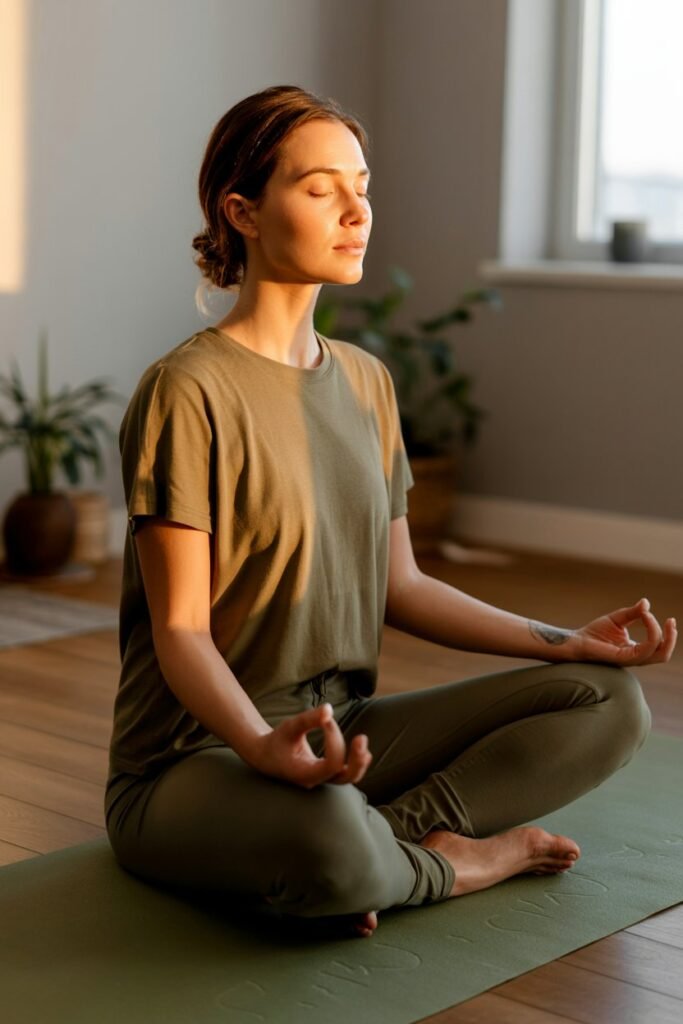
There’s something powerful about slowing down before the day begins.
Instead of jumping straight into stress, you give your body a moment to adjust.
Morning yoga helps you:
- Wake up your muscles gently
- Reduce stiffness from sleep
- Improve your mood naturally
- Start your day feeling more in control
And the best part is, you don’t need a lot of time.
Even 10 minutes can completely change how your day feels.
What You Need Before You Start

This routine is meant to be simple.
You don’t need fancy equipment or a perfect setup.
All you really need is:
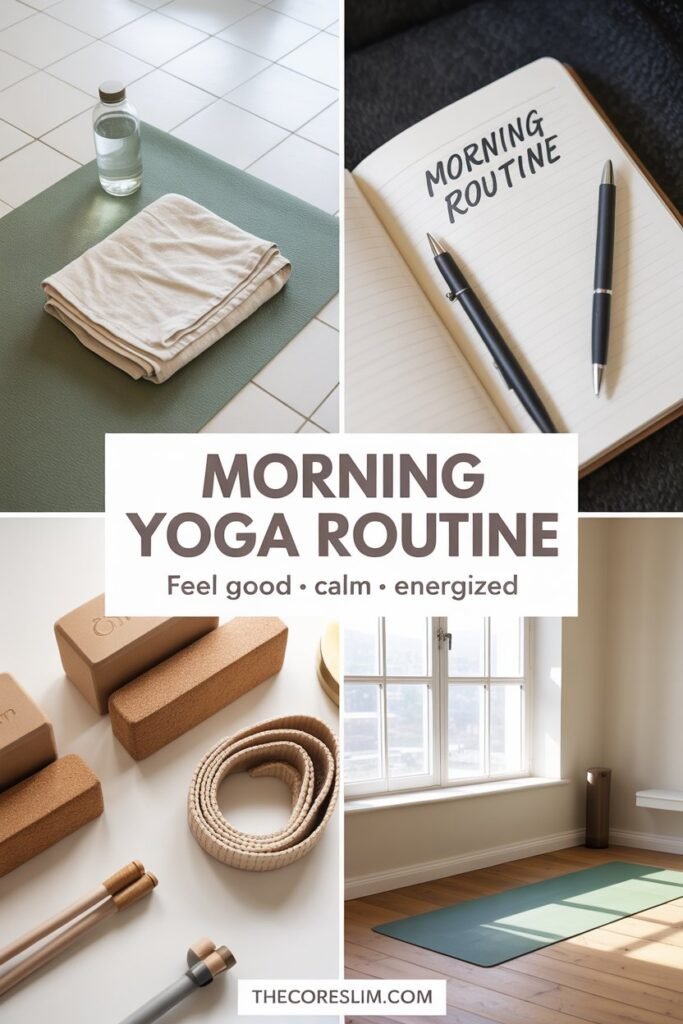
- A yoga mat or soft surface
- Comfortable clothing
- A quiet space
- A few uninterrupted minutes
That’s it.
No pressure to be perfect.
No pressure to do everything right.
Just show up and move your body.
How This Routine Is Designed
This routine focuses on gentle movement and simple stretches.
The goal isn’t to push yourself.
It’s to wake your body up slowly and naturally.
You’ll move through a mix of:
- Light stretching
- Easy poses
- Controlled breathing
Take your time with each movement.
Don’t rush.
And most importantly, listen to your body.
1. Child’s Pose
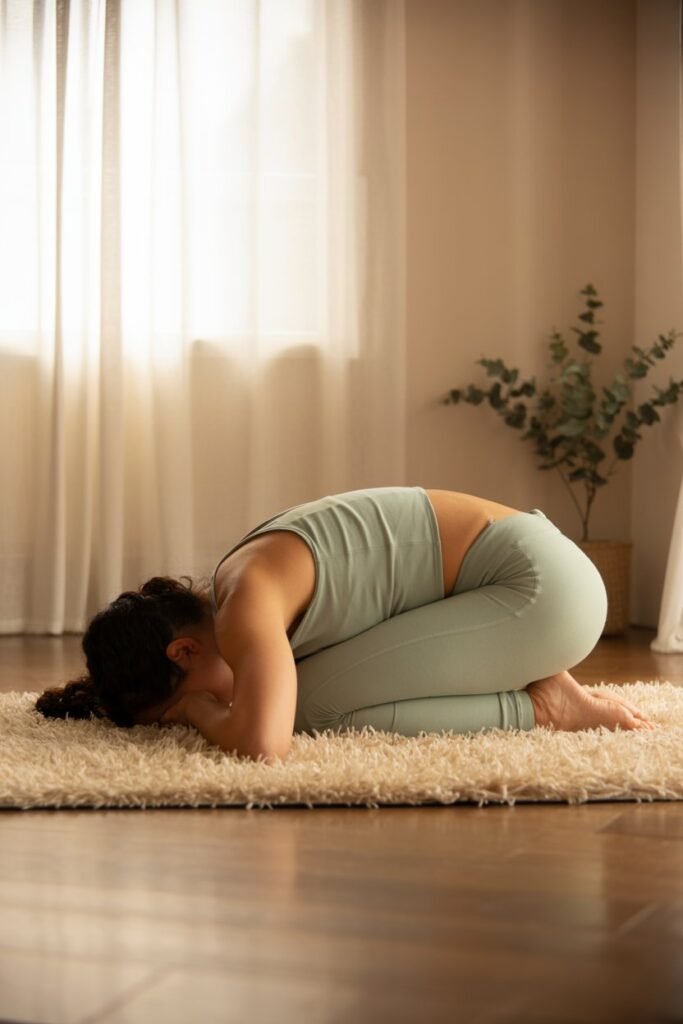
This is where I always start.
It’s simple, calming, and helps you ease into movement without any pressure.
Why It Helps
- Relaxes your body
- Releases tension in your back and shoulders
- Helps you focus on your breathing
How to Do It
Start by kneeling on the floor.
Sit back onto your heels and slowly stretch your arms forward.
Lower your chest down and rest your forehead on the ground.
Stay here for a few deep breaths.
2. Cat-Cow Stretch
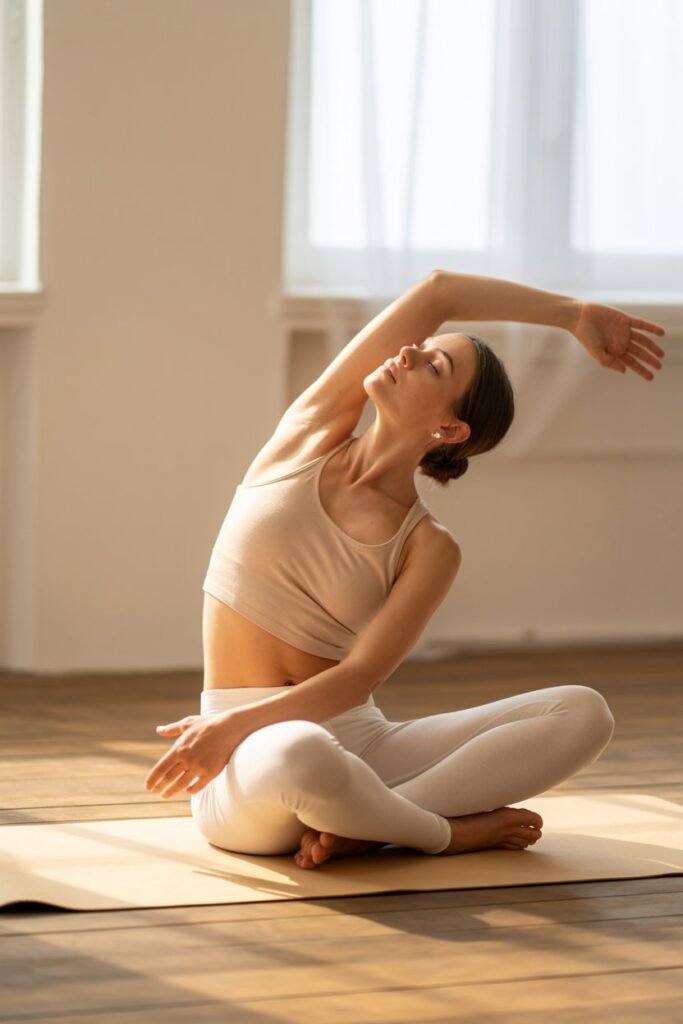
This is one of the best ways to wake up your spine in the morning.
It’s gentle but very effective.
Why It Helps
- Loosens up your back
- Improves flexibility
- Gets your body moving naturally
How to Do It
Start on your hands and knees.
As you inhale, drop your belly and lift your head slightly.
As you exhale, round your back and tuck your chin in.
Move slowly and repeat a few times.
3. Downward Dog
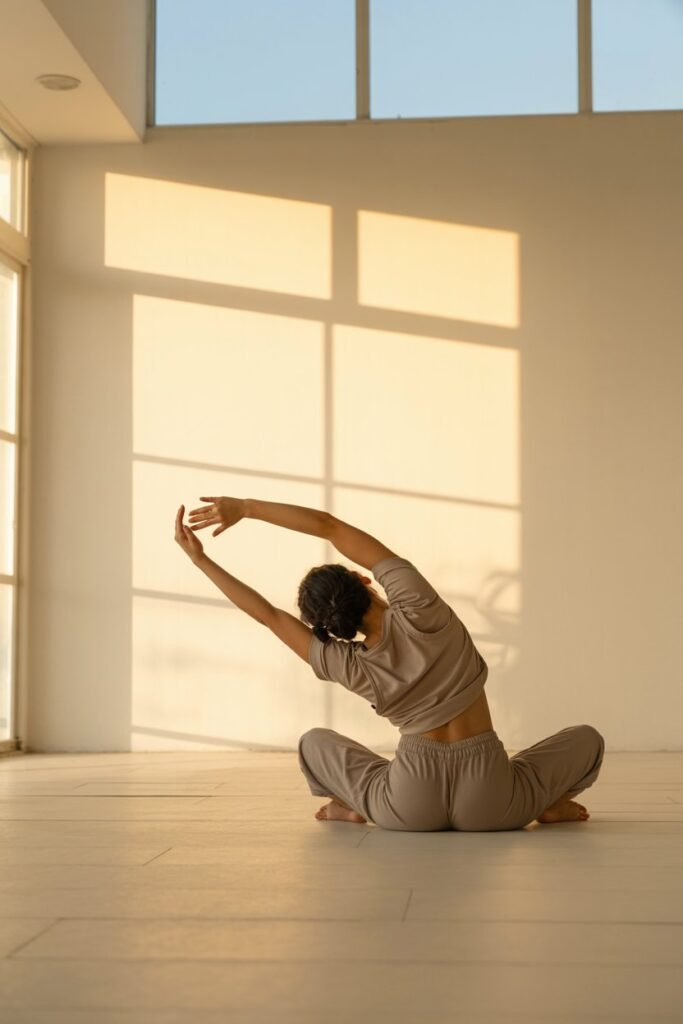
This is where you start to stretch your whole body.
It might feel tight at first, and that’s completely normal.
Why It Helps
- Stretches your legs and back
- Builds light strength
- Improves circulation
How to Do It
From your hands and knees, lift your hips up and back.
Try to form an upside-down V shape with your body.
Keep your hands firmly on the ground and relax your neck.
Don’t worry about getting it perfect.
4. Standing Forward Fold

This is a simple stretch that helps release tension quickly.
Especially if you wake up feeling stiff.
Why It Helps
- Relieves tension in your back and neck
- Stretches your hamstrings
- Helps your body relax
How to Do It
Stand up straight, then slowly bend forward from your hips.
Let your arms hang down naturally.
Keep your knees slightly bent if needed.
5. Low Lunge Stretch
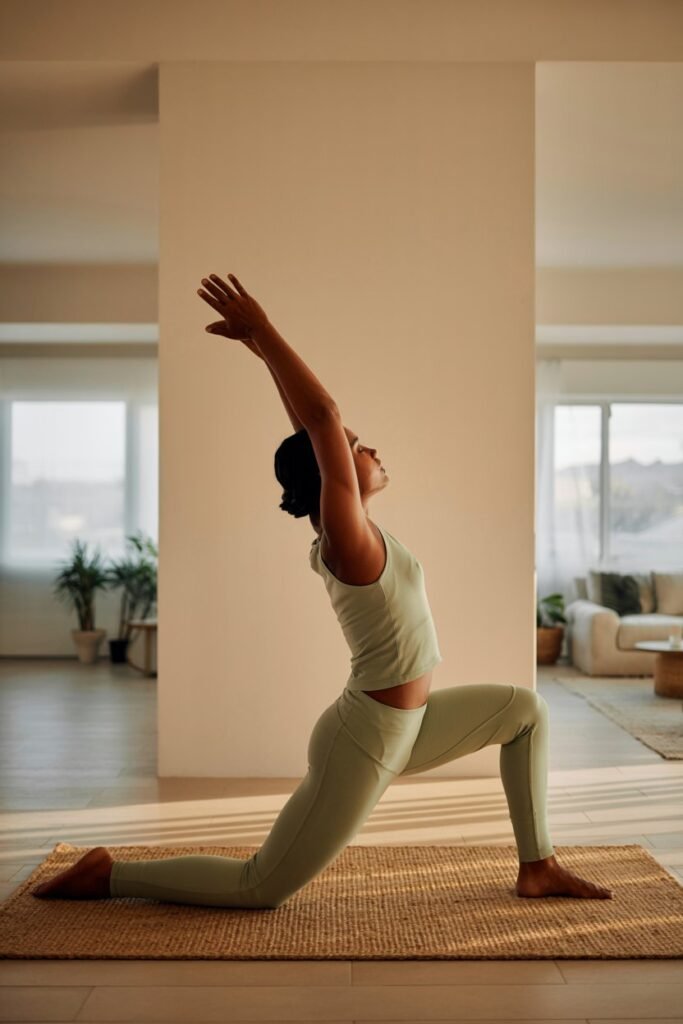
This is where you start to open up your hips and stretch deeper.
If you sit a lot or wake up feeling tight, this one helps a lot.
Why It Helps
- Opens your hips
- Stretches your legs
- Improves flexibility
How to Do It
Step one foot forward into a lunge position while keeping your back knee on the ground.
Place your hands on your front knee or the floor.
Hold for a few breaths, then switch sides.
6. Cobra Pose

This is a gentle way to wake up your upper body.
It also helps improve posture over time.
Why It Helps
- Stretches your chest and shoulders
- Strengthens your back
- Helps with posture
How to Do It
Lie on your stomach with your hands under your shoulders.
Slowly press up, lifting your chest while keeping your hips on the ground.
Keep it gentle, don’t push too far.
7. Seated Forward Fold
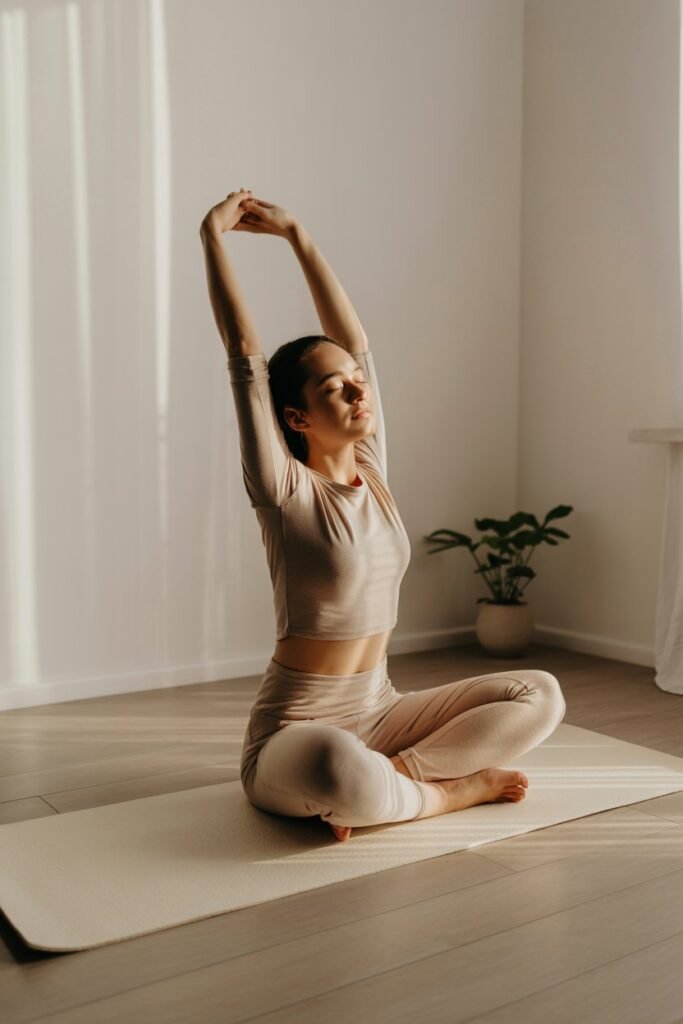
This is a slower, deeper stretch that helps you relax before finishing.
Why It Helps
- Stretches your legs and lower back
- Calms your body
- Helps release tension
How to Do It
Sit with your legs extended in front of you.
Slowly reach forward toward your feet.
Don’t force it, just go as far as feels comfortable.
8. Easy Seated Breathing

This is how you bring everything together.
It might seem simple, but it makes a big difference.
Why It Helps
- Calms your mind
- Helps you feel grounded
- Prepares you for the day
How to Do It
Sit comfortably with your back straight.
Close your eyes if you want.
Take slow, deep breaths in and out for a minute or two.
Expert Tips

If you want this routine to actually make a difference, keep it simple and focus on consistency.
Move slowly instead of rushing through the poses, and pay attention to your breathing because that’s what helps your body relax and reset.
It also helps to do it at the same time every morning so it becomes a habit instead of something you have to think about.
And don’t worry about doing everything perfectly, the goal is to feel better, not to get every pose right.
How I Actually Use This Routine

I don’t overcomplicate it.
Most mornings, I just go through these poses slowly and focus on how my body feels.
Some days I take my time.
Other days I move through it quickly.
The key is consistency, not perfection.
Even on busy mornings, doing a shorter version still helps.
Mistakes to Avoid
When I first started, I made a few simple mistakes that made it harder than it needed to be.
Trying to rush through the poses
Forcing stretches too much
Skipping breathing completely
Once I slowed down and stopped trying to do everything perfectly, it felt much better.
What Makes This Routine Work
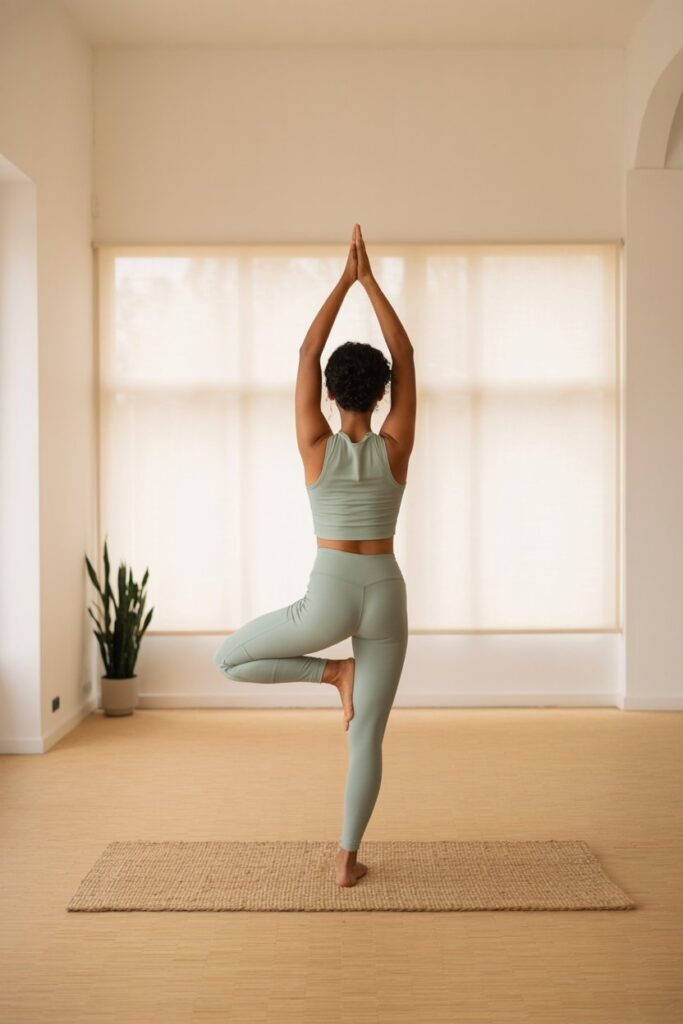
It’s not about doing advanced poses.
It’s about:
- Moving your body
- Breathing slowly
- Starting your day with intention
That’s what actually makes the difference.
FAQ: Morning Yoga Routine
How long should this routine take?
Around 10 to 15 minutes. You can make it shorter or longer depending on your schedule.
Do I need to be flexible to start?
Not at all. This routine is beginner-friendly and meant to help improve flexibility over time.
Can I do this every day?
Yes. It’s gentle enough to do daily and works best when you stay consistent.
What if I don’t have time in the morning?
Even doing a few poses for 5 minutes is better than skipping it completely.
Final Thoughts
You don’t need a complicated routine to have a better day.
Sometimes, it’s the simplest habits that make the biggest difference.
This routine helped me:
- Feel more calm in the morning
- Improve my focus
- And start my day in a better mood
Start small.
Stay consistent.
And let it become part of your morning naturally.