Strength training is one of the most powerful things women can do for their health, confidence, and long-term fitness. Yet many beginners feel intimidated before they even start.
Gym equipment can look confusing, workout advice online often feels overwhelming, and there are still outdated myths that make some women worry about becoming “too bulky.”
The truth is that strength training is not just for bodybuilders or athletes. It is for every woman who wants to feel stronger, healthier, more energetic, and more confident in her body.
Whether your goal is weight loss, toned muscles, improved posture, increased energy, or better overall wellness, strength training can help you get there.
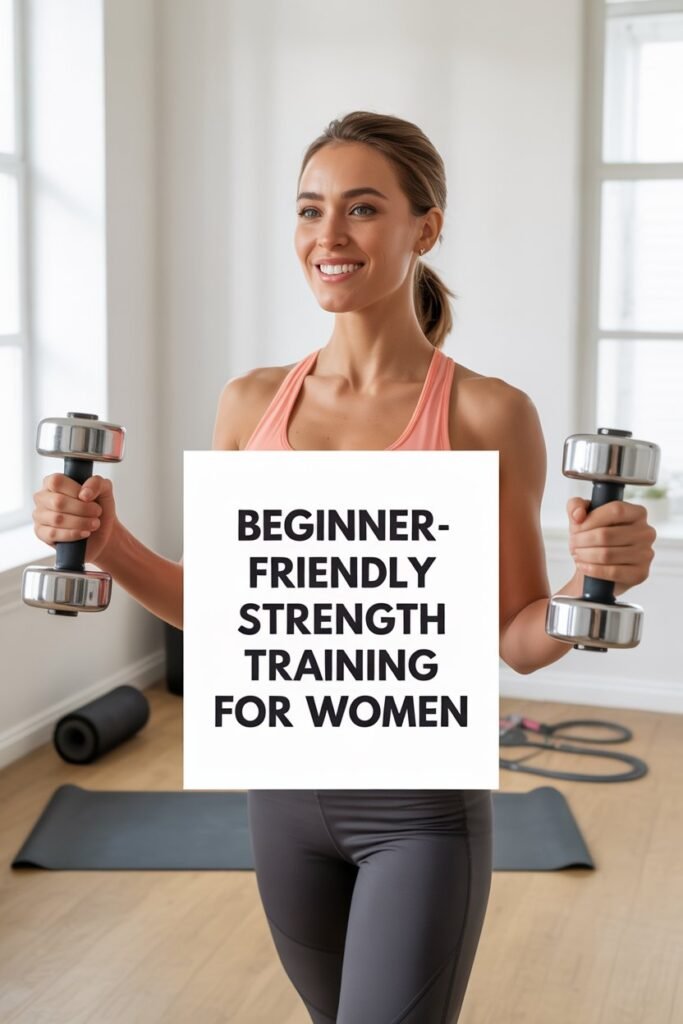
The best part is that you do not need years of experience or expensive equipment to begin.
A simple beginner-friendly routine done consistently can completely transform your strength, fitness level, and mindset over time.
This guide will walk you through everything you need to know about beginner-friendly strength training for women, including benefits, beginner exercises, workout plans, common mistakes, nutrition tips, and ways to stay motivated.
Disclaimer: This post may contain affiliate links, which means I may earn a small commission at no extra cost to you. Always start slowly with proper form and consult a qualified fitness or healthcare professional before beginning a new strength training program.
Amazon Shopping List: Beginner-Friendly Strength Training for Women
- Adjustable Dumbbell Set
- Resistance Bands Set (Beginner to Advanced Levels)
- Non-Slip Exercise Yoga Mat
- Adjustable Kettlebell
- Foldable Workout Bench
- Ankle Weights Set
- Workout Water Bottle (Large Capacity, Leakproof)
What Is Strength Training?
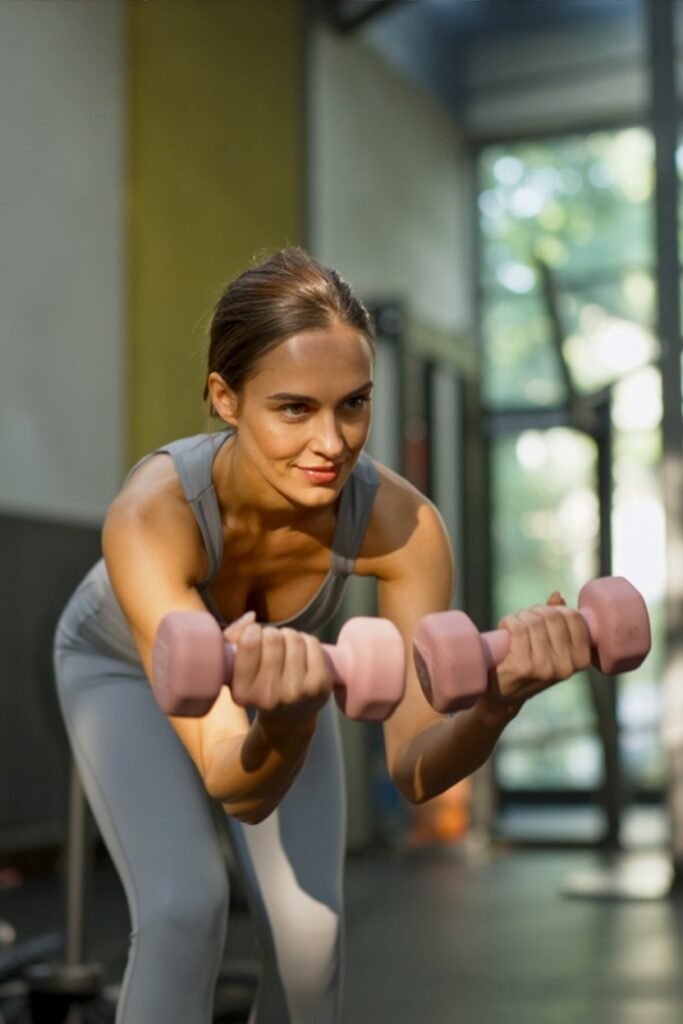
Strength training is a type of exercise that helps build muscle strength and endurance by making your muscles work against resistance. This resistance can come from:
- Dumbbells
- Resistance bands
- Barbells
- Kettlebells
- Machines
- Your own body weight
Exercises like squats, lunges, push-ups, and rows are all forms of strength training.
The goal is not just to build muscle but also to improve how your body functions in everyday life.
Carrying groceries, climbing stairs, lifting children, maintaining posture, and preventing injuries all become easier when your body is stronger.
Why Strength Training Is Important for Women
Many women focus mainly on cardio workouts like walking, running, or cycling.
While cardio is great for heart health, strength training offers unique benefits that cardio alone cannot provide.
Helps Build Lean Muscle
Strength training helps develop lean muscle tissue, which gives the body a toned and sculpted appearance. More muscle also helps improve metabolism.
Supports Healthy Weight Loss
Muscle burns more calories than fat, even while resting. This means strength training can help support long-term fat loss and weight management.
Improves Bone Health
Women are at higher risk for osteoporosis as they age. Strength training helps strengthen bones and may reduce the risk of bone loss.
Boosts Confidence
Feeling physically stronger often leads to improved self-confidence. Many women discover that strength training helps them feel more capable and empowered.
Improves Posture and Balance
Strong muscles support better posture and stability, which can reduce aches and pains caused by weak muscles.
Supports Mental Health
Exercise can reduce stress, anxiety, and symptoms of depression. Strength training also creates a sense of achievement and progress.
Helps Everyday Activities Feel Easier
Simple daily tasks become easier when your muscles are stronger and more conditioned.
Common Myths About Strength Training for Women
“Lifting Weights Will Make Me Bulky”
This is one of the biggest myths.
Women generally do not produce enough testosterone to build extremely large muscles naturally.
Strength training usually creates a lean, toned appearance rather than bulky muscles.
“Cardio Is Better for Weight Loss”
While cardio burns calories during exercise, strength training helps increase muscle mass, which can support calorie burning throughout the day.
“You Need Heavy Weights to See Results”
Beginners can make great progress using light weights, resistance bands, or body weight exercises.
“Strength Training Is Only for Young Women”
Women of all ages can benefit from strength training. In fact, it becomes even more important with age for maintaining mobility and bone strength.
How Often Should Beginners Strength Train?
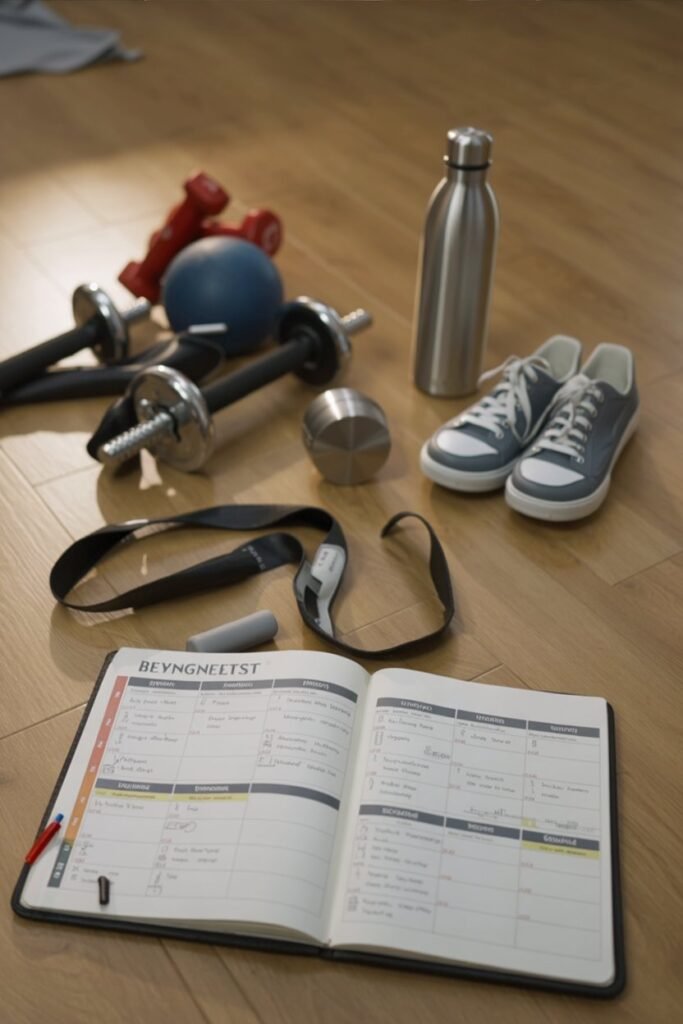
For beginners, 2 to 4 strength training sessions per week is a great starting point.
A simple schedule may look like this:
- Monday: Full body workout
- Wednesday: Full body workout
- Friday: Full body workout
Rest days are important because muscles grow and recover during recovery periods.
Essential Tips Before Starting
Start Slowly
Do not try to do advanced workouts immediately. Focus on learning proper form first.
Warm Up Before Every Workout
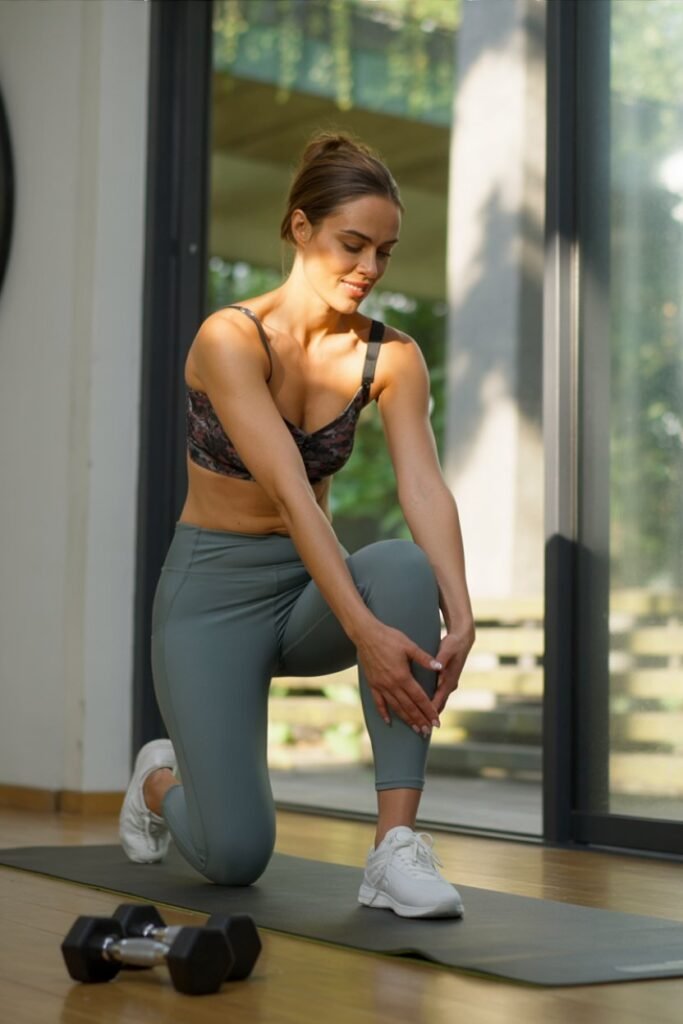
A good warm-up increases blood flow and prepares the body for exercise.
Simple warm-up ideas include:
- Marching in place
- Arm circles
- Light stretching
- Bodyweight squats
- Walking
Focus on Form
Proper form helps prevent injuries and ensures the correct muscles are working.
Use Manageable Weights
Choose weights that feel challenging but still allow proper technique.
Stay Consistent
Consistency matters more than perfection. Small progress over time leads to major results.
Beginner-Friendly Strength Training Exercises for Women
These exercises are excellent for beginners because they target major muscle groups and help build a strong foundation.
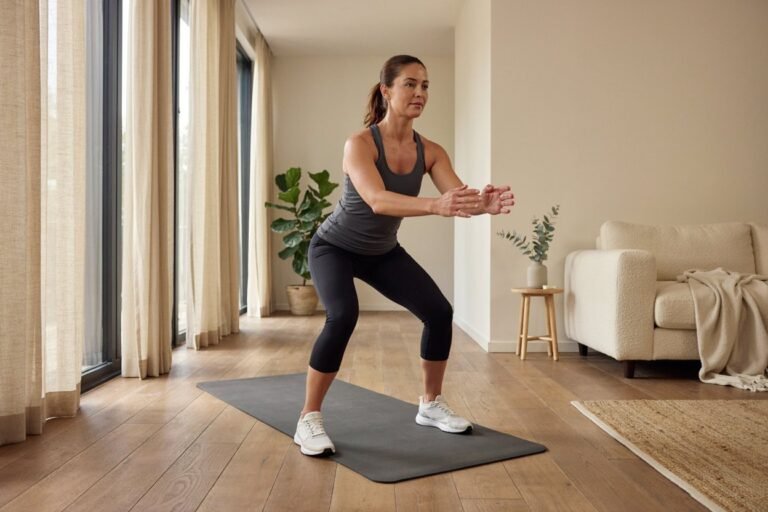
1. Squats
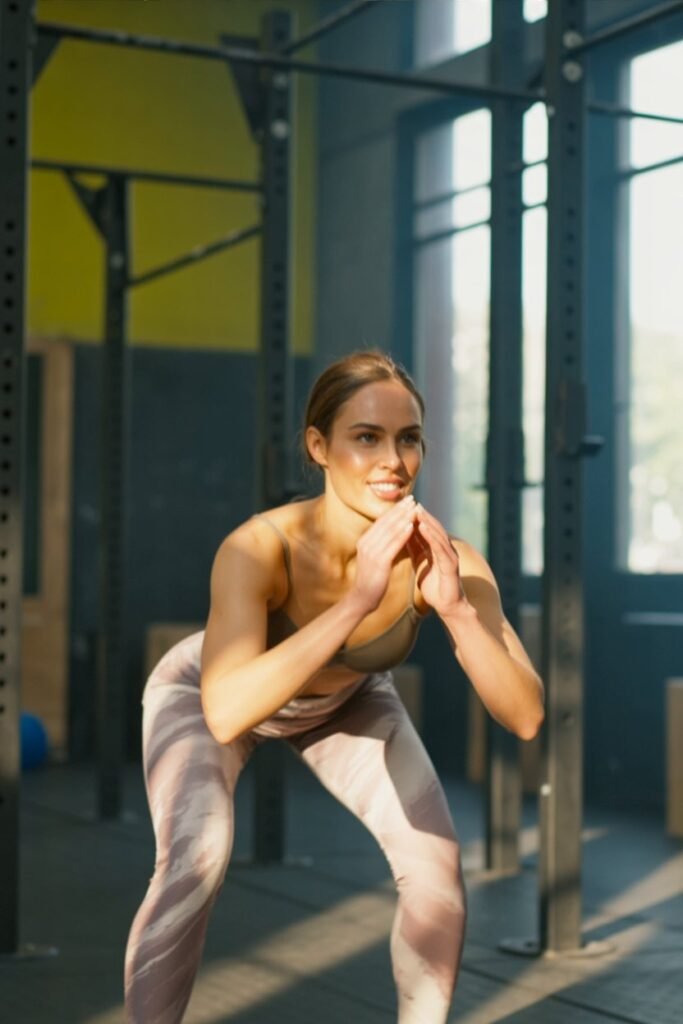
Squats strengthen the legs, glutes, and core.
How to do it:
- Stand with feet shoulder-width apart
- Bend knees and lower hips back
- Keep chest lifted
- Push through heels to stand up
Benefits:
- Builds lower body strength
- Improves balance
- Strengthens core muscles
2. Glute Bridges
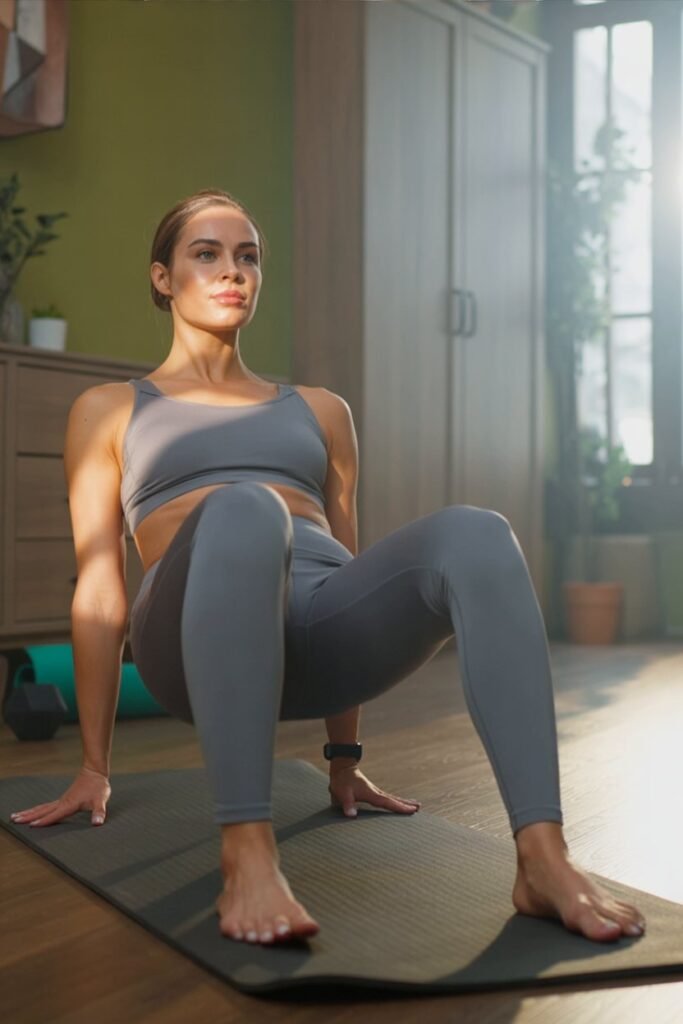
This exercise targets the glutes and lower body.
How to do it:
- Lie on your back with knees bent
- Press feet into the floor
- Lift hips upward
- Squeeze glutes at the top
- Lower slowly
Benefits:
- Strengthens glutes
- Supports lower back health
- Improves hip stability
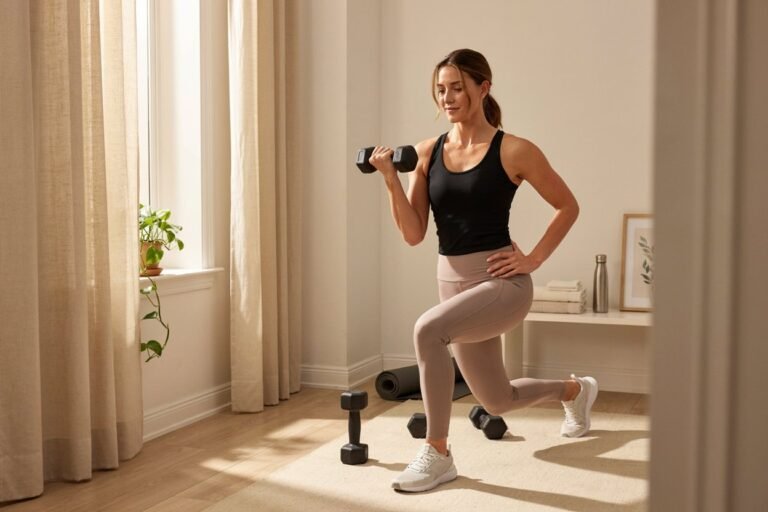
3. Lunges
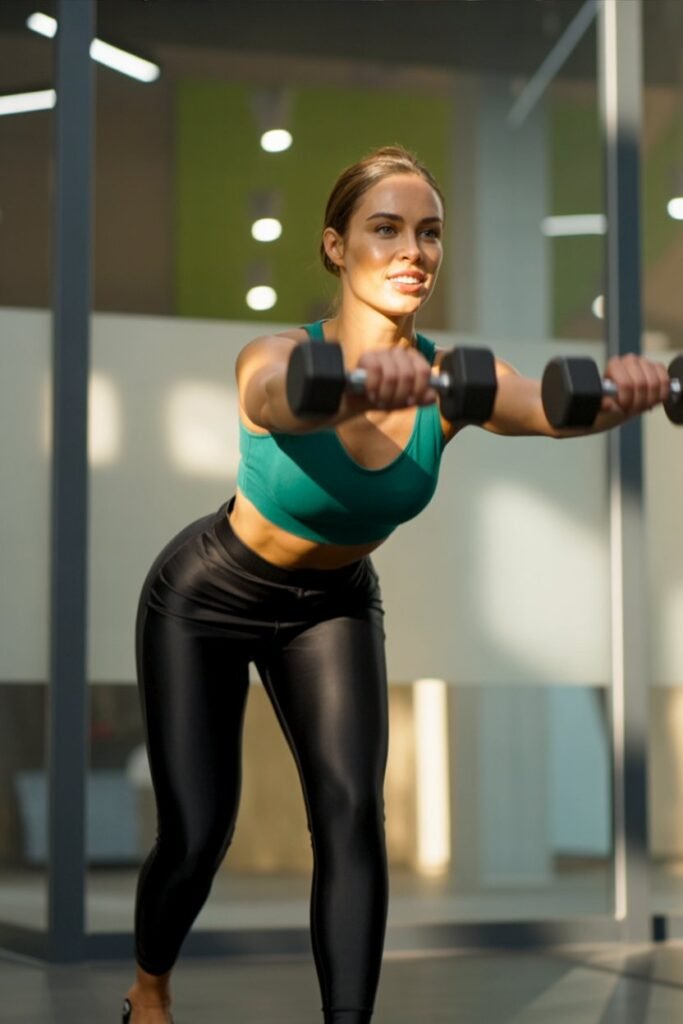
Lunges work the legs and improve coordination.
How to do it:
- Step one foot forward
- Lower until both knees bend
- Push back to starting position
- Repeat on both sides
Benefits:
- Improves leg strength
- Builds balance
- Targets glutes and thighs
4. Push-Ups
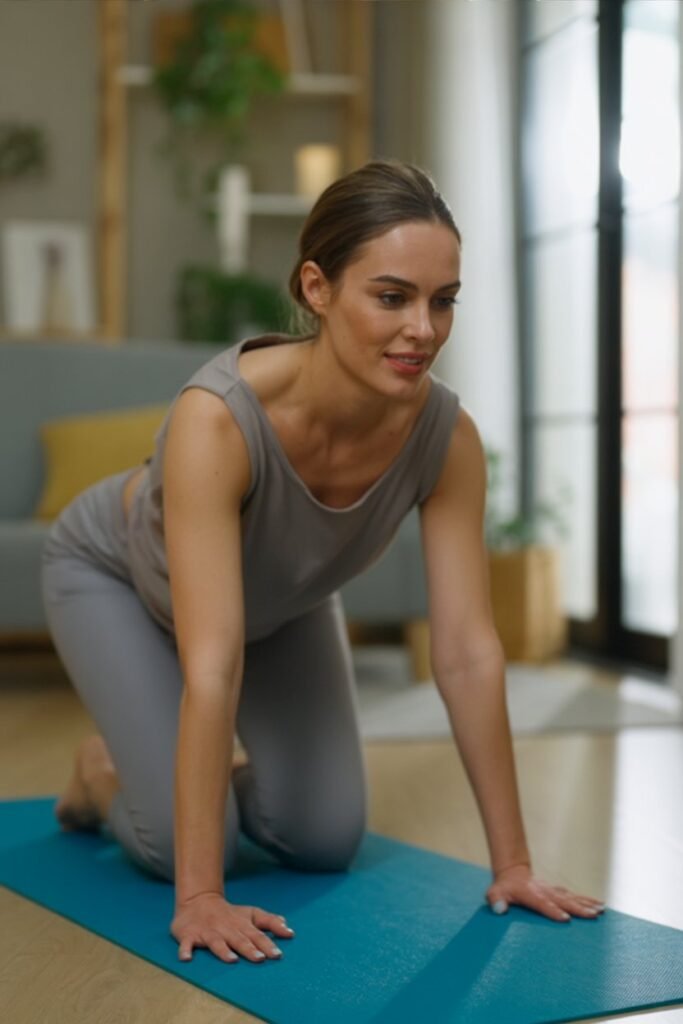
Push-ups strengthen the chest, shoulders, and arms.
Beginner option:
- Start with knee push-ups or wall push-ups
Benefits:
- Builds upper body strength
- Strengthens core muscles
- Improves stability
5. Dumbbell Rows
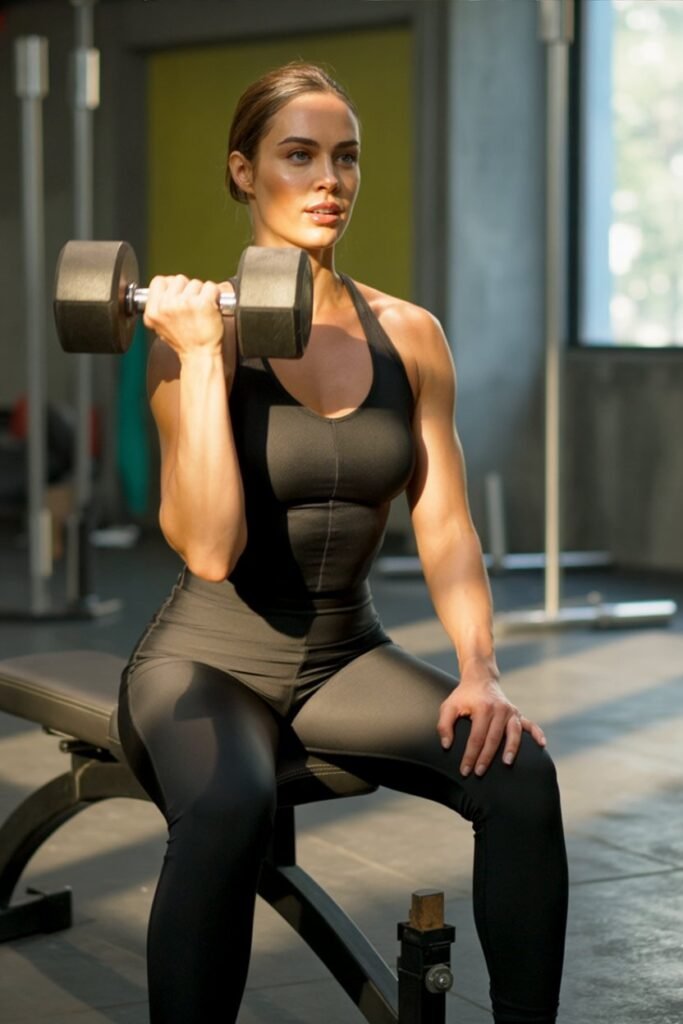
This exercise targets the back muscles.
How to do it:
- Hold a dumbbell in one hand
- Bend slightly forward
- Pull weight toward ribcage
- Lower slowly
Benefits:
- Strengthens back
- Improves posture
- Builds arm strength
6. Shoulder Press
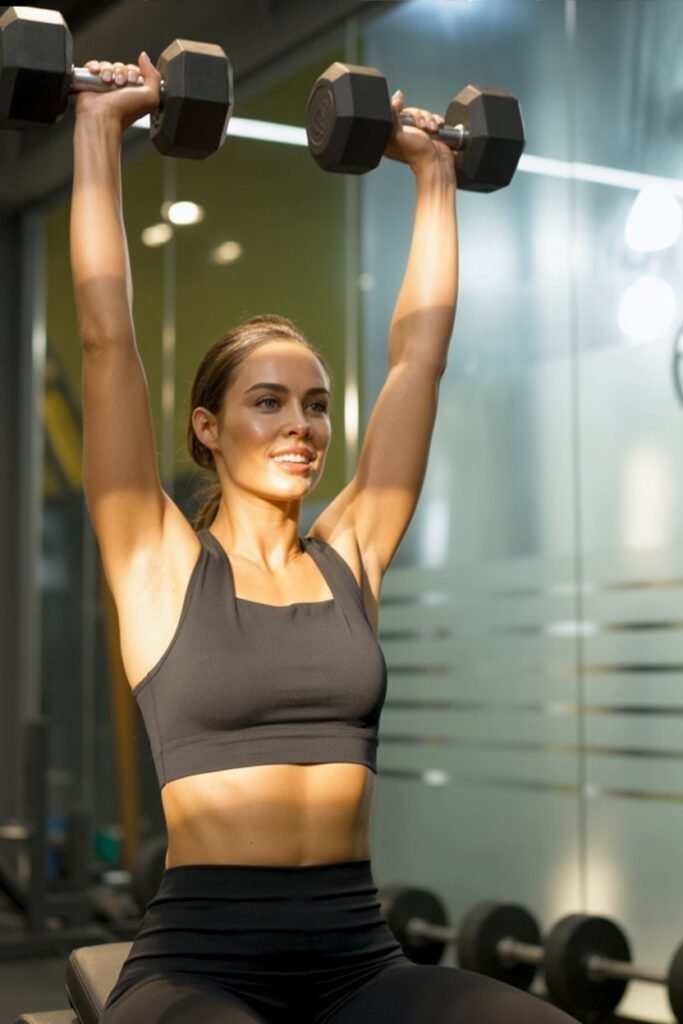
This exercise works the shoulders and arms.
How to do it:
- Hold dumbbells at shoulder height
- Press weights upward
- Lower carefully
Benefits:
- Builds upper body strength
- Improves shoulder stability
7. Deadlifts
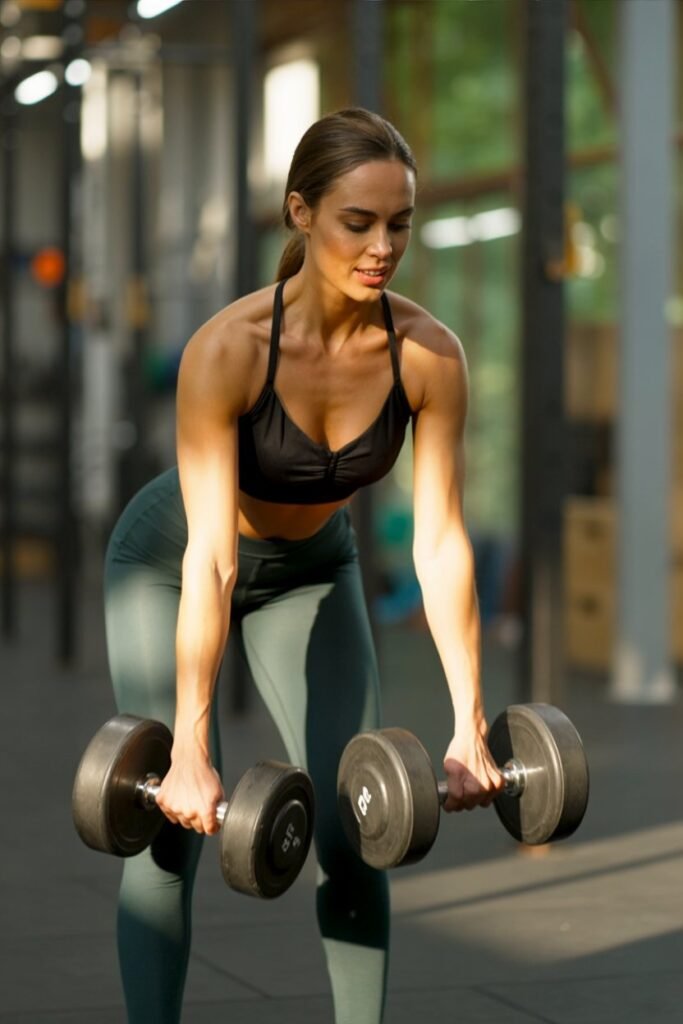
Deadlifts strengthen the back, legs, and glutes.
How to do it:
- Hold weights in front of thighs
- Hinge hips backward
- Lower weights toward shins
- Return to standing
Benefits:
- Strengthens entire body
- Improves posture
- Builds core stability
8. Planks
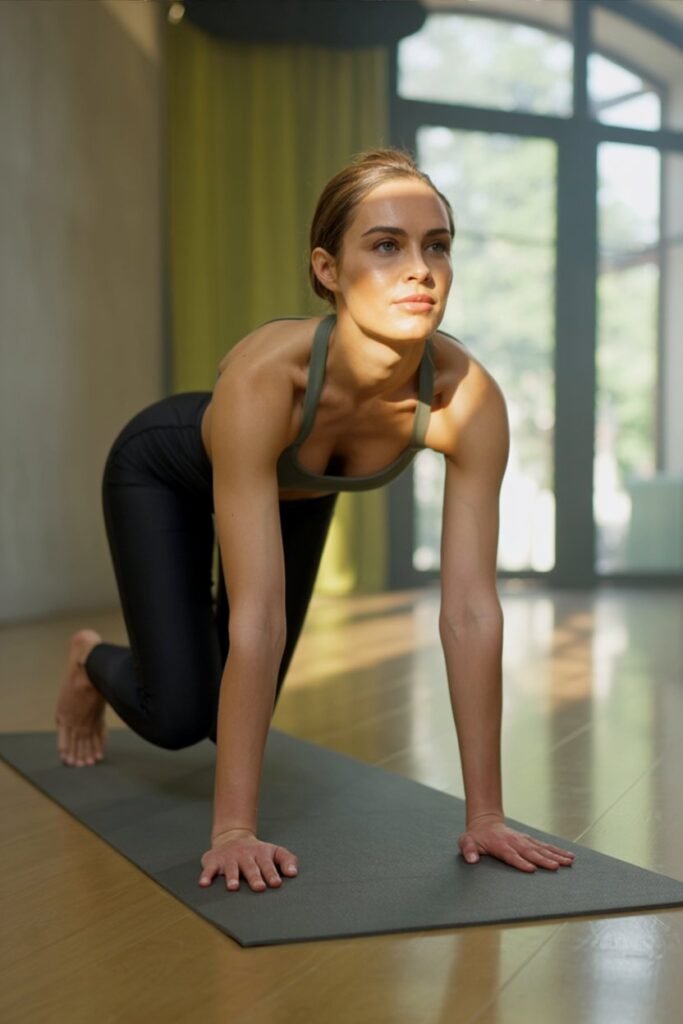
Planks strengthen the core muscles.
How to do it:
- Hold body in a straight line
- Support yourself on elbows and toes
- Keep core tight
Benefits:
- Builds core strength
- Improves posture
- Supports spinal health
Simple Beginner Strength Training Workout Plan
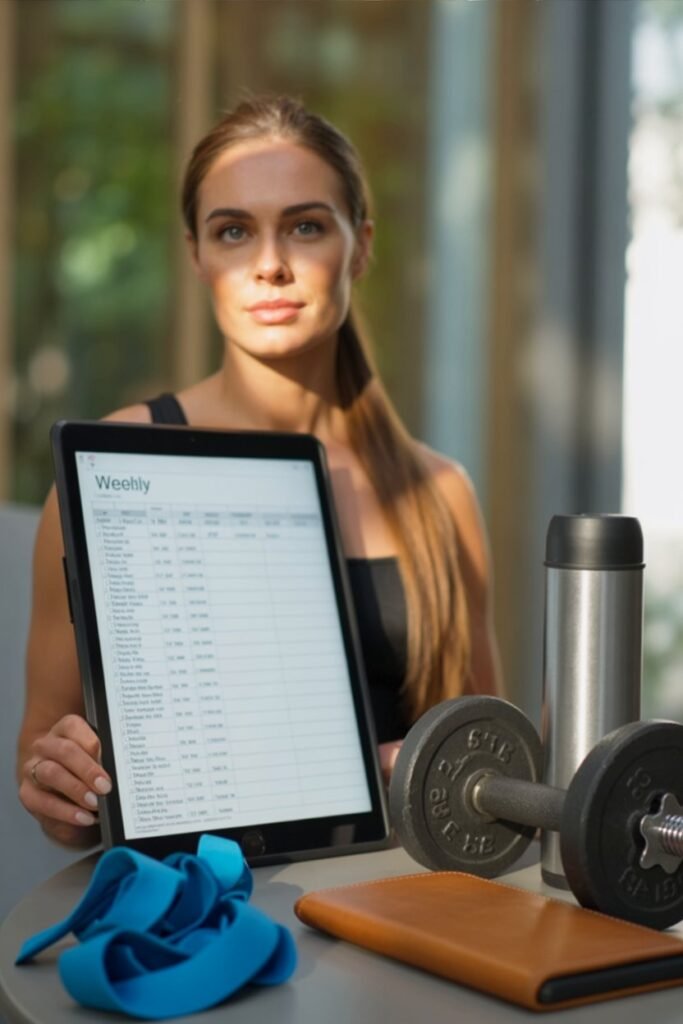
Day 1 Full Body Workout
- Squats — 3 sets of 10 reps
- Push-Ups — 3 sets of 8 reps
- Dumbbell Rows — 3 sets of 10 reps
- Glute Bridges — 3 sets of 12 reps
- Plank — 30 seconds
Day 2 Full Body Workout
- Lunges — 3 sets of 10 reps each leg
- Shoulder Press — 3 sets of 10 reps
- Deadlifts — 3 sets of 10 reps
- Glute Bridges — 3 sets of 12 reps
- Plank — 30 seconds
Day 3 Full Body Workout
- Bodyweight Squats — 3 sets of 12 reps
- Push-Ups — 3 sets of 8 reps
- Dumbbell Rows — 3 sets of 10 reps
- Deadlifts — 3 sets of 10 reps
- Side Plank — 20 seconds each side
How to Progress Safely
As strength improves, gradually increase difficulty by:
- Adding slightly heavier weights
- Increasing repetitions
- Adding extra sets
- Reducing rest time
- Improving exercise form
Progress should feel challenging but manageable.
Best Equipment for Beginners
You do not need a fully equipped gym to start strength training.
Useful beginner equipment includes:
- Light dumbbells
- Resistance bands
- Yoga mat
- Adjustable dumbbells
- Kettlebells
Bodyweight workouts can also be highly effective.
Home Workouts vs Gym Workouts
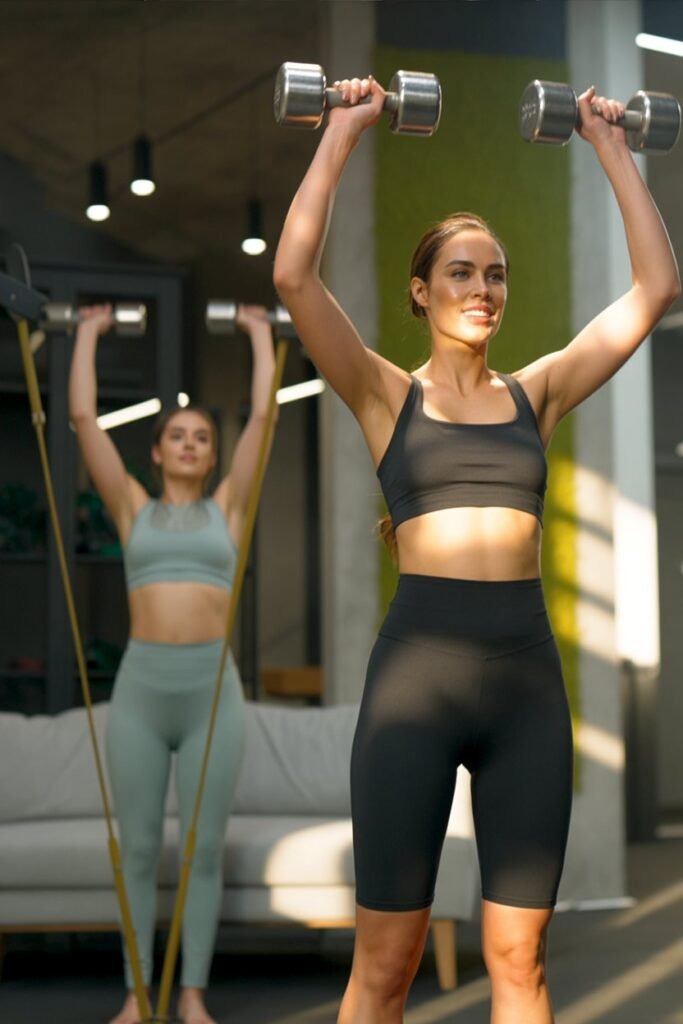
Home Workouts
Advantages:
- Convenient
- Budget-friendly
- Comfortable environment
- Flexible schedule
Disadvantages:
- Limited equipment
- Possible distractions
Gym Workouts
Advantages:
- More equipment options
- Motivating environment
- Access to trainers
Disadvantages:
- Membership costs
- Can feel intimidating at first
Both options can work well depending on personal preference.
Nutrition Tips for Strength Training

Exercise alone is not enough. Proper nutrition supports muscle recovery and energy levels.
Eat Enough Protein
Protein helps repair and build muscle.
Good protein sources:
- Eggs
- Chicken
- Fish
- Greek yogurt
- Beans
- Lentils
- Tofu
Stay Hydrated
Water supports performance and recovery.
Do Not Skip Meals
Fueling your body properly helps maintain energy during workouts.
Eat Balanced Meals
Include:
- Protein
- Healthy fats
- Fruits
- Vegetables
- Whole grains
Importance of Rest and Recovery

Muscles need time to recover after workouts.
Recovery tips:
- Sleep 7 to 9 hours nightly
- Take rest days
- Stretch regularly
- Stay hydrated
- Avoid overtraining
Recovery is an important part of progress.
Common Beginner Mistakes to Avoid
Doing Too Much Too Soon
Starting with intense workouts can lead to burnout or injuries.
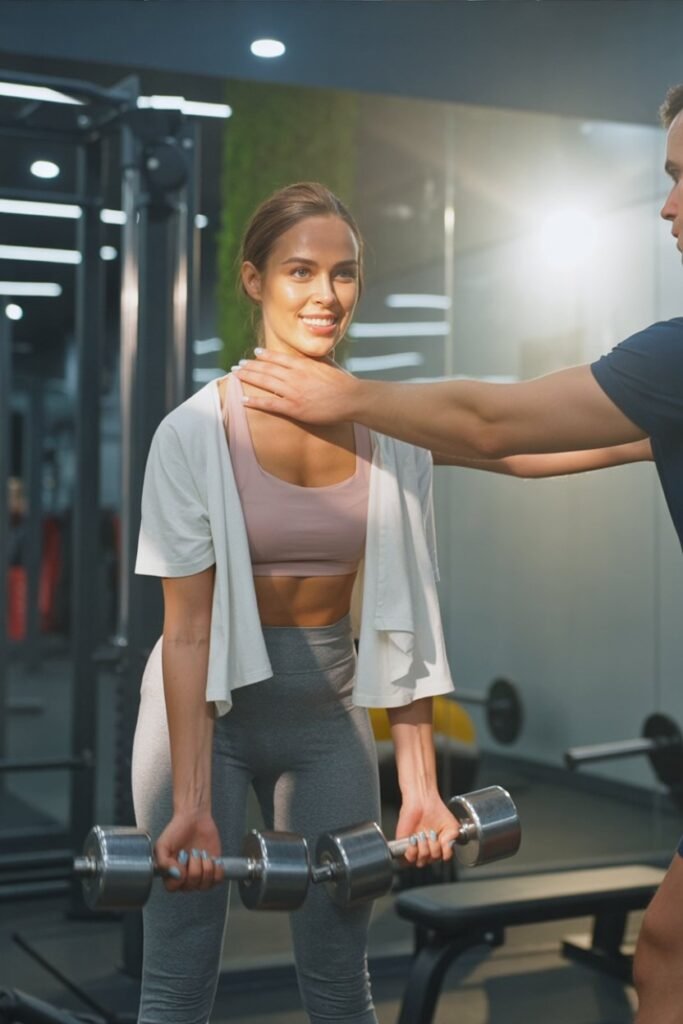
Ignoring Proper Form
Good technique matters more than lifting heavy weights.
Comparing Yourself to Others
Everyone progresses at different speeds.
Skipping Warm-Ups
Warm-ups prepare muscles and joints for exercise.
Not Being Consistent
Results come from regular effort over time.
How Long Does It Take to See Results?
Many beginners notice:
- Increased energy within a few weeks
- Improved strength within 4 to 6 weeks
- Visible muscle tone within 8 to 12 weeks
Results depend on consistency, nutrition, sleep, and workout intensity.
Strength Training and Weight Loss
Strength training can support fat loss by:
- Increasing muscle mass
- Boosting metabolism
- Improving body composition
- Supporting long-term calorie burning
Many women notice their clothes fit better even before the scale changes significantly.
How to Stay Motivated
Set Realistic Goals
Examples:
- Complete 3 workouts weekly
- Increase squat strength
- Improve energy levels
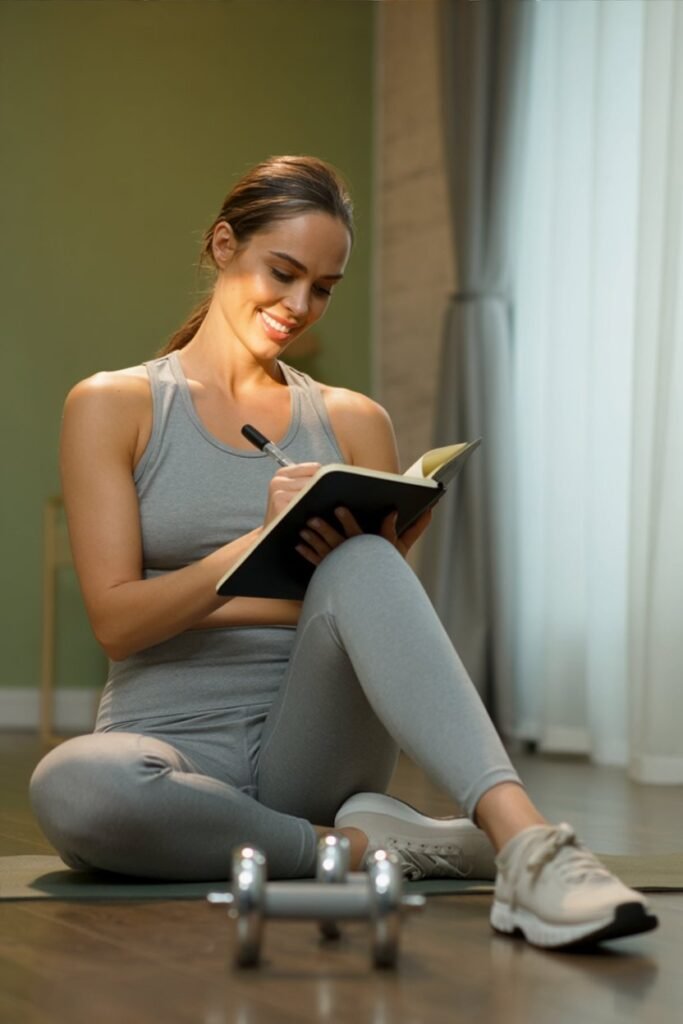
Track Your Progress
Keep a workout journal or use an app.
Celebrate Small Wins
Progress deserves recognition.
Find Workouts You Enjoy
Enjoyable workouts are easier to maintain long term.
Remember Your “Why”
Focus on how strength training improves your life, not just appearance.
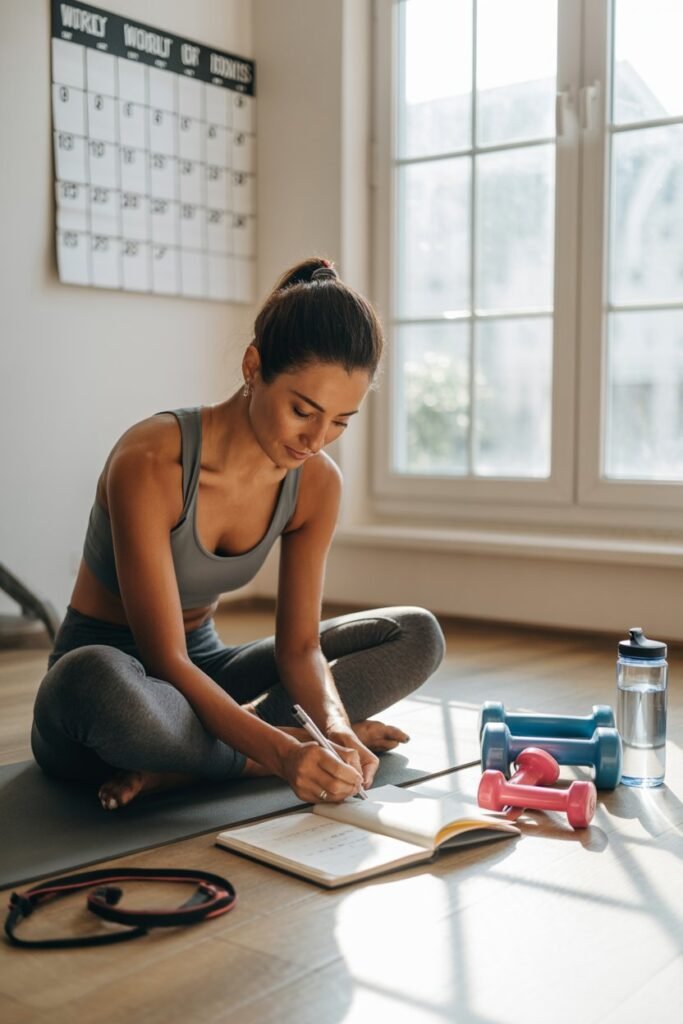
Beginner-Friendly Weekly Routine Example
Monday
Full body strength training
Tuesday
Light walking or stretching
Wednesday
Strength training
Thursday
Rest or yoga
Friday
Strength training
Saturday
Active recovery
Sunday
Rest
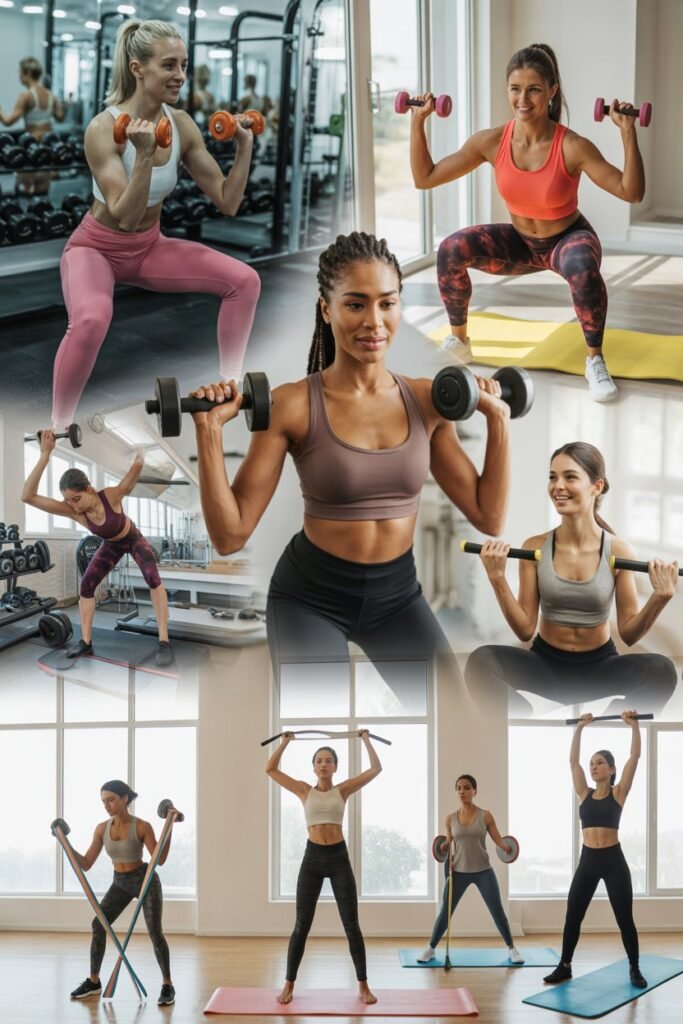
Strength Training for Different Fitness Goals
For Weight Loss
Focus on:
- Full body workouts
- Consistency
- Moderate weights
- Healthy nutrition
For Muscle Tone
Focus on:
- Controlled movements
- Progressive overload
- Protein intake
For General Health
Focus on:
- Regular movement
- Joint-friendly exercises
- Sustainable habits
Signs Your Strength Is Improving
You may notice:
- Better posture
- Easier daily activities
- Increased workout endurance
- Improved confidence
- More energy
- Better sleep quality
Progress is not always visible immediately, but many positive changes happen internally.
FAQ
Can women lift weights every day?
Beginners usually benefit more from training 2 to 4 times weekly with recovery days between sessions.
Is strength training safe for beginners?
Yes, when done with proper form and appropriate weights.
What if I cannot go to the gym?
Home workouts using bodyweight exercises or dumbbells can still produce excellent results.
Should beginners do cardio too?
Yes. A combination of strength training and cardio supports overall fitness and health.
Do I need supplements?
Supplements are optional. A balanced diet is usually enough for beginners.
What weights should beginners use?
Choose weights that feel challenging during the last few repetitions while still allowing good form.
Final Thoughts
Strength training is one of the best investments women can make in their physical and mental well-being.
It helps improve strength, confidence, energy, posture, bone health, and overall quality of life.
Starting may feel intimidating at first, but every strong person was once a beginner too. The key is to start simple, stay consistent, and focus on progress rather than perfection.
You do not need to be the strongest person in the gym. You only need the willingness to begin.
Over time, beginner workouts become habits, habits become strength, and strength becomes confidence that extends far beyond fitness.