I used to think building a home gym meant spending a lot of money.
Everywhere I looked, I saw:
- Expensive machines
- Full room setups
- Professional equipment
And honestly, it felt out of reach.
So I kept putting it off.
I told myself I’d start “when I could afford it.”
But the truth is, you don’t need a fancy setup to get results.
What changed everything for me was realizing this:
You don’t need more equipment. You need the right basics.
Once I stopped overcomplicating it, I was able to build a simple home gym that actually worked for me — without overspending.
Disclaimer: This post may contain affiliate links, which means I may earn a small commission at no extra cost to you. Exercise equipment should be used according to manufacturer instructions. Always ensure you have adequate space and consult a qualified fitness or healthcare professional before starting a new workout routine.
Amazon Shopping List: How to Build a Home Gym on a Budget
- Adjustable Dumbbell Set
- Resistance Bands Set (Multiple Resistance Levels)
- Non-Slip Exercise Yoga Mat
- Adjustable Kettlebell
- Jump Rope for Cardio Workouts
- Door Anchor Attachment for Resistance Bands
- Foldable Workout Bench
Why a Home Gym Can Be Better Than a Regular Gym
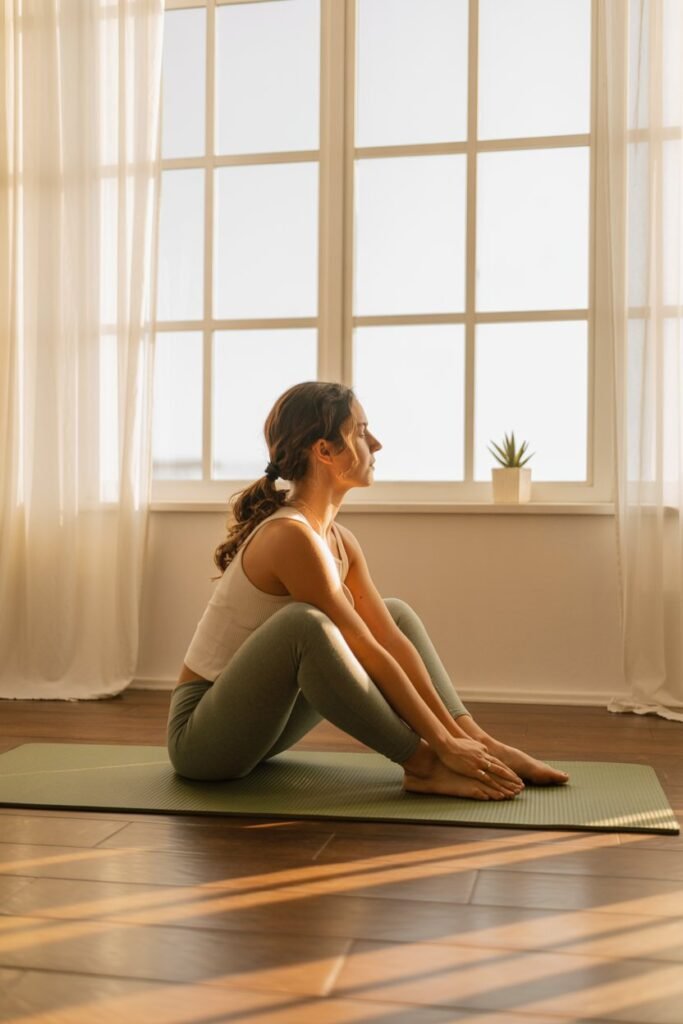
At first, I thought I needed a gym membership to stay consistent.
But I kept skipping workouts.
Not because I didn’t care… but because:
- It took time to get there
- I didn’t always feel motivated
- It didn’t fit into my daily routine
Once I set up a small space at home, everything changed.
It became:
- Easier to start
- Easier to stay consistent
- Less pressure overall
And that consistency made more difference than any equipment ever could.
The Biggest Mistake I Almost Made
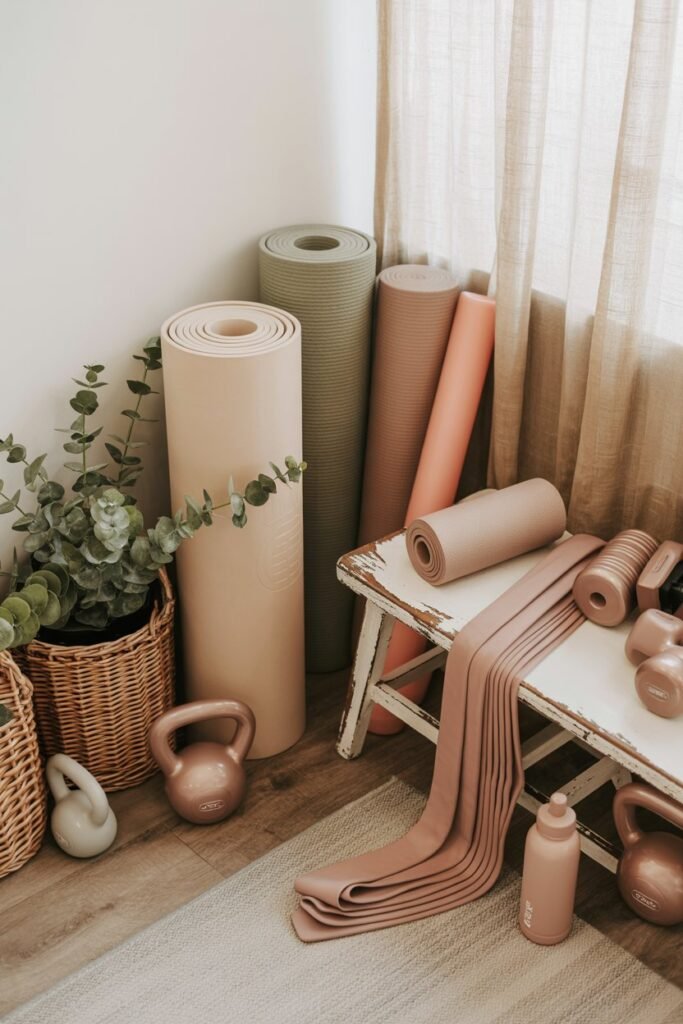
Before I started, I almost bought too much.
I had a long list of things I thought I “needed”:
- Dumbbell sets
- Resistance machines
- Benches
- Accessories
But if I had bought all that at once, I would have wasted money.
Because the truth is…
You don’t know what you’ll actually use until you start.
So instead, I focused on building my setup step by step.
That saved me money and helped me stay consistent.
Step 1: Start With Your Space (Not Equipment)
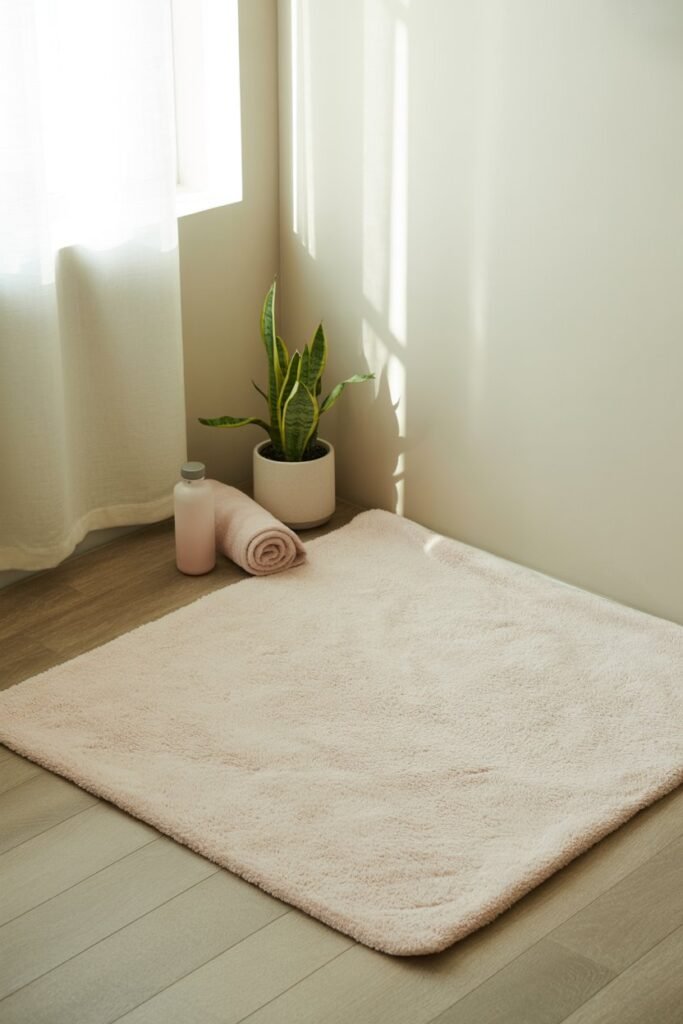
This is something most people skip.
But your space matters more than your equipment.
You don’t need a full room.
I started with:
- A small corner
- Enough space to move freely
- A simple, clutter-free area
That was enough.
Once your space feels ready, you’re more likely to actually use it.
Step 2: Choose Only the Essentials First
This is where most people overspend.
You don’t need everything at once.
Here’s what I recommend starting with:
1. A Good Workout Mat
This was my first purchase.
It makes:
- Floor workouts more comfortable
- Your space feel like a “gym”
- Your routine easier to stick to
2. Resistance Bands
These are underrated.
They’re:
- Affordable
- Easy to store
- Great for full-body workouts
And perfect if you’re just starting.
3. A Pair of Dumbbells (Optional to Start)
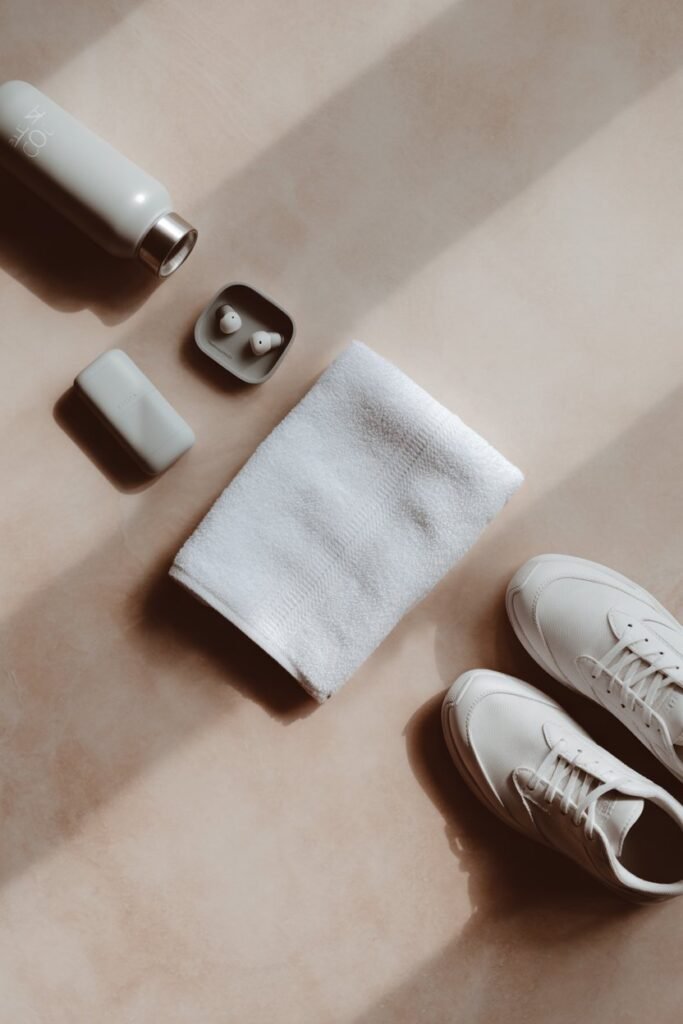
You don’t need a full set.
Just one pair is enough.
You can always upgrade later.
Step 3: Focus on Versatile Equipment
One thing I learned quickly:
Versatility matters more than quantity.
Instead of buying many things, choose items you can use in multiple ways.
For example:
- Resistance bands for strength + mobility
- Dumbbells for different muscle groups
- Bodyweight exercises for everything else
This keeps your setup simple and effective.
Step 4: Use What You Already Have
This saved me more money than anything else.
Before buying anything, look around your home.
You can use:
- Water bottles as weights
- A chair for workouts
- A wall for support exercises
It doesn’t have to be perfect.
It just has to work.
What I Wish I Knew Before Starting

If I could go back, I would tell myself this:
Start small.
Stay consistent.
Upgrade later.
Because the biggest difference doesn’t come from your setup.
It comes from actually using it.
Step 5: Build Your Home Gym in Phases (This Saves You Money)
This is something I wish I understood earlier.
You don’t need to build your home gym all at once.
In fact, it’s better if you don’t.
Here’s how I approached it:
Phase 1: The Basics
- Workout mat
- Resistance bands
- Bodyweight exercises
This alone is enough to start seeing results.
Phase 2: Add Strength
- One pair of dumbbells
- Slightly heavier resistance bands
At this stage, your workouts start feeling more challenging.
Phase 3: Upgrade Slowly
- Adjustable dumbbells
- A bench (if you need it)
- Optional extras based on your routine
By this point, you’ll know exactly what you actually use.
How Much It Really Costs (Realistic Budget)
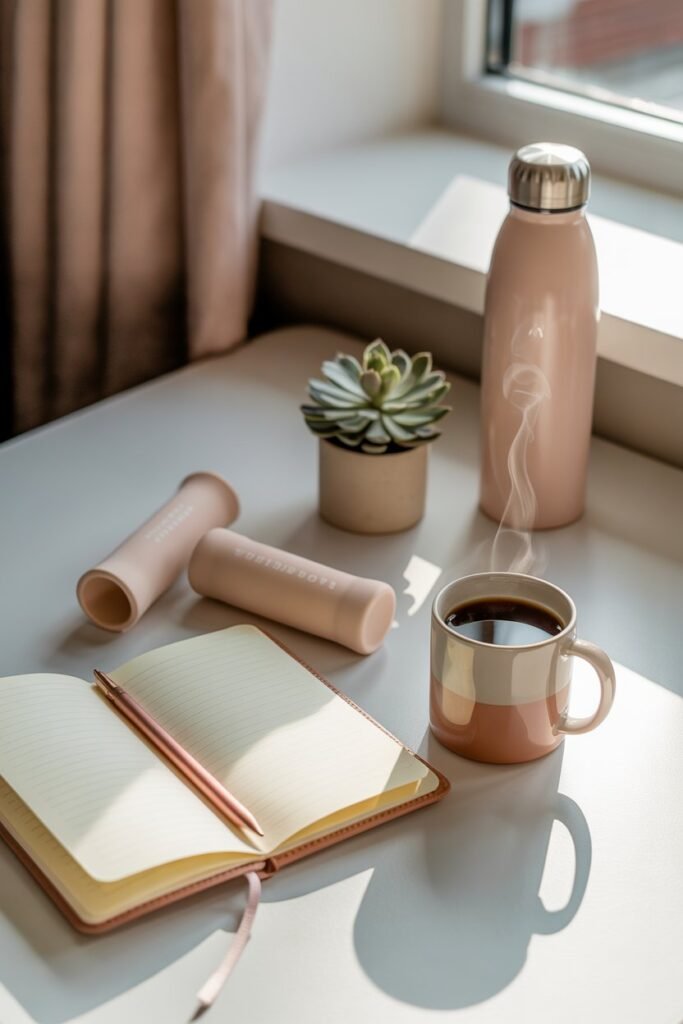
One of the biggest myths is that home gyms are expensive.
They can be — but they don’t have to be.
Here’s a realistic low-budget setup:
- Workout mat → affordable
- Resistance bands → very affordable
- Dumbbells → moderate cost
You can build a solid setup for far less than a yearly gym membership.
And once you have it, it’s yours.
The Exact Setup I Used (Simple & Effective)
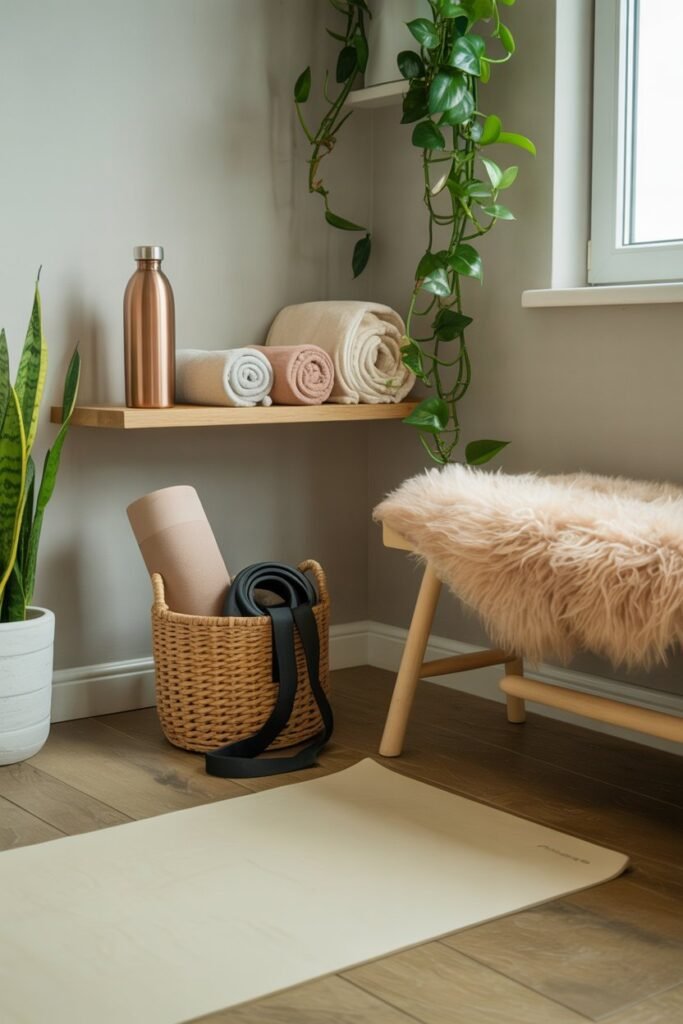
I kept things very simple.
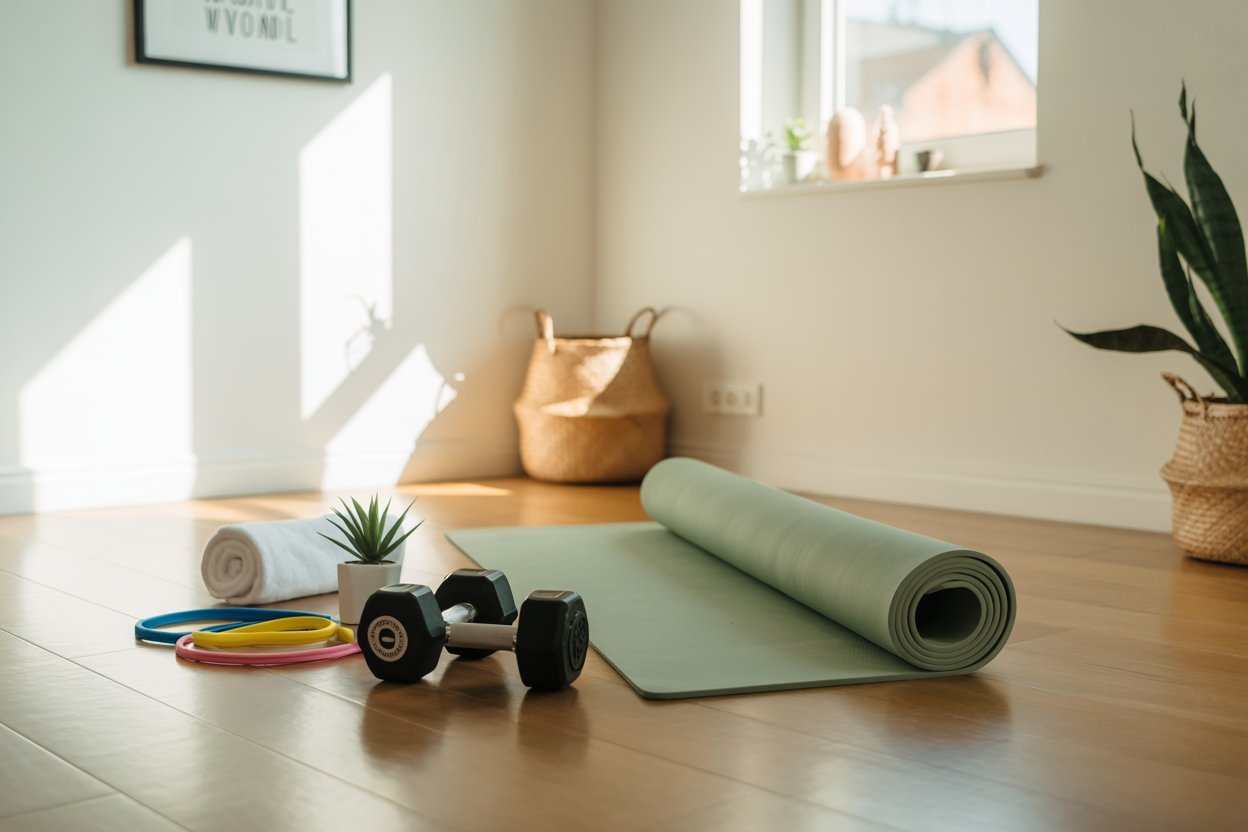
My setup looked like this:
- A small clear space
- A mat on the floor
- Resistance bands in a corner
- Dumbbells stored nearby
Nothing fancy.
But it worked.
And more importantly, I actually used it.
Mistakes to Avoid When Building a Home Gym
I made a few mistakes along the way, and avoiding these will save you time and money.
1. Buying too much too soon
It’s tempting.
But most equipment ends up unused.
Start small and build gradually.
2. Choosing equipment you don’t enjoy using
If you don’t enjoy it, you won’t use it.
And unused equipment is wasted money.
3. Ignoring your space
If your setup feels cramped or messy, you’ll avoid it.
Keep it simple and comfortable.
4. Waiting for the “perfect setup”
This slowed me down at first.
You don’t need perfect.
You just need to start.
How to Stay Consistent With a Home Gym
This is where most people struggle.
Not with equipment — but with consistency.
What helped me was:
- Keeping my setup visible
- Making workouts quick and simple
- Removing friction (no setup needed each time)
The easier it is to start, the more likely you are to stay consistent.
When to Upgrade Your Home Gym
Don’t upgrade just because you feel like it.
Upgrade when:
- Your workouts start feeling too easy
- You need more variety
- You’re consistent enough to justify it
That way, every purchase actually adds value.
What Results You Can Expect
Let’s be real.
Your results won’t come from your equipment.
They’ll come from how often you use it.
With consistency, you can expect:
- Better strength
- Improved fitness
- More energy
- A routine you actually stick to
And that’s what really matters.
FAQ: Building a Home Gym on a Budget
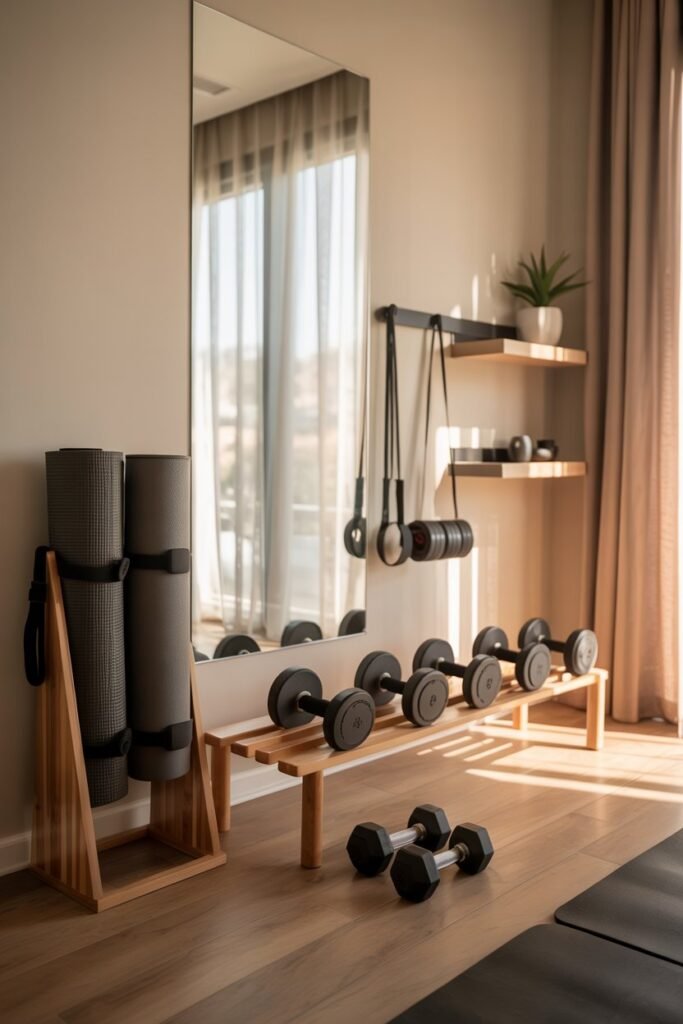
How much does it cost to build a home gym?
You can start with a very basic setup for a low cost using:
- A workout mat
- Resistance bands
- Simple weights
You don’t need expensive equipment to get started.
What equipment should beginners buy first?
Start with:
- A mat
- Resistance bands
Then add dumbbells later if needed.
Can you build a home gym in a small space?
Yes.
Even a small corner is enough as long as you can move comfortably.
Is a home gym worth it?
For many people, yes.
It saves time, removes barriers, and makes it easier to stay consistent.
Do I need machines for a home gym?
No.
You can get great results using:
- Bodyweight exercises
- Resistance bands
- Basic weights
Machines are optional.
What is the most important part of a home gym?
Consistency.
Even the best setup won’t help if you don’t use it.
Final Thoughts
If you’re thinking about building a home gym, here’s the truth:
You don’t need a big budget.
You don’t need a perfect setup.
And you don’t need to wait.
You just need a small space, a few basics, and the willingness to start.
That’s what made the biggest difference for me.
And once I started, everything else became easier.